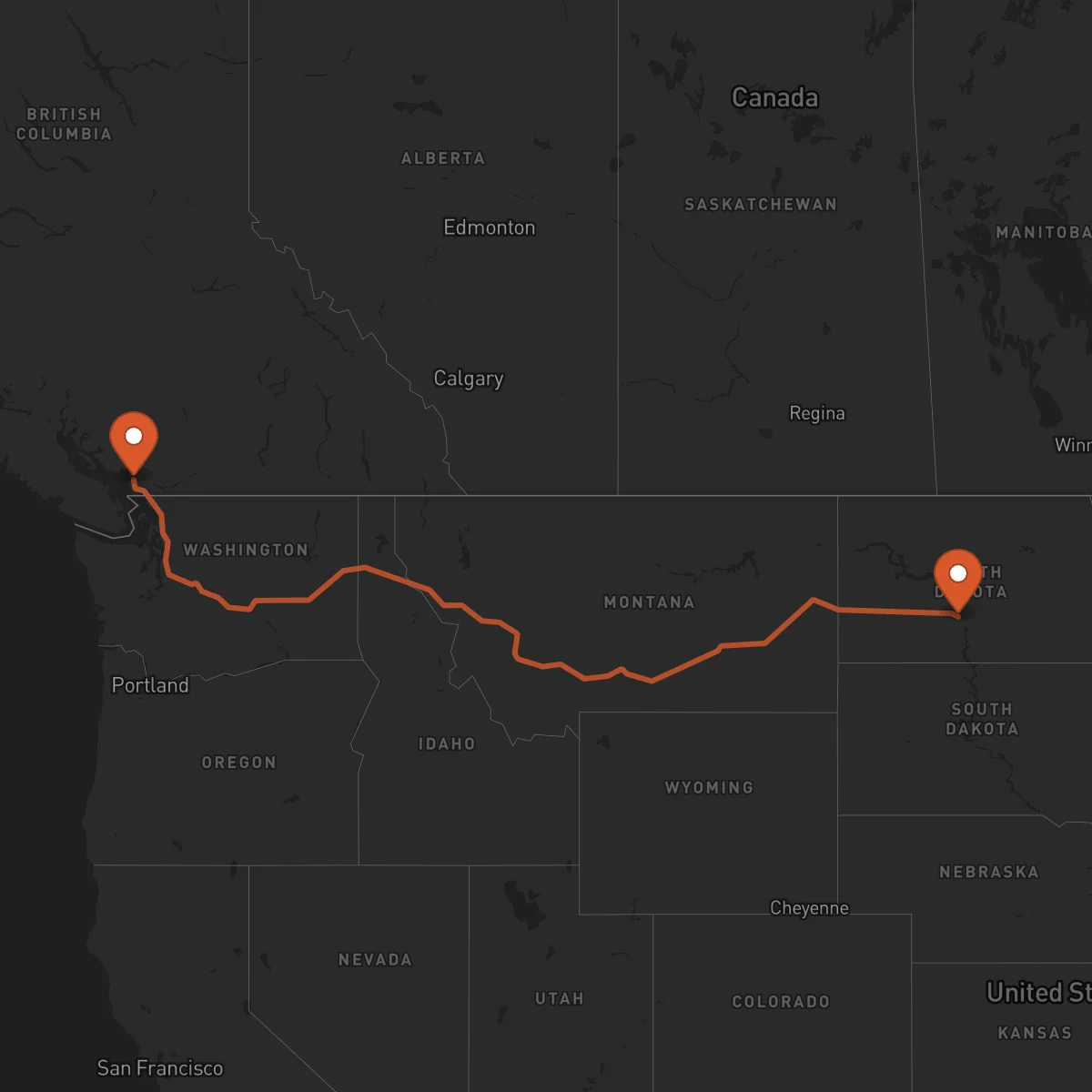
Vancouver to Bismarck
Bismarck → VancouverFTL freight transportation service between Vancouver and Bismarck. Reliable logistics solutions for your business.
Route Description
Everything you need to know about the corridor Vancouver - Bismarck
The Vancouver to Bismarck corridor represents a vital cross-border freight transportation route connecting Canada's Pacific gateway with the central United States. This 1677 km route traverses diverse terrain and crosses international borders, making it essential for businesses that require reliable full truckload (FTL) transportation between British Columbia and North Dakota. The corridor serves as a critical link in North America's supply chain network, facilitating the movement of goods between major industrial centers and supporting economic integration across the continent.
The economic significance of this corridor extends beyond its geographical span. Vancouver stands as Canada's largest port city and a major economic hub, while Bismarck serves as North Dakota's capital and a growing center for energy, agriculture, and manufacturing industries. The route connects these economic powerhouses through a network of major highways including the Trans-Canada Highway (BC-1), Highway 97, and Interstate 94, providing multiple routing options to accommodate different cargo types and delivery requirements.
Key industries utilizing this corridor include energy equipment and supplies, agricultural products, manufacturing components, and retail goods. The cross-border nature of the route requires expertise in customs clearance and compliance with both Canadian and US regulations. Control Terrestre's specialized knowledge of this corridor ensures seamless operations, with our C-TPAT and FAST certified partners providing expedited border processing and reliable transportation solutions that minimize delays and optimize delivery times for our customers.
Services for this Route
Available services for the corridor Vancouver - Bismarck
 Origin
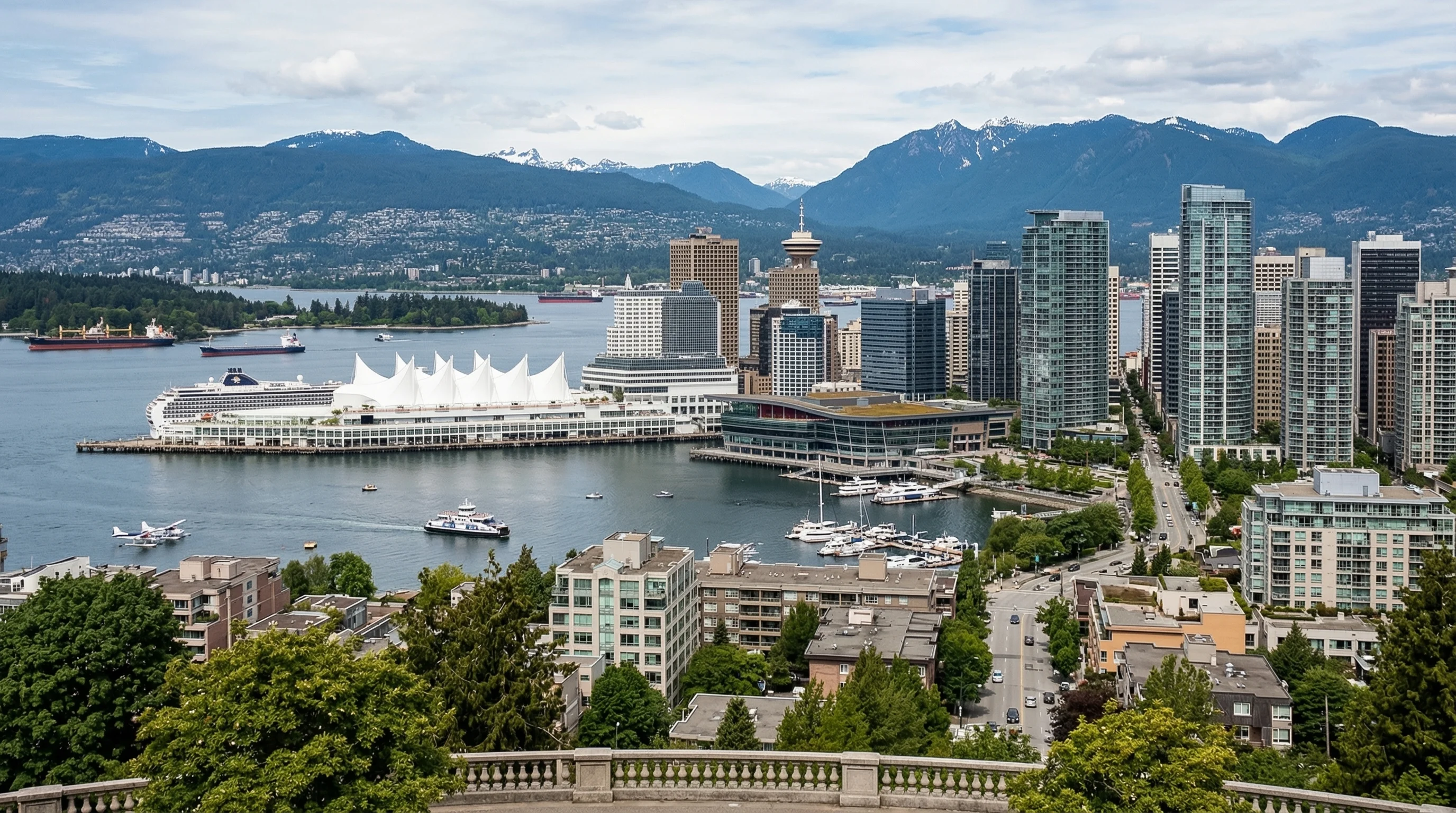
Vancouver
Vancouver, located on Canada's Pacific coast, serves as a strategic logistics hub with world-class port facilities and extensive transportation infrastructure. As Canada's largest port by tonnage, the Port of Vancouver handles millions of containers annually and provides direct access to Asian markets. The city's economy is diverse, with strong sectors in technology, film production, natural resources, and international trade. Vancouver International Airport offers robust cargo services, while the extensive highway network connects the city to the rest of Canada and the United States. The region's concentration of logistics providers and warehousing facilities makes it an ideal origin point for cross-border freight operations.
 Destination
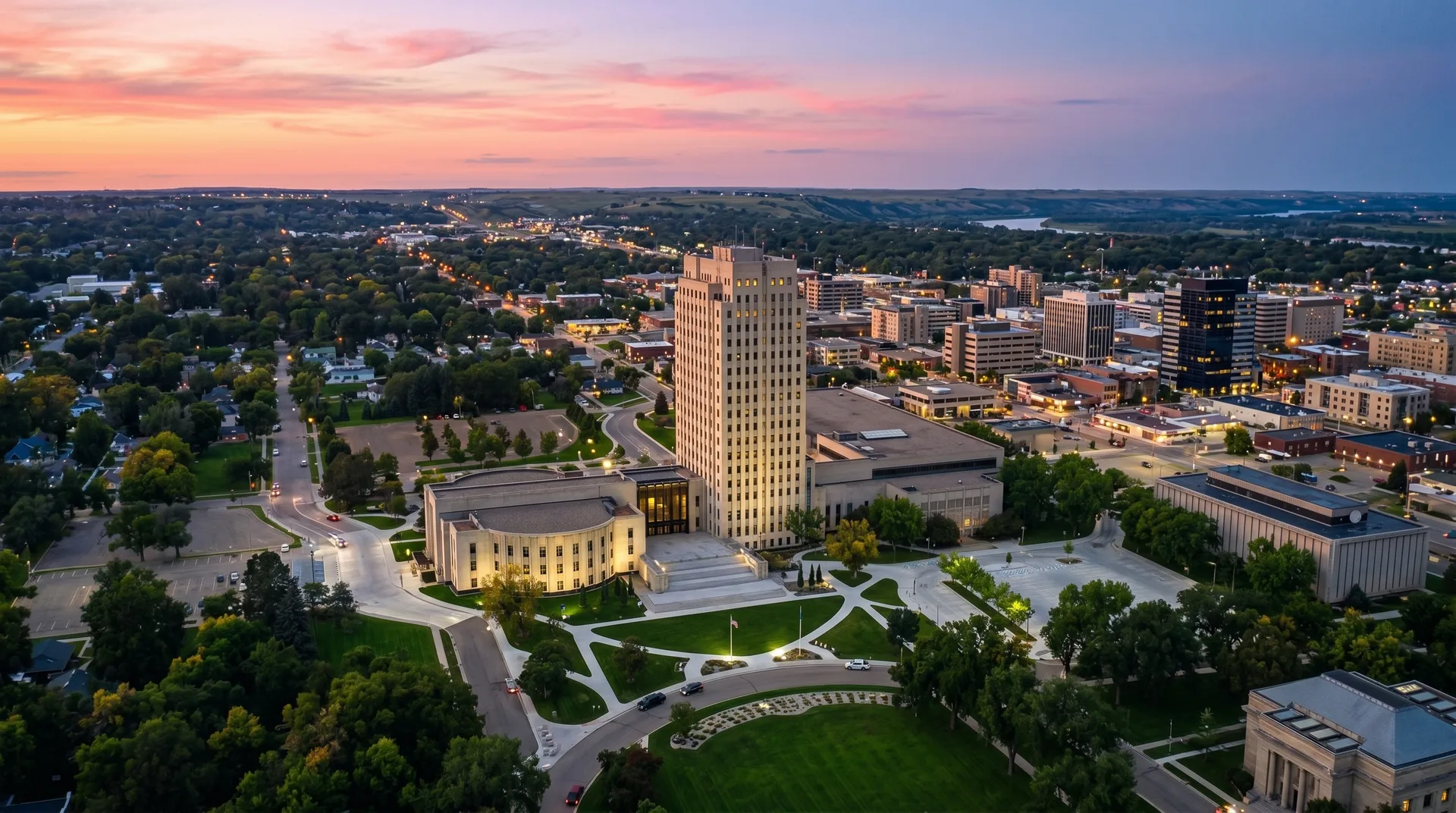
Bismarck
Bismarck, North Dakota's capital city, occupies a strategic location in the American Midwest with excellent transportation connectivity. The city benefits from its position along Interstate 94, providing direct access to major markets across the central United States. Bismarck's economy is anchored by government services, energy production, agriculture, and manufacturing. The region has experienced significant growth in oil and gas exploration, creating increased demand for specialized freight transportation. Bismarck's airport and rail connections complement its highway infrastructure, while the city's central location makes it an efficient distribution point for goods throughout the Midwest. The area's business-friendly environment and skilled workforce support continued economic development and increased freight movement.










