
Tulsa to Trujillo
Trujillo → TulsaFTL freight transportation service between Tulsa and Trujillo. Reliable logistics solutions for your business.
Route Description
Everything you need to know about the corridor Tulsa - Trujillo
The Tulsa to Trujillo corridor represents a vital logistics connection between the industrial heartland of the United States and the strategic Caribbean port of Honduras. This cross-border route spans approximately 2,460 kilometers, facilitating the movement of goods between North America's manufacturing powerhouse and Central America's growing import-export hub. The corridor traverses diverse terrain and crosses multiple international borders, requiring expert coordination and specialized knowledge of cross-border procedures.
The economic significance of this route is substantial, connecting Tulsa's robust manufacturing and energy sectors with Trujillo's emerging role as a Caribbean logistics gateway. This corridor serves industries ranging from automotive parts and agricultural equipment to consumer goods and industrial machinery. The route passes through key economic zones and manufacturing centers, making it essential for supply chain continuity between the two regions.
Transportation infrastructure along this corridor includes major interstate highways in the United States, connecting to Mexico's federal highways before transitioning to Central American road networks. The journey involves strategic border crossings where C-TPAT and FAST certified carriers can expedite clearance processes. Control Terrestre's expertise in managing this complex route ensures seamless transitions through multiple jurisdictions, handling all customs documentation and compliance requirements.
Our specialized cross-border services on this corridor include dedicated full truckload transportation with options for refrigerated units when temperature control is required. We coordinate with our network of certified carriers to provide continuous monitoring and real-time tracking throughout the journey. Our team's understanding of both USMCA regulations and Central American trade requirements ensures your cargo moves efficiently from origin to destination, maintaining the integrity of your supply chain across international boundaries.
Services for this Route
Available services for the corridor Tulsa - Trujillo
 Origin
Tulsa
Tulsa, Oklahoma serves as a strategic logistics hub in the southern United States, offering excellent connectivity to major freight corridors. The city's central location provides direct access to interstate highways including I-44 and I-244, facilitating efficient distribution throughout the Midwest and beyond. Tulsa's proximity to major rail terminals and its international airport enhances its multimodal transportation capabilities, making it an ideal origin point for cross-border freight operations.
The Tulsa metropolitan area is home to diverse industries including aerospace, energy, and manufacturing. The region hosts numerous distribution centers and warehouses, supported by a skilled logistics workforce. Tulsa's economic landscape includes significant presence of automotive parts suppliers, industrial equipment manufacturers, and agricultural technology companies, all requiring reliable transportation solutions to reach international markets.
 Destination
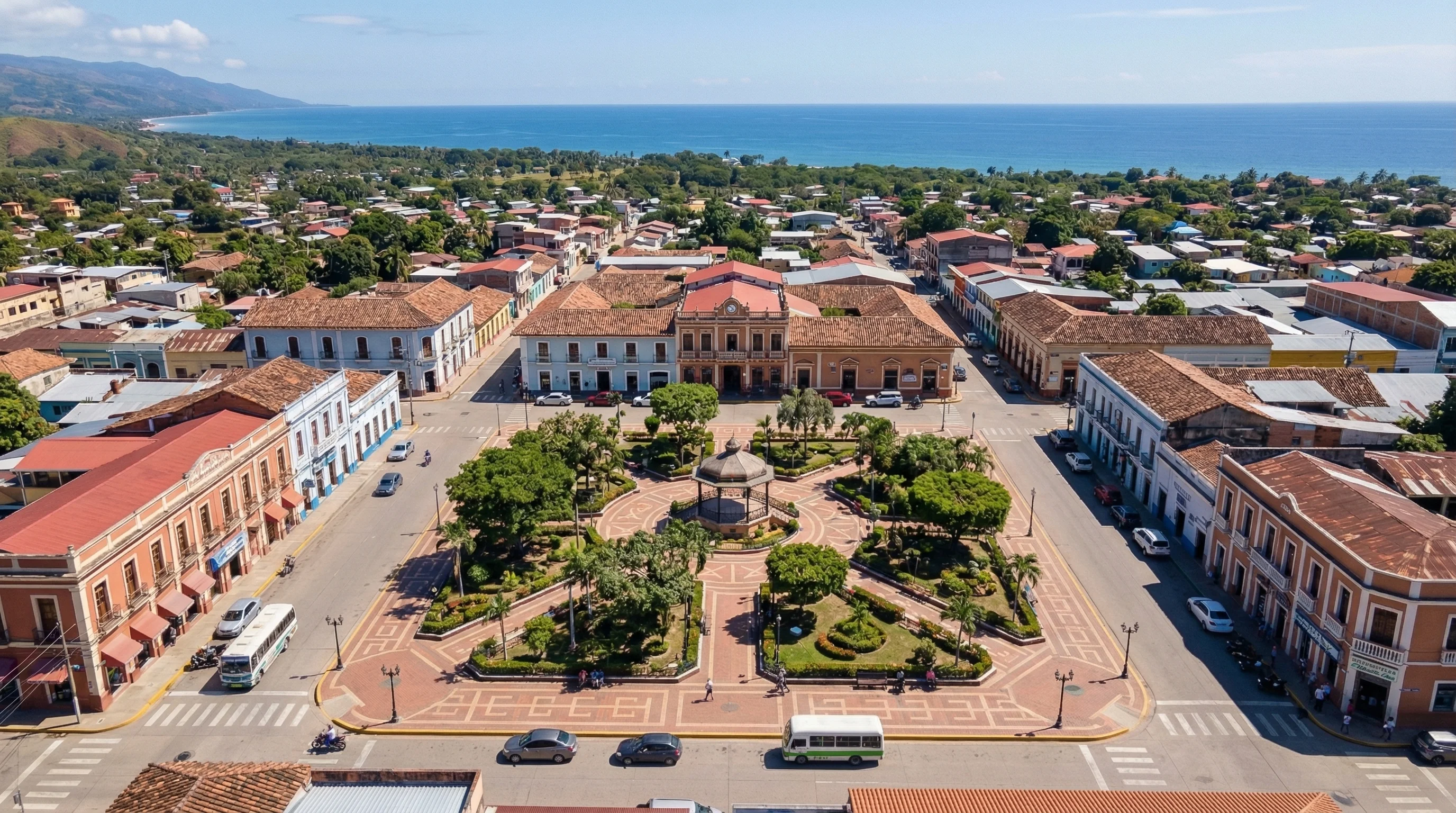
Trujillo, located on Honduras's northern Caribbean coast, represents a strategic gateway for maritime trade in Central America. The Port of Trujillo offers direct ocean access for international shipping, connecting Central American markets with global trade routes. The city's coastal location provides natural advantages for import-export operations, particularly for goods destined for inland destinations throughout Honduras and neighboring countries.
The economic activities in and around Trujillo focus on port operations, fishing, and emerging industrial development. The region's infrastructure includes road connections to major Honduran cities and neighboring countries, facilitating distribution throughout Central America. Trujillo's port facilities handle various cargo types, from containerized goods to bulk shipments, supporting the region's growing logistics sector and international trade relationships.










