
Tulsa to Totonicapán
Totonicapán → TulsaFTL freight transportation service between Tulsa and Totonicapán. Reliable logistics solutions for your business.
Route Description
Everything you need to know about the corridor Tulsa - Totonicapán
The logistics corridor connecting Tulsa, Oklahoma to Totonicapán, Guatemala represents a vital trade route linking the industrial heartland of the United States with the commercial centers of Central America. This cross-border corridor spans approximately 2,406 kilometers and facilitates the movement of diverse cargo types between North and Central American markets. The route traverses major transportation hubs and crosses key international borders, making it essential for companies engaged in regional trade and supply chain operations.
The economic significance of this corridor is substantial, connecting Tulsa's manufacturing and distribution ecosystem with Guatemala's growing industrial sector. Tulsa serves as a strategic logistics hub in the Midwest, with strong connections to national rail networks and interstate highways. The corridor supports various industries including automotive parts, agricultural products, consumer goods, and industrial equipment. Companies utilizing this route benefit from Tulsa's proximity to major freight carriers and its well-developed transportation infrastructure.
Transportation along this corridor relies on major highways including I-35, I-35W, and connecting routes through Mexico. The route crosses at key border points such as Laredo/Nuevo Laredo or El Paso/Ciudad Juárez, depending on the specific logistics strategy. Control Terrestre provides comprehensive cross-border expertise, managing customs documentation, regulatory compliance, and seamless cargo transfer between different transportation modes. Our specialized team ensures efficient transit through border crossings, minimizing delays and maintaining cargo security throughout the journey from Tulsa to Totonicapán.
Services for this Route
Available services for the corridor Tulsa - Totonicapán
 Origin
Tulsa
Tulsa, Oklahoma serves as a strategic logistics hub in the southern Midwest region of the United States. Located along the I-44 and I-35 corridors, Tulsa provides excellent connectivity to major freight routes across the country. The city's central location allows for efficient distribution to both coastal regions and inland markets within 1-2 days of transit time. Tulsa's transportation infrastructure includes the Tulsa International Airport, multiple rail yards operated by major Class I railroads, and extensive highway networks that support heavy freight movement.
The economic landscape of Tulsa is diverse, with strong presence in aerospace manufacturing, energy equipment production, and logistics services. The city hosts numerous distribution centers and warehouses that serve as consolidation points for regional freight. Key industries utilizing Tulsa's logistics capabilities include oil and gas equipment manufacturing, automotive parts production, and consumer goods distribution. The Port of Catoosa, located nearby, provides additional multimodal transportation options through its connection to the McClellan-Kerr Arkansas River Navigation System.
 Destination
Totonicapán
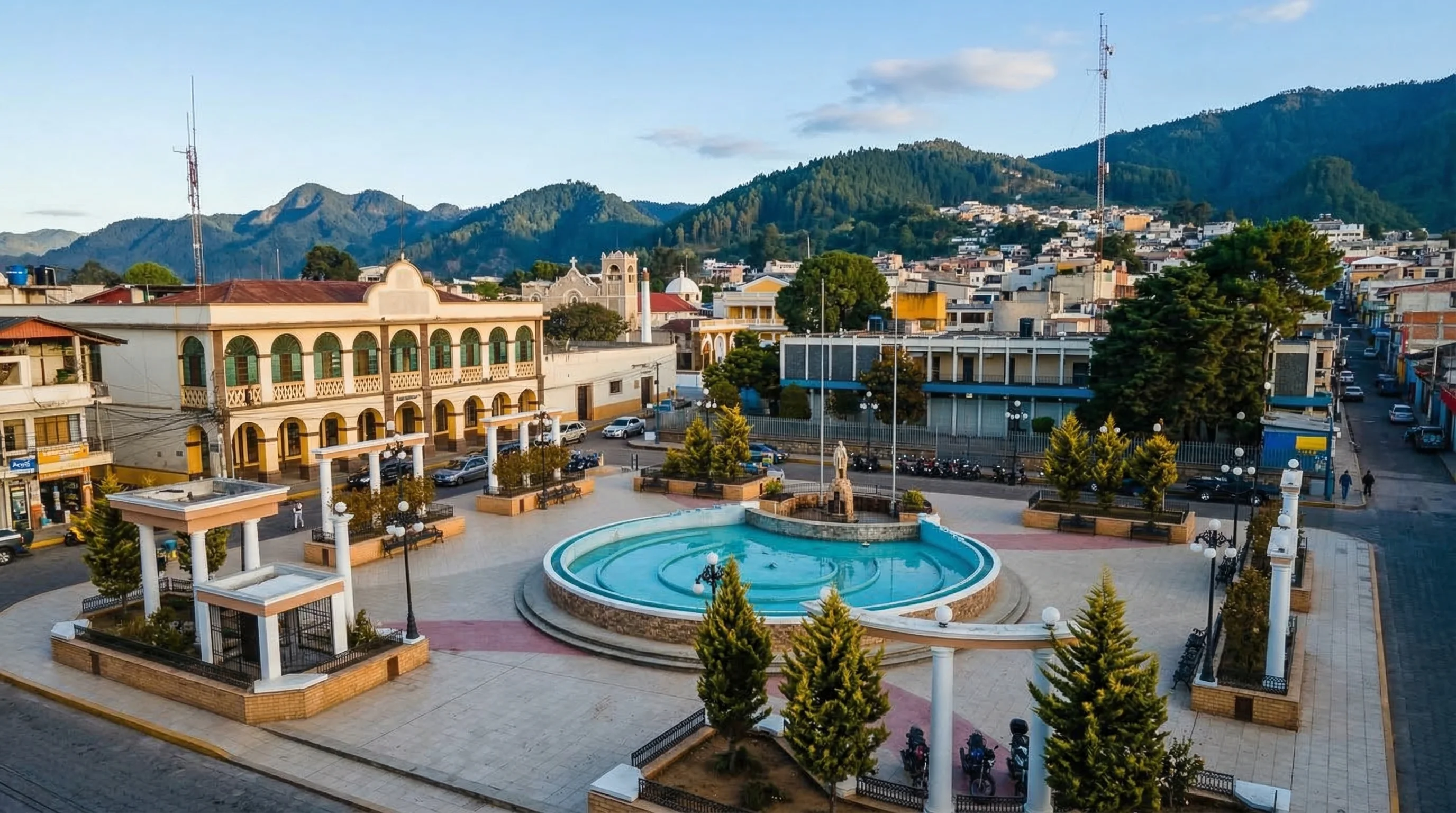
Totonicapán, located in the western highlands of Guatemala, represents a strategic commercial center in Central America. The city's position in the Altiplano region provides access to both domestic Guatemalan markets and international trade routes connecting to El Salvador, Honduras, and Mexico. Totonicapán's elevation and climate make it suitable for various manufacturing and assembly operations, particularly in textile and handicraft production that Guatemala is known for regionally.
The transportation infrastructure around Totonicapán includes connections to Guatemala's CA-1 Pan-American Highway and regional roads that link to major ports like Puerto Quetzal. While the area's mountainous terrain presents some logistical challenges, the region has developed specialized freight handling capabilities for the unique cargo types common to highland commerce. Local industries include textile manufacturing, agricultural product processing, and artisanal goods production. The presence of industrial parks and commercial zones around Totonicapán has increased demand for reliable freight transportation services connecting to North American supply chains.










