
Tulsa to San Carlos
San Carlos → TulsaFTL freight transportation service between Tulsa and San Carlos. Reliable logistics solutions for your business.
Route Description
Everything you need to know about the corridor Tulsa - San Carlos
The logistics corridor connecting Tulsa, Oklahoma, to San Carlos, Nicaragua, represents a vital trade link between the central United States and Central America. This cross-border route spans approximately 3002 kilometers, traversing diverse landscapes and crossing multiple international borders. The corridor serves as a critical artery for commerce, enabling the efficient movement of goods between North and Central American markets. Control Terrestre's expertise in managing this complex route ensures seamless transportation of full truckload (FTL) freight, addressing the unique challenges of cross-border logistics.
The economic significance of this corridor is underscored by the complementary industrial strengths of its endpoints. Tulsa, situated in the heart of America's energy corridor, is a hub for aerospace, manufacturing, and logistics industries. In contrast, San Carlos serves as a gateway to Nicaragua's agricultural and manufacturing sectors, with growing importance in regional trade. This synergy creates substantial demand for reliable freight transportation services that can handle diverse cargo types, from industrial equipment to consumer goods.
Key transportation infrastructure along this route includes major highways such as I-35, I-45, and I-10 in the United States, transitioning to CA-1 and other Central American routes as the journey progresses southward. The corridor involves critical border crossings, including those between the United States and Mexico, and subsequently between Mexico and Central American countries. Control Terrestre's deep understanding of customs procedures, documentation requirements, and regulatory compliance at each border ensures smooth transit and minimizes delays for our clients' shipments.
Control Terrestre's role in facilitating operations on this corridor is multifaceted. We leverage our extensive network of certified carriers and our expertise in cross-border logistics to provide end-to-end solutions. Our services include dedicated transportation, specialized cargo handling, and real-time tracking capabilities. By offering a single point of contact for the entire journey, we simplify the complexities of international freight transportation, allowing our clients to focus on their core business while we manage the intricacies of moving goods from Tulsa to San Carlos efficiently and securely.
Services for this Route
Available services for the corridor Tulsa - San Carlos
 Origin
Tulsa
Tulsa, Oklahoma, stands as a strategic logistics hub in the central United States, offering unparalleled connectivity to national and international markets. Located at the crossroads of major interstate highways, including I-44 and I-244, Tulsa provides efficient access to key economic centers across North America. The city's logistics infrastructure is further enhanced by the Tulsa International Airport and the Tulsa Port of Catoosa, an inland seaport on the McClellan-Kerr Arkansas River Navigation System, offering multimodal transportation options for diverse cargo types.
The economic landscape of Tulsa is characterized by a diverse mix of industries, with energy, aerospace, and manufacturing sectors playing pivotal roles. As a major player in the U.S. energy corridor, Tulsa hosts numerous oil and gas companies, as well as renewable energy initiatives. The aerospace industry, led by companies like American Airlines' maintenance base, contributes significantly to the local economy. Additionally, Tulsa's manufacturing sector produces a wide range of goods, from machinery to consumer products, creating substantial demand for reliable freight transportation services to both domestic and international destinations.
 Destination
San Carlos
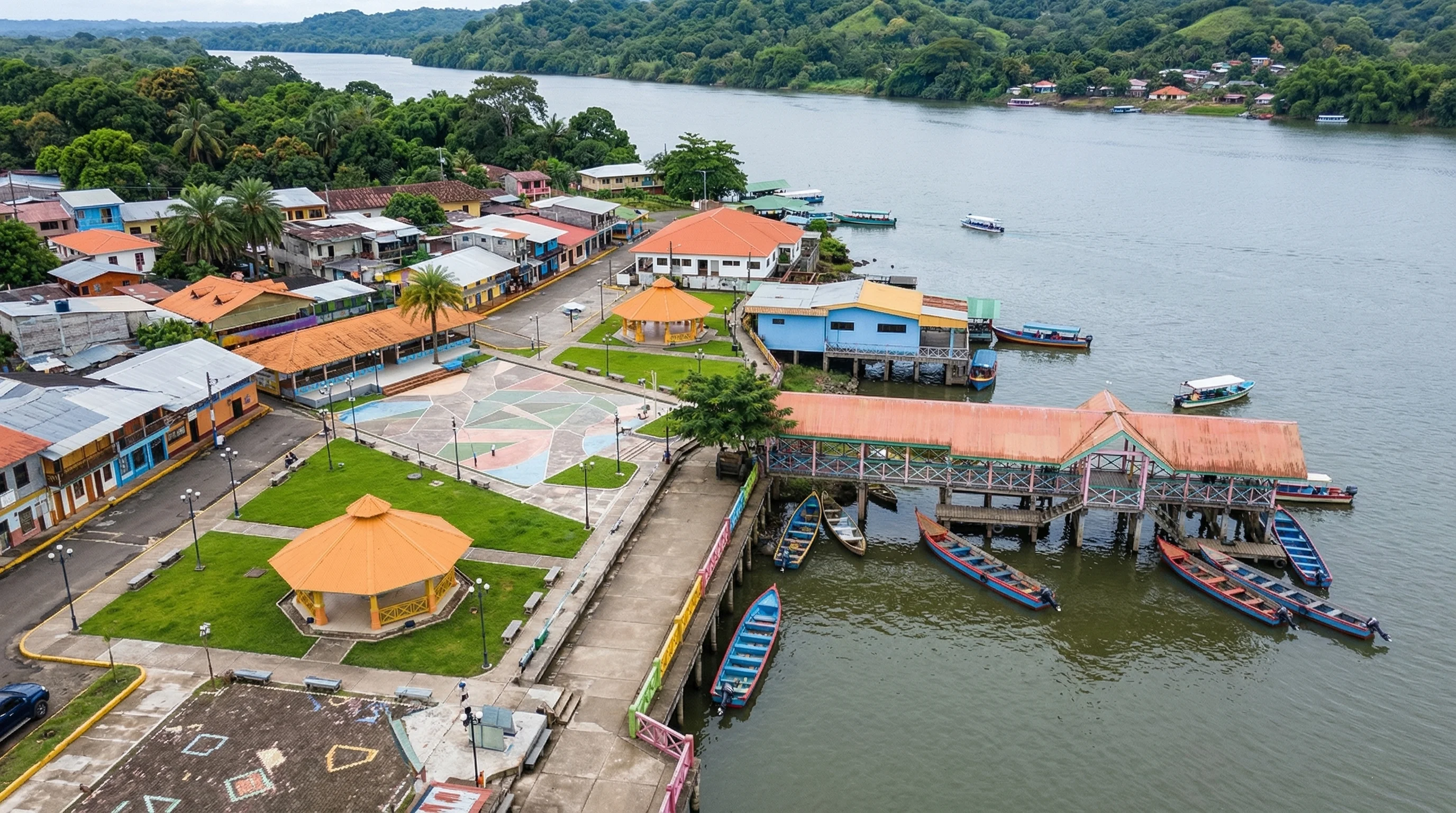
San Carlos, located in the Río San Juan department of Nicaragua, serves as a crucial logistics node in Central America, strategically positioned at the confluence of Lake Nicaragua and the San Juan River. This unique geographical location provides San Carlos with significant advantages for both domestic distribution within Nicaragua and international trade with neighboring countries. The city's connectivity is enhanced by the San Carlos Airport and road networks linking it to other major Nicaraguan cities and the Costa Rican border, facilitating the movement of goods throughout the region.
The economic profile of San Carlos is diverse, with agriculture, fishing, and emerging manufacturing sectors driving local commerce. The region is known for its production of tropical fruits, vegetables, and fish, which require efficient transportation to both domestic markets and international destinations. Additionally, San Carlos is witnessing growth in light manufacturing and assembly operations, capitalizing on its strategic location for export-oriented production. This economic diversity creates a robust demand for freight transportation services capable of handling a wide range of cargo types, from perishable agricultural products to industrial equipment and consumer goods.










