
Tulsa to Puntarenas
Puntarenas → TulsaFTL freight transportation service between Tulsa and Puntarenas. Reliable logistics solutions for your business.
Route Description
Everything you need to know about the corridor Tulsa - Puntarenas
The Tulsa to Puntarenas corridor represents a vital trade link between the industrial heartland of the United States and the Pacific port of Costa Rica. This cross-border route spans approximately 3,121 kilometers, connecting Oklahoma's manufacturing and energy sectors with Central America's growing import-export market. The corridor serves as a strategic artery for businesses seeking efficient transportation solutions between North and Central America, facilitating the movement of diverse cargo types across international borders.
The economic significance of this corridor is underscored by Tulsa's position as a major logistics hub in the U.S. Midwest, with strong connections to the automotive, aerospace, and energy industries. Puntarenas, as Costa Rica's primary Pacific port, serves as a gateway for goods entering Central America, supporting the region's manufacturing, agricultural, and tourism sectors. This route enables companies to optimize their supply chains by leveraging Tulsa's manufacturing capabilities and Puntarenas' strategic maritime connections.
Key transportation infrastructure along this corridor includes major U.S. interstate highways such as I-35 and I-10, which connect to Mexican Federal Highway 85D and subsequent Central American routes. The corridor involves critical border crossings at Laredo/Nuevo Laredo, where efficient customs processing is essential for maintaining transit times. Control Terrestre facilitates seamless operations on this corridor through our extensive network of certified carriers, expertise in cross-border documentation, and commitment to reliable full truckload (FTL) service that ensures your cargo moves efficiently from origin to destination.
Services for this Route
Available services for the corridor Tulsa - Puntarenas
 Origin
Tulsa
Tulsa, Oklahoma serves as a strategic logistics hub in the U.S. Midwest, offering exceptional connectivity through its comprehensive transportation infrastructure. The city benefits from direct access to major interstate highways including I-44 and I-244, facilitating efficient distribution throughout the central United States. Tulsa's logistics advantages are further enhanced by its proximity to the Port of Catoosa, the nation's largest inland port, which provides barge transportation along the McClellan-Kerr Arkansas River Navigation System. The city's well-developed rail network, operated by major carriers like BNSF and Union Pacific, complements its robust trucking industry.
The economic landscape of Tulsa is anchored by diverse industries including aerospace, energy, and manufacturing. The city hosts significant operations for companies in the aviation sector, with facilities producing aircraft components and related equipment. Tulsa's energy industry, historically centered on oil and gas, continues to drive demand for specialized transportation services. The region's manufacturing base produces a wide range of goods requiring reliable freight transportation, from industrial machinery to consumer products, making Tulsa an ideal origin point for cross-border logistics operations.
 Destination
Puntarenas
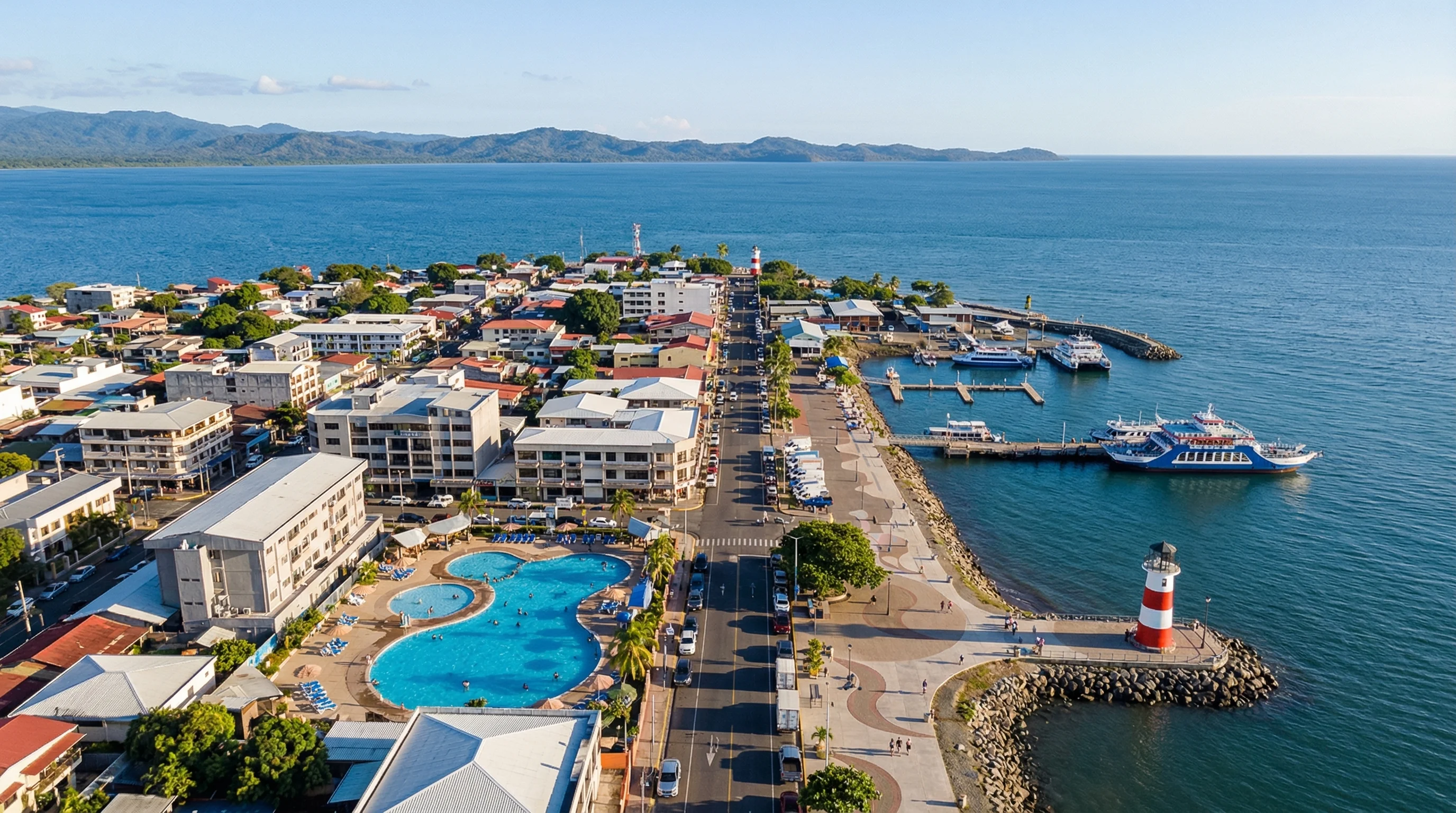
Puntarenas, located on Costa Rica's Pacific coast, serves as the country's primary maritime gateway and a strategic logistics hub for Central America. The Port of Puntarenas, along with the nearby Port of Caldera, forms a critical node in regional trade, offering modern container handling facilities and direct access to international shipping routes. The city's transportation infrastructure includes well-maintained highways connecting to San José and other major Costa Rican cities, facilitating efficient inland distribution. The proximity to the Inter-American Highway (CA-1) ensures seamless connectivity with neighboring countries.
The economic significance of Puntarenas extends beyond its port operations, encompassing diverse industries that drive freight demand. The region supports Costa Rica's agricultural exports, including tropical fruits, coffee, and seafood, while also serving the growing manufacturing and assembly operations in the area. The tourism industry, centered on the Pacific coast's beaches and resorts, creates additional logistics requirements for consumer goods and supplies. Puntarenas' strategic location makes it an ideal destination for companies seeking to establish distribution networks throughout Central America, offering access to both import markets and export opportunities.










