
Tulsa to Cojutepeque
Cojutepeque → TulsaFTL freight transportation service between Tulsa and Cojutepeque. Reliable logistics solutions for your business.
Route Description
Everything you need to know about the corridor Tulsa - Cojutepeque
The logistics corridor connecting Tulsa, Oklahoma, to Cojutepeque, El Salvador, represents a vital cross-border route spanning approximately 2,592 kilometers. This corridor serves as a crucial link between the industrial heartland of the United States and the growing manufacturing and agricultural sectors of Central America. Tulsa's strategic location in the Midwest provides access to major rail networks and interstate highways, while Cojutepeque's position in El Salvador's central region offers connectivity to Pacific ports and neighboring countries.
The corridor primarily utilizes major transportation infrastructure including Interstate 35, Interstate 10, and Mexican Federal Highways 85 and 190. The route crosses key border points between the United States, Mexico, and Guatemala before entering El Salvador. Control Terrestre's expertise in cross-border operations ensures seamless freight movement through these international transitions, handling all customs documentation and compliance requirements for full truckload (FTL) shipments.
This corridor is particularly important for industries such as automotive parts, electronics, agricultural products, and consumer goods. Manufacturing companies in Tulsa rely on this route to supply assembly plants and distribution centers throughout Central America. The journey requires careful coordination of temperature-controlled transport for perishable goods and specialized handling for industrial equipment, all services that Control Terrestre provides through our certified carrier network.
Services for this Route
Available services for the corridor Tulsa - Cojutepeque
 Origin
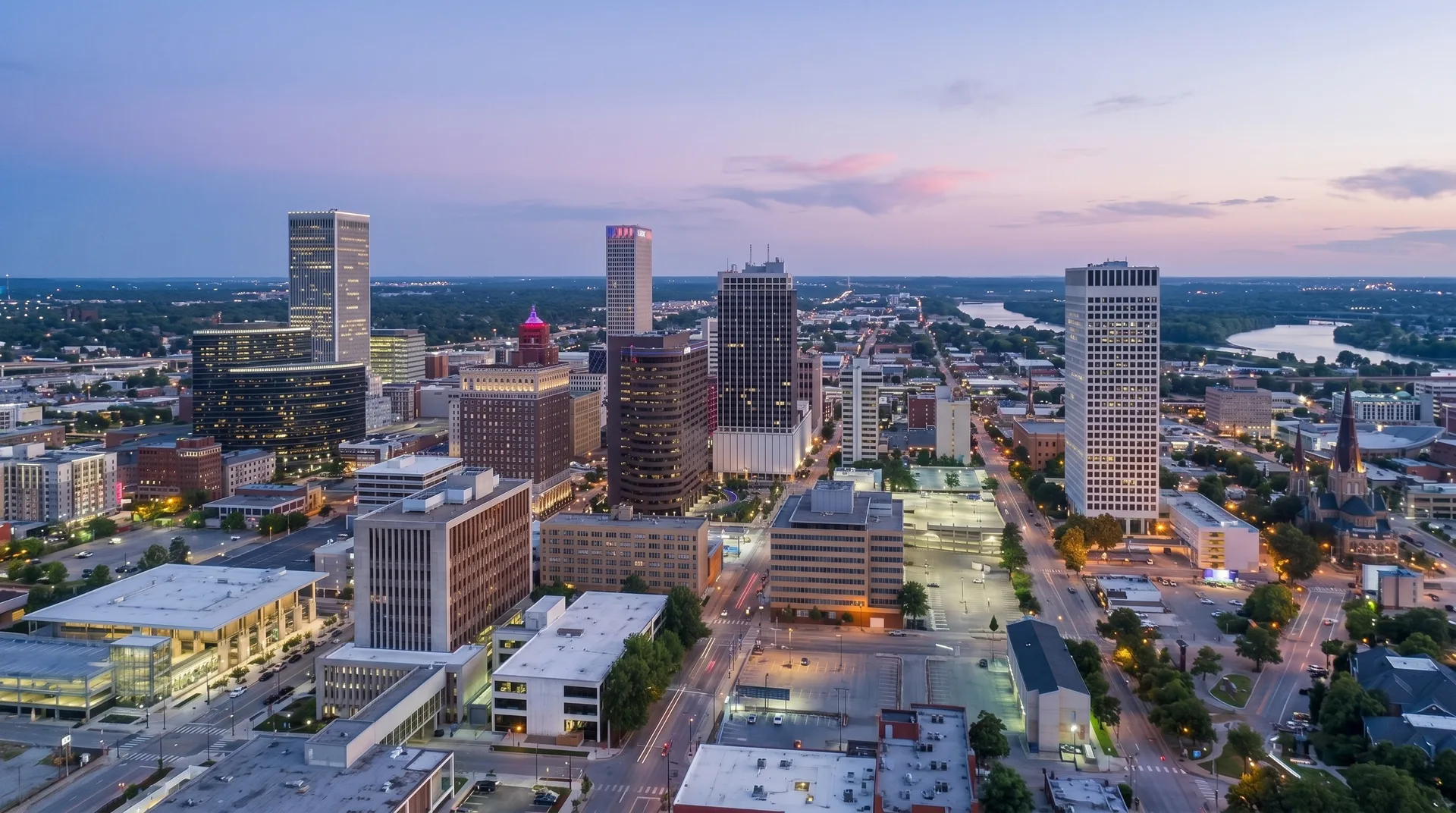
Tulsa
Tulsa, Oklahoma serves as a strategic logistics hub in the central United States, offering excellent connectivity through multiple transportation modes. The city's location provides direct access to major interstate highways including I-44 and I-35, facilitating efficient distribution throughout the Midwest and beyond. Tulsa's economy is anchored by energy, aerospace, manufacturing, and logistics sectors, with numerous warehouses and distribution centers supporting regional and national supply chains. The city's proximity to the Port of Catoosa, the nation's farthest inland seaport, adds waterway transportation capabilities that complement road freight operations.
 Destination
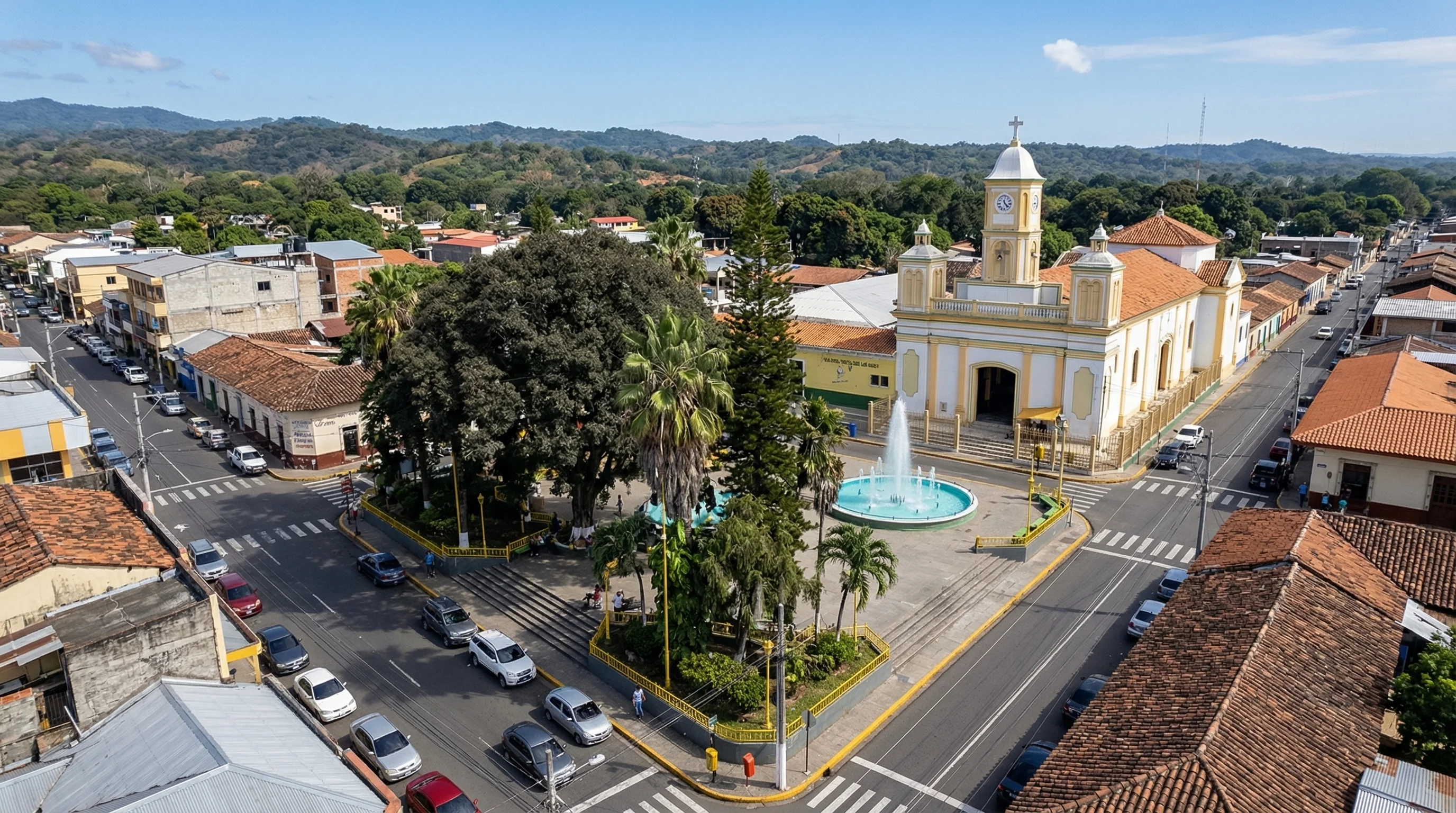
Cojutepeque
Cojutepeque, located in El Salvador's Cuscatlán department, represents a strategic point in Central America's logistics network. The city's central location provides access to San Salvador's major markets within an hour's drive and connects to the Pacific port of Acajutla for international maritime shipping. Cojutepeque's economy is characterized by light manufacturing, food processing, and agricultural production, with growing industrial parks attracting foreign investment. The region's road infrastructure, including the CA-2 and CA-4 highways, supports efficient distribution throughout El Salvador and to neighboring countries, making it an ideal destination for cross-border freight operations.










