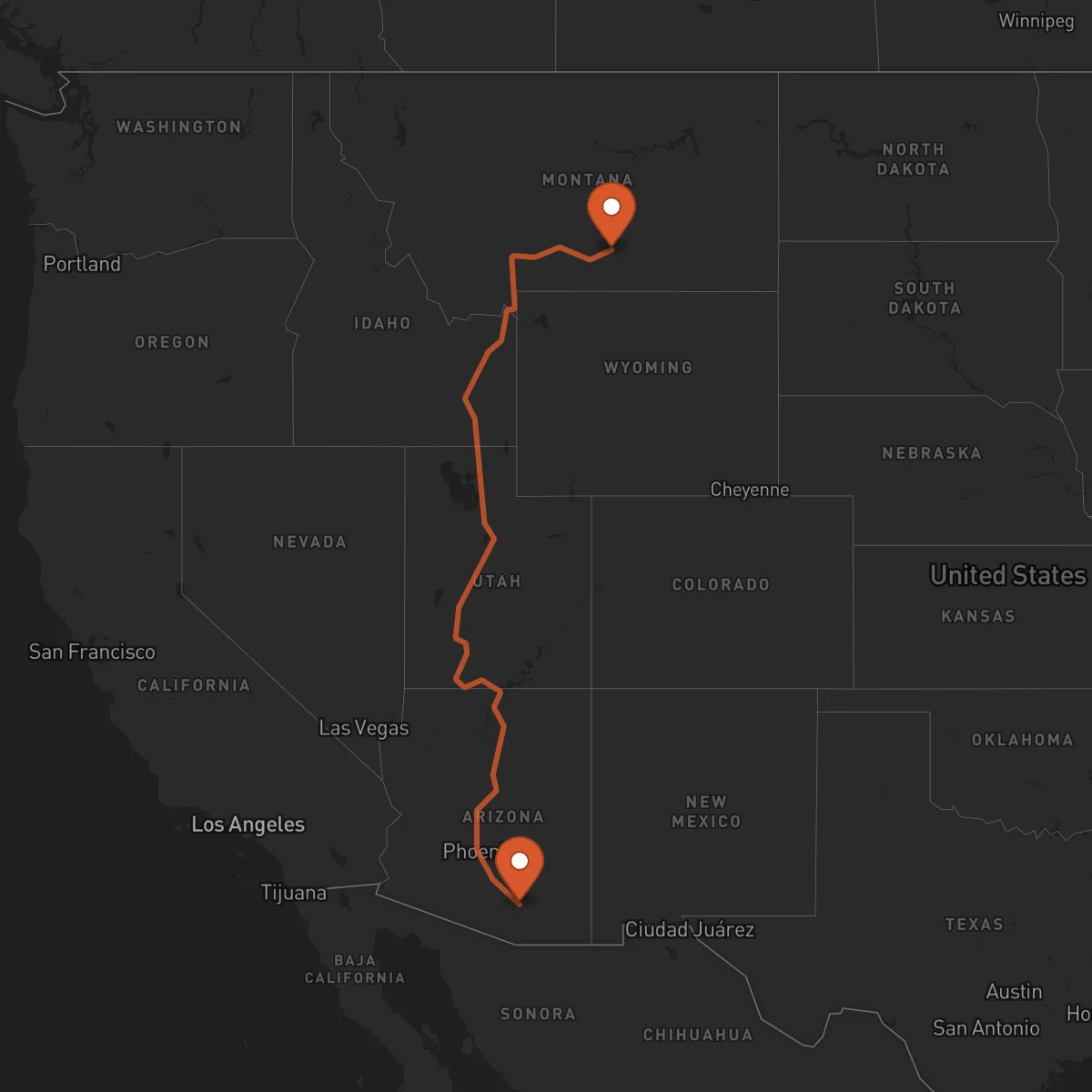
Tucson to Billings
Billings → TucsonFTL freight transportation service between Tucson and Billings. Reliable logistics solutions for your business.
Route Description
Everything you need to know about the corridor Tucson - Billings
The Tucson to Billings corridor represents a vital freight transportation route connecting the southern Arizona industrial hub with the strategic center of Montana. This 1519 km domestic corridor traverses diverse landscapes and economic regions, serving as a crucial link between the southwestern United States and the northern plains. The route facilitates the movement of goods between two economically significant regions, supporting both regional commerce and cross-country supply chains.
The corridor connects Tucson's thriving logistics ecosystem with Billings' position as a major distribution center for the northern Rockies. This route passes through key economic zones including Phoenix, Salt Lake City, and Casper, offering access to major industrial centers along the way. The region's diverse economic activities create substantial freight demand, from agricultural products and manufactured goods to industrial equipment and consumer products.
Control Terrestre specializes in providing dedicated full truckload (FTL) services along this corridor, offering reliable transportation solutions for businesses requiring consistent and secure freight movement. Our strategic partnerships with certified carriers ensure that we can provide the capacity and reliability needed for time-sensitive shipments. We understand the unique challenges of this route, including varying terrain and weather conditions, and have developed expertise in managing these factors to ensure on-time delivery.
Services for this Route
Available services for the corridor Tucson - Billings
 Origin
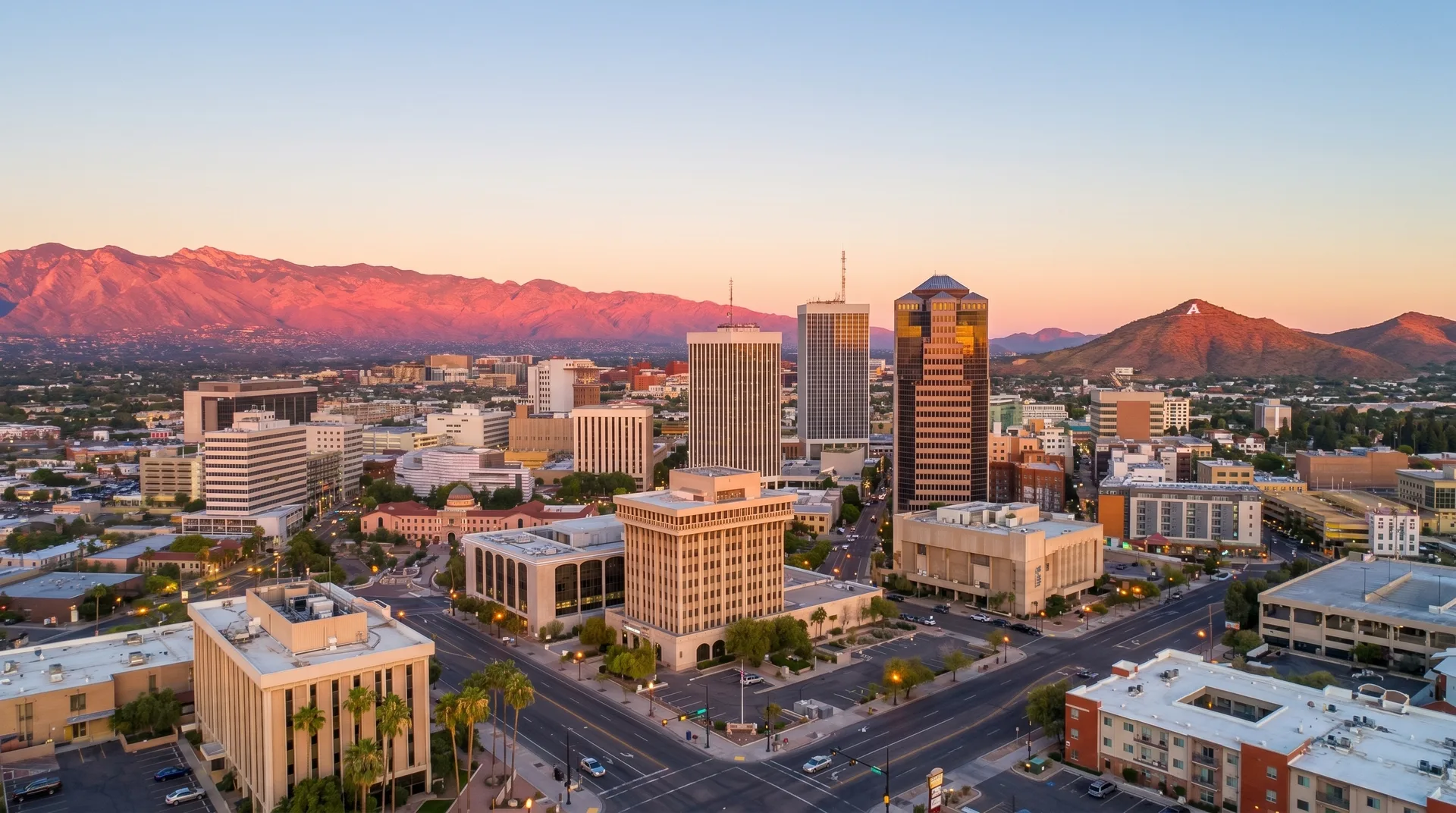
Tucson
Tucson, Arizona serves as a strategic logistics hub in the southwestern United States, offering exceptional connectivity and infrastructure for freight transportation. The city's location near the U.S.-Mexico border and its proximity to major ports of entry make it an ideal origin point for cross-border and domestic freight movements. Tucson's robust transportation infrastructure includes Interstate 10, which provides direct access to major markets across the southern United States, and the Union Pacific Railroad for intermodal transportation options.
The region's economy is diverse, with strong presence in aerospace and defense, mining, agriculture, and manufacturing sectors. Tucson is home to major employers in technology and logistics, creating substantial freight demand for both inbound raw materials and outbound finished products. The city's Sky Harbor International Airport and multiple freight terminals further enhance its capabilities as a logistics center, while its dry climate minimizes weather-related transportation disruptions throughout much of the year.
 Destination
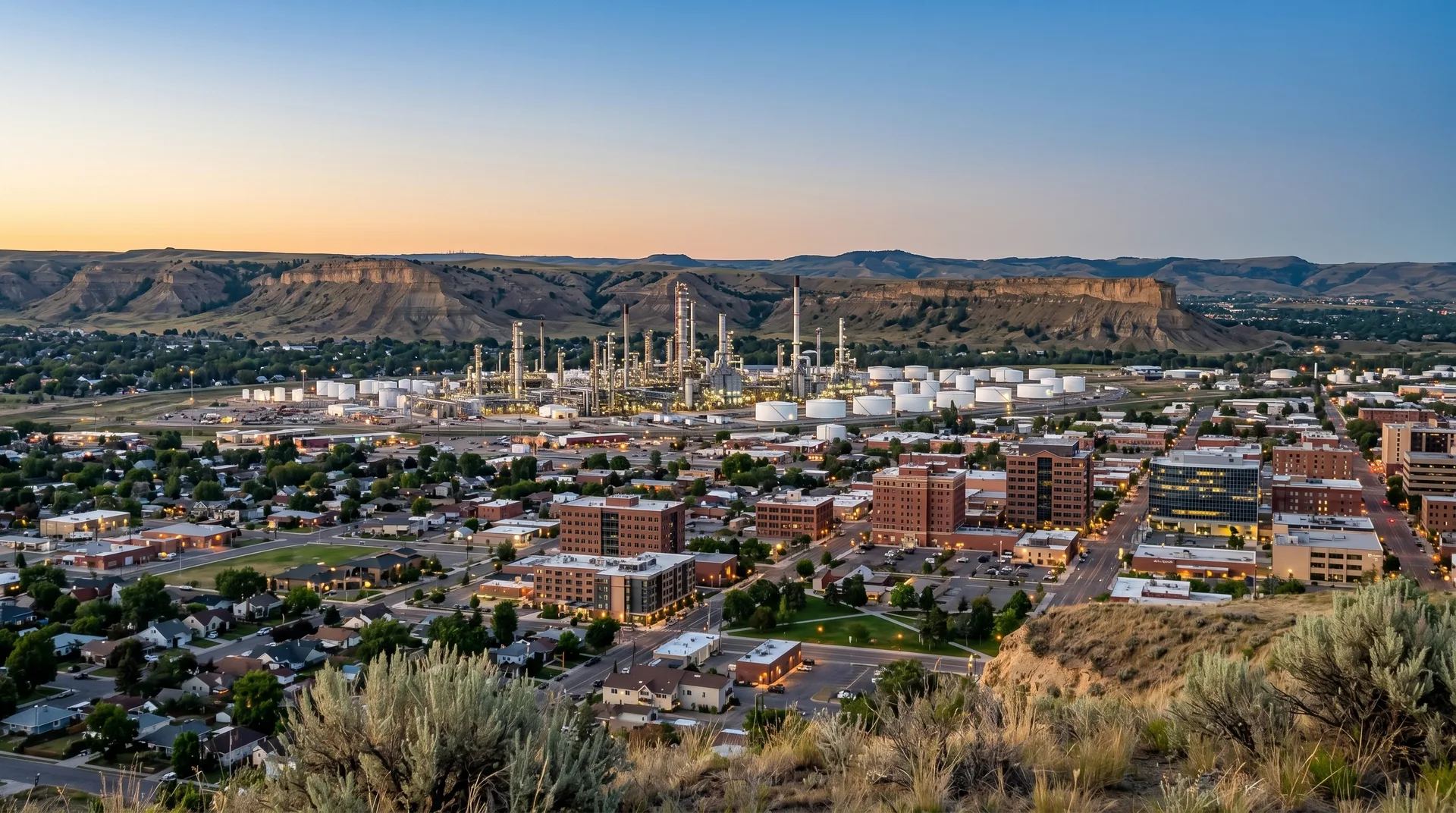
Billings
Billings, Montana stands as the largest city in the state and a crucial logistics hub for the northern Rocky Mountain region. Strategically located at the intersection of major transportation routes, Billings serves as the primary distribution center for Montana and surrounding states. The city's position along Interstate 90 provides direct access to both coastal and inland markets, making it an essential node in the national freight network.
The Billings economy is anchored by energy production, agriculture, healthcare, and retail distribution sectors. The region's vast agricultural output creates significant freight demand for both inbound agricultural inputs and outbound grain, livestock, and processed food products. Billings Logan International Airport and the Burlington Northern Santa Fe Railway provide additional transportation options, while the city's central location makes it an ideal consolidation point for freight distribution throughout the northern plains. The area's infrastructure is well-equipped to handle various freight types, from refrigerated goods to oversized equipment.










