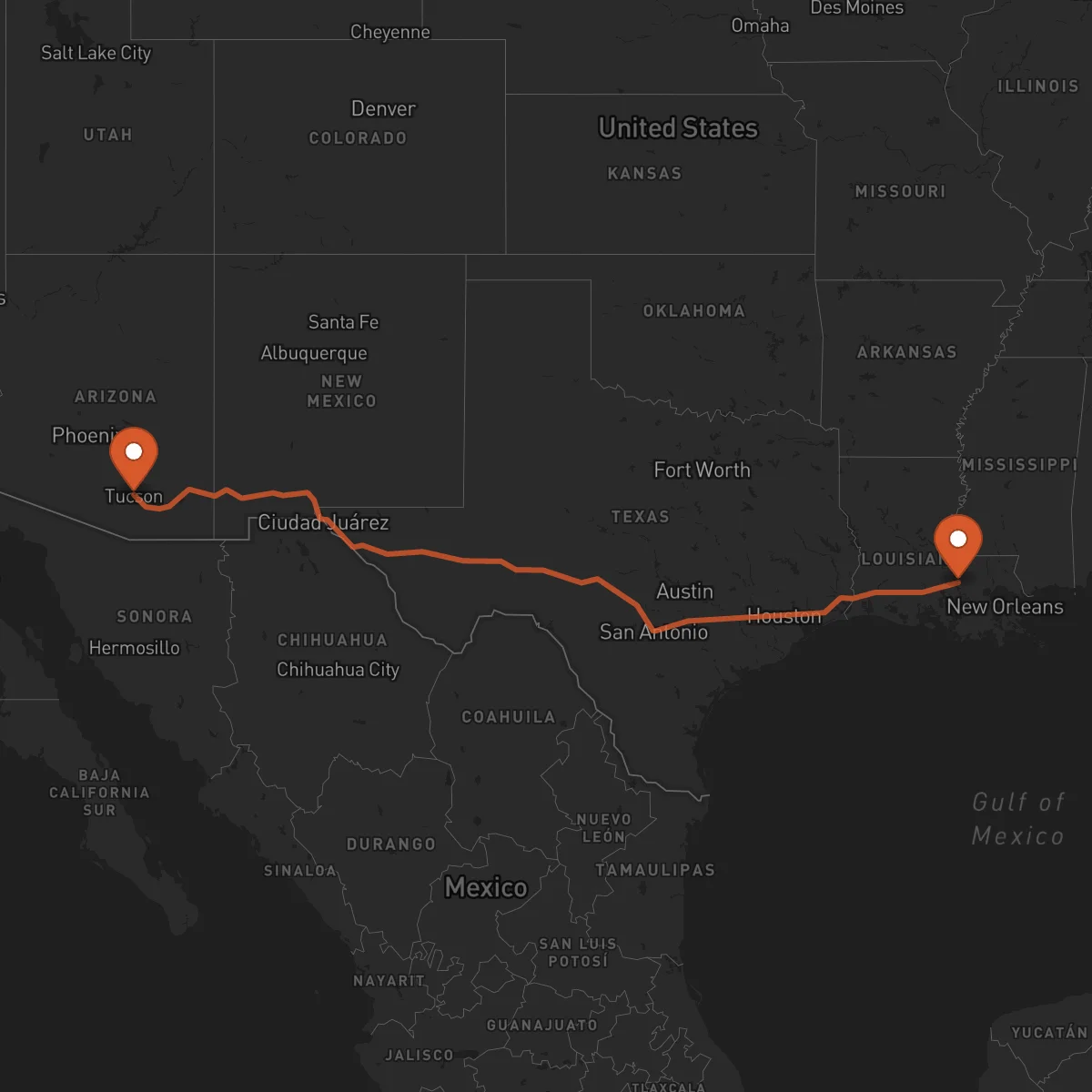
Tucson to Baton Rouge
Baton Rouge → TucsonFTL freight transportation service between Tucson and Baton Rouge. Reliable logistics solutions for your business.
Route Description
Everything you need to know about the corridor Tucson - Baton Rouge
The Tucson to Baton Rouge corridor represents a vital logistics connection spanning approximately 1,887 kilometers across the southern United States. This domestic route links the strategic border region of Arizona with the industrial heart of Louisiana, creating an essential pathway for freight movement between the Southwest and the Gulf Coast. The corridor traverses diverse terrain and crosses multiple state lines, requiring expertise in regional regulations and infrastructure management.
The economic significance of this corridor is substantial, connecting major industrial centers that drive American manufacturing, energy, and agricultural sectors. Tucson serves as a gateway to cross-border trade with Mexico, while Baton Rouge anchors Louisiana's petrochemical and energy industries. This route facilitates the movement of critical materials, finished goods, and industrial equipment between these complementary economic regions.
Key industries utilizing this corridor include automotive manufacturing, aerospace components, agricultural products, petroleum and chemical materials, and industrial machinery. The corridor particularly serves companies requiring reliable full truckload (FTL) transportation for time-sensitive or high-value cargo. Manufacturing facilities, distribution centers, and industrial plants along both ends of the route depend on consistent freight movement to maintain their supply chains.
Control Terrestre provides specialized FTL transportation services along this corridor, leveraging our network of certified carriers and deep understanding of regional logistics requirements. Our team manages the complexities of interstate transportation, ensuring cargo moves efficiently through Arizona, New Mexico, Texas, and Louisiana. We offer dedicated equipment options, real-time tracking, and compliance with all state and federal transportation regulations, making us the trusted partner for companies shipping between Tucson and Baton Rouge.
Services for this Route
Available services for the corridor Tucson - Baton Rouge
 Origin
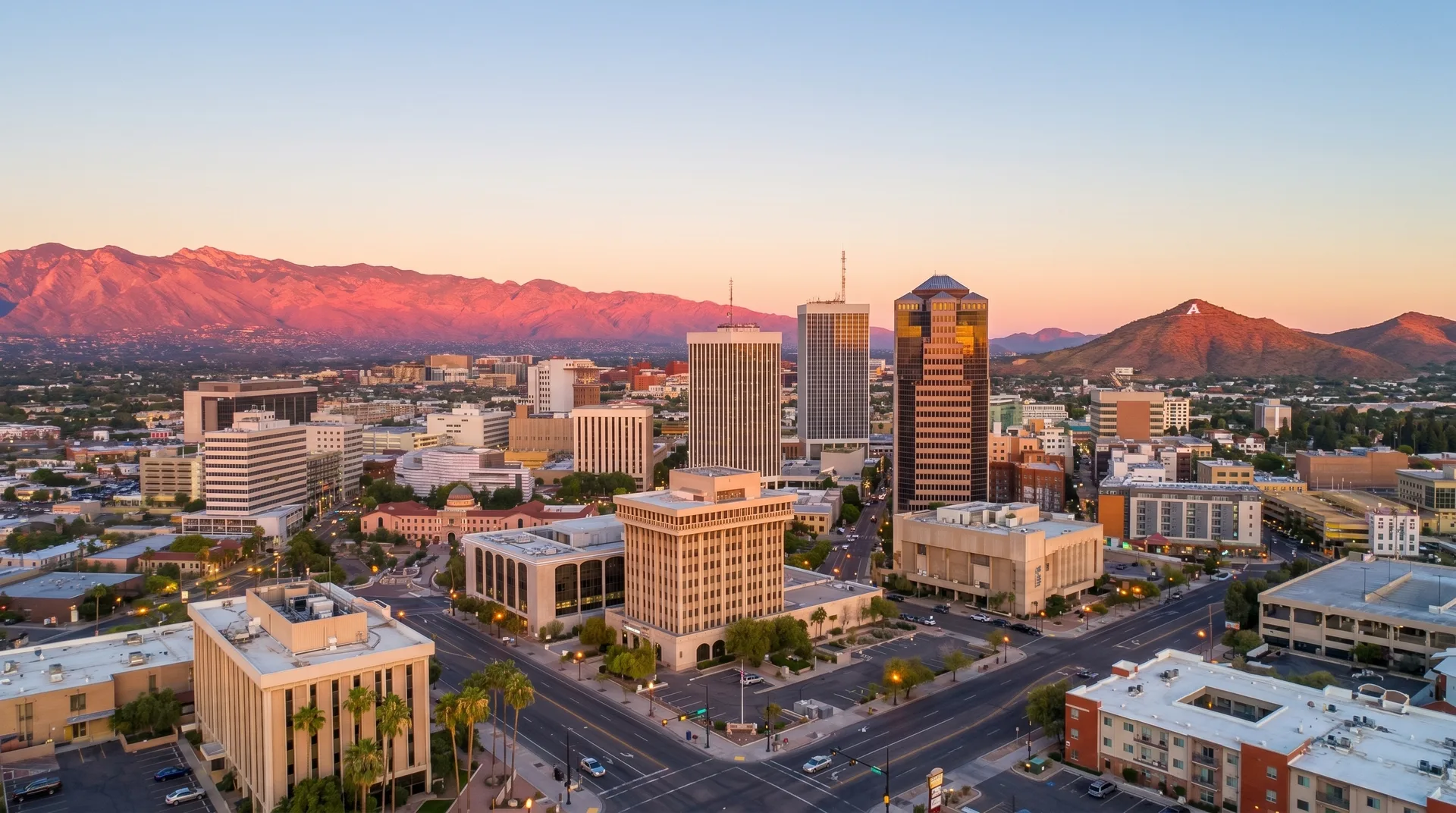
Tucson
Tucson, Arizona serves as a strategic logistics hub positioned at the intersection of major transportation routes and international trade corridors. Located just 100 kilometers from the Mexican border, Tucson provides direct access to cross-border freight movements and serves as a critical gateway for trade between the United States and Mexico. The city's proximity to major ports of entry and its position along Interstate 10 make it an ideal origin point for freight distribution throughout the southwestern United States.
The region's economy is diverse, with strong presence in aerospace and defense manufacturing, mining and mineral processing, electronics production, and agricultural exports. Tucson is home to major industrial parks and distribution centers that support both domestic and international supply chains. The area's logistics infrastructure includes multiple interstate highways, rail connections, and proximity to Tucson International Airport, providing multimodal transportation options for shippers.
 Destination
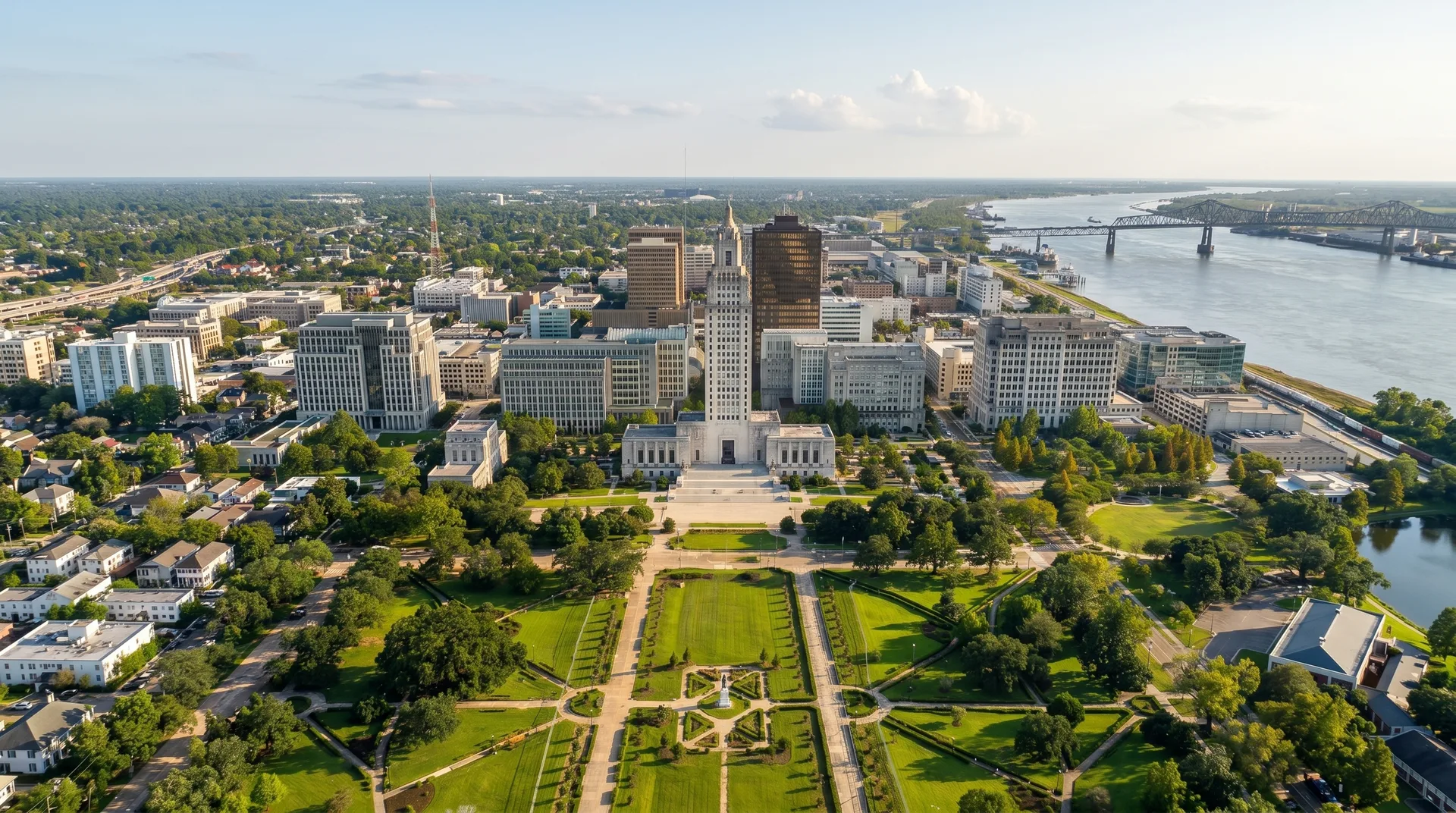
Baton Rouge
Baton Rouge, Louisiana stands as a major industrial and logistics center along the Gulf Coast, strategically positioned at the intersection of the Mississippi River and major interstate highways. The city's location provides direct access to the Port of Greater Baton Rouge, one of the nation's top ports by tonnage, as well as connections to the extensive inland waterway system. This positioning makes Baton Rouge a crucial destination for freight moving between the central United States and international markets.
The Baton Rouge metropolitan area is dominated by the petrochemical industry, with numerous refineries, chemical plants, and manufacturing facilities concentrated along the Mississippi River corridor. The region also supports significant agricultural processing, advanced manufacturing, and technology sectors. The city's robust transportation infrastructure includes Interstate 10, Interstate 12, extensive rail networks, and the port facilities, creating a comprehensive logistics ecosystem that handles millions of tons of freight annually.










