Totonicapán to Austin
Austin → TotonicapánFTL freight transportation service between Totonicapán and Austin. Reliable logistics solutions for your business.
Route Description
Everything you need to know about the corridor Totonicapán - Austin
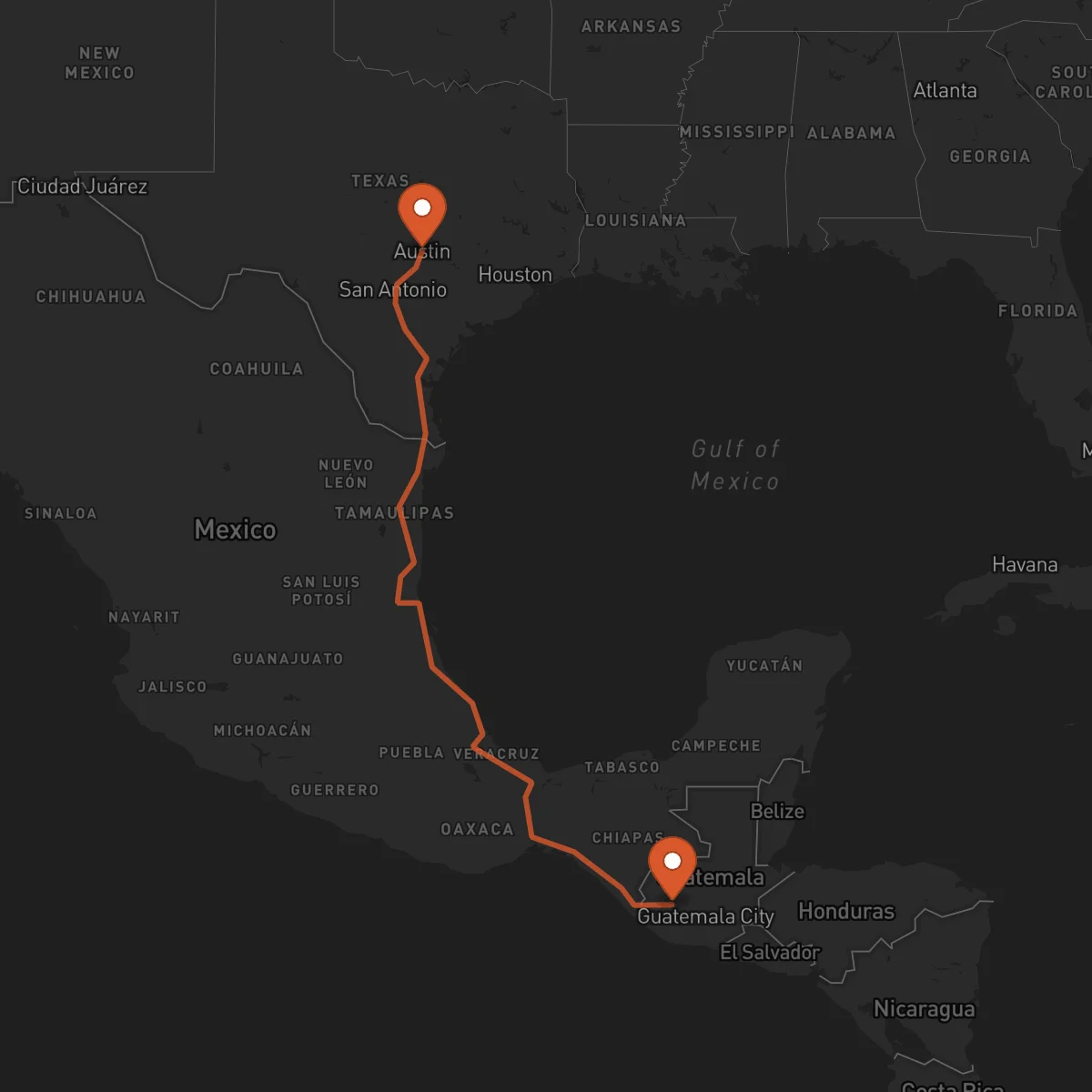
The logistics corridor between Totonicapán, Guatemala, and Austin, Texas, represents a vital trade link connecting Central America with the United States. This cross-border route spans approximately 1,827 kilometers and serves as a strategic artery for commerce between the two regions. The corridor facilitates the movement of goods from Guatemala's industrial and agricultural heartland to one of Texas's most dynamic economic centers, supporting growing trade relationships between the two countries.
The route traverses diverse terrain, from Guatemala's mountainous highlands through Mexico's central regions, before crossing into Texas. Key transportation infrastructure includes Mexico's Federal Highway 190 and Highway 180, connecting to major U.S. interstate systems. The corridor typically utilizes border crossings such as Laredo or McAllen-Hidalgo, depending on specific routing and customs requirements. Control Terrestre's expertise in navigating these cross-border operations ensures seamless freight movement through proper documentation, customs clearance, and compliance with all regulatory requirements.
This corridor serves multiple industries, with electronics, automotive components, textiles, and agricultural products being among the most common freight categories. Austin's thriving technology sector and manufacturing base create demand for specialized logistics services, while Totonicapán's industrial parks and agricultural producers require reliable outbound transportation. Control Terrestre provides dedicated full truckload (FTL) services along this route, offering businesses the capacity and reliability needed for their cross-border shipping requirements.
Services for this Route
Available services for the corridor Totonicapán - Austin
 Origin
Totonicapán
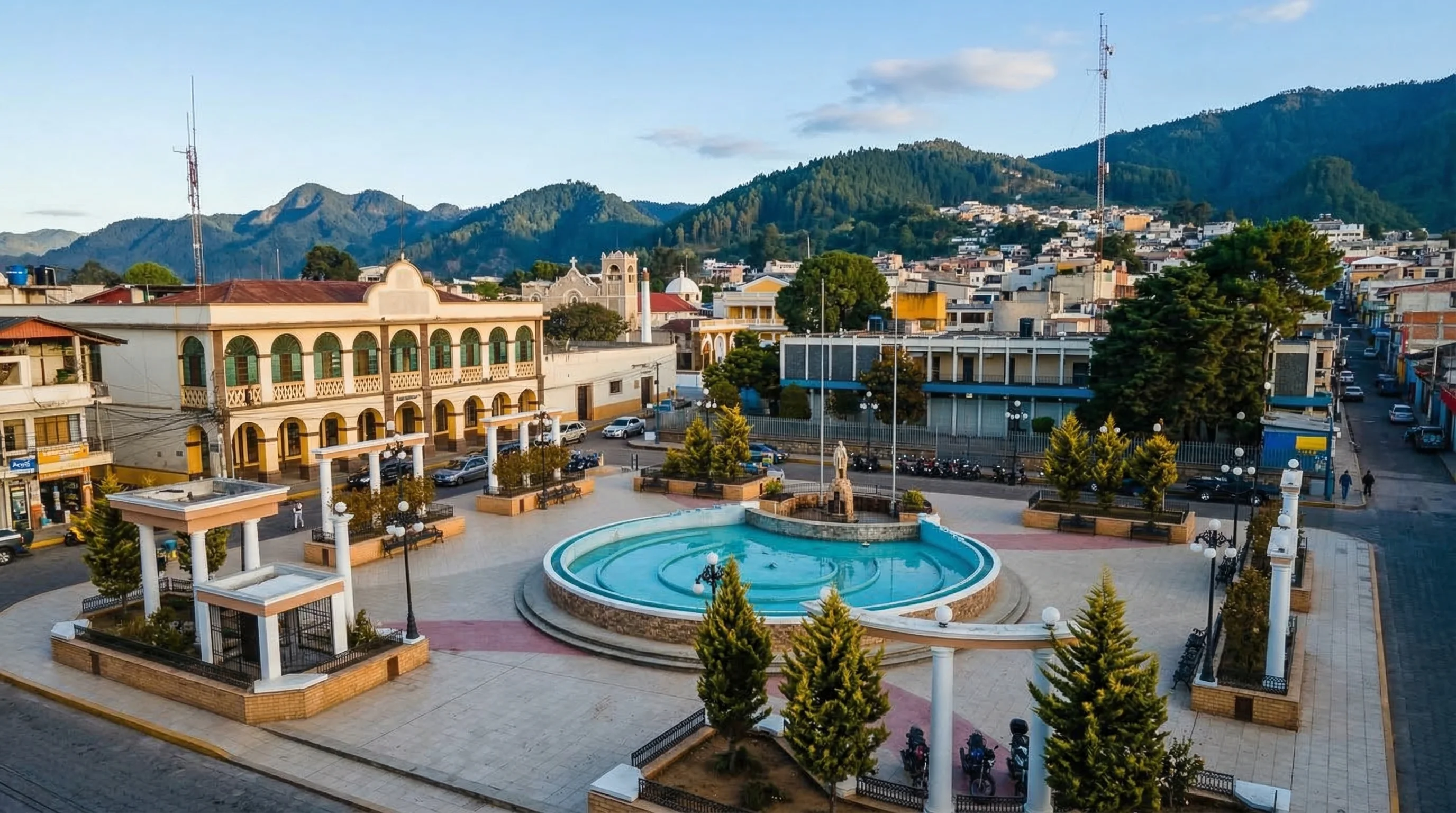
Totonicapán, located in Guatemala's western highlands, serves as a strategic logistics hub for the region's industrial and agricultural sectors. The city benefits from its position within Guatemala's industrial corridor, with proximity to major production centers in Quetzaltenango and surrounding areas. Totonicapán's economy centers on textile manufacturing, food processing, and agricultural products, with numerous industrial parks and manufacturing facilities in the surrounding region. The area's transportation infrastructure includes access to Guatemala's CA-1 Pan-American Highway, providing connections to major ports and border crossings. Local logistics providers offer warehousing and distribution services, supporting both domestic and international trade flows.
 Destination
Austin
Austin, Texas, stands as a major logistics and economic center in the southwestern United States, offering strategic advantages for cross-border trade. The city's location provides access to major transportation networks, including Interstate 35, which connects directly to the Mexican border and beyond. Austin's diverse economy encompasses technology, manufacturing, healthcare, and education sectors, creating substantial demand for freight transportation services. The metropolitan area features modern warehousing facilities, distribution centers, and intermodal terminals that support efficient cargo handling. Austin's position within Texas's extensive transportation infrastructure network makes it an ideal destination for goods arriving from Central America, with excellent connections to other major U.S. markets.










