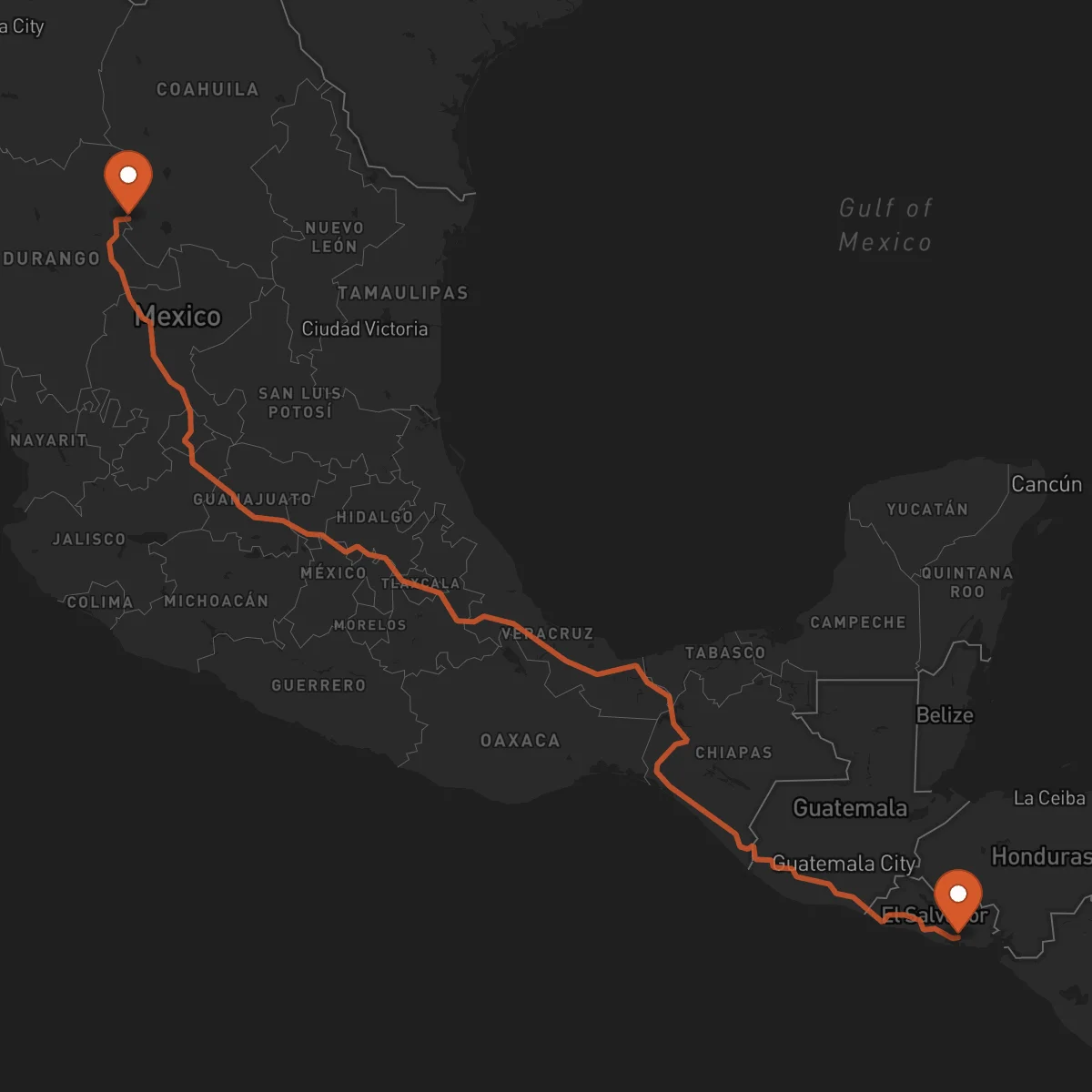
Torreón to Usulután
Usulután → TorreónFTL freight transportation service between Torreón and Usulután. Reliable logistics solutions for your business.
Route Description
Everything you need to know about the corridor Torreón - Usulután
The Torreón to Usulután corridor is a vital cross-border logistics artery connecting Mexico's industrial heartland with Central America's growing markets. Spanning approximately 2,071 kilometers, this route serves as a critical trade link, facilitating the movement of goods between North and Central America and supporting regional economic integration. Its strategic importance lies in bridging major manufacturing zones in northern Mexico with key consumption and production hubs in El Salvador and beyond, enabling efficient supply chain connectivity for businesses operating across the region.
Economically, the corridor traverses areas of significant industrial and agricultural output. Northern Mexico, particularly the Laguna region encompassing Torreón, is a powerhouse for automotive, textile, and metal-mechanic manufacturing. As the route progresses south through Mexico and into Central America, it supports the export of these value-added goods while facilitating the northbound flow of agricultural products, raw materials, and consumer goods. El Salvador's economy, with its focus on agriculture (coffee, sugar), textiles, and light manufacturing, relies on such corridors for both import and export activities.
Key industries utilizing this corridor include automotive parts manufacturers, textile and apparel producers, agricultural commodity traders, and companies in the food and beverage sector. The transportation of machinery, industrial components, and consumer goods is constant, driven by the integrated manufacturing networks of the region. Control Terrestre's exclusive focus on full truckload (FTL) services is ideally suited for the high-volume, time-sensitive shipments typical of these sectors.
The primary transportation infrastructure relies on Mexico's Federal Highway 40D (the Autopista Torreón-Saltillo) and the broader federal highway network southward, connecting to Central American Highway CA-1. The most significant border crossing is at Ciudad Hidalgo, Mexico / El Ceibo, Guatemala, which handles substantial freight traffic. Navigating the complex customs and regulatory requirements of three countries—Mexico, Guatemala, and El Salvador—requires expertise in documentation, compliance, and cross-border procedures. Control Terrestre leverages its strategic alliance of certified providers (holding C-TPAT, FAST, and BASC certifications) to manage these complexities seamlessly. We coordinate the entire journey, ensuring secure, efficient, and compliant door-to-door FTL transport, effectively turning this long-distance corridor into a reliable, single-point-of-contact solution for our clients' supply chains.
Services for this Route
Available services for the corridor Torreón - Usulután
 Origin
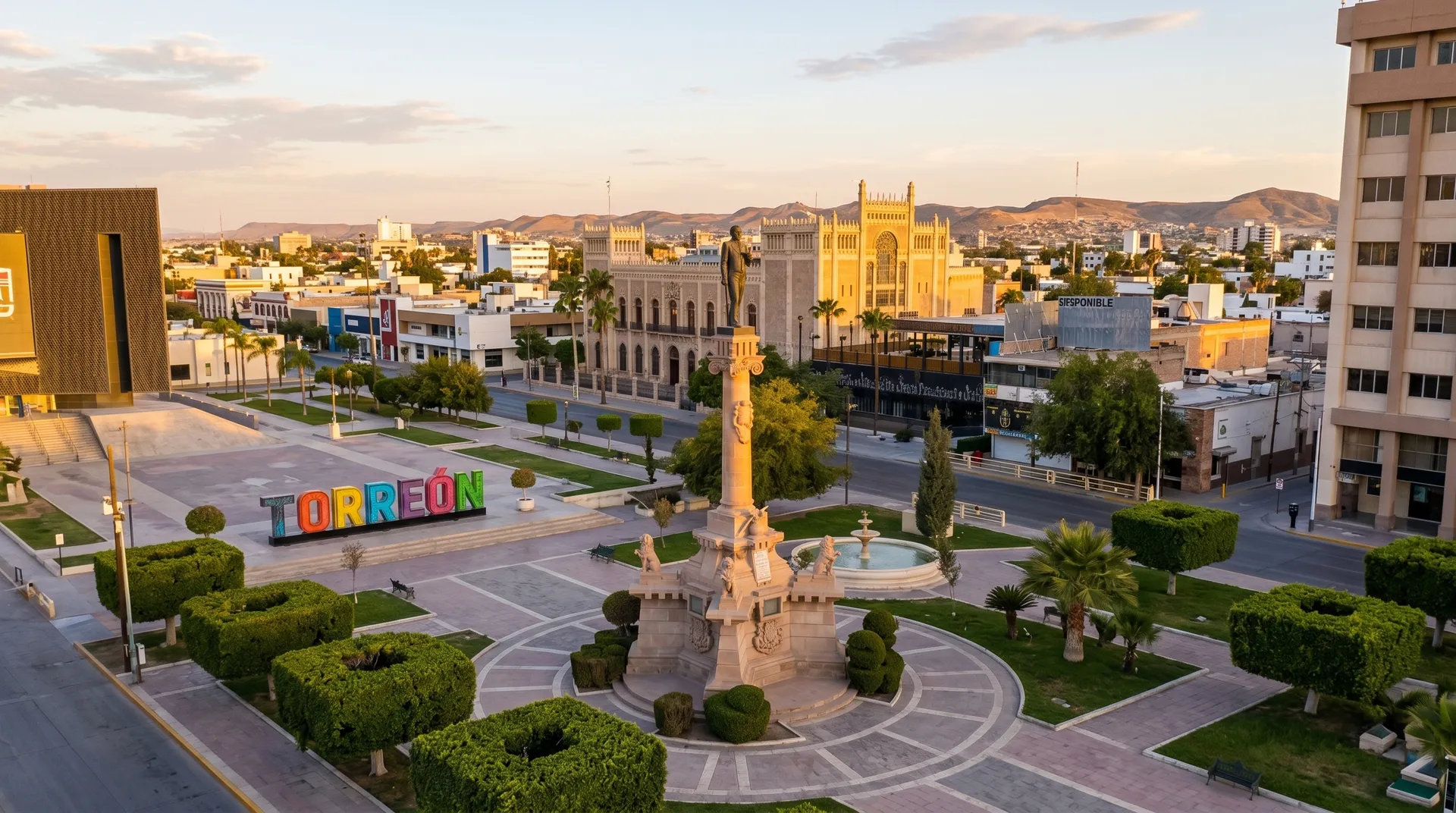
Torreón, located in the state of Coahuila within the Laguna region, is a pivotal logistics and industrial hub in northern Mexico. Its strategic location is defined by proximity to the U.S. border (about 200 km from Laredo, Texas), excellent connectivity via major highways like Federal Highway 40D, and a robust multimodal infrastructure that includes rail lines and the Torreón International Airport. This makes it a primary origin point for goods destined for both the U.S. and Central America.
The economy of Torreón and the Laguna region is heavily industrialized, with dominant sectors including automotive manufacturing (engines, parts), textile and garment production, metal-mechanics, and food processing. The presence of major industrial parks and maquiladoras generates consistent high-volume freight requiring full truckload transport. Additionally, the surrounding region is agriculturally productive, with outputs like cotton, alfalfa, and livestock contributing to the freight flow.
For freight transportation, Torreón benefits from a mature network of carriers and logistics providers. Key infrastructure includes the aforementioned highway network, which feeds directly into the primary north-south corridor toward Mexico City and the southern border. The city's equipped industrial zones have direct loading docks and facilities capable of handling diverse equipment types, from dry vans and reefers to flatbeds for oversized industrial cargo, making it a highly efficient launch point for cross-continental FTL shipments.
 Destination
Usulután
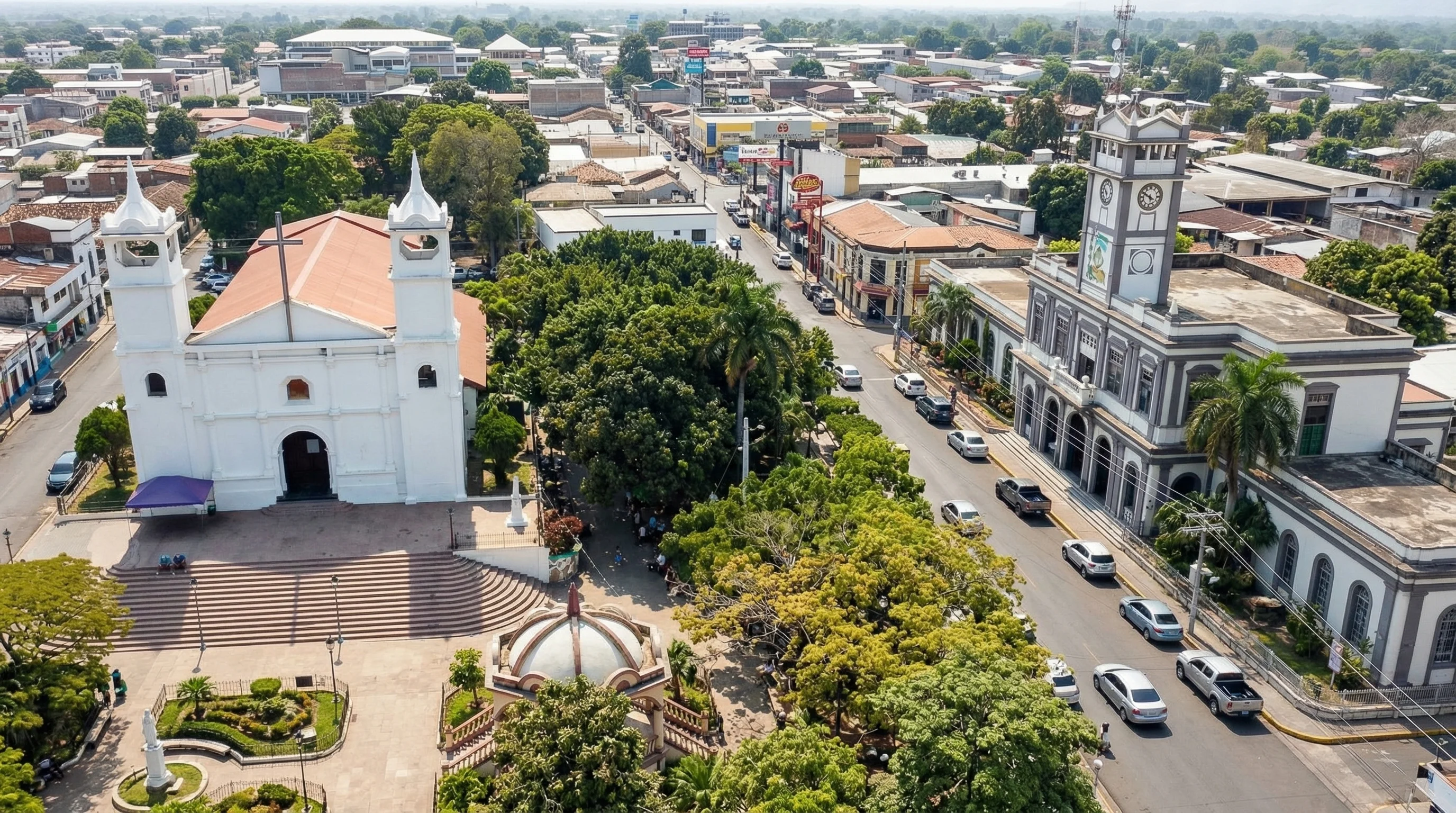
Usulután, the capital of the department of the same name in eastern El Salvador, holds a strategic logistic position as a key gateway in Central America. It serves as a central distribution node for the eastern region of El Salvador and provides direct access to the coastal port of La Unión, the country's primary Atlantic port. Its location along the CA-1 highway (the Pan-American Highway) establishes it as a critical junction for land transport connecting El Salvador to neighboring Honduras and Guatemala, and ultimately to the rest of the Central American isthmus.
The economic landscape of Usulután is diverse, with agriculture forming the backbone—particularly renowned for coffee production, sugar cane, and tropical fruits. The region also has a significant presence of livestock and emerging light manufacturing, including textile mills and food processing plants. This creates a steady demand for both inbound raw materials (like fertilizers, machinery, and packaging) and outbound finished goods, all requiring reliable full truckload transport.
Logistics infrastructure in and around Usulután is tailored to support regional trade. The CA-1 highway provides the main north-south and east-west terrestrial artery. The nearby Port of La Unión is crucial for maritime connections, enabling seamless intermodal transfers for international trade. For land-based freight, the highway network connects efficiently to major Salvadoran economic centers like San Salvador and to the border crossings with Honduras (El Amatillo) and Guatemala (San Cristóbal). This infrastructure supports the movement of various equipment types, including reefers for agricultural exports and dry vans for manufactured goods, solidifying Usulután's role as a vital logistics destination in the corridor.










