Torreón to Las Tablas
Las Tablas → TorreónFTL freight transportation service between Torreón and Las Tablas. Reliable logistics solutions for your business.
Route Description
Everything you need to know about the corridor Torreón - Las Tablas
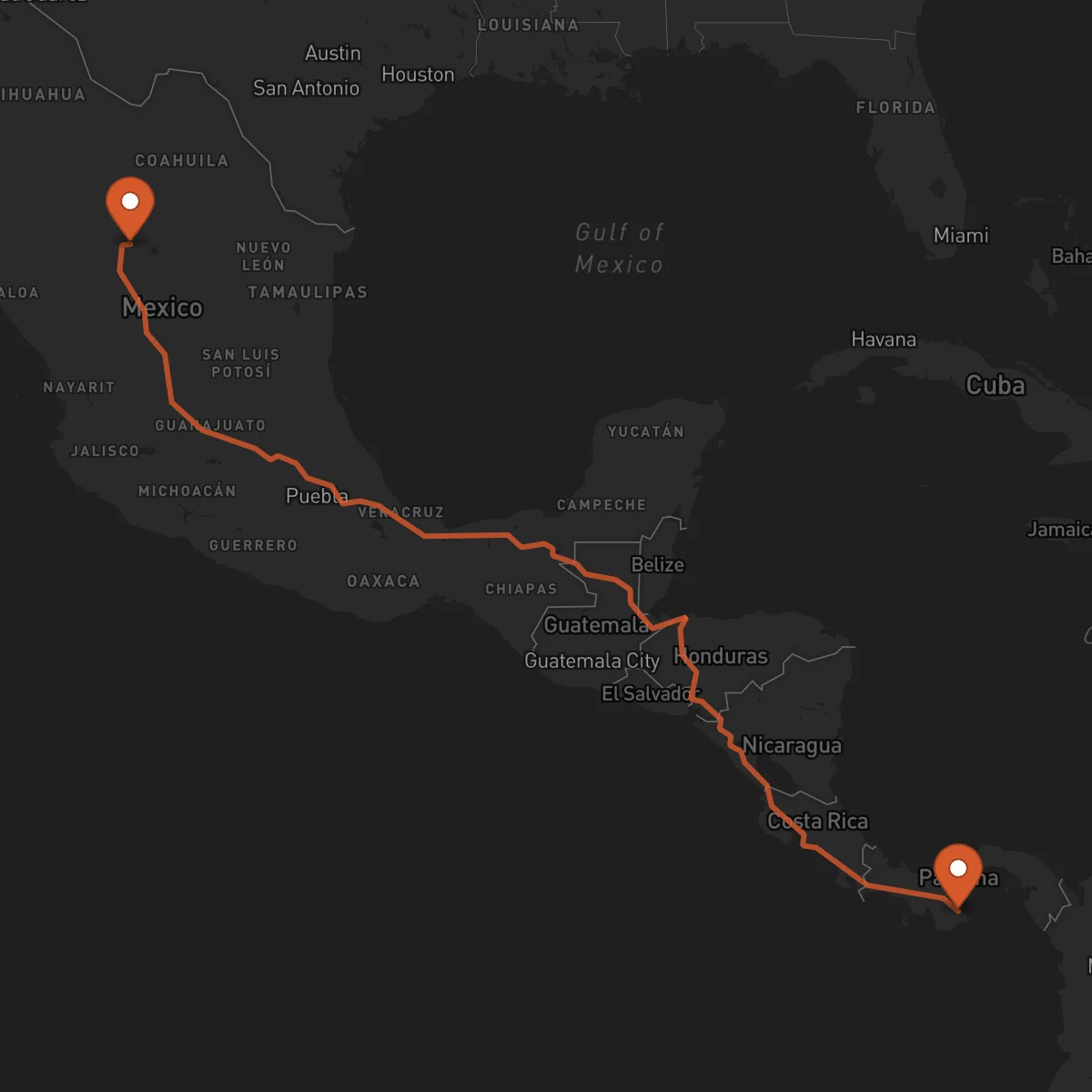
The logistics corridor connecting Torreón, Coahuila, México, to Las Tablas, Los Santos, Panamá, represents a critical north-south artery for full truckload (FTL) freight across Central America. This strategic route facilitates the seamless movement of goods between the industrial heartland of northern Mexico and the productive regions of southern Central America, serving as a vital supply chain link for industries on both ends. The journey traverses multiple countries—Mexico, Guatemala, El Salvador, Honduras, Nicaragua, Costa Rica, and Panama—requiring sophisticated coordination of cross-border logistics, customs compliance, and diverse transportation regulations.Control Terrestre leverages its robust alliance of certified providers to navigate this complex international corridor. Our partners hold key certifications including C-TPAT, FAST, and BASC, ensuring secure and efficient transit through each nation's customs processes. The corridor primarily follows the Pan-American Highway network, a foundational infrastructure that, despite challenges like the Darien Gap, remains the primary overland route. We manage the intricate logistics of border crossings, such as the Mexico-Guatemala frontier at Ciudad Hidalgo/Tecún Umán, and subsequent Central American checkpoints, handling documentation and regulatory adherence to minimize delays. For shippers, this corridor supports the flow of manufactured goods, agricultural products, and industrial materials, making it essential for regional trade. Our role is to provide a single, reliable point of contact, orchestrating the entire FTL journey with a focus on transparency and operational reliability, turning a multinational challenge into a streamlined door-to-door solution.
The economic vitality of this corridor is driven by the complementary industrial and agricultural outputs of the regions it connects. Northern Mexico, particularly the Laguna region around Torreón, is a powerhouse for manufacturing, automotive parts, and agro-industry. Meanwhile, Central America, including Panama's Los Santos province, is renowned for its agricultural exports—coffee, seafood, fruits, and livestock products—and growing light manufacturing. This creates a consistent, bidirectional demand for dedicated and specialized FTL capacity. Industries such as food and beverage (requiring refrigerated transport), agriculture, construction materials, and consumer goods rely heavily on this route to access broader markets. The corridor's importance is magnified by its role in supporting supply chains that bypass longer maritime routes, offering a time-competitive alternative for time-sensitive or high-value cargo moving between the US/Mexico nexus and South American markets.
Transportation infrastructure along this route is a study in adaptation, utilizing the Pan-American Highway system as its backbone. From Torreón, trucks typically head south via Mexican Federal Highway 40/49 to the border, then continue on CA-1 through Guatemala, El Salvador, and Honduras. The route proceeds through Nicaragua and Costa Rica on the Pan-American, finally entering Panama via the CA-1, which becomes the Pan-American Highway again, terminating near Las Tablas. Each country segment presents unique operational considerations, from road conditions and toll systems to local transport regulations. The most significant logistical hurdle remains the border crossings, where customs procedures, documentation (such as the Central American Single Customs Document), and inspections vary by nation. Control Terrestre's expertise lies in pre-empting these variables. We coordinate with our vetted carrier network to ensure all equipment—from dry vans and reefers to flatbeds for oversized cargo—meets the specific requirements of each country and is operated by drivers versed in the corridor's nuances. Our service model absorbs the complexity of multinational transit, providing clients with the simplicity of a single contract for a door-to-door FTL shipment across seven countries.
Services for this Route
Available services for the corridor Torreón - Las Tablas
 Origin
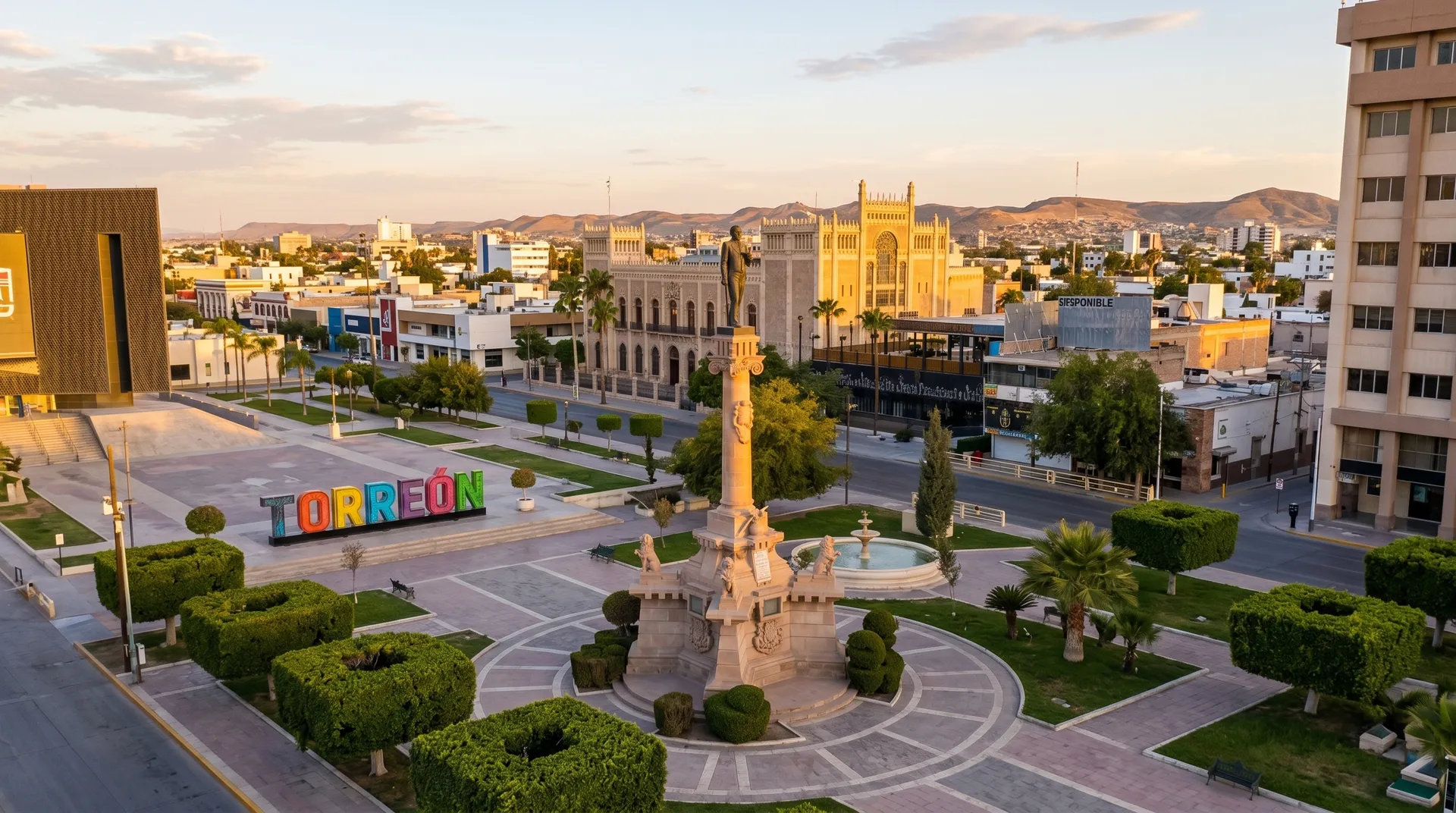
Torreón, located in the Laguna region of Coahuila, México, is a pivotal industrial and agricultural hub with exceptional strategic value for logistics. Its geographic position in northern Mexico offers direct access to the US border (via Ciudad Juárez/El Paso and other crossings) and serves as the primary launch point for north-south corridors into Central America. The city is surrounded by the productive Comarca Lagunera, one of Mexico's most important agricultural zones, producing cotton, alfalfa, corn, and dairy. Economically, it is dominated by robust manufacturing sectors, including automotive (with major plants and suppliers), metal mechanics, textiles, and food processing. This industrial diversity generates significant outbound freight demand for raw materials inbound and finished goods outbound. The transportation infrastructure is highly developed, anchored by the Torreón International Airport (TRC) for air cargo and a dense network of major federal highways. Fed 40 and Fed 49 are the critical arteries, providing efficient connections to the US border to the north and to the main southbound route toward the Guatemala border. This established road infrastructure, combined with its status as a major economic center, makes Torreón an optimal origin point for long-haul FTL shipments destined for Central America, capable of handling high volumes of diverse cargo types from dedicated manufacturing runs to agricultural exports.
 Destination
Las Tablas
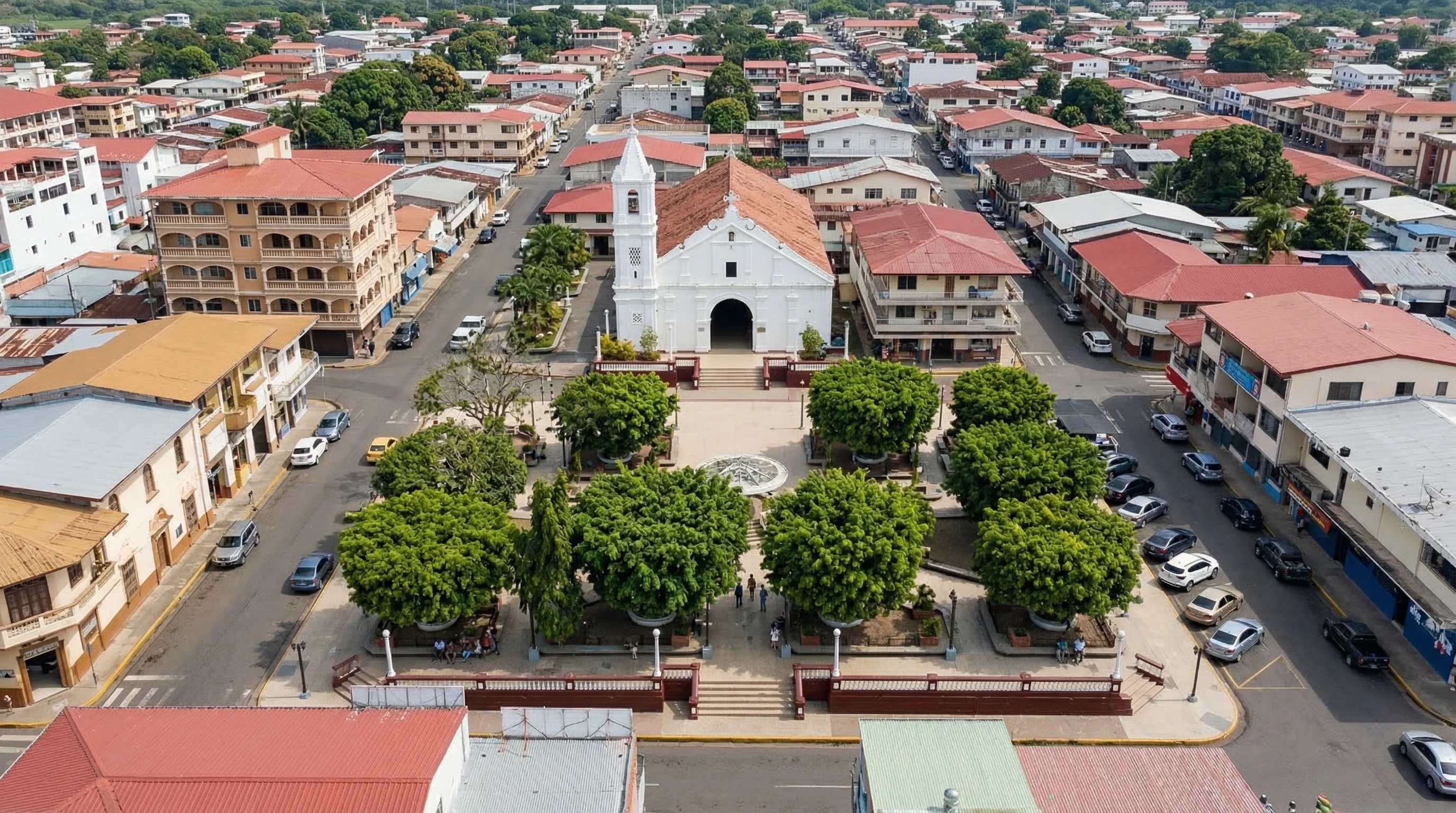
Las Tablas, the capital of the Los Santos province in Panama, holds a strategic coastal location that serves as a key logistics gateway for the Azuero Peninsula and southern Central America. Its importance stems from its position on the Pan-American Highway, the final overland segment before the route concludes, making it a natural consolidation and distribution point for goods entering Panama from the north. The province's economy is fundamentally driven by high-value agriculture, particularly coffee (from the adjacent highlands), sugarcane, and extensive livestock (cattle and pork). Additionally, fishing and seafood processing are major industries, supported by its Pacific coastal access. Tourism, especially around the nearby beach towns, also contributes to regional freight needs. The transportation infrastructure is centered on the Pan-American Highway (CA-1), which provides the direct overland link from the Costa Rican border. While Panama boasts the world-class Panama Canal and the Colon Free Zone for maritime and containerized cargo, Las Tablas' role for Control Terrestre's FTL services is as the terminus for the overland corridor. The road network within the province connects agricultural heartlands to this highway terminus. For shippers, Las Tablas represents the efficient last-mile destination for full truckloads of imported goods—from machinery and packaged foods to agricultural inputs—serving the commercial and production centers of Los Santos and facilitating onward distribution within Panama's well-developed domestic road system.










