
Torreón to Trujillo
Trujillo → TorreónFTL freight transportation service between Torreón and Trujillo. Reliable logistics solutions for your business.
Route Description
Everything you need to know about the corridor Torreón - Trujillo
The logistics corridor connecting Torreón, Coahuila, México, to Trujillo, Colón, Honduras, represents a critical north-south trade artery through Central America. Spanning approximately 2,104 km, this cross-border route bridges the industrial heartland of northern Mexico with the Caribbean port gateway of Honduras, facilitating the efficient movement of goods across international boundaries. Its strategic importance lies in enabling seamless trade between major manufacturing centers and key consumer markets, supporting supply chains that require reliability and precision. Control Terrestre leverages this corridor to provide dedicated full truckload (FTL) solutions, ensuring that cargo moves securely and efficiently from origin to destination without the complexities of consolidated freight.
Economically, this corridor serves vibrant industrial zones. Northern Mexico, including the Laguna region where Torreón is located, is a powerhouse for automotive, metal mechanics, and agroindustry. Honduras, with Trujillo as a pivotal port, supports agriculture (bananas, palm oil), textiles, and light manufacturing. The primary industries utilizing this route include automotive parts manufacturers, agricultural commodity exporters, consumer goods producers, and companies involved in Central American distribution. The flow of raw materials inbound to Mexico and finished goods outbound to Central American markets defines the corridor's commercial rhythm.
Infrastructure is anchored by major highways: Mexican Federal Highway 40D from Torreón to the border, and Central American Highway CA-5 through Guatemala and Honduras to Trujillo. The principal border crossing is at Tecún Umán, between Mexico and Guatemala, which requires meticulous customs clearance. Key considerations include compliance with Mexican, Guatemalan, and Honduran regulations, as well as documentation for cross-border transit. Control Terrestre’s network of providers holds essential certifications—C-TPAT, FAST, BASC, and Clean Transportation—which streamline border processes, reduce delays, and ensure adherence to security and safety protocols for hazardous or specialized cargo.
We facilitate operations on this corridor by acting as a single point of contact through our robust alliance of transportation partners. Our expertise in cross-border logistics, combined with dedicated FTL capacity and specialized equipment (including dry vans, reefers, and flatbeds), allows us to tailor solutions for oversized, refrigerated, or urgent shipments. We manage the entire door-to-door journey, coordinating border crossing logistics and leveraging our providers’ certifications to navigate customs efficiently. This ensures our clients benefit from a human-centric, transparent service that optimizes their supply chain along this vital route.
Services for this Route
Available services for the corridor Torreón - Trujillo
 Origin
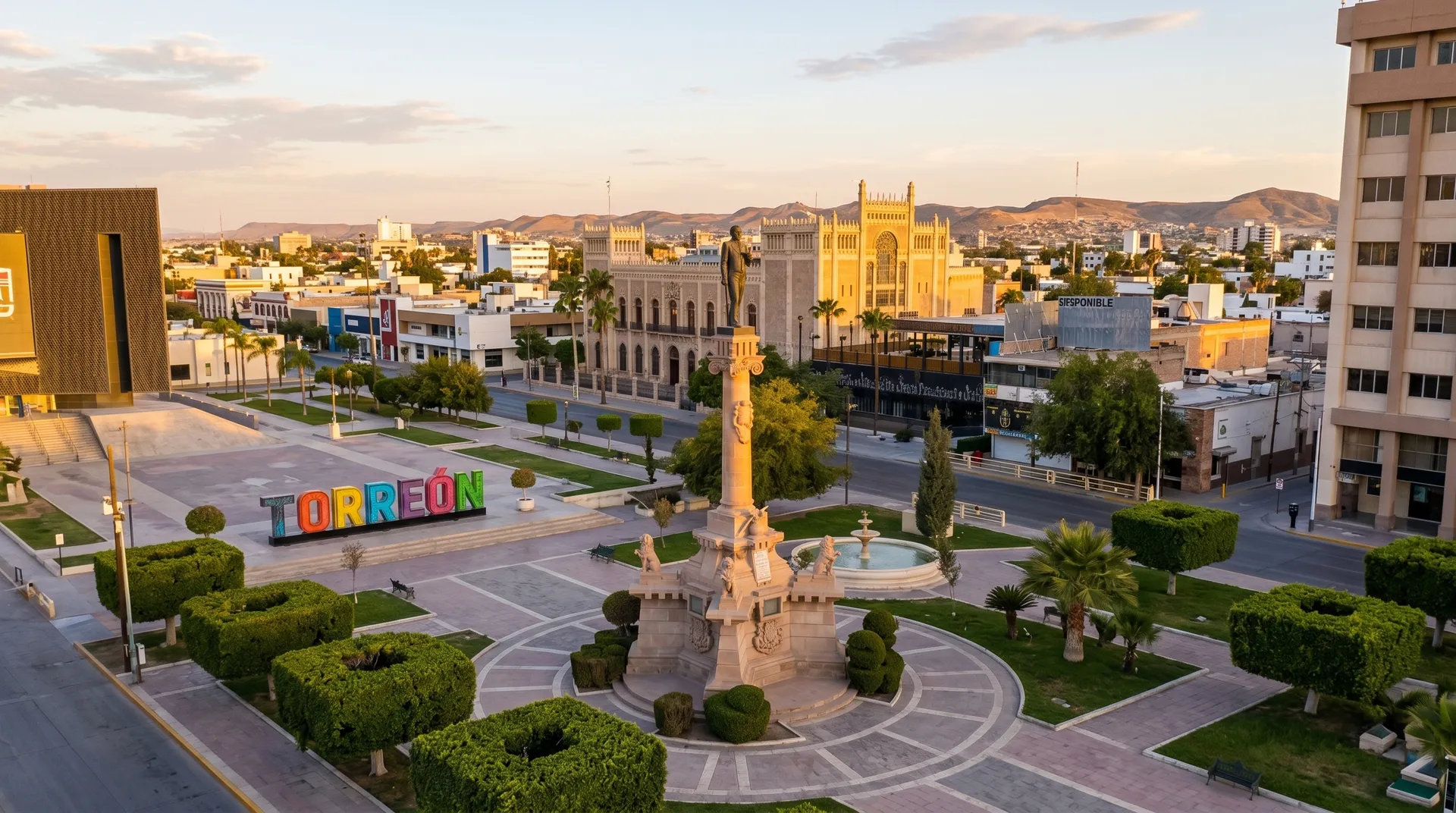
Torreón, located in the Laguna region of Coahuila, México, is a strategic logistics hub due to its proximity to the U.S. border and its position within Mexico's industrial corridor. The city serves as a central node for manufacturing, particularly in automotive, metal mechanics, and agroindustry, supported by a robust network of suppliers. Key economic sectors also include textiles and food processing, creating consistent demand for outbound freight. Transportation infrastructure is well-developed, featuring direct access to Mexican Federal Highway 40D, which connects to the U.S. border at Laredo, as well as rail lines and the Torreón International Airport for multimodal flexibility. This infrastructure makes Torreón an ideal origin for cross-border and domestic full truckload shipments throughout North and Central America.
 Destination
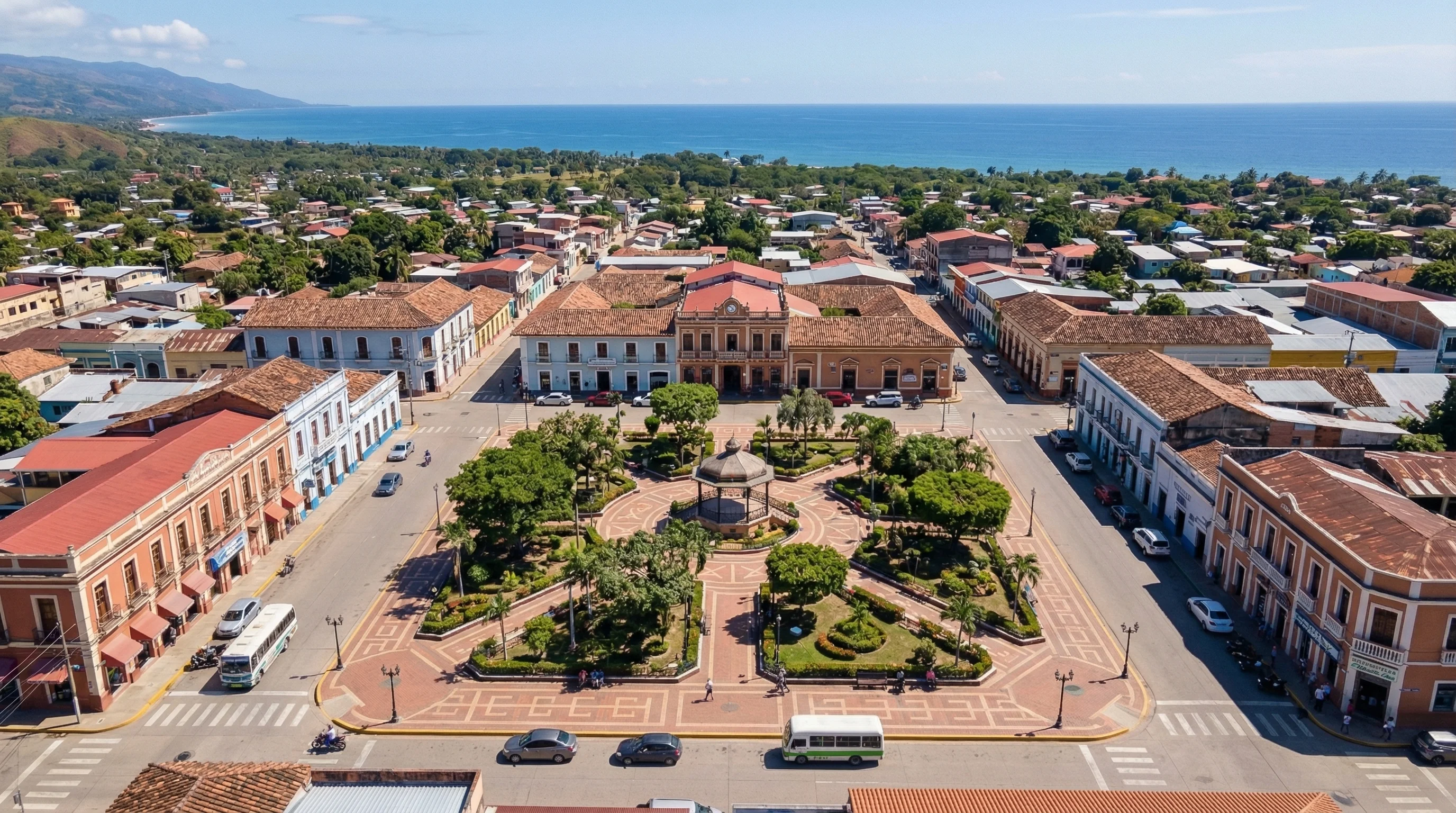
Trujillo, located in Colón, Honduras, is a strategic Caribbean port city and a key logistics gateway for Central America. Its economic significance stems from port operations, agriculture (notably bananas and palm oil), textiles, and light manufacturing. The city's industries rely on both imports of raw materials and exports of regional products, driving consistent freight demand. Infrastructure includes the Port of Trujillo, which handles significant container and bulk cargo, and connectivity via Central American Highway CA-5, linking to Guatemala, El Salvador, and beyond. This highway network supports efficient distribution across the region. Trujillo's role as a maritime and overland hub makes it a critical destination for full truckload services targeting Honduran and wider Central American markets.










