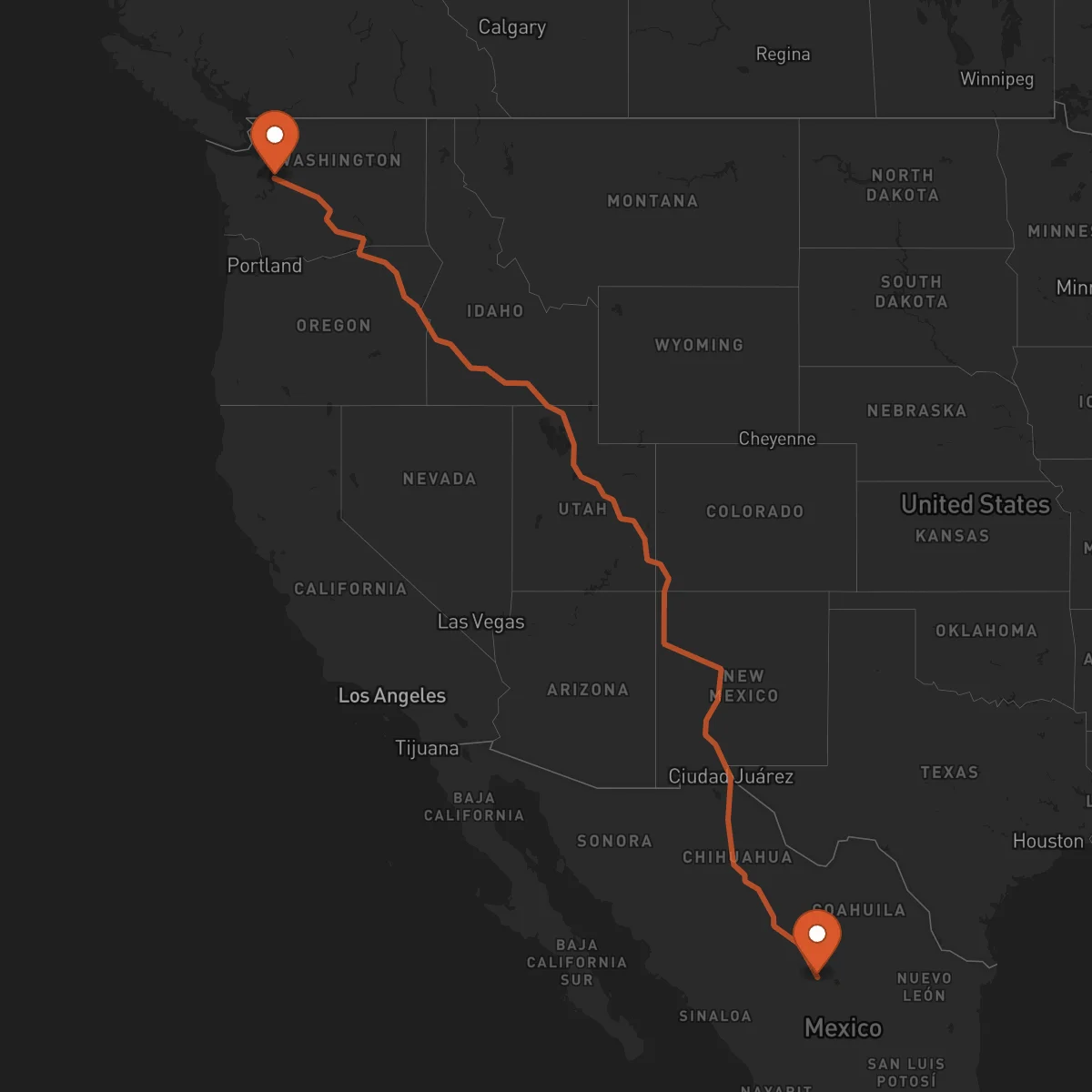
Torreón to Seattle
Seattle → TorreónFTL freight transportation service between Torreón and Seattle. Reliable logistics solutions for your business.
Route Description
Everything you need to know about the corridor Torreón - Seattle
The Torreón-Seattle corridor represents a vital cross-border freight transportation route connecting the industrial heart of northern Mexico with one of the most dynamic ports on the U.S. West Coast. This 2,962 km route traverses diverse terrain and crosses international borders, requiring specialized logistics expertise to ensure efficient cargo movement. The corridor serves as a crucial link between Mexico's manufacturing sector and international markets, particularly for time-sensitive and high-value goods that need reliable transportation to the Pacific Northwest.
This route connects two major industrial regions: Torreón's robust manufacturing and automotive sectors with Seattle's technology, aerospace, and maritime industries. The corridor facilitates the movement of automotive parts, electronics, machinery, and consumer goods from Mexico's maquiladora plants to distribution centers and ports in Washington State. The economic integration between these regions has grown significantly, with cross-border trade volumes increasing year over year, making efficient transportation solutions more critical than ever.
The primary transportation infrastructure includes Mexico's Federal Highway 40 and Federal Highway 85, connecting to U.S. Interstate 5 through key border crossings such as Laredo-Nuevo Laredo or El Paso-Juárez. These highways provide the backbone for full truckload (FTL) services, offering reliable transit times for dedicated freight shipments. Control Terrestre's expertise in cross-border operations ensures seamless customs clearance and regulatory compliance, with our C-TPAT-certified carriers providing secure and efficient transportation solutions that minimize delays and optimize supply chain performance.
Services for this Route
Available services for the corridor Torreón - Seattle
 Origin
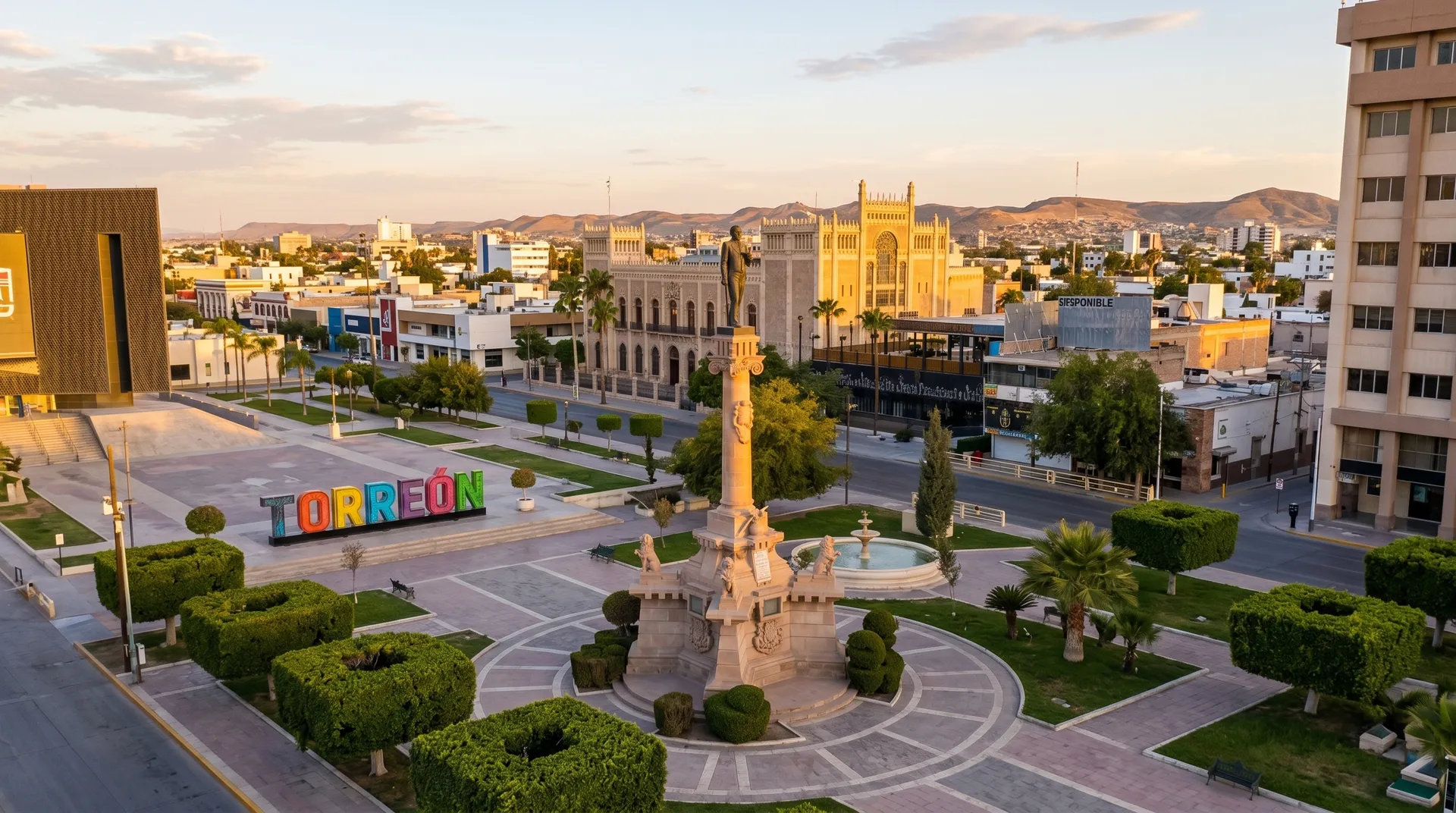
Torreón, located in Coahuila, Mexico, serves as a strategic logistics hub in northern Mexico due to its central location within the Comarca Lagunera region. The city benefits from excellent connectivity to major industrial centers in Mexico and the United States, with direct access to key highways including Federal Highway 40 and Federal Highway 85. Torreón's transportation infrastructure includes the Torreón International Airport and proximity to major rail lines, creating a multimodal logistics environment that supports efficient cargo movement in all directions.
The region's economy is anchored by strong manufacturing and industrial sectors, particularly automotive, aerospace, and metal-mechanic industries. Torreón hosts numerous maquiladora plants and manufacturing facilities that produce automotive components, machinery, and industrial equipment. The city's industrial parks are equipped with modern logistics facilities, and the presence of major automotive manufacturers has created a robust supply chain ecosystem. This industrial concentration generates significant freight volumes requiring reliable cross-border transportation services to reach U.S. markets and beyond.
 Destination
Seattle
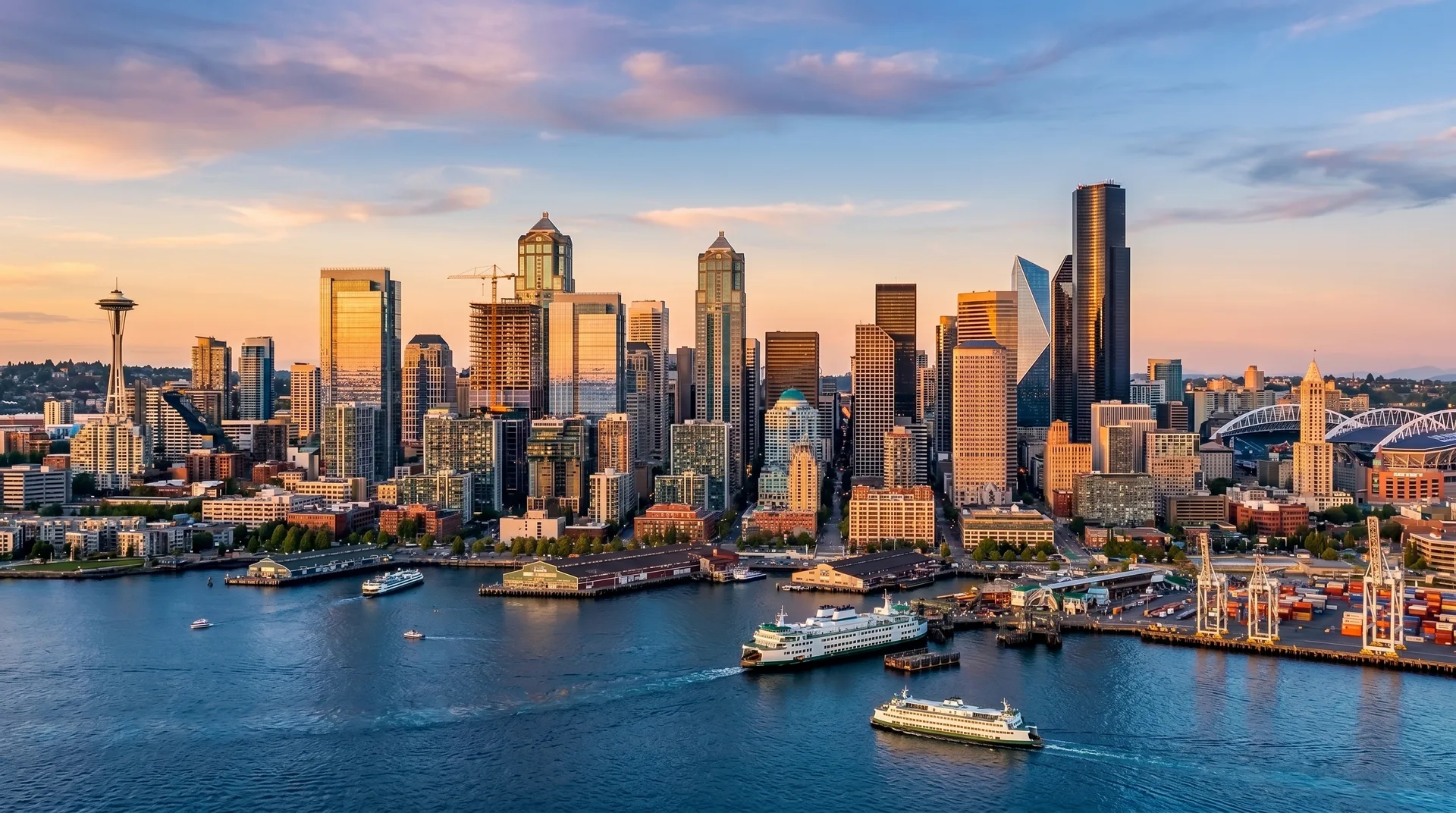
Seattle, Washington, stands as a premier logistics gateway on the U.S. West Coast, offering strategic access to both domestic and international markets. The city's location provides direct connections to the Port of Seattle, one of the largest container ports in North America, and proximity to major distribution centers serving the Pacific Northwest and beyond. Seattle's transportation infrastructure includes Interstate 5, providing north-south connectivity along the West Coast, and excellent rail connections through major freight rail operators, creating a comprehensive multimodal logistics network.
The Seattle metropolitan area is home to diverse and growing industries, including aerospace (Boeing), technology, e-commerce, and maritime sectors. The region's strong presence in aerospace manufacturing, software development, and advanced technology creates demand for specialized freight transportation services. Seattle's port facilities handle significant volumes of containerized cargo, while the surrounding industrial areas support distribution centers and warehouses that require consistent, reliable freight deliveries. The city's economic diversity and strategic coastal location make it an ideal destination for cross-border freight shipments from Mexico's manufacturing sector.










