Torreón to Chitré
Chitré → TorreónFTL freight transportation service between Torreón and Chitré. Reliable logistics solutions for your business.
Route Description
Everything you need to know about the corridor Torreón - Chitré
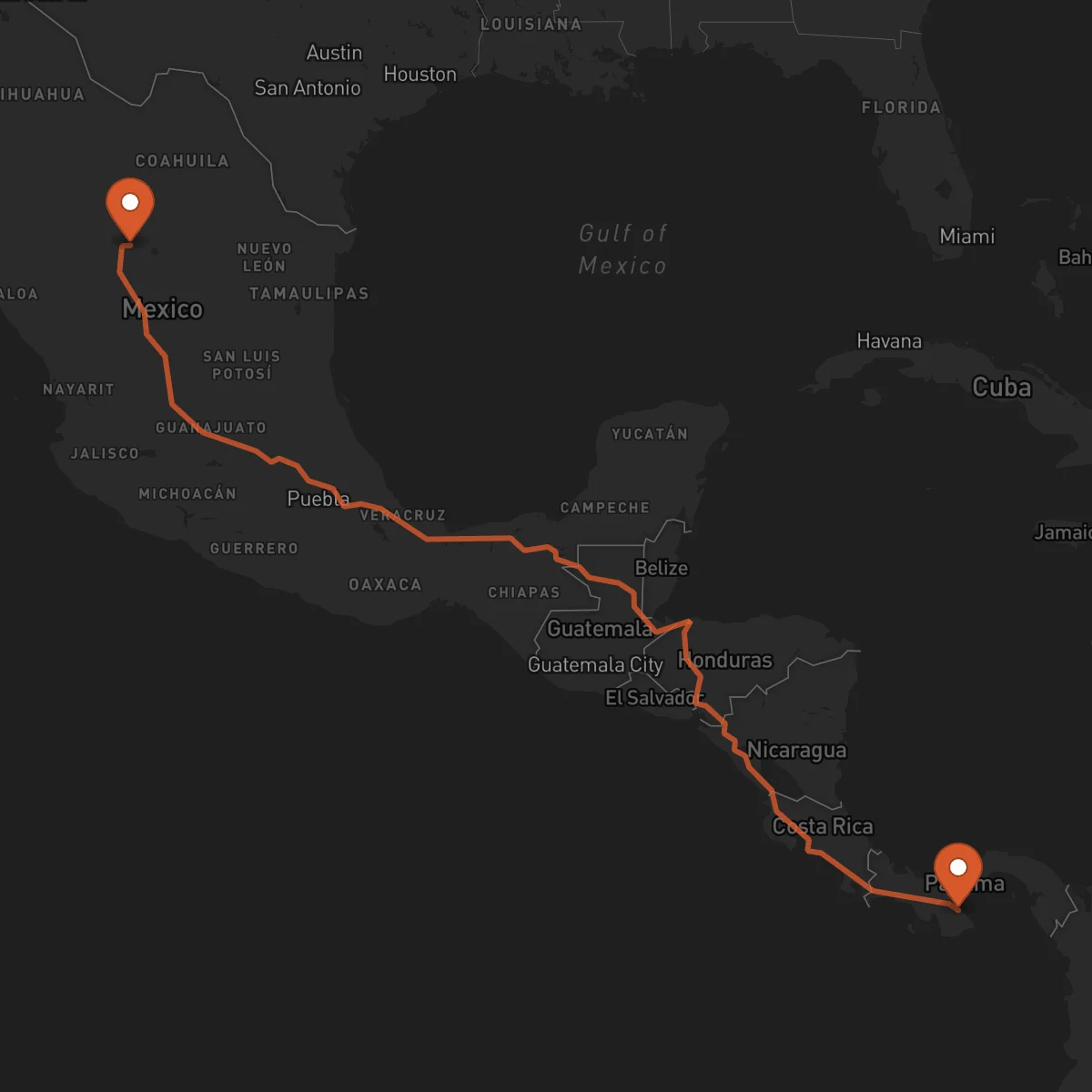
The Torreón to Chitré corridor represents a critical north-south logistics artery connecting Mexico's industrial heartland with Panama's agricultural interior. Spanning approximately 3,121 km, this cross-border route traverses the breadth of Central America, facilitating essential trade between North and South America. It serves as a vital link for moving goods from Mexico's manufacturing hubs to Panama's consumption markets and for exporting Central American agricultural products northward. The corridor's strategic importance is underscored by its role in supporting regional supply chains for industries ranging from automotive and consumer goods to agriculture and construction materials.
Economically, the route bridges two dynamic regions. Northern Mexico, particularly the Laguna region around Torreón, is a powerhouse of manufacturing, with strong ties to the U.S. market. Central America, including Panama, relies on this corridor for importing manufactured goods and exporting key commodities like coffee, sugar, and produce. The primary industries utilizing this corridor include automotive parts and vehicle transport, agricultural inputs and outputs, processed foods, industrial machinery, and retail goods. The consistent flow of full truckload (FTL) freight is essential for maintaining just-in-time inventory for manufacturers and ensuring fresh produce reaches markets efficiently.
Transportation infrastructure along the route is anchored by the Pan-American Highway system, which provides the primary paved roadway from the Mexico-Guatemala border through to Panama. Key Mexican federal highways, such as MX-40 from Torreón to the border, and the Central American highway network form the backbone. The most significant border crossing is at Ciudad Hidalgo, Mexico / Tecún Umán, Guatemala. Navigating customs and regulatory requirements in multiple countries is a central challenge. Control Terrestre’s alliance of providers holds critical certifications like C-TPAT, FAST, and BASC, which streamline U.S. and cross-border procedures, while our expertise in Central American customs protocols ensures compliance and reduces delays. We facilitate seamless operations by coordinating dedicated FTL equipment—including dry vans, reefers, and flatbeds—tailored to cargo needs, and managing the complex documentation for export, import, and transit across all borders on this corridor.
Services for this Route
Available services for the corridor Torreón - Chitré
 Origin
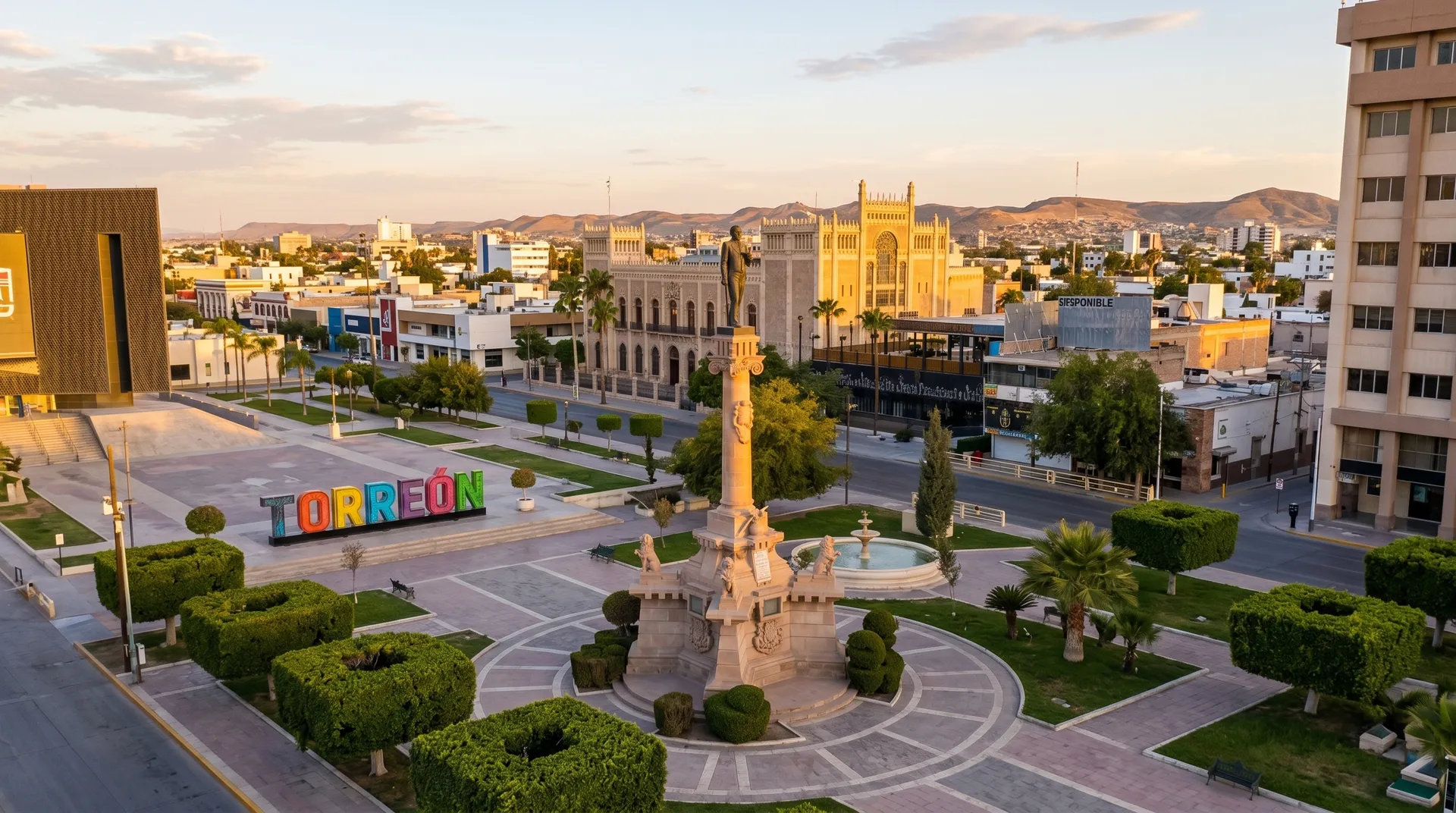
Torreón, located in Coahuila, Mexico, is a pivotal logistics and industrial hub in the La Laguna region, a binational metropolitan area with Gómez Palacio. Its strategic location is defined by excellent connectivity to the U.S. border via the Mexico 40 and 49 federal highways, and direct rail access. This makes it a primary departure point for northbound freight into the U.S. and a major origin for southbound cross-border corridors like the one to Panama. The city's economy is dominated by robust manufacturing sectors, including automotive (with major plants and suppliers), metal mechanics, textiles, and food processing. It is also surrounded by extensive agricultural production, particularly cotton and alfalfa. Torreón's infrastructure includes a well-developed network of industrial parks, the Torreón International Airport (TRC), and significant rail yards operated by major Mexican carriers, creating a multimodal environment that efficiently sources and consolidates full truckload (FTL) freight for long-haul destinations.
 Destination
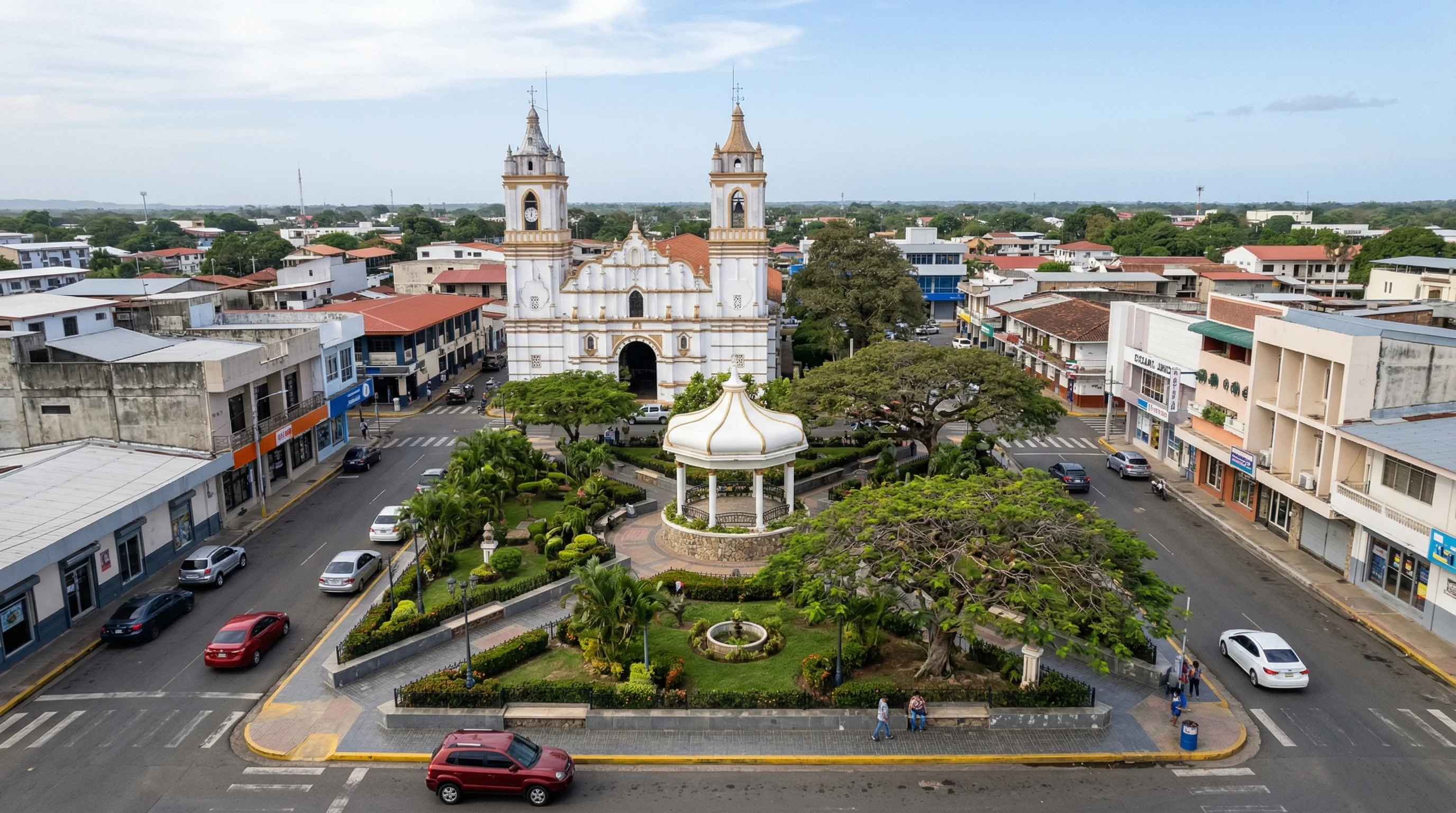
Chitré, the capital of Panama's Herrera province, serves as a key agricultural and commercial logistics center in the interior of Panama. Its strategic location lies along the Pan-American Highway (Carretera Panamericana), providing direct road access to the rest of Central America and to Panama's major ports on both coasts, particularly the Pacific ports of Balboa and Manzanillo. This road connectivity is fundamental for distributing imported goods throughout Panama's interior and for aggregating export cargo. The region's economy is heavily based on agriculture, with sugarcane being the dominant crop, alongside coffee, rice, livestock, and a variety of fruits and vegetables. This generates consistent demand for FTL services moving agricultural inputs (fertilizers, equipment) south and exporting bulk commodities. Chitré's infrastructure includes warehousing facilities and road networks that support the final-mile and regional distribution of goods entering the country via this long-distance corridor from Mexico and beyond.










