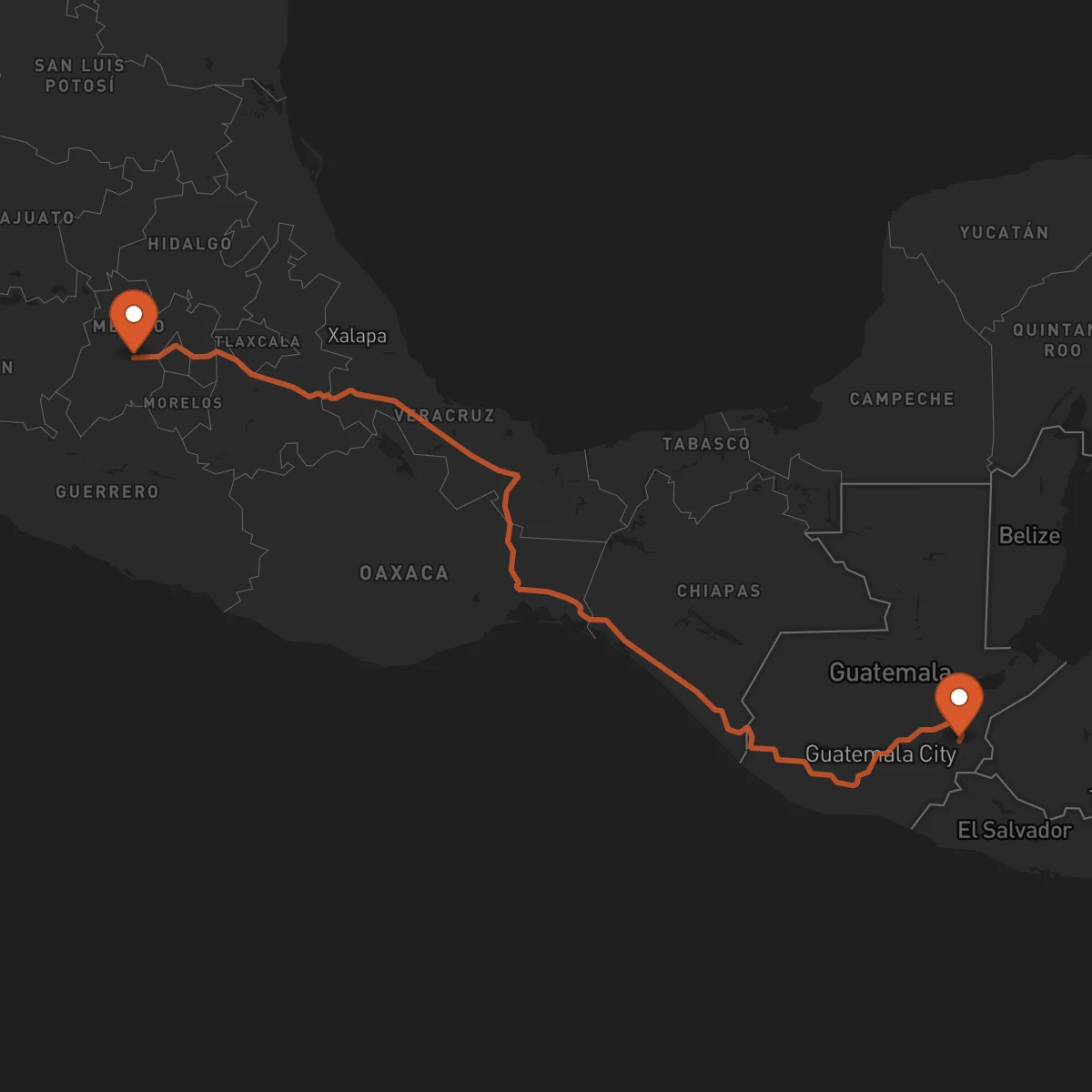
Toluca to Chiquimula
Chiquimula → TolucaFTL freight transportation service between Toluca and Chiquimula. Reliable logistics solutions for your business.
Route Description
Everything you need to know about the corridor Toluca - Chiquimula
The Toluca to Chiquimula corridor is a vital cross-border logistics artery connecting the industrial heartland of central Mexico with the emerging markets of Central America. Strategically, it bridges the manufacturing ecosystems of the Estado de México with the agricultural and commercial hubs of eastern Guatemala, facilitating essential trade flows under frameworks like USMCA. This corridor is economically significant, supporting the movement of goods for industries reliant on integrated North and Central American supply chains, including automotive parts, textiles, and agricultural commodities. The route primarily traverses Mexican Federal Highways 15D and 190, transitioning to Guatemala's CA-1 highway, navigating diverse terrain from highlands to coastal plains. The principal border crossing is at Tecún Umán/ Ciudad Hidalgo, a bustling port requiring meticulous customs documentation and compliance with both Mexican and Guatemalan regulations. Control Terrestre facilitates seamless operations on this corridor by leveraging our alliance of certified carriers. Our providers hold critical credentials like C-TPAT and FAST for expedited U.S. cross-border processes (relevant for transiting U.S. goods) and BASC for security standards in the Americas. We manage the full FTL journey, coordinating door-to-door transport, customs brokerage support, and specialized equipment needs—from dry vans to refrigerated units—ensuring a singular point of contact for your full truckload cargo across this complex international stretch.
Services for this Route
Available services for the corridor Toluca - Chiquimula
 Origin
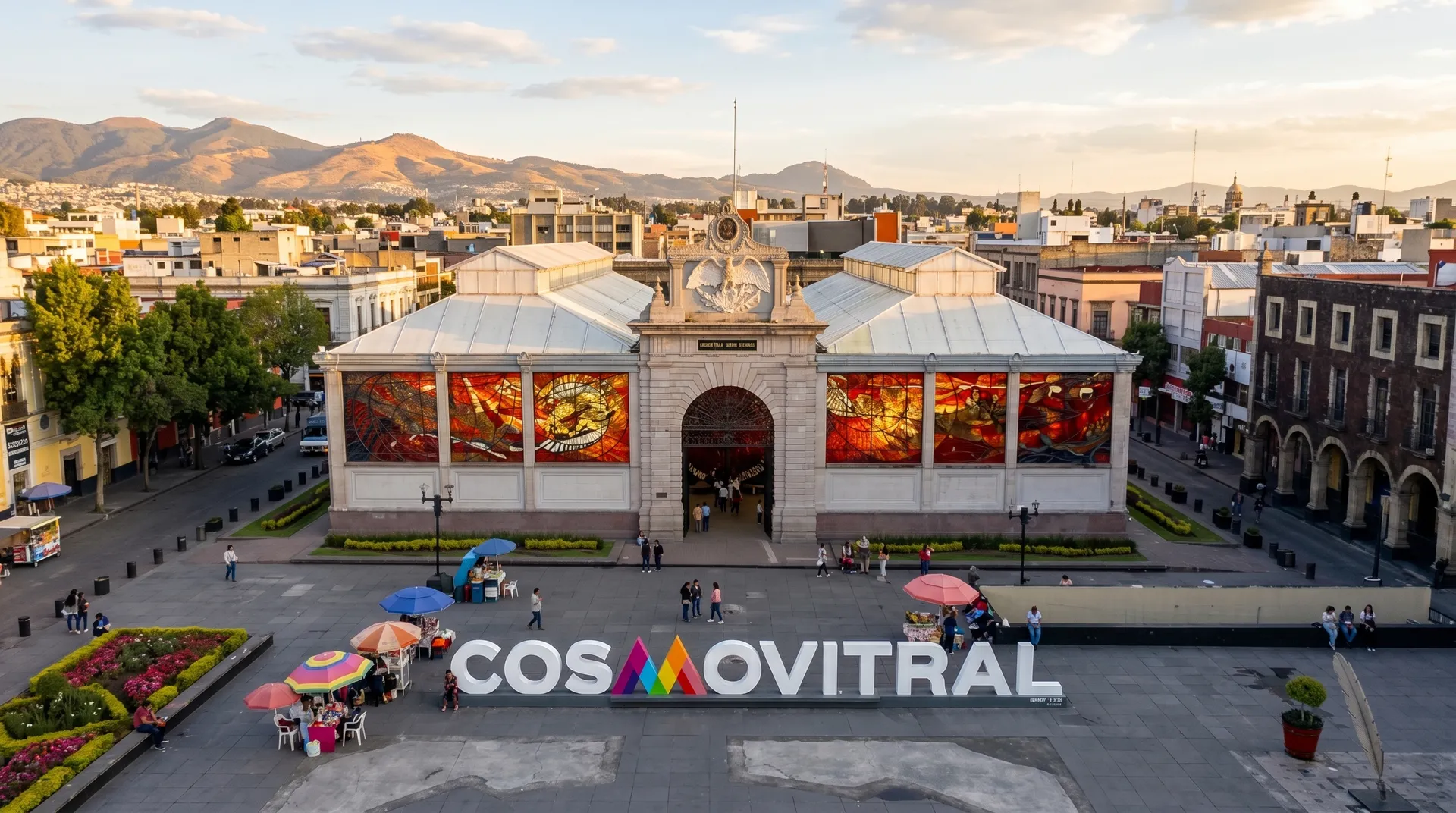
Toluca
Toluca, the capital of the Estado de México, is a premier logistics origin due to its strategic location just 60 kilometers southwest of Mexico City. It serves as a major industrial and manufacturing epicenter, hosting significant automotive assembly plants (such as those for Nissan and General Motors), aerospace component manufacturers, and large-scale food and beverage processing facilities. The city's economic engine is fueled by its dense network of industrial parks and its role as a distribution node for the populous Valley of Mexico. Its transportation infrastructure is robust, featuring direct access to the Mexico City-Toluca toll highway (Federal Highway 15D), which connects to the nation's primary north-south corridors. The area is also served by a major international airport (Aeropuerto Internacional de Toluca) and has rail freight connectivity, creating a multi-modal ecosystem that efficiently feeds goods into national and international supply chains.
 Destination
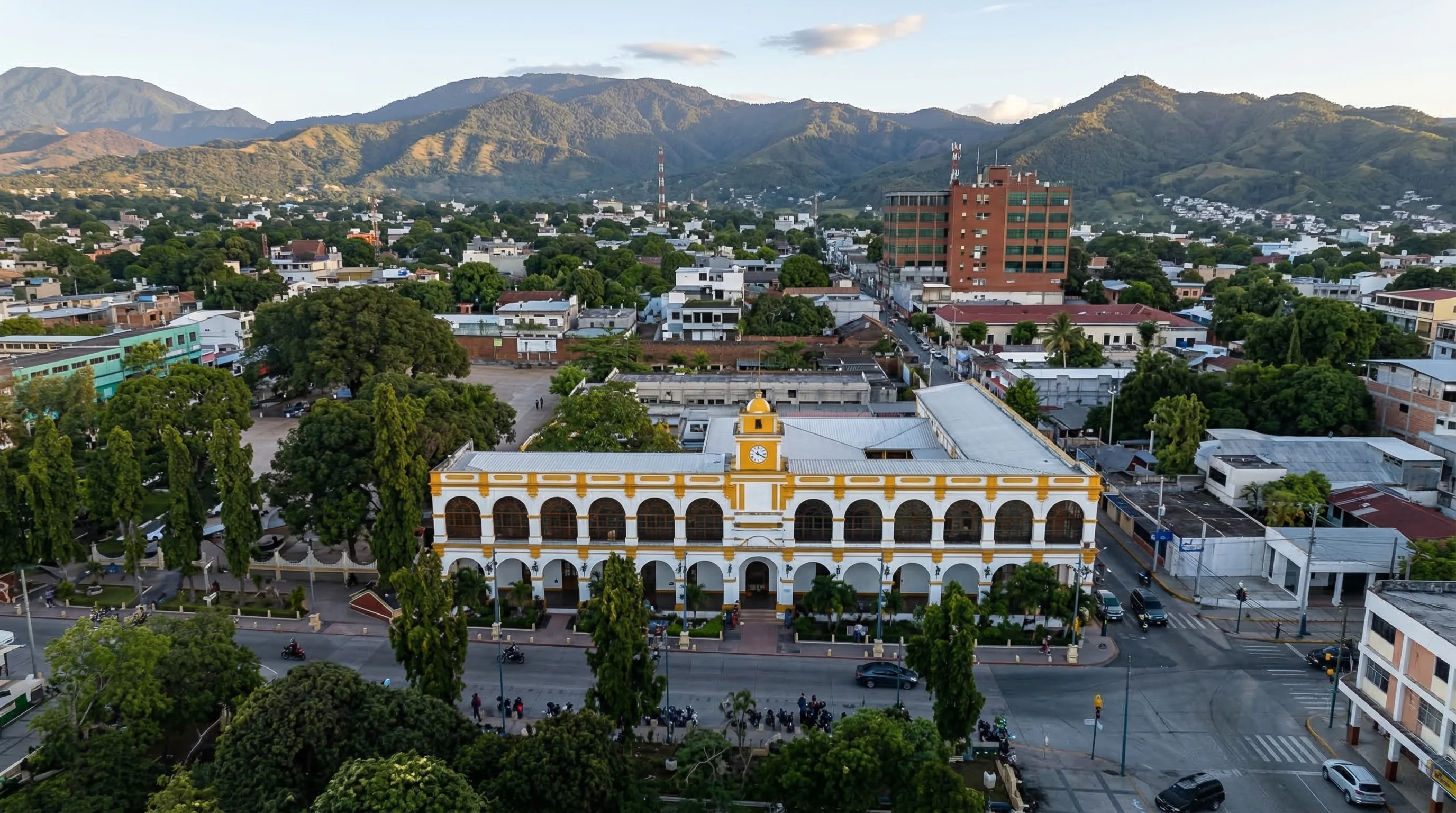
Chiquimula
Chiquimula, situated in eastern Guatemala near the borders with Honduras and El Salvador, is a strategically important logistics destination and commercial gateway to Central America. Its economy is deeply rooted in agriculture, being a primary producer and distribution center for coffee, beans, corn, and tropical fruits. Additionally, the region supports textile manufacturing and cross-border trade commerce. The city's infrastructure is defined by its position on the Pan-American Highway (CA-1), which provides the main terrestrial link to Guatemala City, the port of Puerto Barrios on the Atlantic coast, and onward connections to Honduras and El Salvador. This makes Chiquimula a critical transshipment and consolidation point for cargo destined for the Northern Triangle of Central America. The local logistics landscape is tailored to handle agricultural bulk, manufactured goods, and the demands of international trade moving through this vibrant corridor.










