Toluca to San Vicente
San Vicente → TolucaFTL freight transportation service between Toluca and San Vicente. Reliable logistics solutions for your business.
Route Description
Everything you need to know about the corridor Toluca - San Vicente
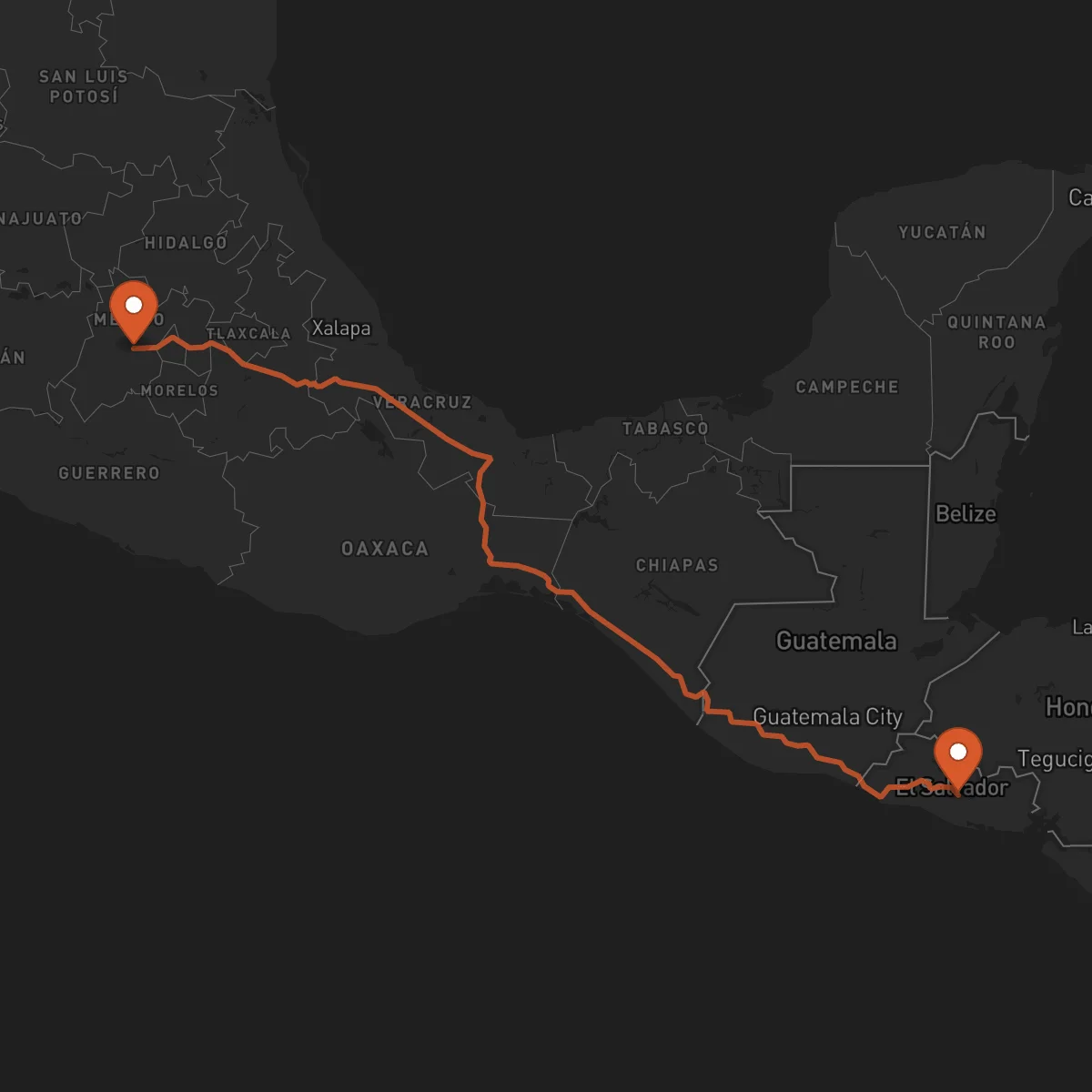
The Toluca to San Vicente corridor represents a critical north-south logistics artery connecting Mexico's industrial heartland with Central America's growing markets. Spanning approximately 1,318 kilometers, this cross-border route is strategically vital for moving full truckload (FTL) freight efficiently between two key economic zones. The corridor facilitates the flow of goods from the densely industrialized State of Mexico to the Pacific coast of Central America, supporting regional trade integration under frameworks like CAFTA-DR.
Economically, the corridor serves a dynamic region. The Toluca area is a major manufacturing and automotive hub, while the San Vicente region and broader Central America are significant for agricultural exports (coffee, sugar, produce) and growing light industry. This creates a robust, bidirectional freight demand. The primary industries leveraging this route include automotive parts and vehicle distribution, agricultural commodities, manufactured goods, and containerized cargo moving between inland production zones and coastal ports.
Infrastructure relies on a network of major highways. In Mexico, the route predominantly follows the toll highway Mexico 15D southward towards the Guatemalan border. After crossing into Guatemala at Tecún Umán/La Hacienda, it continues on the CA-1 through Guatemala and into El Salvador, terminating in San Vicente. Key border crossings, particularly Tecún Umán, are pivotal customs and immigration points. Navigating these requires expertise in documentation, customs procedures, and compliance with the varying regulations of each nation. Control Terrestre facilitates seamless operations on this corridor through our alliance of certified providers. Our partners hold essential credentials like C-TPAT, FAST, and BASC, ensuring secure, compliant, and efficient cross-border movements. We manage the complexities of international logistics, from border coordination to dedicated equipment, providing our clients with a single, reliable point of contact for their FTL shipments along this strategic route.
Services for this Route
Available services for the corridor Toluca - San Vicente
 Origin
Toluca
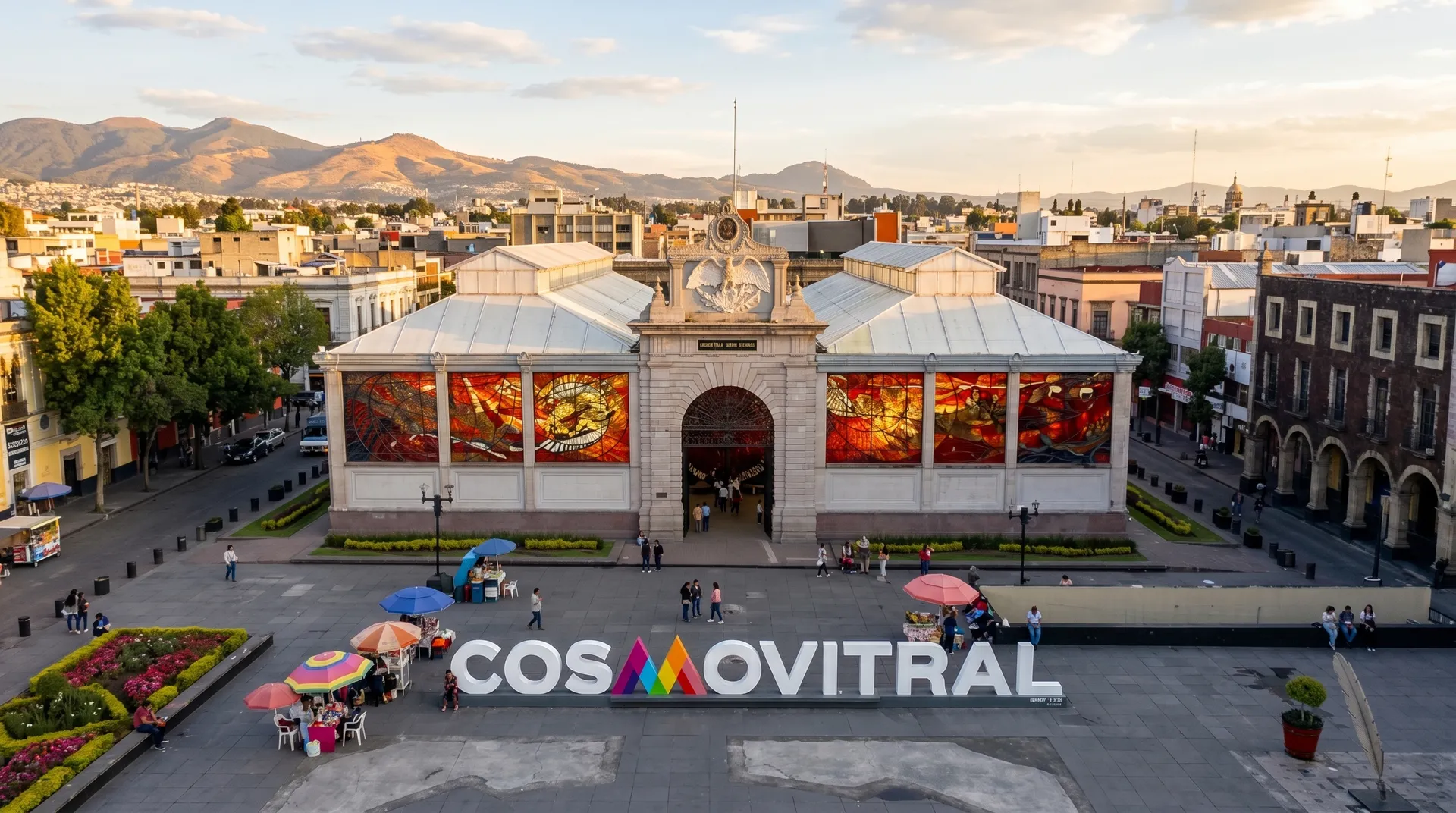
Toluca, the capital of the State of Mexico, is a premier logistics origin due to its strategic location just 60 kilometers southwest of Mexico City. It sits at the crossroads of major highways, including the Mexico 15D, providing direct access to the nation's primary consumption market and key export corridors to the north and south. The city is a dominant industrial and automotive manufacturing center, hosting plants for global automakers and a vast network of suppliers. This creates massive demand for outbound freight transportation of auto parts, finished vehicles, and general manufactured goods. Its robust transportation infrastructure includes extensive warehousing, the Toluca International Airport for air cargo connectivity, and its role as a hub for the Mexico City metropolitan area's supply chain, making it an indispensable starting point for national and international freight.
 Destination
San Vicente
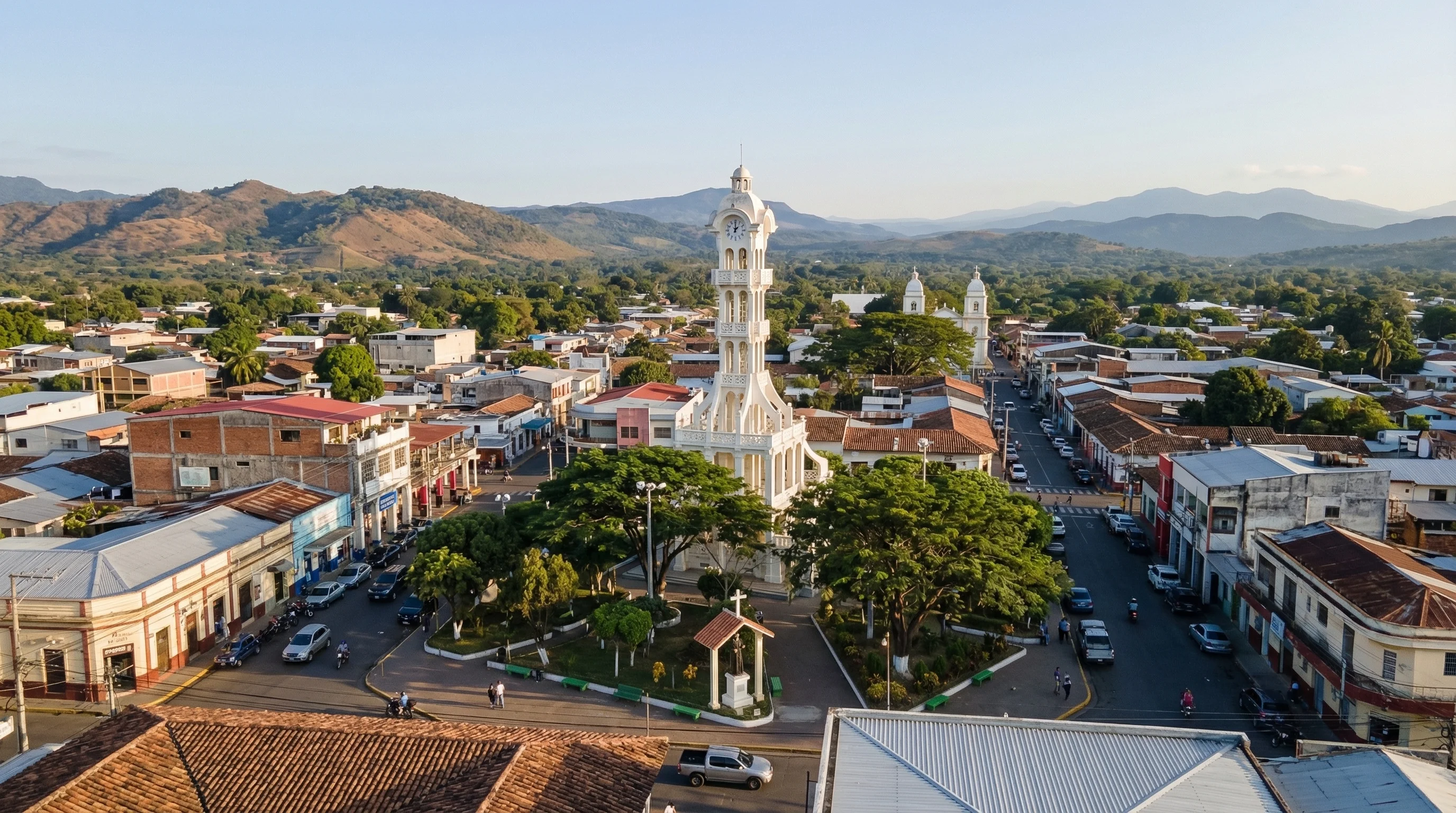
San Vicente is a strategically important destination in southeastern El Salvador, acting as a gateway to the country's agricultural heartland and Pacific ports. Its location provides direct access to the CA-1 highway, the main north-south artery in Central America, connecting it to major ports like Acajutla and La Libertad. The region's economy is heavily based on agriculture, notably sugar cane and coffee, generating significant outbound containerized and bulk freight. Additionally, it supports growing light industrial and commercial sectors that require inbound supplies. The port connectivity via the CA-1 corridor makes San Vicente a critical node for import/export logistics, serving as a distribution point for goods entering El Salvador and the wider Central American region from North America.










