Sololá to San Antonio
San Antonio → SololáFTL freight transportation service between Sololá and San Antonio. Reliable logistics solutions for your business.
Route Description
Everything you need to know about the corridor Sololá - San Antonio
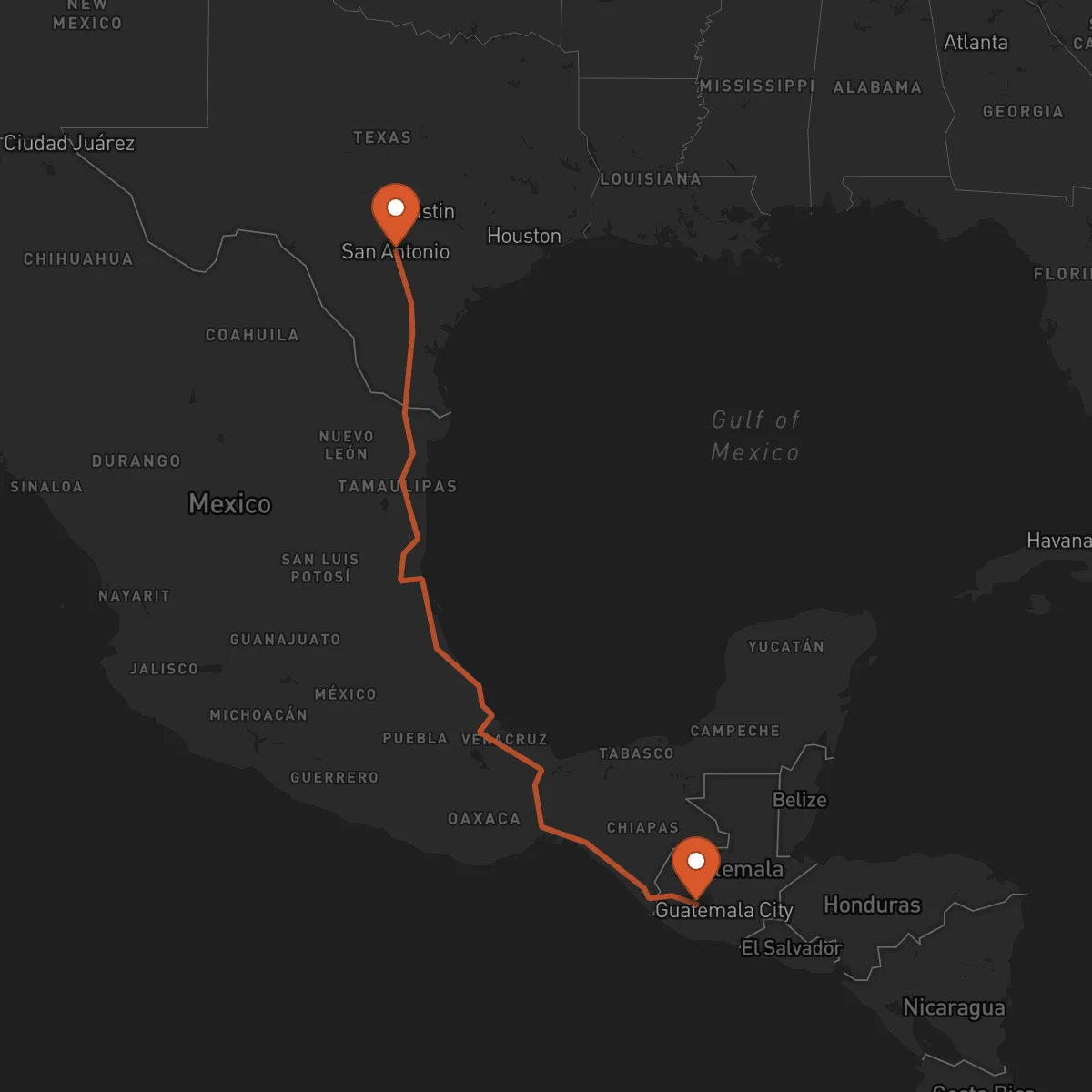
The Sololá-San Antonio corridor connects the heart of Guatemala's highlands with one of Texas' most important logistics hubs, spanning approximately 1794 kilometers across Mexico. This cross-border route is vital for companies seeking to connect the agricultural and manufacturing production of Guatemala with the vast industrial and commercial market of South Texas. The corridor utilizes Mexico's Federal Highway 190 and connects to US Interstate 35, one of the most important north-south corridors in the United States. The primary border crossing is at Laredo-Nuevo Laredo, one of the busiest commercial ports of entry on the US-Mexico border. Control Terrestre facilitates seamless operations on this corridor through our network of certified carriers, managing all customs procedures and ensuring regulatory compliance for cross-border freight transportation.
Services for this Route
Available services for the corridor Sololá - San Antonio
 Origin
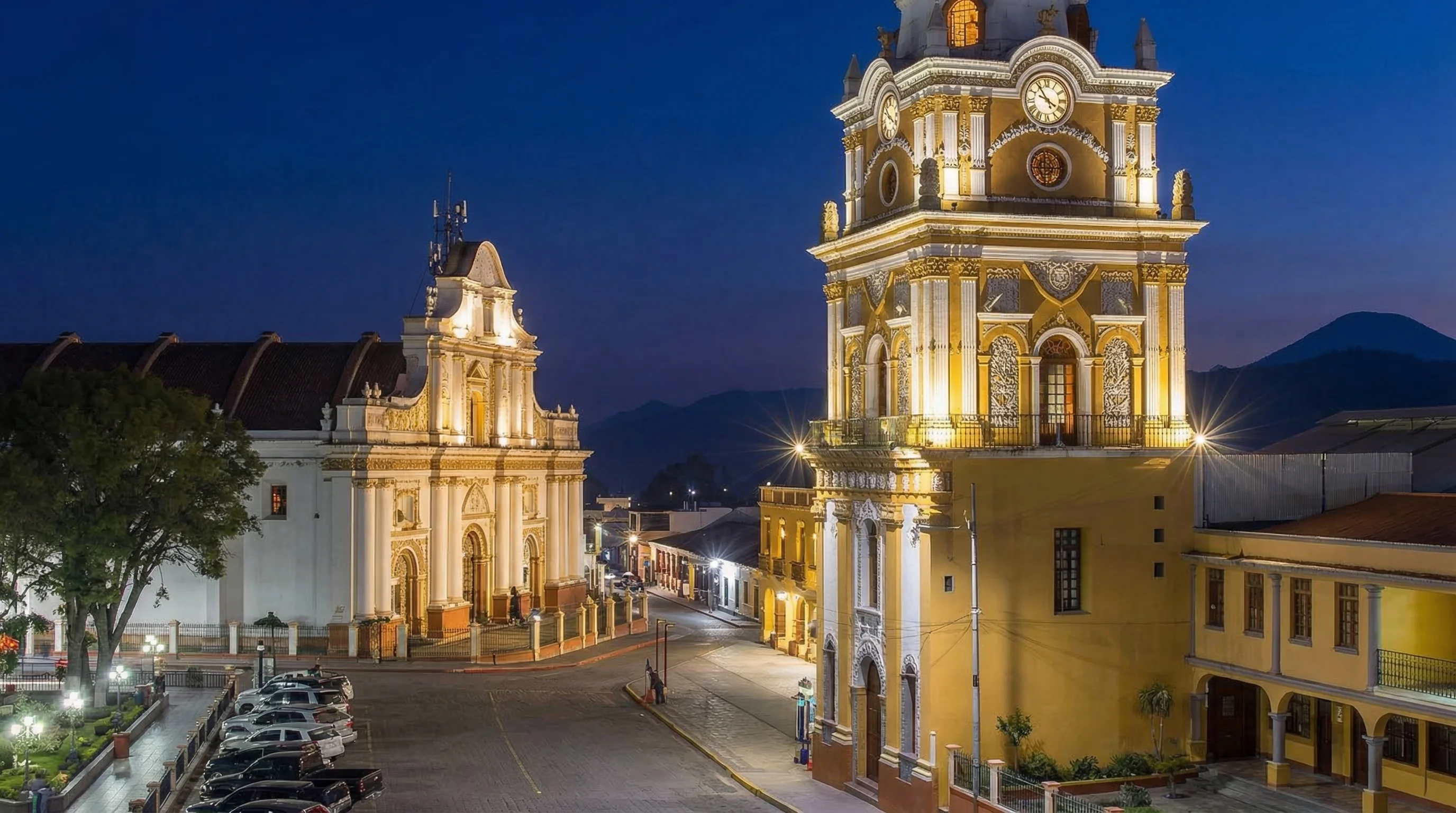
Sololá, located in Guatemala's highlands, serves as a strategic logistics point for companies operating in the central-western region of the country. The city and surrounding areas are characterized by a strong agricultural sector, including vegetable, coffee, and flower production, as well as growing manufacturing activity. The region benefits from its proximity to Lake Atitlán and connections to Guatemala City via CA-1 highway, providing access to the Port of Santo Tomás and the capital's industrial zones. The area's road infrastructure, while mountainous, is well-maintained and connects to Guatemala's main transportation corridors.
 Destination
San Antonio
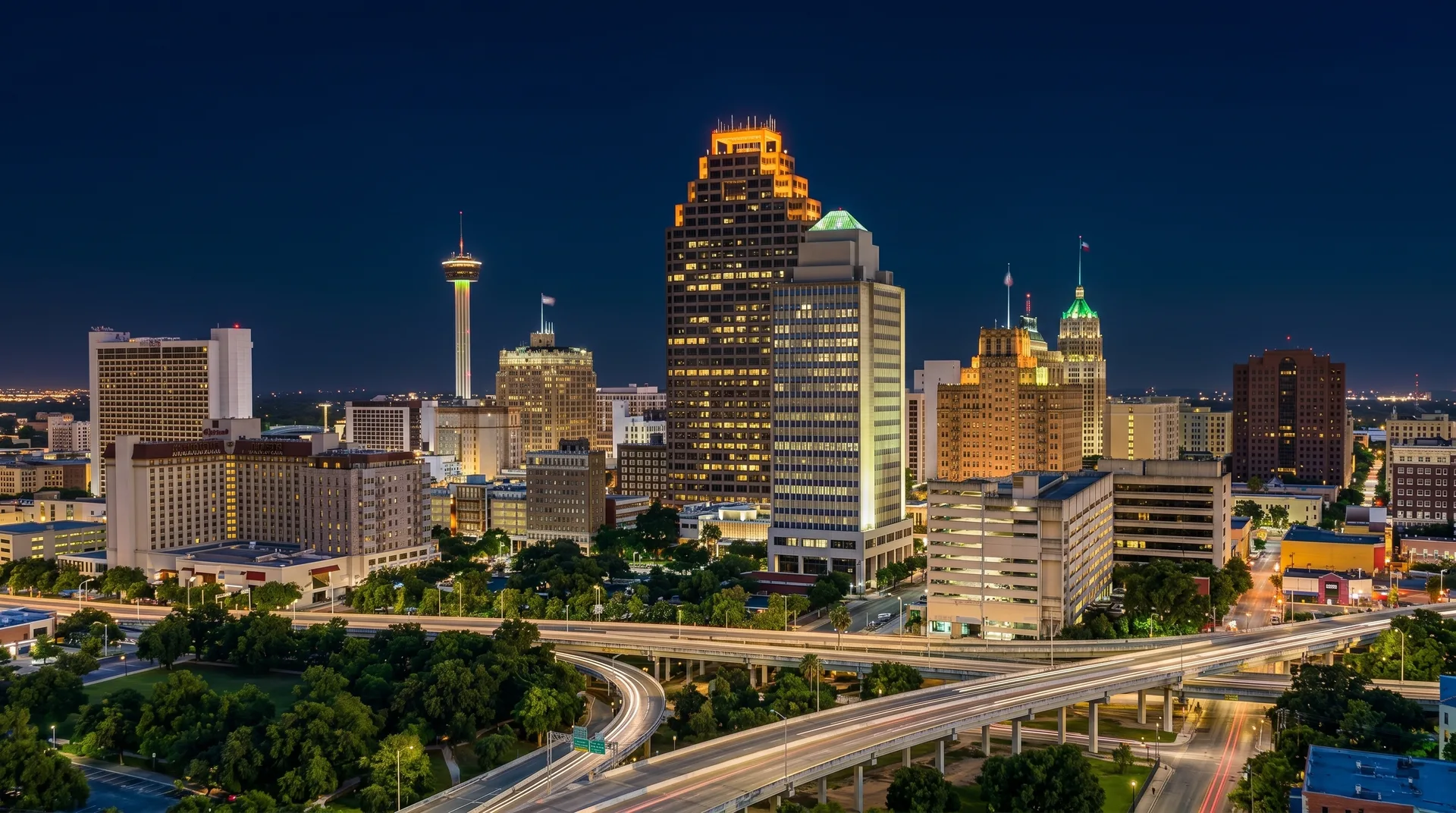
San Antonio, Texas, is a strategic logistics hub in the southern United States, offering exceptional connectivity through its location at the intersection of major transportation routes. The city is home to one of the largest rail yards in the country and is served by multiple interstate highways, including I-10 and I-35. San Antonio's logistics infrastructure includes the Port San Antonio intermodal facility, numerous warehousing and distribution centers, and proximity to the US-Mexico border. The city's economic base spans healthcare, military, manufacturing, and technology sectors, making it an ideal destination for diverse freight types from Guatemala.










