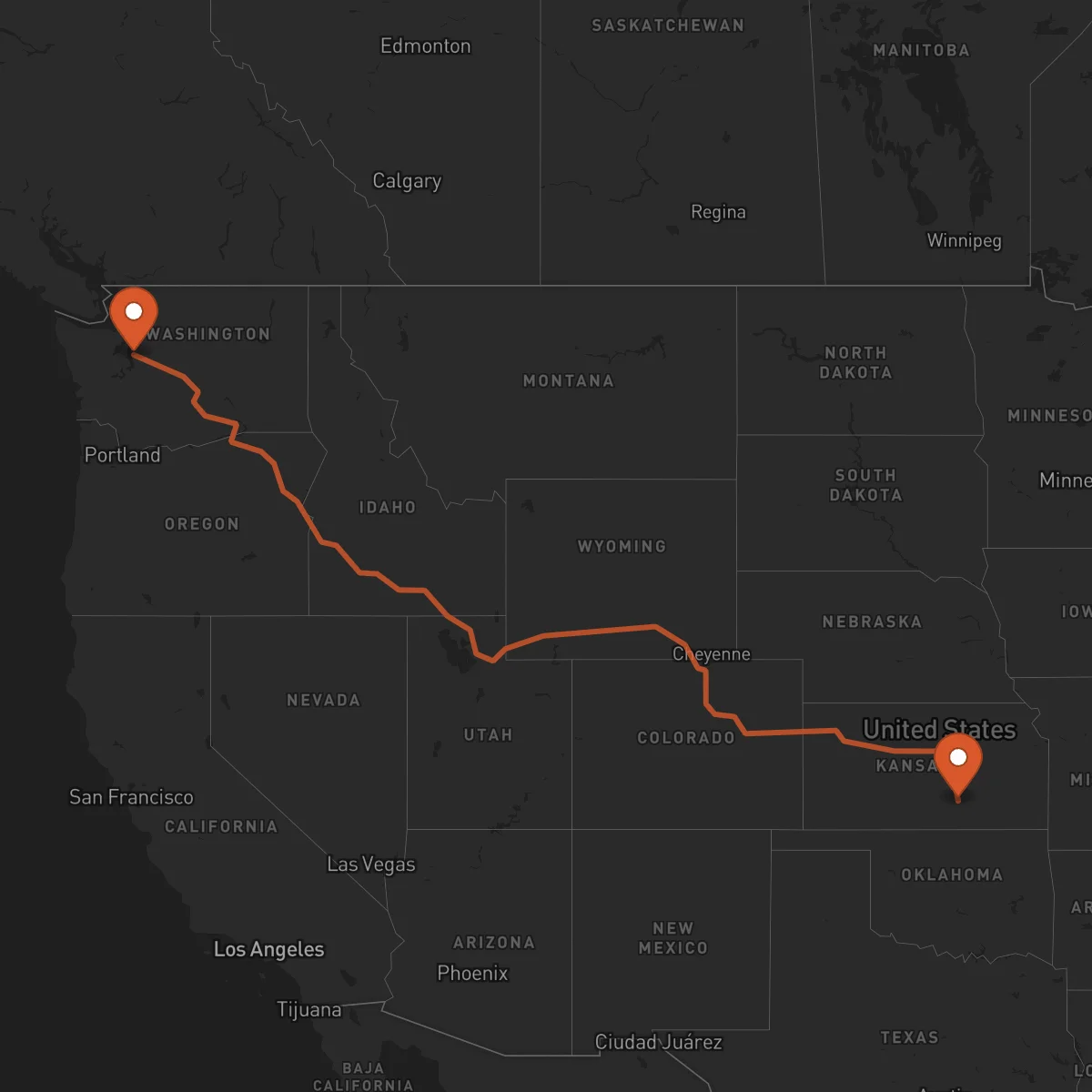
Seattle to Wichita
Wichita → SeattleFTL freight transportation service between Seattle and Wichita. Reliable logistics solutions for your business.
Route Description
Everything you need to know about the corridor Seattle - Wichita
The Seattle to Wichita corridor represents a vital logistics connection spanning 2,308 kilometers across the United States. This route links the Pacific Northwest's major port city with the industrial heartland of Kansas, facilitating the movement of goods between two economically significant regions. The corridor traverses multiple states, connecting diverse industrial ecosystems and supporting the national supply chain.
The economic significance of this corridor is substantial, connecting Seattle's technology and aerospace hub with Wichita's aviation manufacturing center. Seattle serves as a gateway for international trade, while Wichita is known as the "Air Capital of the World," housing major aircraft manufacturers and suppliers. This route enables the efficient transport of aerospace components, manufacturing materials, and finished products between these complementary industrial centers.
Control Terrestre provides specialized FTL (Full Truckload) transportation services along this corridor, ensuring reliable and efficient freight movement. Our experienced carriers utilize major interstate highways including I-90 and I-70, offering dedicated transportation solutions for businesses requiring full truckload capacity. We understand the unique requirements of time-sensitive and high-value cargo typical of aerospace and manufacturing industries, providing customized logistics solutions to meet specific client needs.
Services for this Route
Available services for the corridor Seattle - Wichita
 Origin
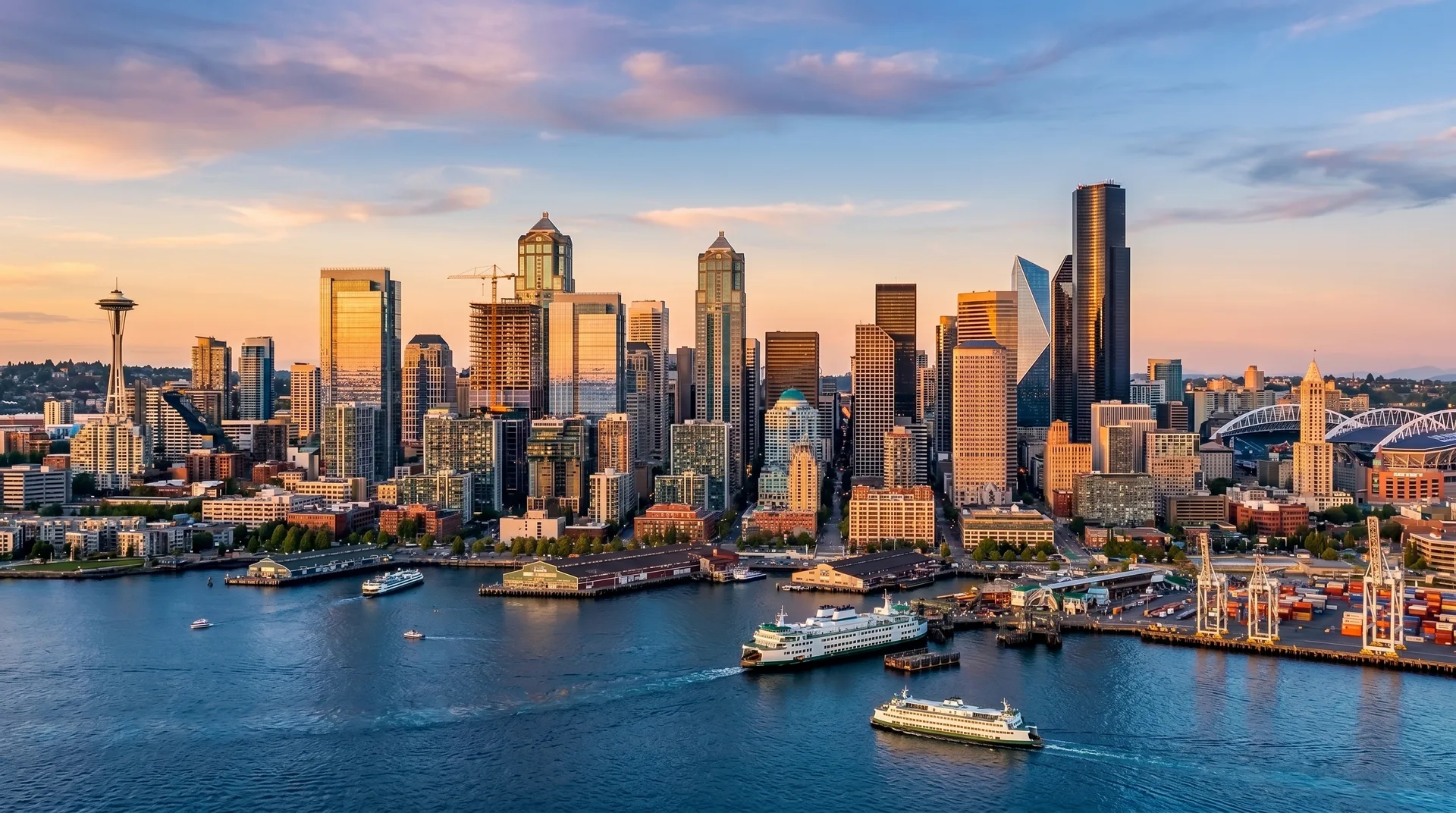
Seattle
Seattle, Washington serves as a strategic logistics hub on the West Coast, offering unparalleled access to international trade routes through the Port of Seattle. The city's location provides direct connections to Asia and the broader Pacific Rim, making it a critical entry point for goods entering the United States. Seattle's robust transportation infrastructure includes major interstate highways (I-5, I-90), rail connections, and air cargo facilities at Seattle-Tacoma International Airport, creating a multimodal logistics network that supports efficient freight movement.
The city's economy is driven by technology, aerospace, and maritime industries. Home to Boeing's largest manufacturing facility and numerous tech companies, Seattle generates significant freight volume requiring reliable transportation services. The region's strong manufacturing sector, particularly in aerospace and advanced technology, creates consistent demand for full truckload services to transport heavy machinery, components, and finished products to destinations across the country.
 Destination
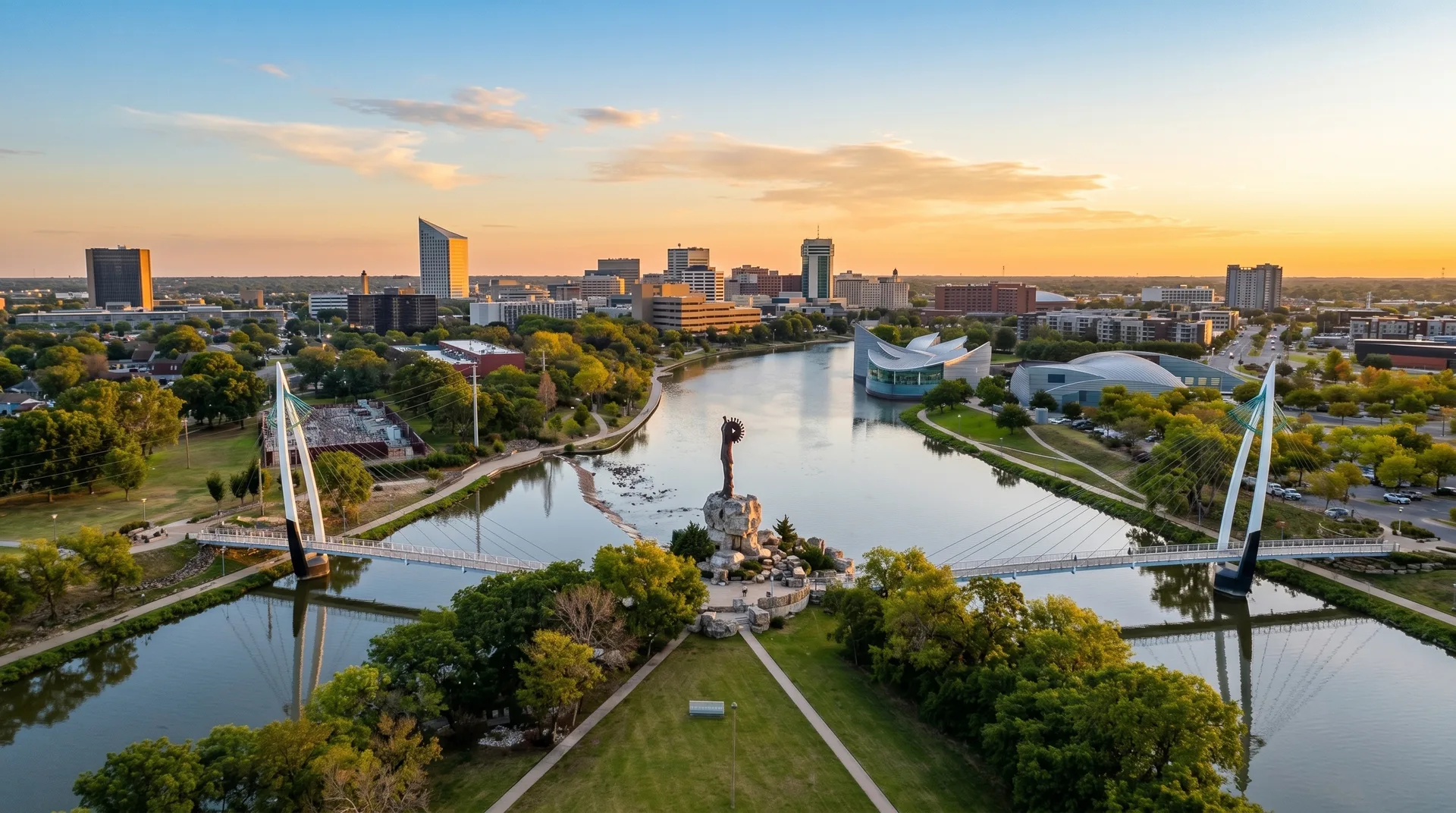
Wichita
Wichita, Kansas occupies a strategic position in the American Midwest, serving as a central distribution point for the central United States. Located in south-central Kansas, Wichita provides excellent access to major freight corridors and distribution networks throughout the Midwest and beyond. The city's transportation infrastructure includes interstate highways (I-35, I-135, I-235), rail connections, and proximity to major air cargo facilities, facilitating efficient freight movement to and from the region.
The Wichita metropolitan area is renowned for its aviation industry, hosting the headquarters and major facilities of companies like Boeing, Cessna, and Learjet. This concentration of aerospace manufacturing creates substantial freight transportation needs, particularly for oversized components and specialized equipment. Additionally, Wichita's diverse economy includes manufacturing, healthcare, and education sectors, generating consistent demand for reliable freight transportation services to support business operations and supply chains.










