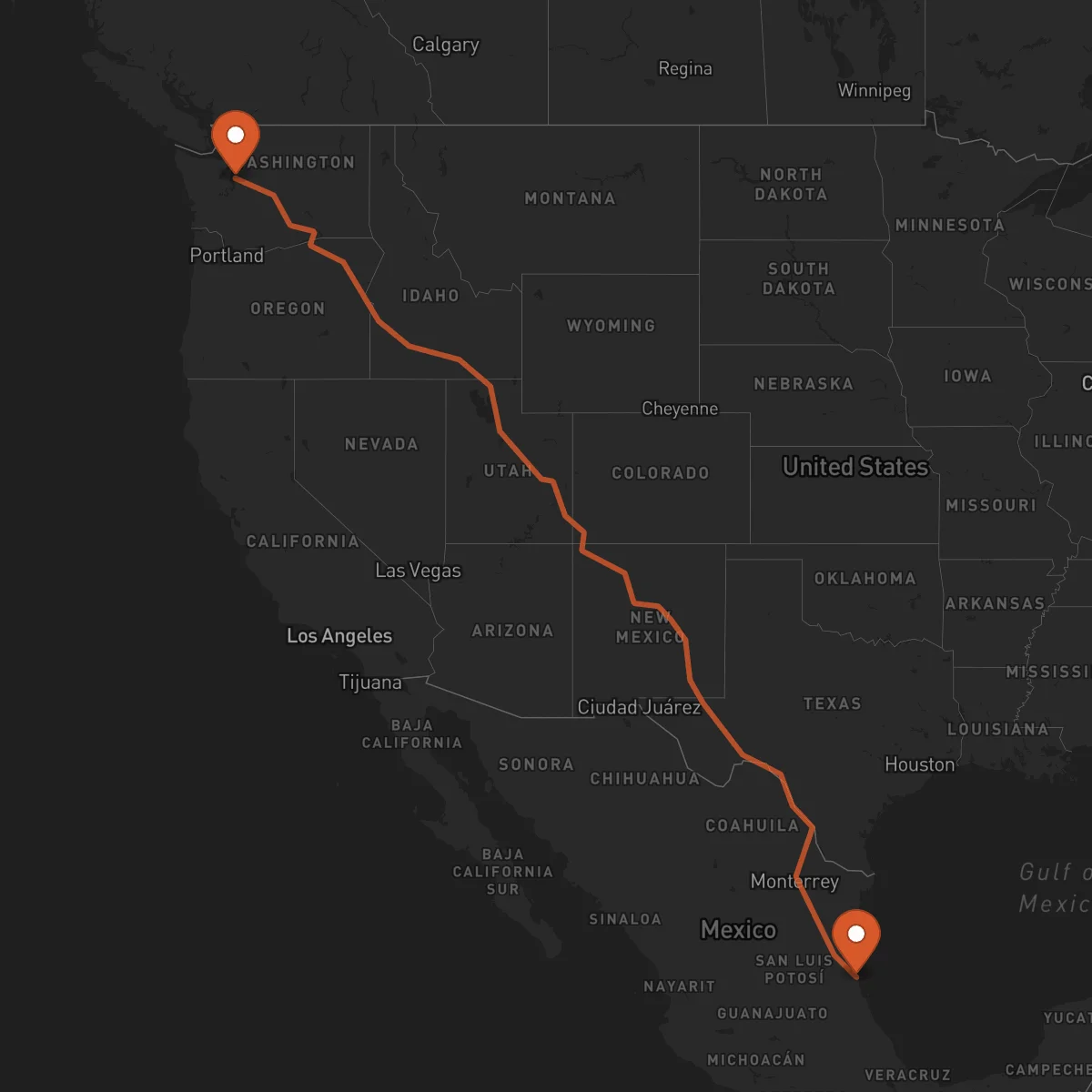
Seattle to Tampico
Tampico → SeattleFTL freight transportation service between Seattle and Tampico. Reliable logistics solutions for your business.
Route Description
Everything you need to know about the corridor Seattle - Tampico
The Seattle-Tampico corridor represents a vital cross-border logistics connection linking the Pacific Northwest of the United States with the Gulf of Mexico in Mexico. This 3,567 km route traverses diverse terrains and crosses multiple economic zones, facilitating the movement of goods between two major industrial regions. The corridor serves as a strategic artery for companies operating in both countries, enabling efficient supply chain operations across North America.
The economic significance of this corridor is substantial, connecting Seattle's technology and manufacturing hub with Tampico's petrochemical and agricultural processing centers. Major industries utilizing this route include aerospace components, agricultural products, automotive parts, and industrial machinery. The corridor particularly benefits companies in Washington State's technology sector and Tamaulipas' manufacturing industry, creating a seamless flow of goods between these complementary economic regions.
Key transportation infrastructure along this corridor includes Interstate 5, Interstate 10, and Mexican Federal Highway 180. The primary border crossing at Laredo/Nuevo Laredo handles the majority of cross-border freight, supported by C-TPAT certified carriers who ensure expedited processing through customs. Control Terrestre's expertise in cross-border operations ensures smooth transitions through customs checkpoints, with our certified partners managing all necessary documentation and compliance requirements. Our dedicated FTL services provide companies with reliable, temperature-controlled, and specialized transportation options tailored to the specific needs of high-value or time-sensitive cargo moving between these strategic locations.
Services for this Route
Available services for the corridor Seattle - Tampico
 Origin
Seattle
Seattle, Washington serves as a strategic logistics hub on the West Coast of the United States, positioned at the crossroads of major transportation networks. The city's Port of Seattle, combined with its extensive rail connections and proximity to major highways, creates an ideal gateway for international trade. Seattle's location provides direct access to Asian markets while maintaining strong connections to the continental United States through Interstate 5 and the transcontinental rail network.
The region's economy is driven by technology, aerospace, and manufacturing sectors, with companies like Boeing, Microsoft, and Amazon creating substantial freight transportation needs. The area's robust infrastructure includes the Seattle-Tacoma International Airport, extensive port facilities, and a well-maintained highway system. These assets, combined with the city's strategic Pacific Northwest location, make Seattle an optimal origin point for companies seeking efficient distribution throughout North America.
 Destination
Tampico
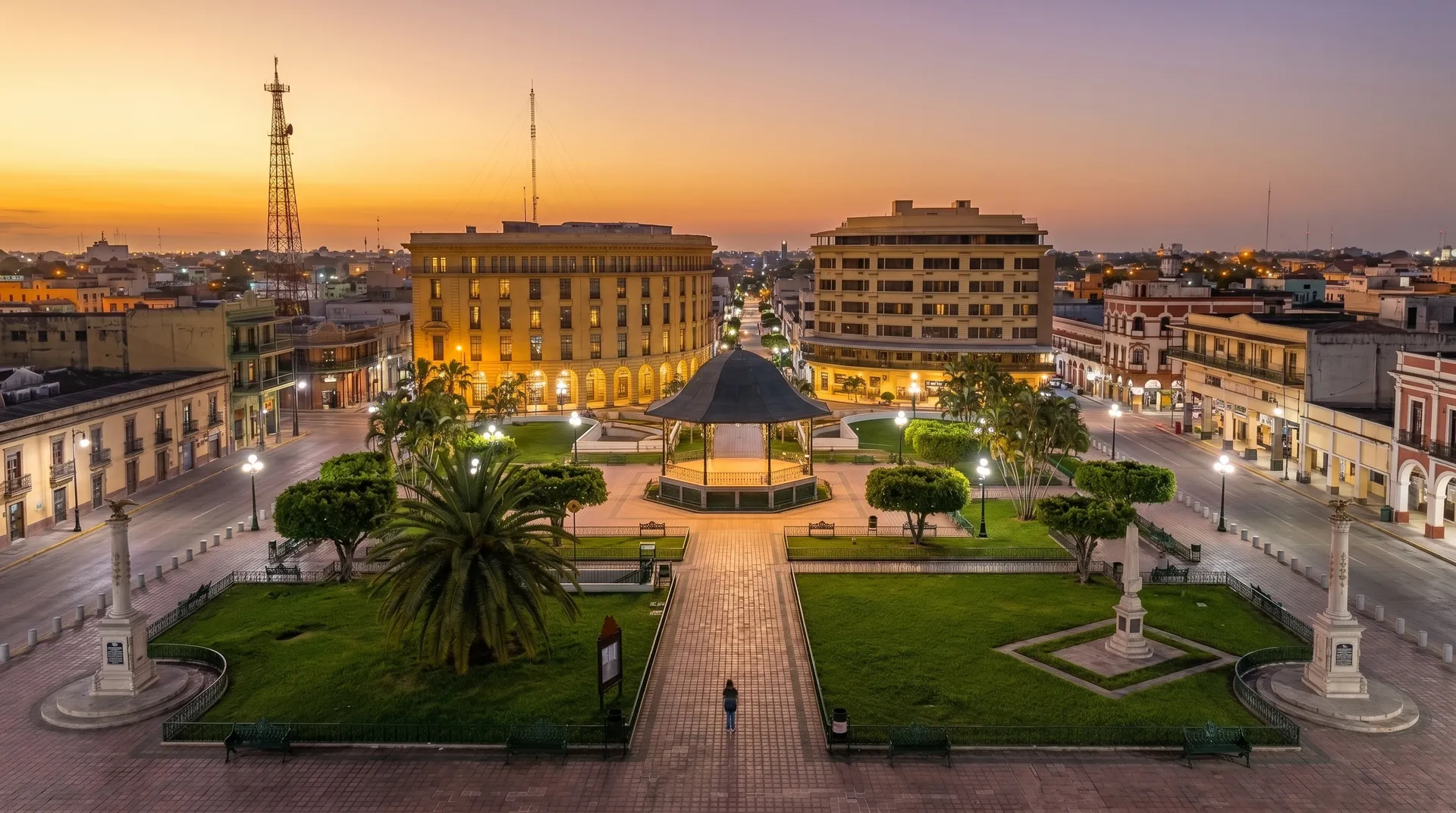
Tampico, Tamaulipas represents a crucial logistics gateway to Mexico's Gulf Coast, offering strategic access to both domestic and international markets. The city's location provides direct connections to Mexico's industrial heartland while maintaining proximity to major ports and border crossings. Tampico's infrastructure includes the Port of Tampico, comprehensive highway networks, and rail connections that facilitate efficient distribution throughout Mexico and beyond.
The region's economy is anchored in petrochemical production, agricultural processing, and manufacturing, creating diverse freight transportation requirements. Tampico's industrial base benefits from its proximity to major automotive manufacturing centers in central Mexico and its access to agricultural regions in northeastern Mexico. The city's transportation infrastructure supports both import and export operations, making it an ideal destination for companies seeking to establish or expand their presence in the Mexican market.










