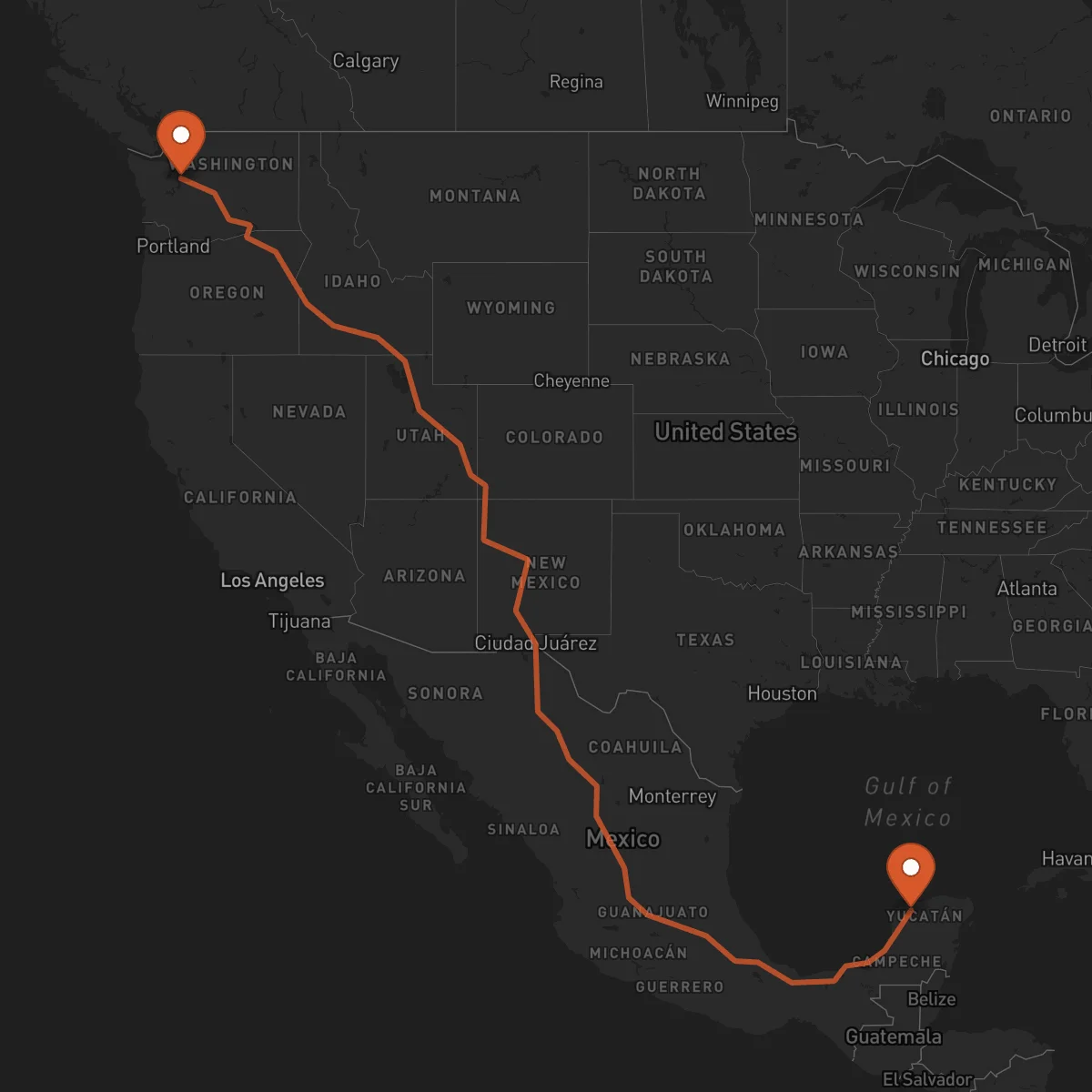
Seattle to Mérida
Mérida → SeattleFTL freight transportation service between Seattle and Mérida. Reliable logistics solutions for your business.
Route Description
Everything you need to know about the corridor Seattle - Mérida
The Seattle-Mérida corridor represents a vital logistics connection between the Pacific Northwest of the United States and the southeastern region of Mexico. This approximately 4,165 km route traverses diverse geographic and economic landscapes, connecting two dynamic markets with complementary industrial profiles. The corridor is particularly significant for companies engaged in cross-border trade between the United States and Mexico, facilitating the movement of goods through key economic zones along the way.
The transportation infrastructure along this route includes major interstate highways in the United States, such as I-5 and I-10, which connect to Mexico's Federal Highway 180 and other key routes leading to Mérida. The primary border crossing utilized for this corridor is typically Laredo/Nuevo Laredo, one of North America's busiest commercial ports of entry. Control Terrestre's expertise in navigating these border crossings ensures efficient customs clearance and minimizes transit delays for our clients.
This corridor serves a diverse range of industries, including automotive, aerospace, electronics, and agricultural products. The Seattle region, with its strong technology and manufacturing sectors, exports high-value goods southward, while Mérida and the Yucatán Peninsula receive and distribute products throughout southeastern Mexico. Control Terrestre's full truckload (FTL) services are specifically designed to meet the needs of companies requiring dedicated transportation solutions along this extensive route, ensuring cargo integrity and timely delivery.
Services for this Route
Available services for the corridor Seattle - Mérida
 Origin
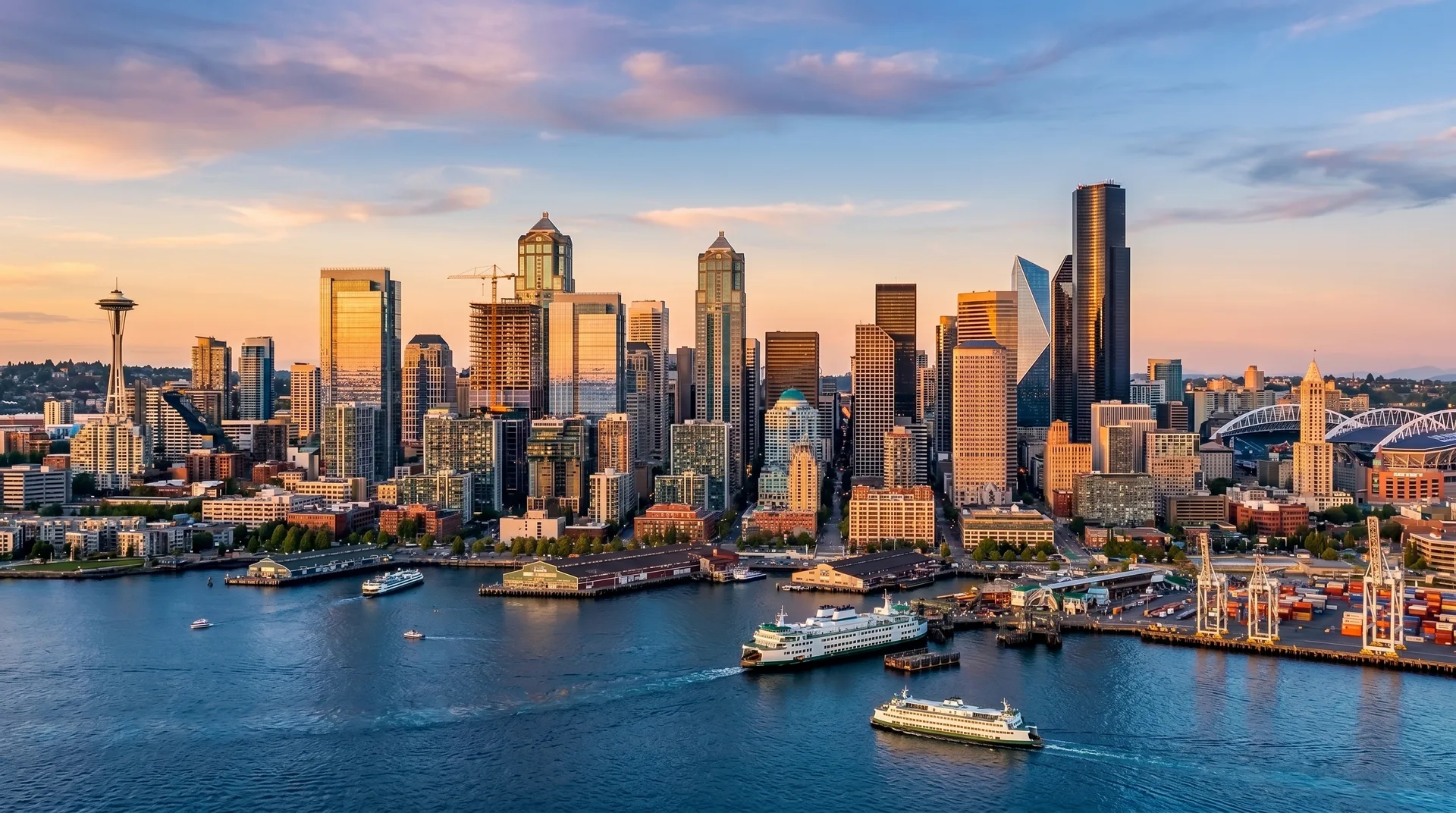
Seattle
Seattle, Washington, strategically positioned in the Pacific Northwest, serves as a major logistics hub with access to international ports, rail networks, and extensive highway systems. The city's location provides direct access to the Port of Seattle, one of the largest container ports in the United States, facilitating efficient international trade. Seattle's robust transportation infrastructure includes Interstate 5, which runs north-south through the city, connecting to major distribution networks across the western United States.
The region's economy is characterized by diverse industries including aerospace (home to Boeing's major operations), technology, maritime, and advanced manufacturing. The presence of major corporations and a skilled workforce has established Seattle as a center for innovation and high-value production. This industrial diversity creates consistent demand for reliable freight transportation services, particularly for time-sensitive and high-value cargo moving to markets throughout North America.
 Destination
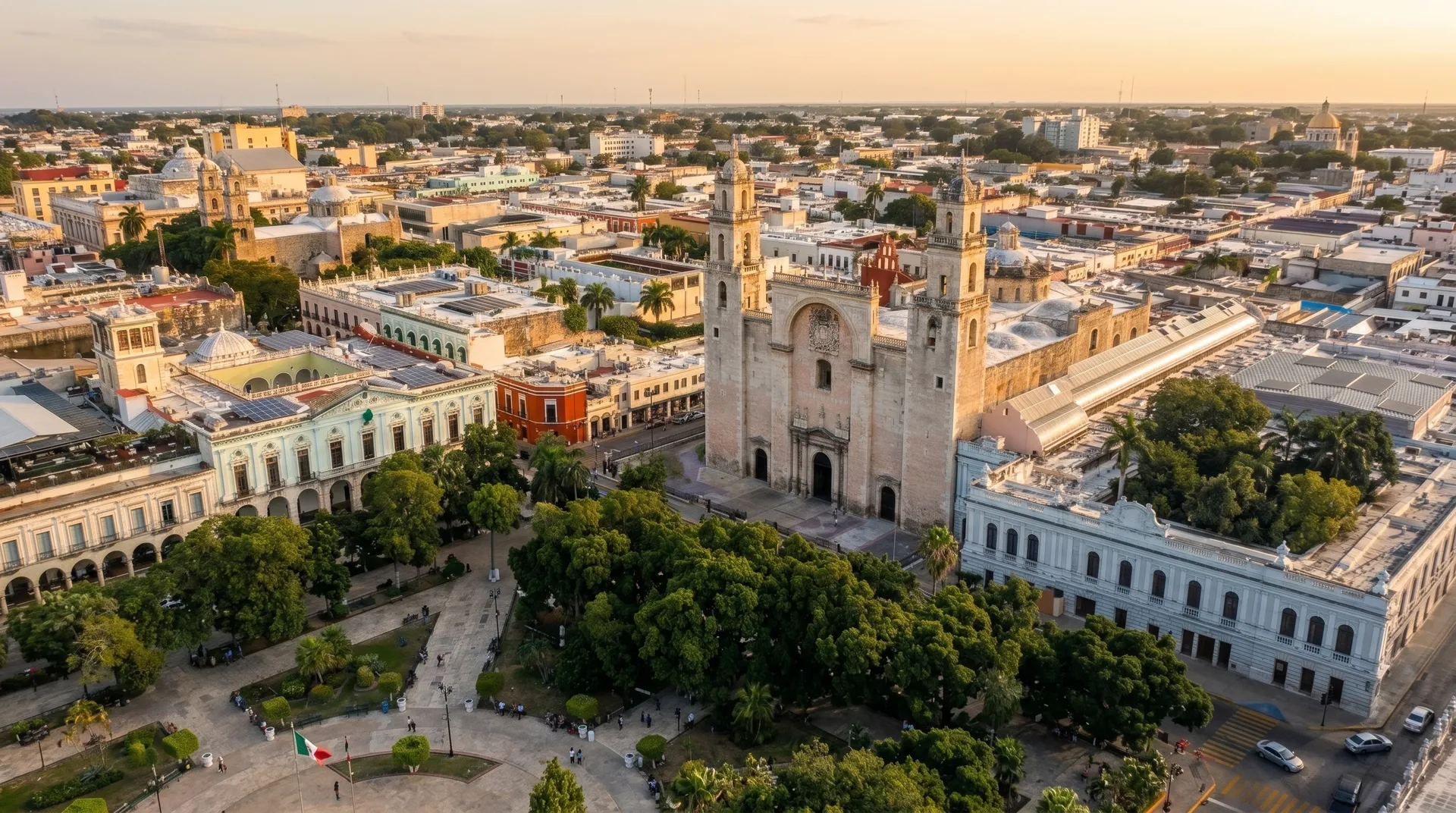
Mérida, the capital of Yucatán, occupies a strategic location in southeastern Mexico, serving as a gateway to the Yucatán Peninsula and connecting to major markets in Central America. The city's logistics infrastructure includes access to the Port of Progreso, located approximately 40 kilometers north, and well-maintained highway connections to other major Mexican cities. Federal Highway 180 and other regional routes provide reliable transportation links to the rest of the country.
The Mérida region has experienced significant economic growth, with key industries including tourism, agriculture, manufacturing, and services. The area's proximity to the Riviera Maya and other tourist destinations creates unique logistics demands for both inbound and outbound freight. Additionally, Mérida's developing industrial sector, particularly in aerospace and automotive components, generates consistent demand for cross-border freight services connecting to suppliers and customers in the United States and beyond.










