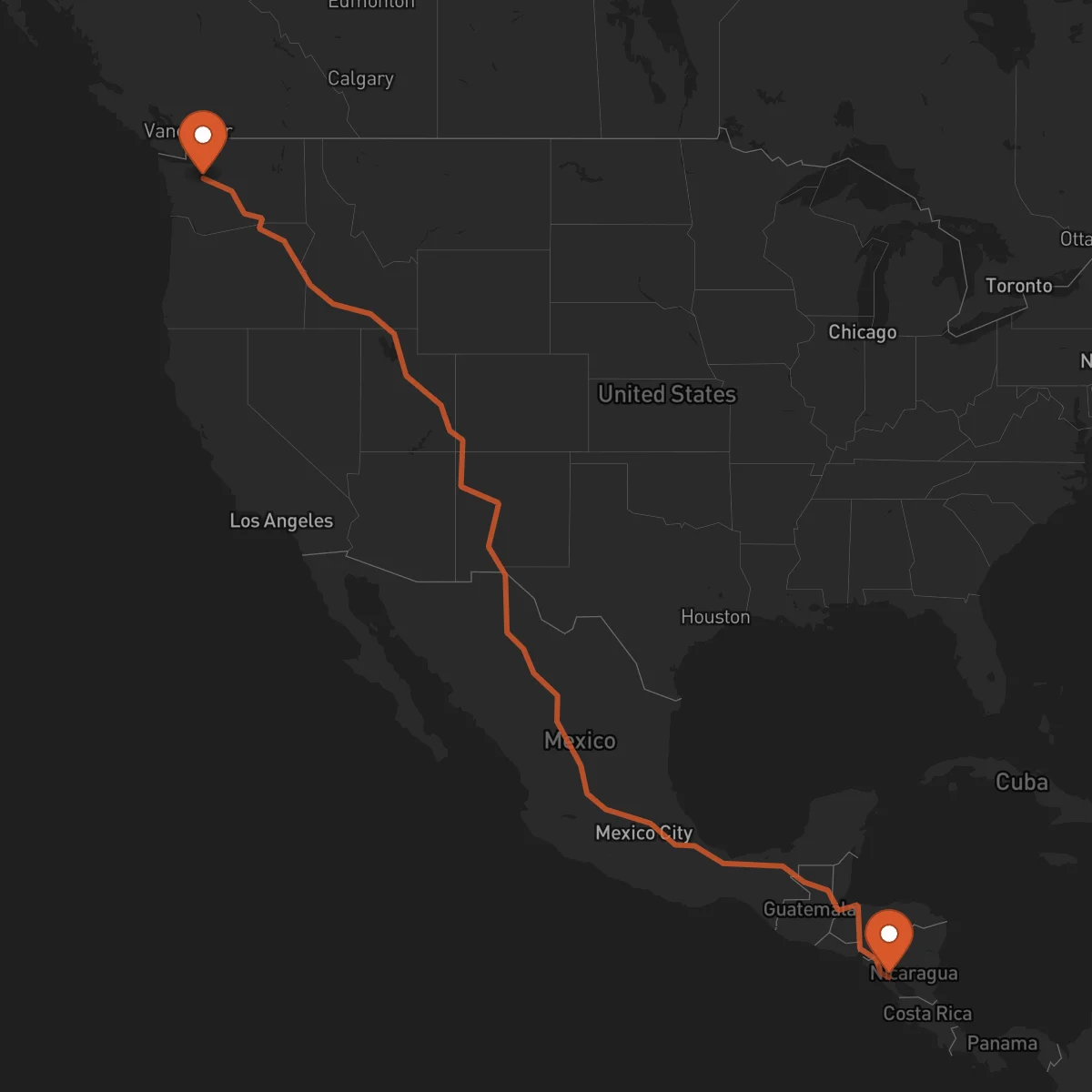
Seattle to Managua
Managua → SeattleFTL freight transportation service between Seattle and Managua. Reliable logistics solutions for your business.
Route Description
Everything you need to know about the corridor Seattle - Managua
The Seattle to Managua corridor is a critical North-South trade artery connecting the U.S. Pacific Northwest with the heart of Central America. This cross-border route spans approximately 5,177 km and serves as a vital conduit for diverse goods, linking advanced manufacturing hubs with emerging agricultural and industrial markets. Its strategic importance lies in enabling efficient supply chain integration between two dynamic economic zones, facilitating the flow of capital goods, consumer products, and raw materials across multiple national borders.
Economically, the corridor bridges the innovation-driven economy of Washington State with Nicaragua's resource-rich and growing manufacturing sector. Key industries leveraging this route include technology and aerospace manufacturers shipping components from Seattle, agricultural exporters moving Nicaraguan coffee, beef, and seafood to U.S. markets, and consumer goods distributors serving Central American populations. The corridor supports just-in-time inventory strategies for businesses requiring reliable, long-haul ground transportation.
Infrastructure relies on a network of major highways: starting on I-5 in Washington, traversing Mexico via routes like Mexico 15 and 190, continuing through Guatemala's CA-1, El Salvador's CA-1, Honduras' CA-5, and Costa Rica's CA-1 before reaching Nicaragua's Pan-American Highway segments. Critical border crossings include the Mexico-Guatemala border at Tecun Uman/Ciudad Hidalgo and the Costa Rica-Nicaragua border at Peñas Blancas. Each crossing presents unique customs procedures, documentation requirements, and regulatory considerations, particularly for specialized cargo.
Control Terrestre facilitates seamless operations on this complex corridor through our alliance of certified providers. Our partners hold essential credentials like C-TPAT, FAST, and BASC, which streamline U.S. exit and entry processes, while regional expertise ensures compliance with Central American customs protocols. We exclusively provide full truckload solutions—from dry vans and reefers to flatbeds and tankers—matching specific cargo needs. Our 'we' approach means we manage the entire cross-border complexity, offering a single point of contact for door-to-door service, allowing you to focus on your business while we handle the logistical nuances of this international route.
Services for this Route
Available services for the corridor Seattle - Managua
 Origin
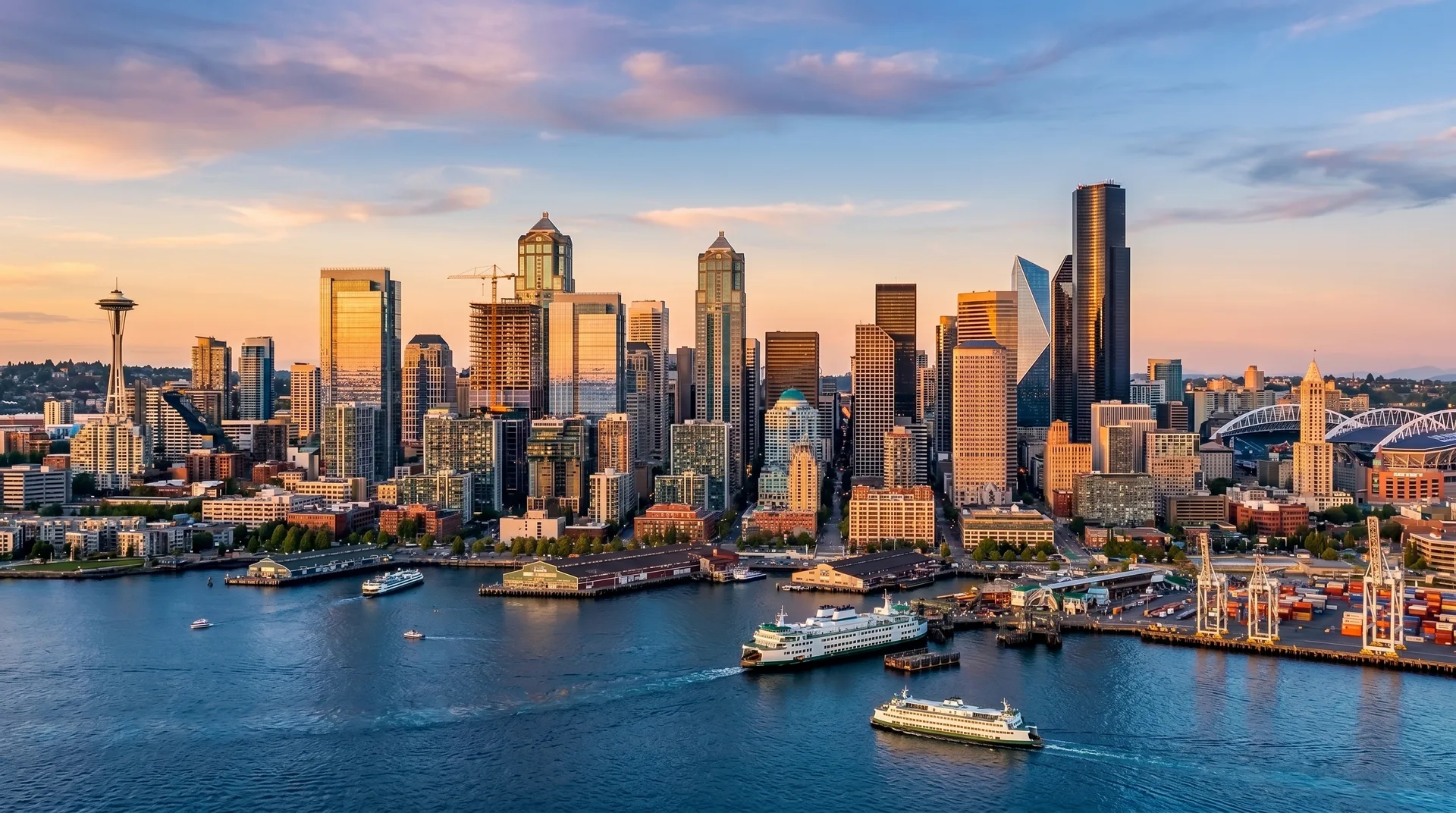
Seattle
Seattle, Washington, is a premier global logistics gateway with a strategic location on the Pacific Rim. Its status is anchored by the Port of Seattle, one of the nation's top container ports, and Seattle-Tacoma International Airport, providing robust intermodal connectivity. The region's economy is powered by advanced sectors including aerospace (Boeing), technology (Microsoft, Amazon), clean energy, and maritime manufacturing. This drives significant demand for outbound freight of high-value, time-sensitive components and finished goods. The city's infrastructure is supported by Interstate 5, the primary north-south corridor on the West Coast, and extensive rail networks, making it an optimal origin for long-haul domestic and international truckload shipments across the continent.
 Destination
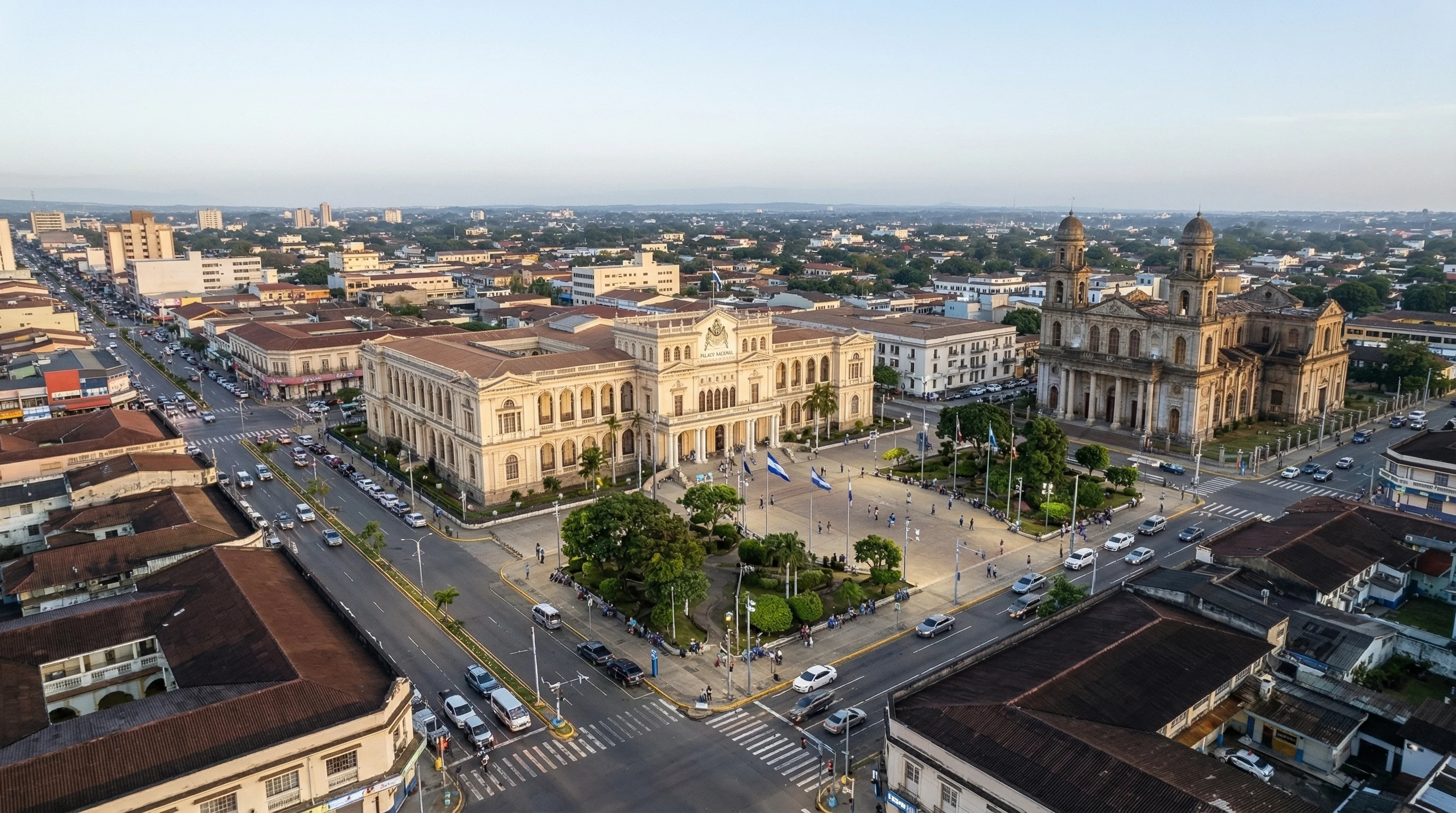
Managua, the capital of Nicaragua, serves as the nation's central logistics and distribution hub. Its strategic location in the middle of the country provides direct access to both Pacific and Caribbean ports via paved highways, facilitating connections to global shipping lanes. Economically, Managua is a focus for light manufacturing, food and beverage processing, and agricultural commerce, acting as a collection point for Nicaragua's key exports like coffee, beef, seafood, and textiles. The city is intersected by the Pan-American Highway (Nicaragua's RN1), the main north-south artery that enables efficient ground transport to neighboring Costa Rica, Honduras, and beyond. This infrastructure supports the movement of full truckloads into and out of the capital for regional distribution.










