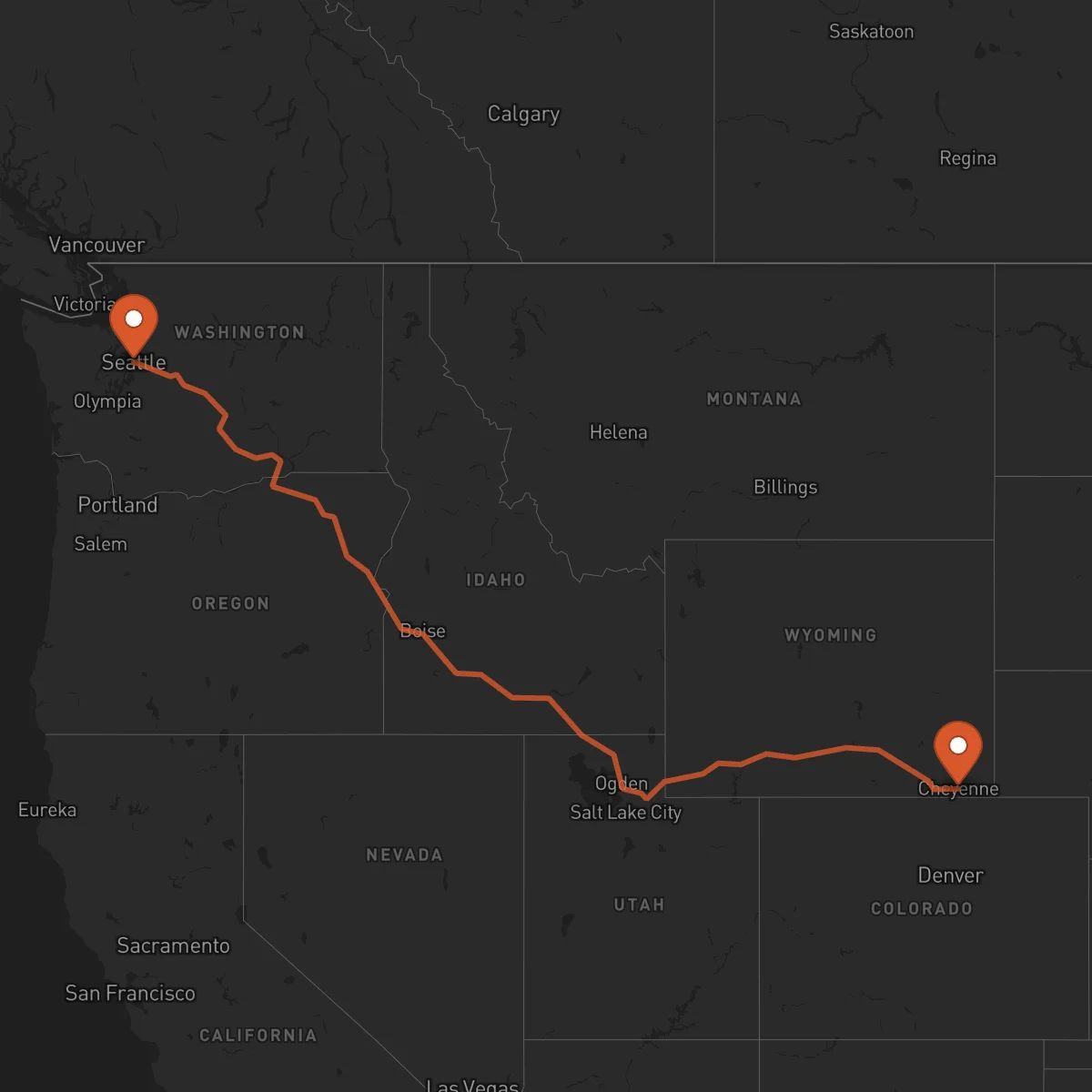
Seattle to Cheyenne
Cheyenne → SeattleFTL freight transportation service between Seattle and Cheyenne. Reliable logistics solutions for your business.
Route Description
Everything you need to know about the corridor Seattle - Cheyenne
The Seattle-Cheyenne corridor connects two key logistics hubs in the Northwestern and Rocky Mountain regions of the United States. This 1,562 km route traverses diverse terrain, from the Pacific Northwest's coastal landscapes to the high plains of Wyoming, creating a vital link for freight transportation between major industrial centers. The corridor serves as a critical supply chain artery, facilitating the movement of goods between the Puget Sound region's manufacturing and technology sectors and Wyoming's energy and agricultural industries.
The economic significance of this route is substantial, connecting Seattle's bustling port and aerospace manufacturing hub with Cheyenne's strategic location as a distribution center for the Rocky Mountain region. Major industries relying on this corridor include aerospace, technology, energy, agriculture, and retail distribution. The route primarily utilizes Interstate 90 and Interstate 25, providing reliable access through key cities like Spokane, Billings, and Casper, ensuring efficient freight movement across state lines.
Control Terrestre specializes in full truckload (FTL) transportation along this corridor, offering dedicated services that ensure your cargo moves directly from origin to destination without intermediate stops. Our strategic partnerships with certified carriers along the route guarantee consistent service quality, whether you're shipping high-tech equipment from Seattle's industrial parks or energy sector materials to Cheyenne's distribution centers.
Services for this Route
Available services for the corridor Seattle - Cheyenne
 Origin
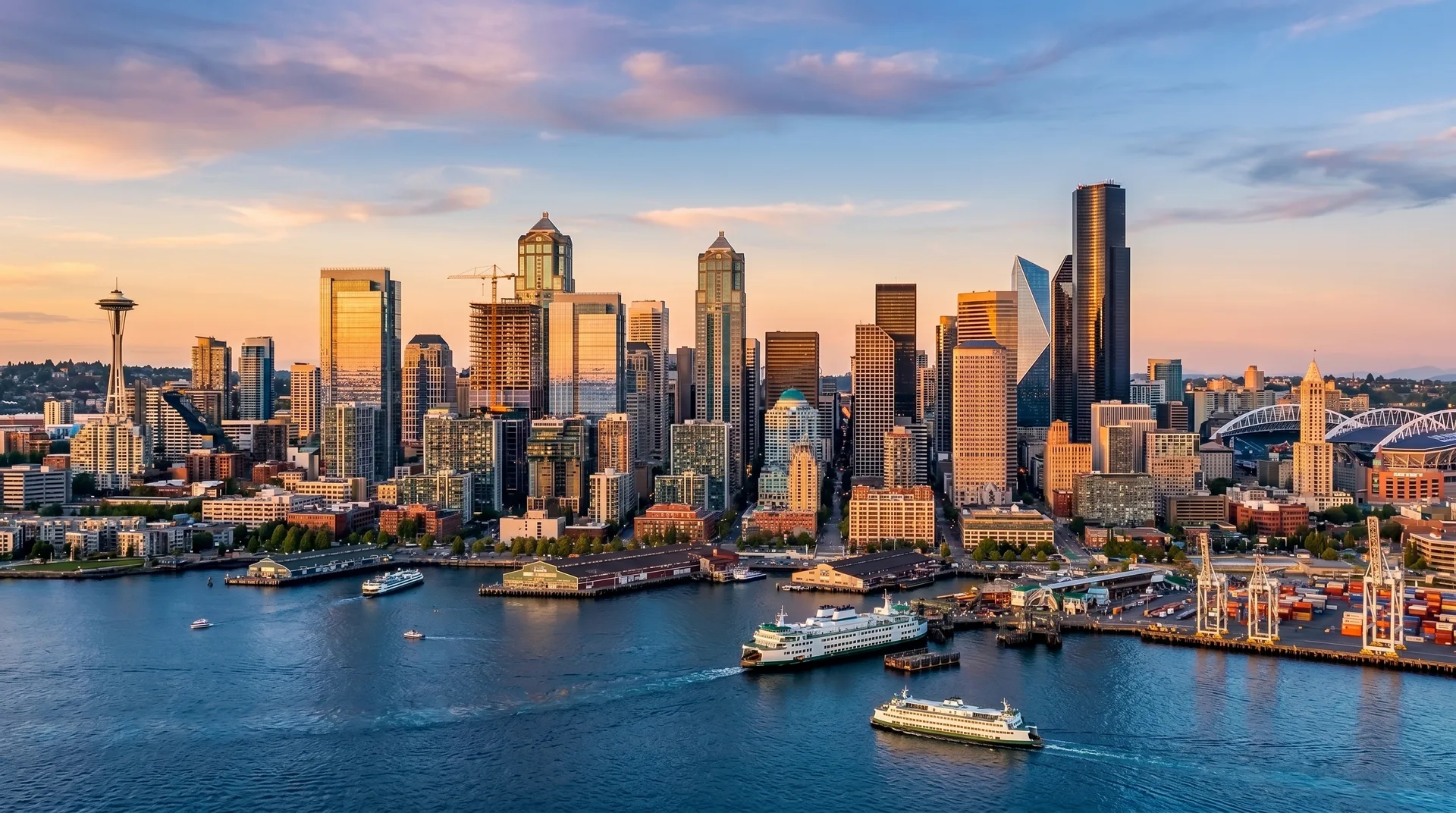
Seattle
Seattle serves as a major logistics hub on the West Coast, strategically positioned with access to the Port of Seattle, one of the largest container ports in North America. The city's robust transportation infrastructure includes multiple interstate highways (I-5, I-90), rail connections, and proximity to major international airports. Seattle's economy is driven by technology, aerospace (home to Boeing), maritime industries, and e-commerce, creating substantial freight movement needs. The region's industrial zones and distribution centers are well-connected to surrounding states, making it an ideal origin point for nationwide freight distribution.
 Destination
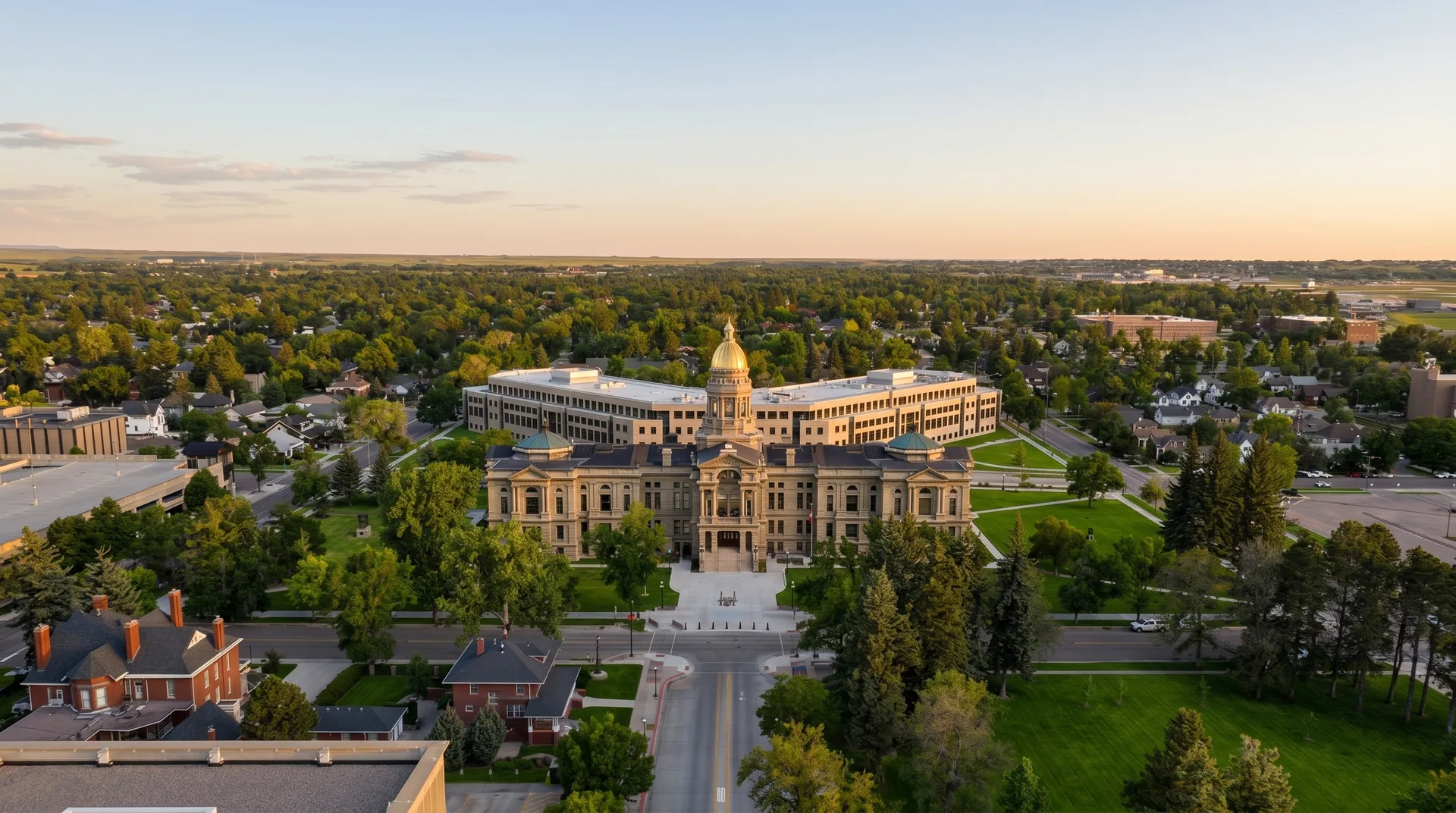
Cheyenne
Cheyenne, Wyoming's capital and largest city, occupies a strategic location at the crossroads of major transportation routes in the Rocky Mountain region. The city serves as a critical distribution hub for Wyoming and surrounding states, with excellent connectivity via I-25 and I-80. Cheyenne's economy centers on government services, logistics, energy, and agriculture, with a growing presence of distribution centers taking advantage of its central location. The city's infrastructure includes modern warehousing facilities and efficient highway access, making it an ideal destination for freight consolidation and regional distribution.










