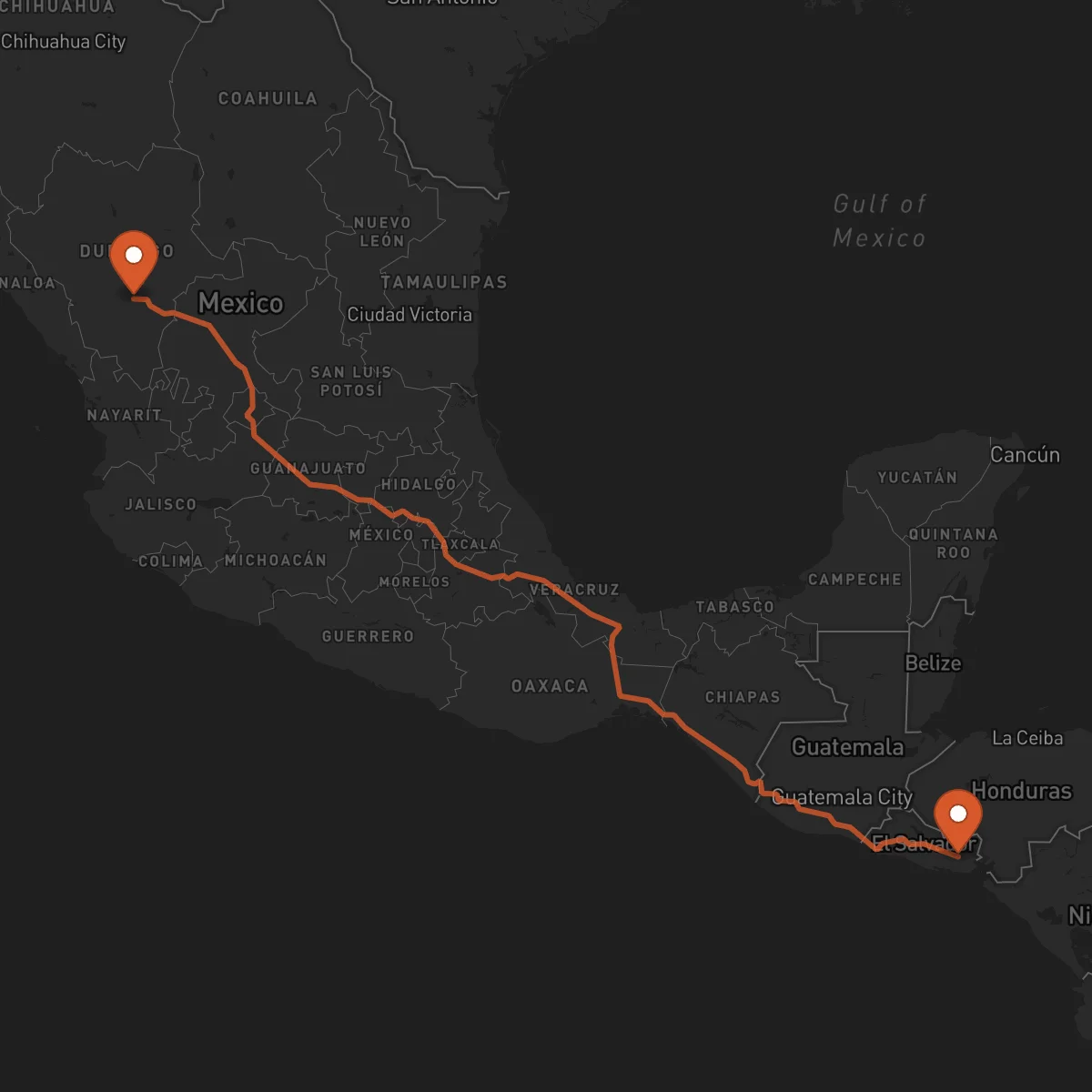
San Miguel to Durango
Durango → San MiguelFTL freight transportation service between San Miguel and Durango. Reliable logistics solutions for your business.
Route Description
Everything you need to know about the corridor San Miguel - Durango
The San Miguel to Durango corridor is a critical cross-border logistics artery connecting Central America to the industrial heartland of northern Mexico. Spanning approximately 2,091 km, this route bridges the economic zones of El Salvador and Mexico, facilitating the movement of goods essential for regional supply chains. Its strategic importance lies in serving as a primary conduit for trade between Central America and the U.S. border, leveraging Mexico's extensive manufacturing and mining sectors. Economically, the corridor supports vibrant industrial activities on both ends. In San Miguel, key sectors include textiles, food processing, and light manufacturing, while Durango is a hub for mining (gold, silver, iron), agriculture, and growing automotive and aerospace parts manufacturing. Major industries utilizing this corridor are exporters of Central American agricultural products and textiles, and importers of raw materials and machinery for Mexican industries, alongside cross-dock operations for U.S.-bound freight. The transportation infrastructure relies on a network of major highways: in Central America, the CA-1 provides the backbone from San Miguel to the border; in Mexico, Federal Highways 45 and 57 form the core route northward to Durango. The primary border crossing is at Tecún Umán, Guatemala / Ciudad Hidalgo, Mexico, a bustling port of entry. Navigating customs here requires expertise in documentation and compliance with Mexican and U.S. regulations, where programs like C-TPAT and FAST are vital for expedited clearance. Control Terrestre facilitates seamless operations on this corridor through our alliance of certified providers. We exclusively offer full truckload (FTL) solutions—dedicated, expedited, and specialized cargo—managing all cross-border complexities. Our partners hold key certifications (C-TPAT, FAST, BASC), ensuring efficient border processing and secure transport. We coordinate door-to-door service, handling customs brokerage and leveraging our network for reliable capacity on this high-demand route, allowing our clients to optimize their supply chains without the delays of consolidated freight.
Services for this Route
Available services for the corridor San Miguel - Durango
 Origin
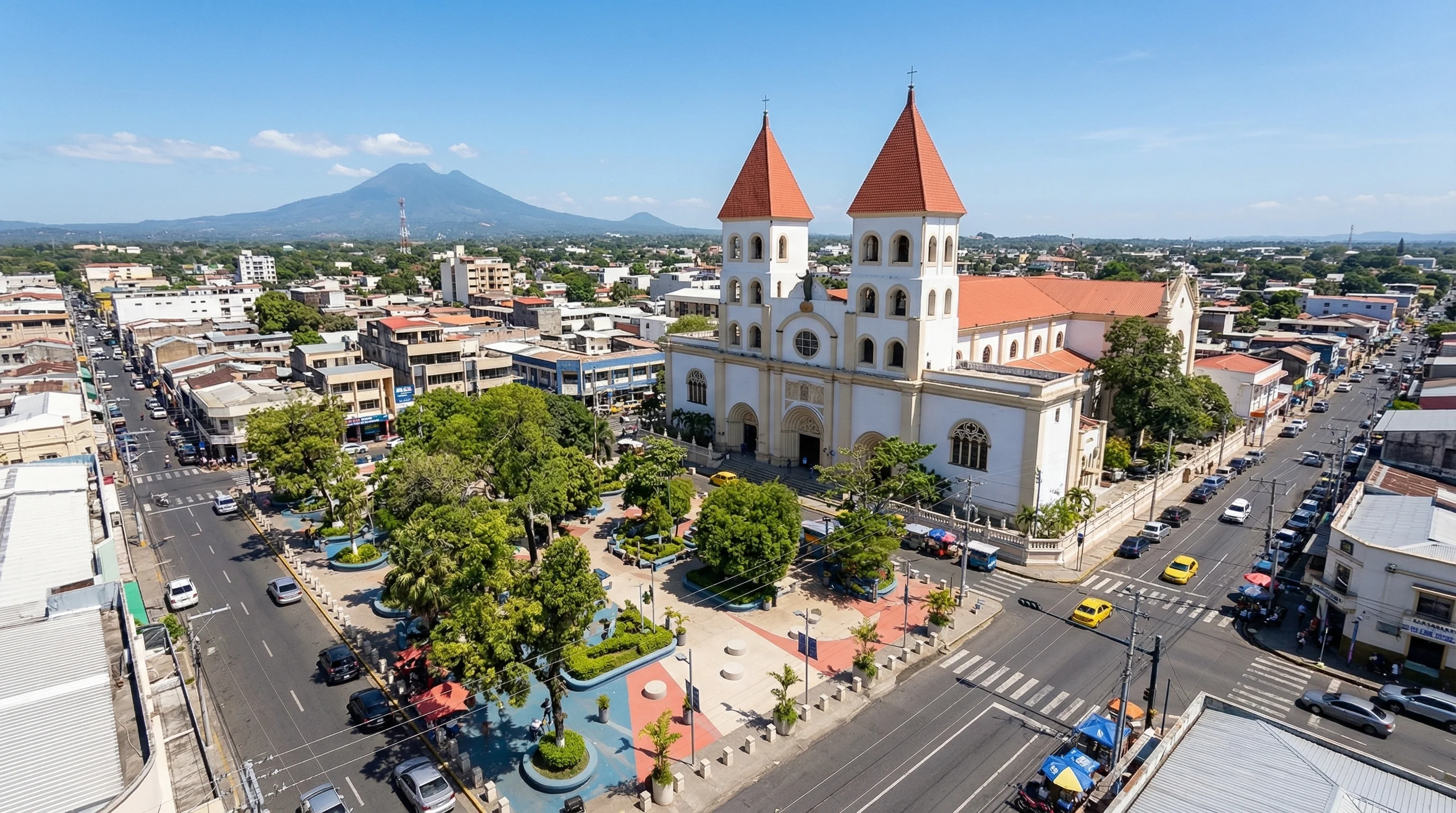
San Miguel
San Miguel, El Salvador, is a pivotal logistics origin in eastern El Salvador, strategically positioned near the Gulf of Fonseca and the port of Acajutla. This location offers direct access to Pacific shipping lanes and serves as a gateway to the Central American interior. The city's economy is driven by agriculture (coffee, sugar cane, sesame), textiles, and food processing industries, generating significant outbound freight. Key manufacturing zones and industrial parks around San Miguel produce goods for both regional consumption and export. Transportation infrastructure is robust for the region, anchored by the CA-1 highway (part of the Pan-American Network) which connects westward to the Guatemalan border and the port of Acajutla. Rail lines also serve the area, primarily for bulk agricultural and industrial cargo, complementing road networks. For freight forwarders, San Miguel provides a consolidated origin point for FTL shipments heading north, with well-established routes to the primary border crossing at Tecún Umán. The presence of logistics parks and warehousing near the city supports efficient cargo consolidation before cross-border transit, making it a vital starting node for corridors into Mexico and beyond.
 Destination
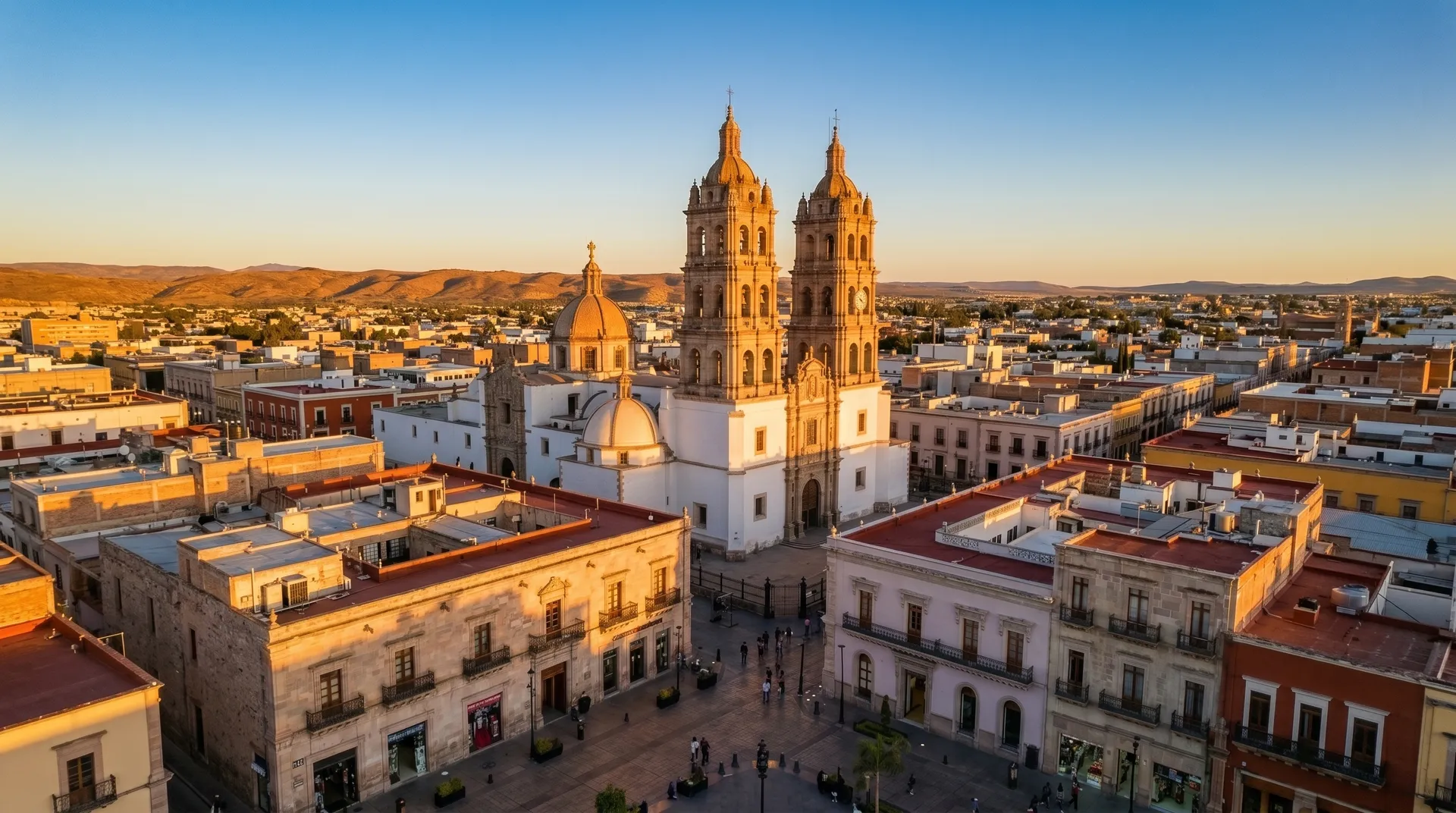
Durango, the capital of Durango state, is a major industrial and logistics hub in northern Mexico, strategically located along the central corridor to the U.S. border. Its significance stems from its role in Mexico's mining sector—it is a top producer of gold and silver—and its growing manufacturing base in automotive parts, aerospace components, and general industry. The surrounding region is also agriculturally productive, with outputs like corn, wheat, and lumber. This economic diversity generates substantial demand for inbound raw materials and outbound finished goods. Durango's infrastructure is a key strength. It is intersected by Mexican Federal Highway 45, the primary north-south artery connecting to the U.S. border at El Paso, Texas, and Ciudad Juárez. Federal Highway 40 also provides a vital east-west link to the Pacific port of Mazatlán. The city is served by a major rail line (Ferromex) with direct connections to U.S. networks, supporting intermodal options. For cross-border freight, Durango functions as a critical distribution center, with logistics parks and industrial zones equipped for FTL operations. Its location minimizes transit time to key U.S. markets, making it an essential destination for supply chains targeting the southwestern and central United States.










