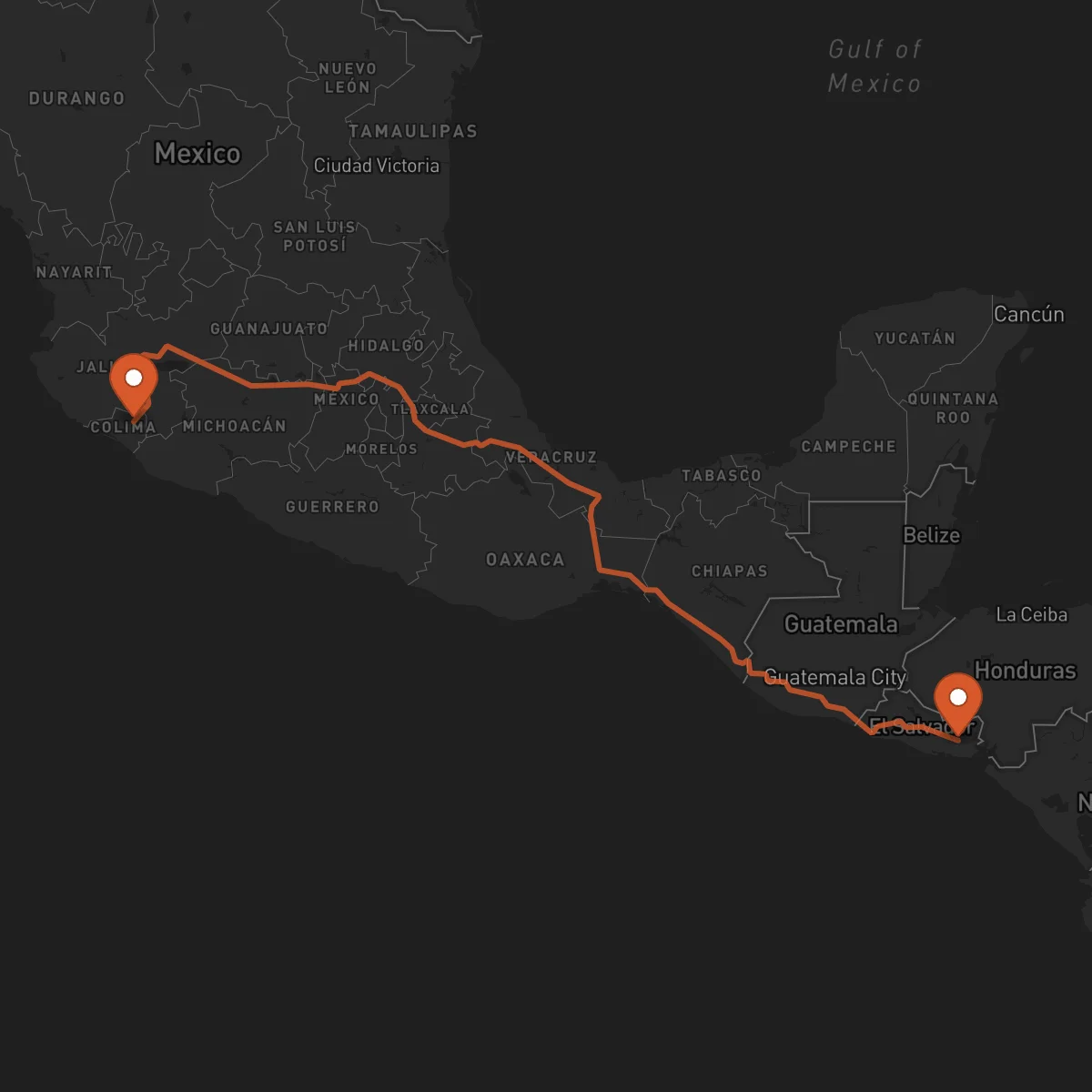
San Miguel to Colima
Colima → San MiguelFTL freight transportation service between San Miguel and Colima. Reliable logistics solutions for your business.
Route Description
Everything you need to know about the corridor San Miguel - Colima
The San Miguel, El Salvador to Colima, Mexico corridor is a strategic cross-border artery connecting Central America's industrial heartland with Mexico's vital Pacific coast. This approximately 1,777 km route facilitates the flow of goods between a key Salvadoran economic hub and a major Mexican port and agricultural center, serving as a critical link in regional supply chains. The corridor supports robust trade in manufactured goods, agricultural products, and raw materials, underpinned by a network of established highways that traverse diverse terrain from Salvadoran highlands through Guatemalan and Mexican landscapes to the coastal plains of Colima. Key infrastructure includes El Salvador's CA-1 highway, which connects San Miguel to the Guatemalan border, and Mexico's Federal Highways 200 and 110, providing direct access to the port of Manzanillo and Colima's industrial zones. Navigating this corridor requires expertise in cross-border logistics, including compliance with customs regulations in both countries. Control Terrestre facilitates seamless operations on this route by leveraging our alliance of certified providers. Our partners hold essential credentials such as C-TPAT, FAST, and BASC, ensuring secure and efficient transit through border crossings like the Guatemala-Mexica (Tecún Umán/ Ciudad Hidalgo) and subsequent Mexican customs checkpoints. We coordinate dedicated, full truckload (FTL) movements—including dry vans, reefers, and flatbeds—tailored to the specific demands of this north-south trade lane, managing the complexities of international documentation and transit to provide our clients with a streamlined, human-centric logistics solution.
Services for this Route
Available services for the corridor San Miguel - Colima
 Origin
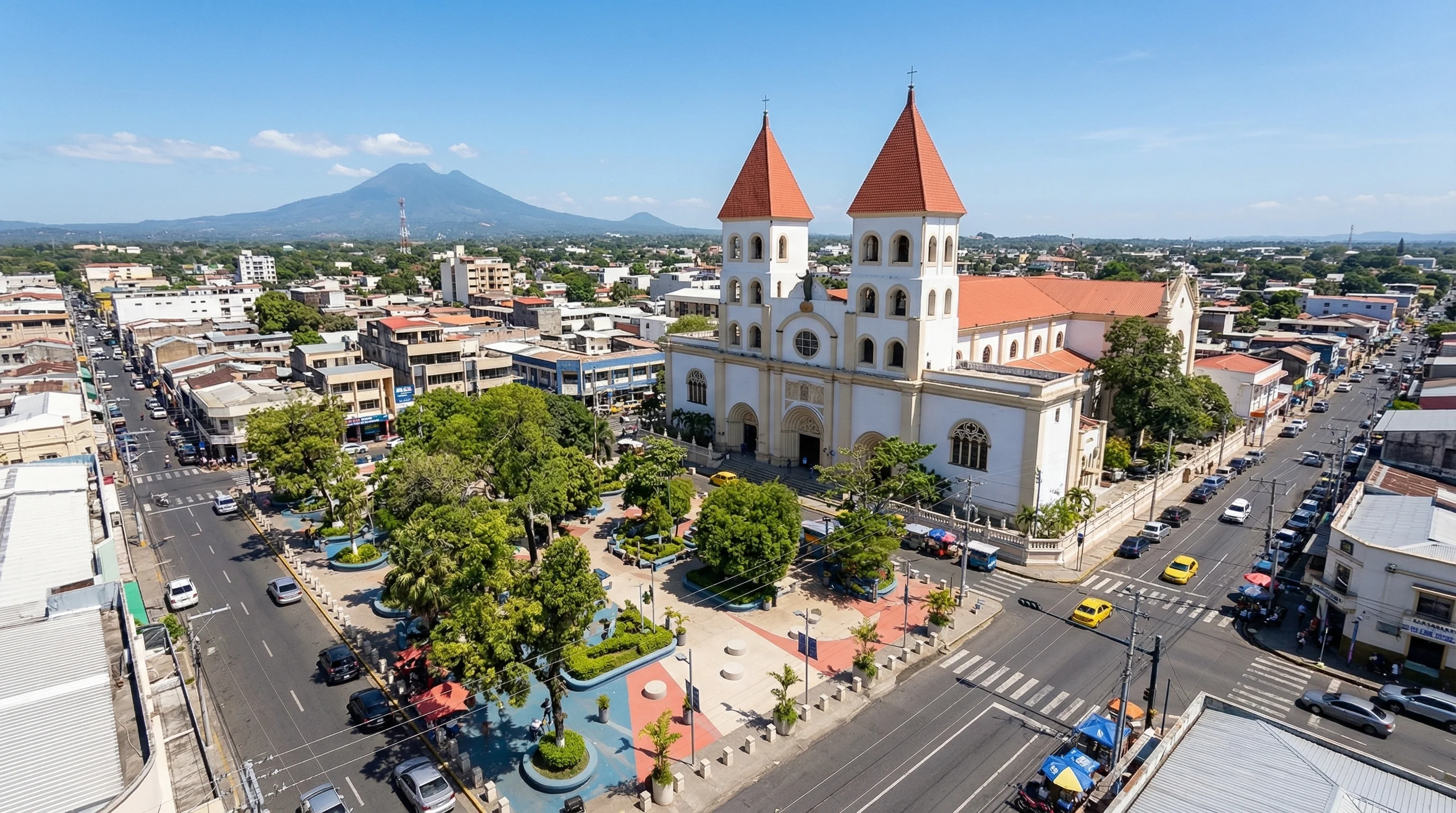
San Miguel
San Miguel, El Salvador, is a pivotal logistics and industrial hub in eastern El Salvador, strategically positioned along the country's primary east-west corridor. The city serves as a major economic center for the region, with its economy driven by robust manufacturing, particularly textiles and apparel, as well as significant agricultural production including coffee, sugar cane, and livestock. Its strategic location provides direct access to the CA-1 highway, the main arterial road connecting the capital, San Salvador, to the eastern departments and the Guatemalan border at Anguiatú. This infrastructure is crucial for consolidating goods destined for export northward. Additionally, San Miguel benefits from proximity to rail lines that support regional cargo movement, further enhancing its role as a distribution point for Central American trade. For shippers, San Miguel offers a well-established base for gathering full truckload (FTL) consignments from the surrounding industrial and agricultural zones, making it an optimal origin point for cross-border freight into Mexico.
 Destination
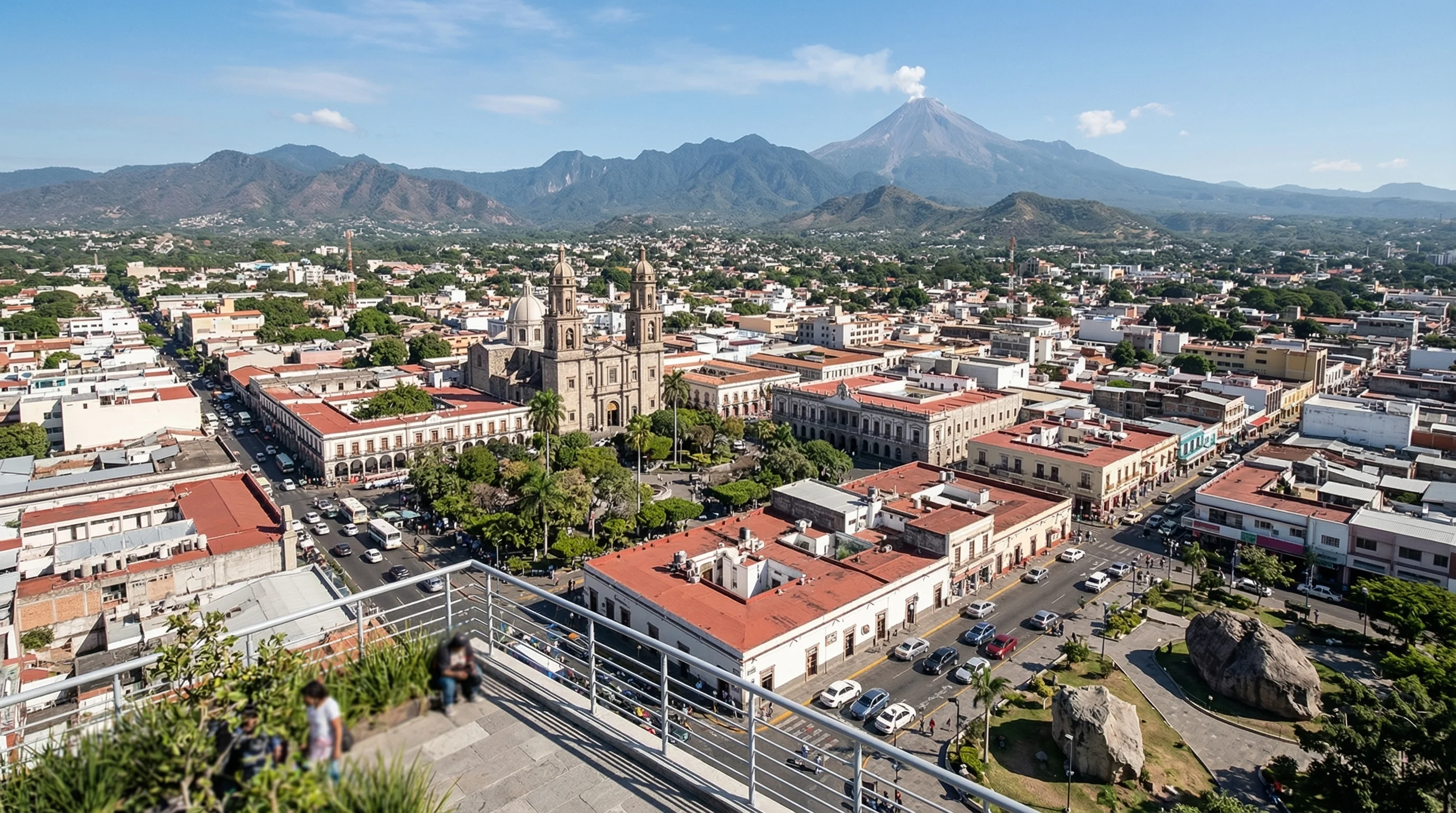
Colima, located on Mexico's Pacific coast, is a strategically vital destination and transshipment hub. The state's economy is anchored by the port of Manzanillo, one of Mexico's busiest ports, which handles a vast volume of containerized and bulk cargo. This makes Colima a critical gateway for imports and exports flowing between Asia, the Americas, and the interior of Mexico. Key industries include agriculture (citrus, bananas, and coconut plantations), food processing, and light manufacturing. The city of Colima is well-connected by Federal Highway 200, which runs along the coast and links to major inland cities like Guadalajara, and Highway 110, providing a direct route to the port. This infrastructure supports efficient last-mile and first-mile distribution for full truckload (FTL) freight. For logistics operators, Colima represents a high-volume destination where goods from Central America are either consumed locally or transferred for wider national distribution, demanding reliable and specialized transportation solutions to navigate its busy port environs and industrial parks.










