Colima to San Miguel
San Miguel → ColimaFTL freight transportation service between Colima and San Miguel. Reliable logistics solutions for your business.
Route Description
Everything you need to know about the corridor Colima - San Miguel
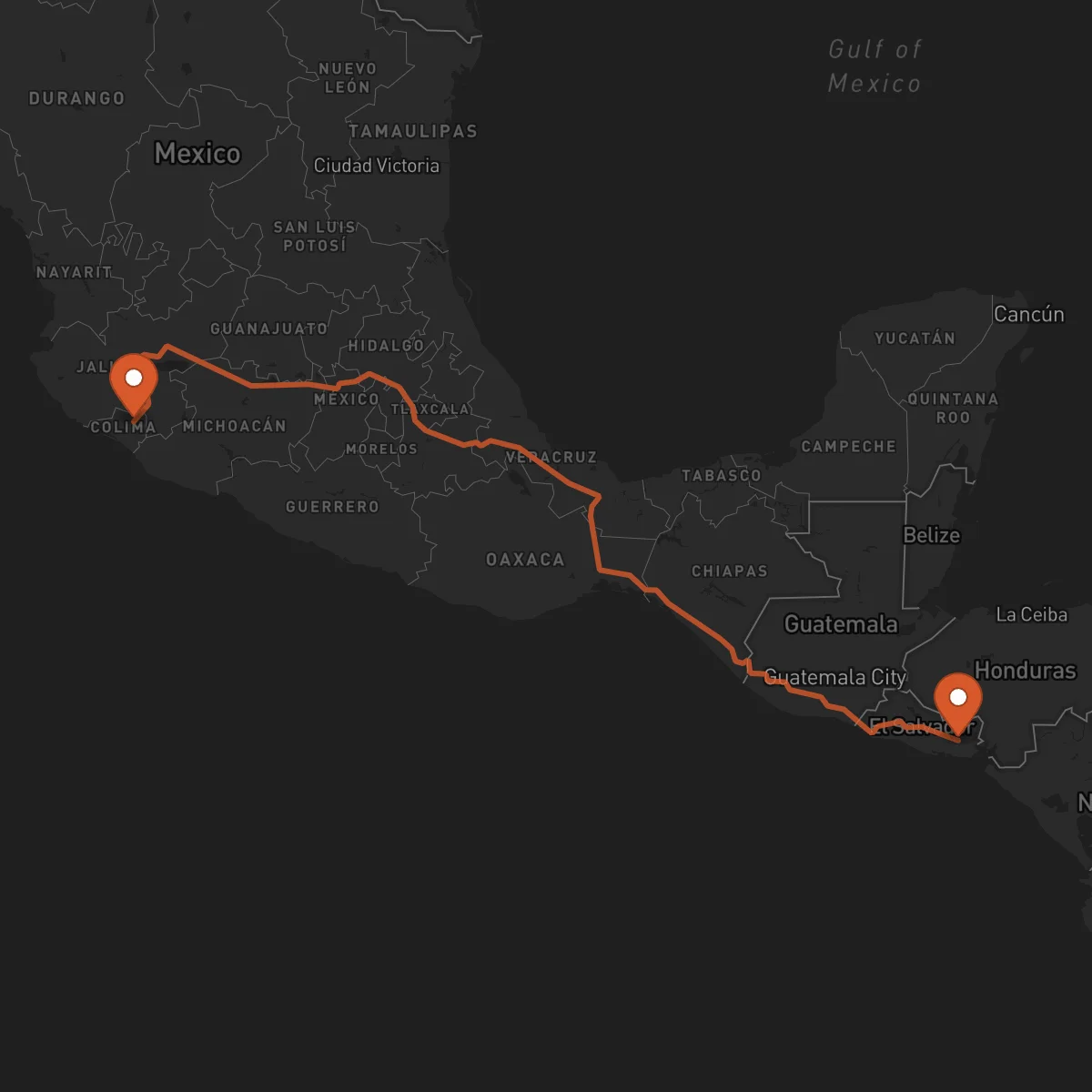
The logistics corridor connecting Colima, Mexico, to San Miguel, El Salvador, represents a critical trade artery linking Mexico's Pacific coast with Central America's eastern commercial hubs. This approximately 1,777 km cross-border route is strategically vital for regional economic integration, enabling efficient movement of goods between two dynamic production and consumption centers. It supports the broader Mesoamerica trade network, facilitating commerce across international boundaries while navigating diverse regulatory environments.
Economically, the corridor serves regions with complementary industrial strengths. The area around Colima is characterized by agriculture, port-related logistics, and manufacturing, while San Miguel and eastern El Salvador are hubs for agriculture, textiles, and food processing. Key industries utilizing this route include agribusiness (coffee, sugar, tropical fruits), food and beverage manufacturing, consumer goods distribution, and industrial components. The consistent demand from these sectors requires reliable, high-capacity transportation solutions.
Infrastructure along the corridor relies primarily on the Pan-American Highway network, with key segments including Mexico's Federal Highway 200 and Central America's CA-1. The route involves two principal border crossings: Mexico-Guatemala at Ciudad Hidalgo/El Carmen, and Guatemala-El Salvador at San Cristóbal/El Poy. Each crossing presents unique customs procedures, documentation requirements, and security protocols that must be expertly managed to avoid delays.
Control Terrestre facilitates seamless operations on this corridor through our alliance of certified transportation providers. Our partners hold essential credentials including C-TPAT, FAST, BASC, and Responsible Care, ensuring compliance at every border. We manage all cross-border complexities—from customs brokerage to security protocols—offering door-to-door full truckload (FTL) service. Whether you require dedicated capacity, expedited transit, or specialized handling for refrigerated, oversized, or hazardous materials, we coordinate every detail to optimize your supply chain across this international route.
Services for this Route
Available services for the corridor Colima - San Miguel
 Origin
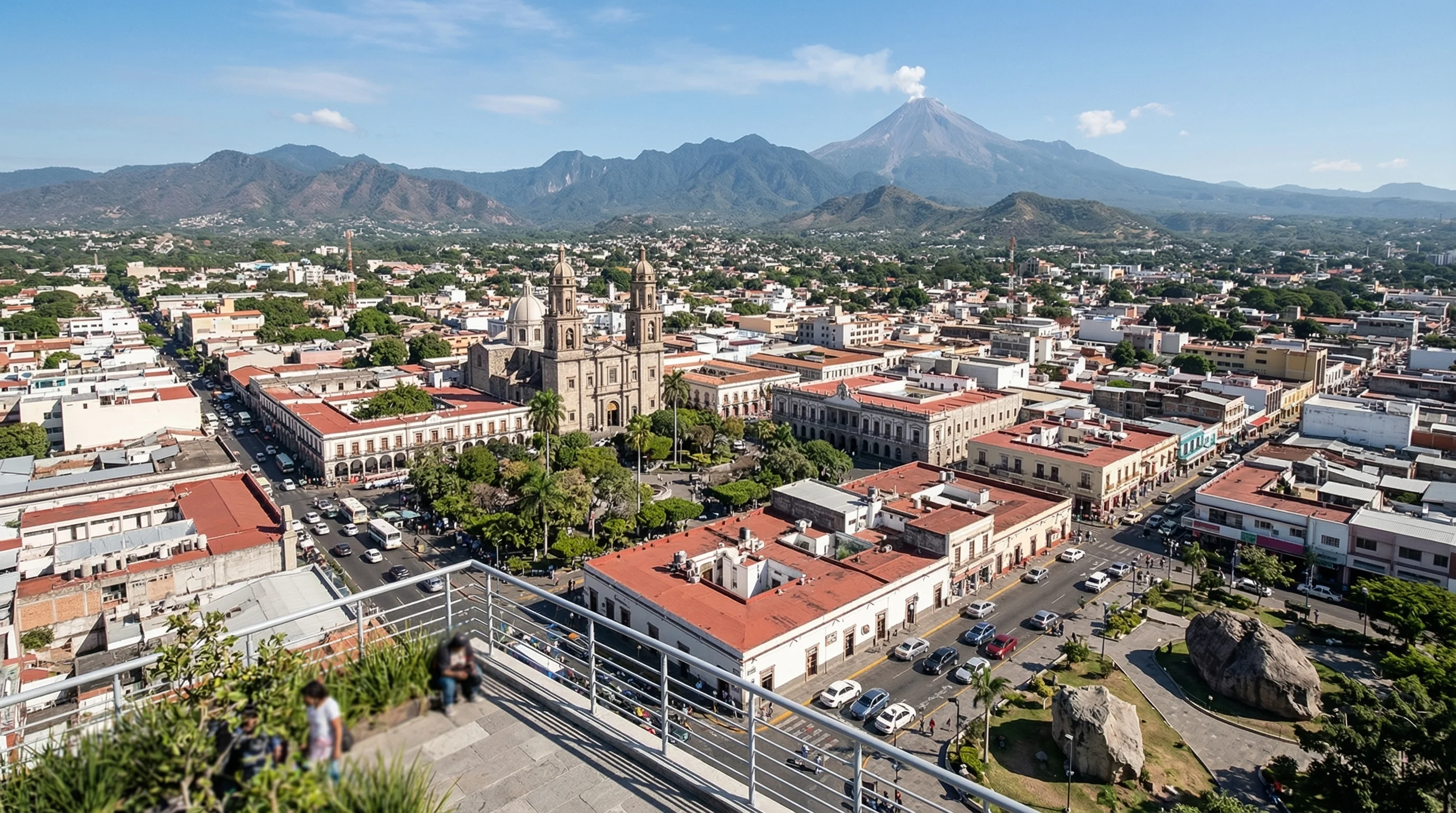
Colima, situated on Mexico's Pacific coast, is a strategic logistics origin primarily due to the Port of Manzanillo, one of Mexico's busiest container ports. This maritime gateway handles significant import and export volumes, creating steady demand for inland freight distribution. The state's economy is anchored by agriculture (citrus, coconut, coffee), tourism, and manufacturing, including food processing and light industry. Its coastal location provides direct access to major Pacific shipping lanes.
Transportation infrastructure is robust, centered around Federal Highway 200, which runs parallel to the coast and connects the port to interior Mexico and the Guatemalan border. Federal Highway 110 provides additional north-south connectivity. The Manzanillo International Airport also supports time-sensitive air cargo, though the corridor predominantly relies on road networks. This infrastructure enables efficient consolidation of goods from the port and local industries for cross-border transportation into Central America.
 Destination
San Miguel
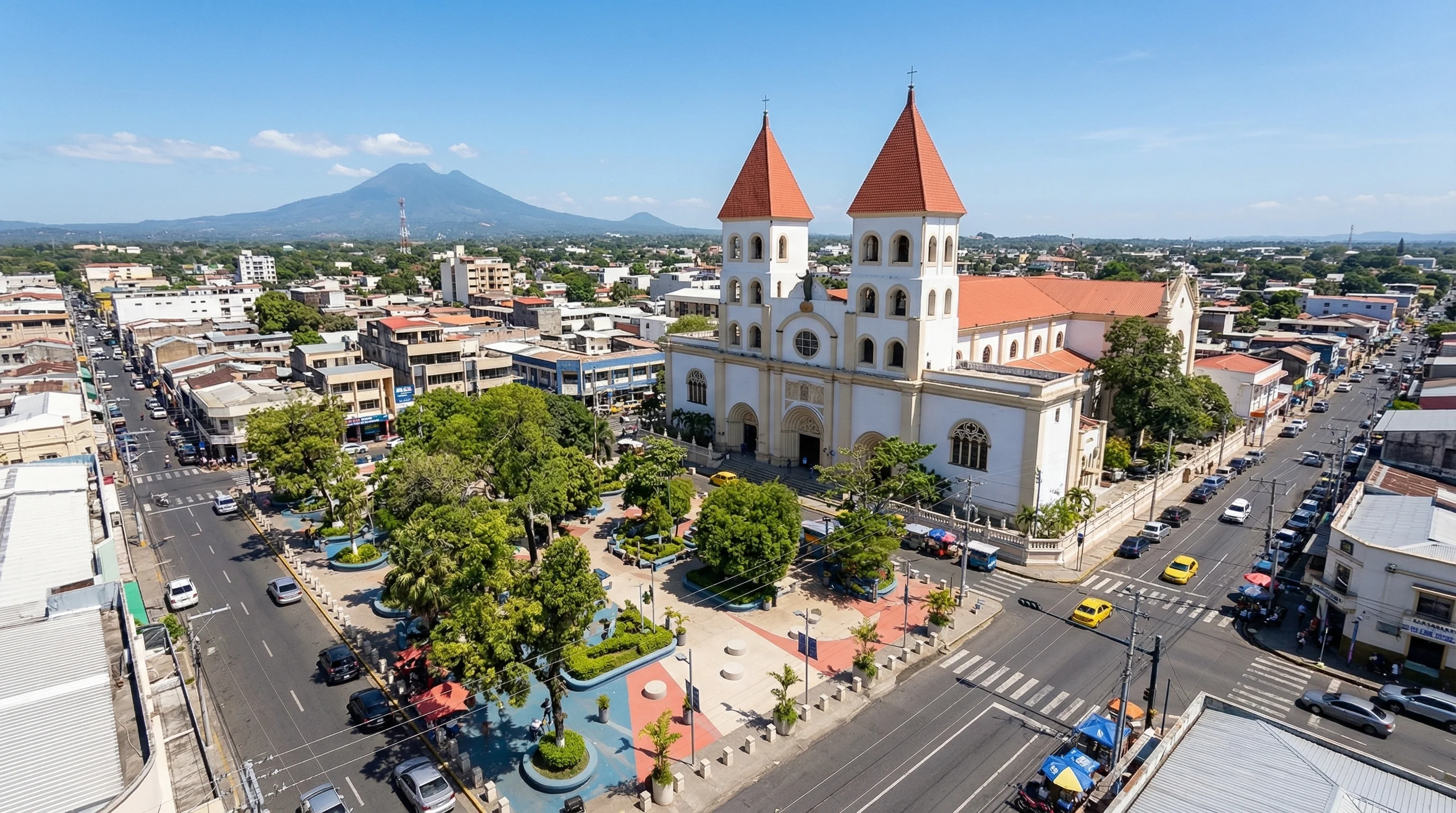
San Miguel, El Salvador, is a major commercial and industrial center in eastern El Salvador, strategically positioned near the borders with Honduras and Guatemala. Its location makes it a pivotal distribution hub for the region, serving as a gateway for goods moving throughout Central America. The city's economy is driven by agriculture (coffee, sugar, grains), textile manufacturing, food processing, and a vibrant commercial sector that supplies the eastern part of the country.
The city's logistics infrastructure is defined by its connectivity to the Pan-American Highway (CA-1), which links it to San Salvador, the Guatemalan border, and the Honduran border. This main artery is supplemented by a network of regional roads that distribute goods to surrounding agricultural and industrial zones. While San Miguel has a domestic airport (El Papalón), the vast majority of freight arrives via road transportation. The presence of established warehousing and logistics services in the area supports efficient last-mile distribution and cross-border transshipment.










