
San Miguel to Austin
Austin → San MiguelFTL freight transportation service between San Miguel and Austin. Reliable logistics solutions for your business.
Route Description
Everything you need to know about the corridor San Miguel - Austin
The San Miguel to Austin corridor represents a vital logistics connection between Central America and the United States, spanning approximately 2,109 kilometers. This cross-border route facilitates the movement of goods from El Salvador's industrial base to one of Texas's most dynamic economic centers. The corridor serves as a crucial link in the supply chain for companies operating between these regions, connecting manufacturing hubs with major U.S. markets.
The economic significance of this corridor extends across multiple sectors. San Miguel, as a key industrial center in El Salvador, produces a diverse range of goods including textiles, processed foods, and manufactured products. Austin, meanwhile, stands as a major technology and business hub, creating demand for various imports while also serving as a distribution point for goods throughout the central United States. This complementary economic relationship drives consistent freight movement along the route.
The transportation infrastructure supporting this corridor includes major highways such as CA-1 in El Salvador, connecting to the Pan-American Highway, and continuing through Guatemala and Mexico before reaching the U.S. border. Key border crossings at Laredo or Brownsville provide access to the U.S. interstate system, with I-35 serving as the primary route to Austin. Control Terrestre's expertise in managing cross-border operations ensures seamless coordination across multiple jurisdictions, handling customs documentation, regulatory compliance, and the complexities of international freight transportation.
Services for this Route
Available services for the corridor San Miguel - Austin
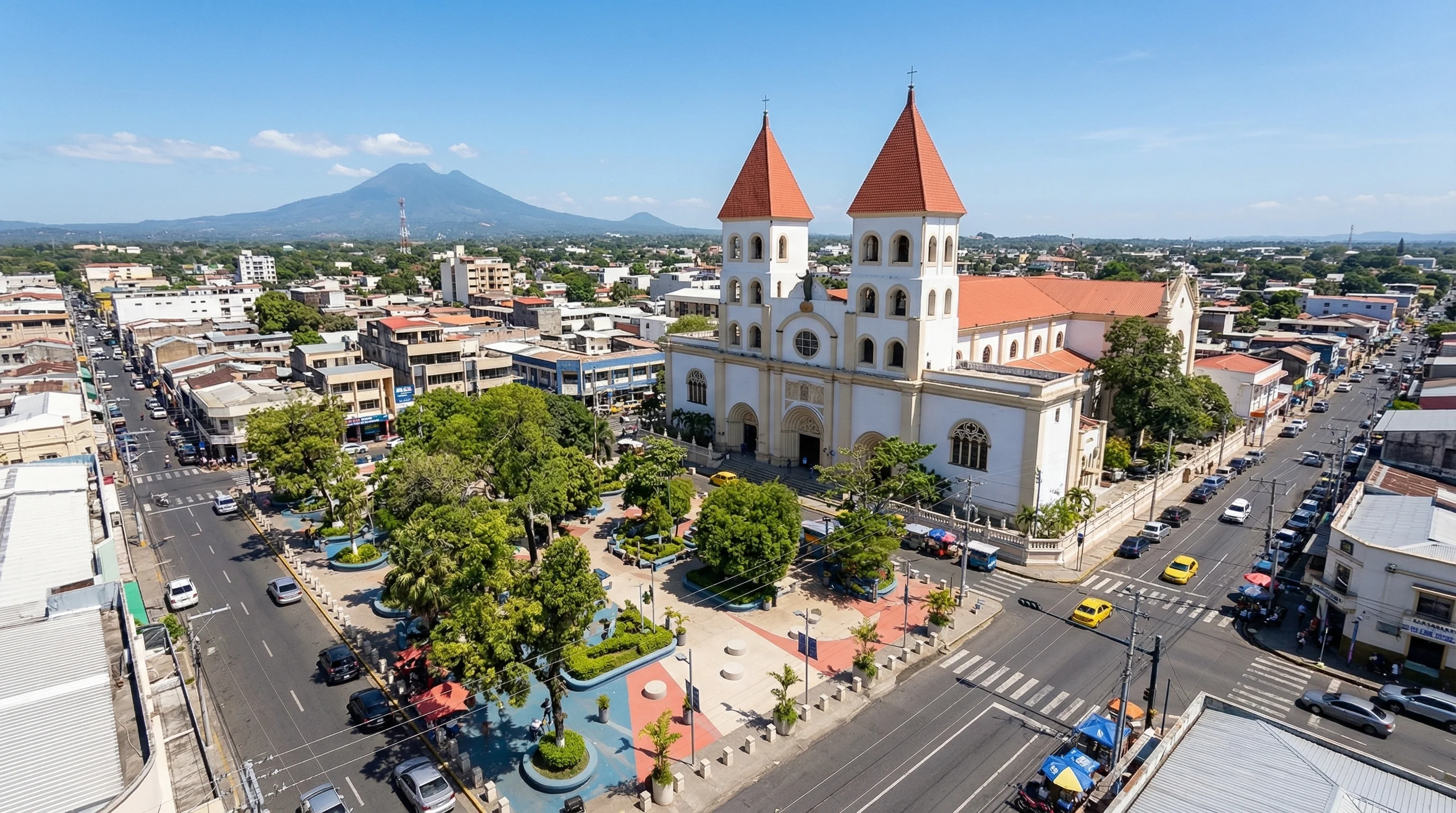 Origin
San Miguel
San Miguel, located on El Salvador's eastern coast, serves as a strategic logistics hub for the country's eastern region. The city's proximity to major ports and its position as an industrial center make it an ideal origin point for freight transportation. San Miguel hosts various manufacturing facilities, particularly in textiles, food processing, and light industry, generating consistent freight volumes for export. The region benefits from well-developed road infrastructure connecting to the Pan-American Highway and other major routes, facilitating efficient cargo movement to international destinations.
 Destination
Austin
Austin, Texas, stands as a major logistics and economic center in the southern United States. The city's strategic location along Interstate 35 provides excellent connectivity to major markets across Texas and the central U.S. Austin's diverse economy spans technology, manufacturing, healthcare, and education sectors, creating substantial demand for both inbound and outbound freight services. The metropolitan area features modern warehousing facilities, intermodal yards, and distribution centers, supported by a robust transportation network that includes major highways, rail connections, and proximity to international airports.










