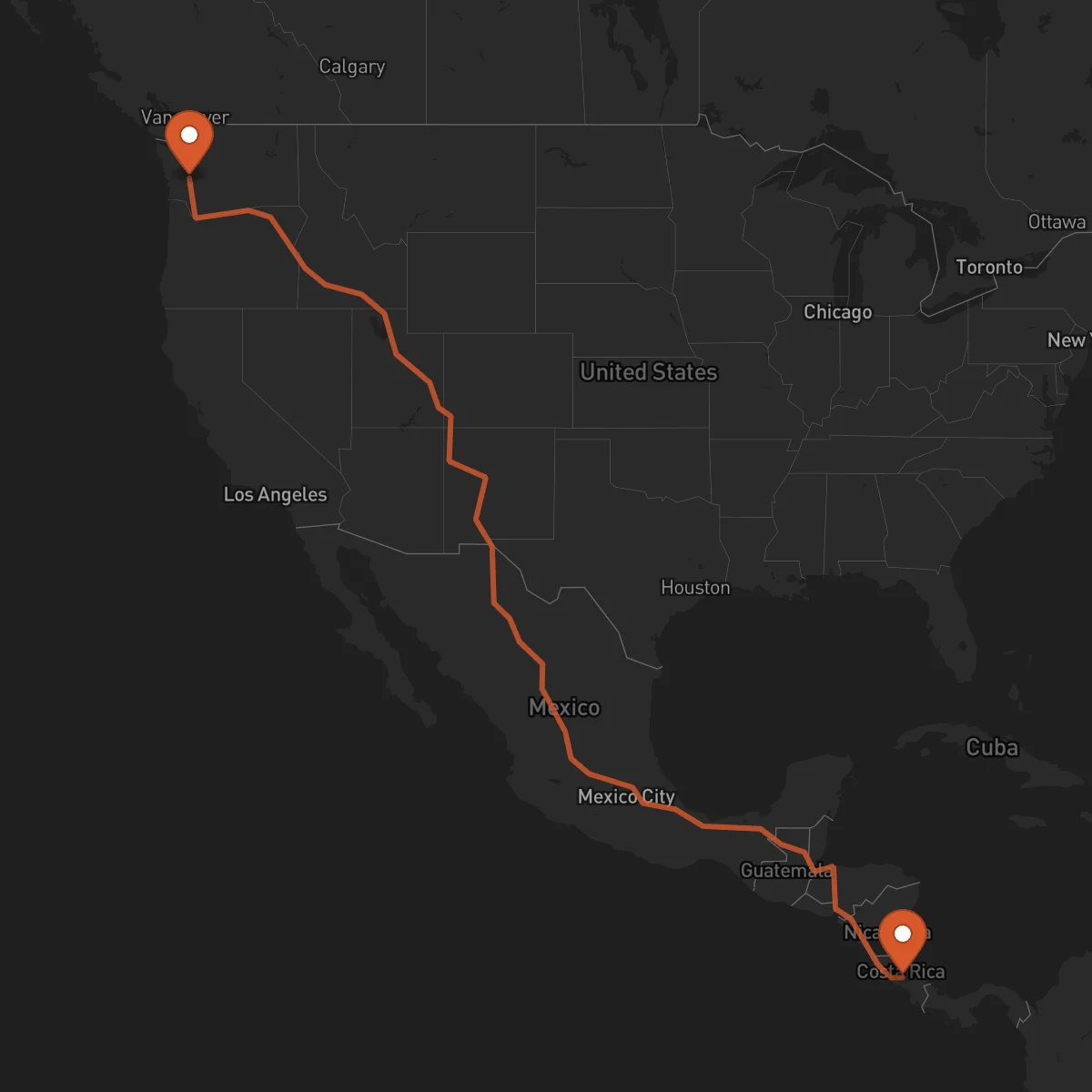
San José to Olympia
Olympia → San JoséFTL freight transportation service between San José and Olympia. Reliable logistics solutions for your business.
Route Description
Everything you need to know about the corridor San José - Olympia
The San José to Olympia corridor represents a critical north-south logistics artery connecting Costa Rica's vibrant economy with the Pacific Northwest of the United States. Spanning approximately 5,506 kilometers, this cross-border route is strategically vital for moving high-value goods between Central America and key U.S. markets, facilitating essential trade flows that support regional economic integration. The corridor's importance is amplified by its role in linking Costa Rica's export-driven sectors with Washington State's diverse industrial base, making it a backbone for supply chains requiring reliability and expertise in international freight.
Economically, the corridor serves dynamic regions. Costa Rica, particularly the San José metropolitan area, is a global hub for technology manufacturing, medical devices, and high-value agriculture like coffee and tropical fruits. Washington State, with Olympia as a key gateway, is dominated by advanced agriculture (apples, dairy, berries), aerospace and manufacturing, and significant government and retail sectors. Primary industries leveraging this route include electronics exporters, fresh produce distributors, medical supply chains, and industrial equipment manufacturers that require secure, temperature-controlled, or specialized transport.
Transportation infrastructure relies on a sequence of major highways. From San José, cargo typically moves north via Costa Rica's Route 1 and Route 2, entering Nicaragua and traversing the Pan-American Highway (CA-1) through Central America. In Mexico, the route utilizes federal highways like the 150D before reaching the U.S. border. Upon entry into the United States, the critical artery becomes Interstate 5 (I-5), which provides a direct, high-capacity link all the way to Olympia and the broader Puget Sound region. Key border crossings, such as those between Mexico and the U.S., involve complex customs procedures; our providers' certifications, including C-TPAT and BASC, are instrumental in streamlining clearance and ensuring compliance.
We at Control Terrestre facilitate seamless operations on this corridor through our exclusive focus on full truckload (FTL) solutions and our strategic alliance of certified transportation partners. Our network is equipped to handle the corridor's diverse demands—from dedicated contracts for consistent volume to expedited and specialized services for hazardous materials or oversized cargo. By leveraging our providers' credentials (C-TPAT, FAST, BASC, etc.) and comprehensive equipment fleet—including dry vans, reefers, and flatbeds—we manage door-to-door cross-border logistics with precision. Our approach ensures clients benefit from a single point of contact, a human-centric service model, and a commitment to green transportation practices, all while navigating the intricacies of multi-country transit without compromise.
Services for this Route
Available services for the corridor San José - Olympia
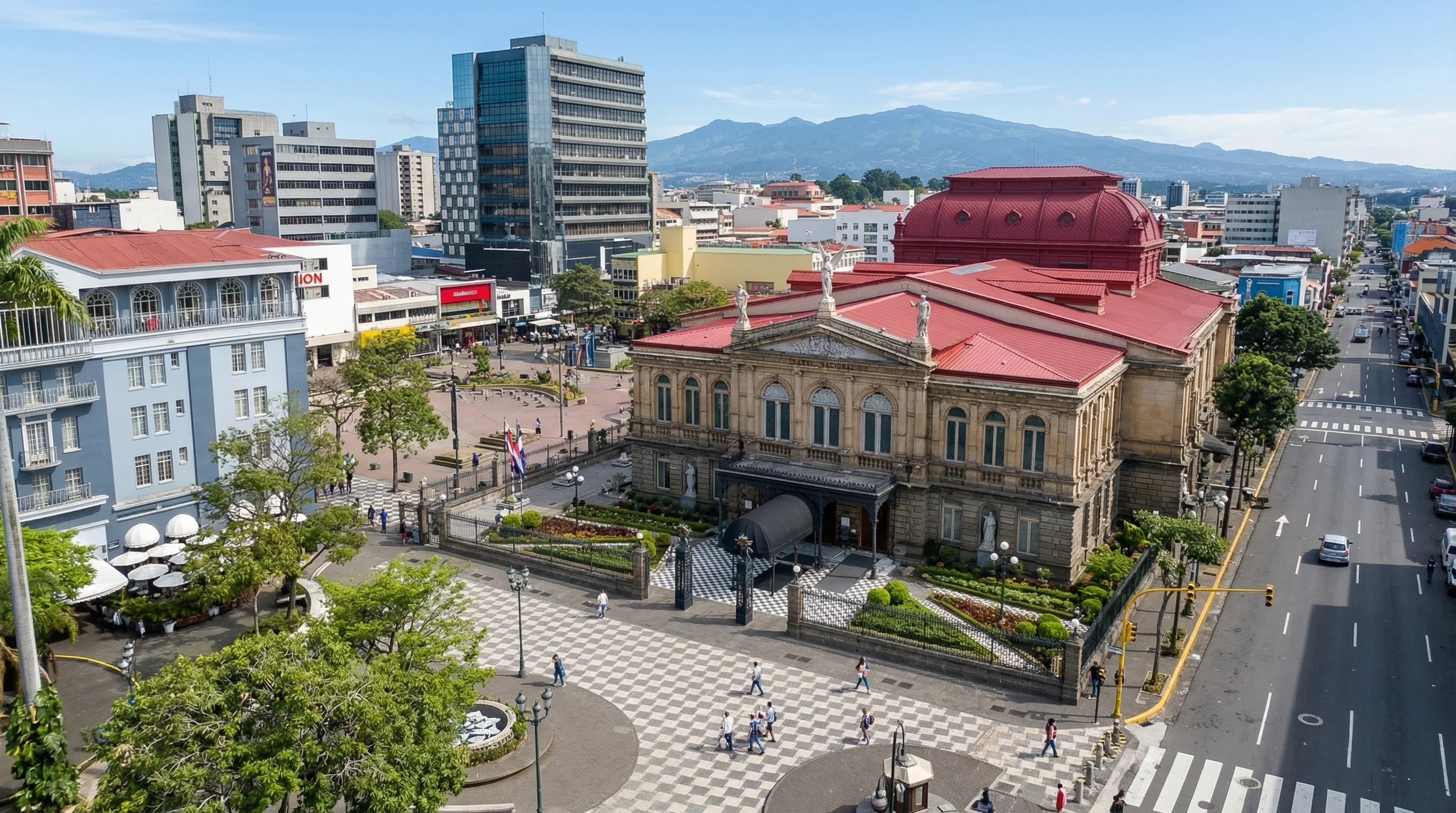 Origin
San José
San José, the capital of Costa Rica, serves as the nation's primary economic and logistics hub, offering a strategic central location with excellent connectivity to both the Pacific and Caribbean coasts. Its position within the Central Valley provides efficient access to major production zones for high-tech manufacturing, agriculture, and services. The city is surrounded by key infrastructure: Juan Santamaría International Airport handles significant air cargo, while the Port of Limón on the Caribbean coast facilitates oceanic trade. A robust network of highways, notably Route 1 (connecting to the northern border with Nicaragua) and Route 2 (leading to the southern border with Panama), forms the terrestrial backbone for domestic and international freight movement, making San José an optimal origin point for northbound supply chains.
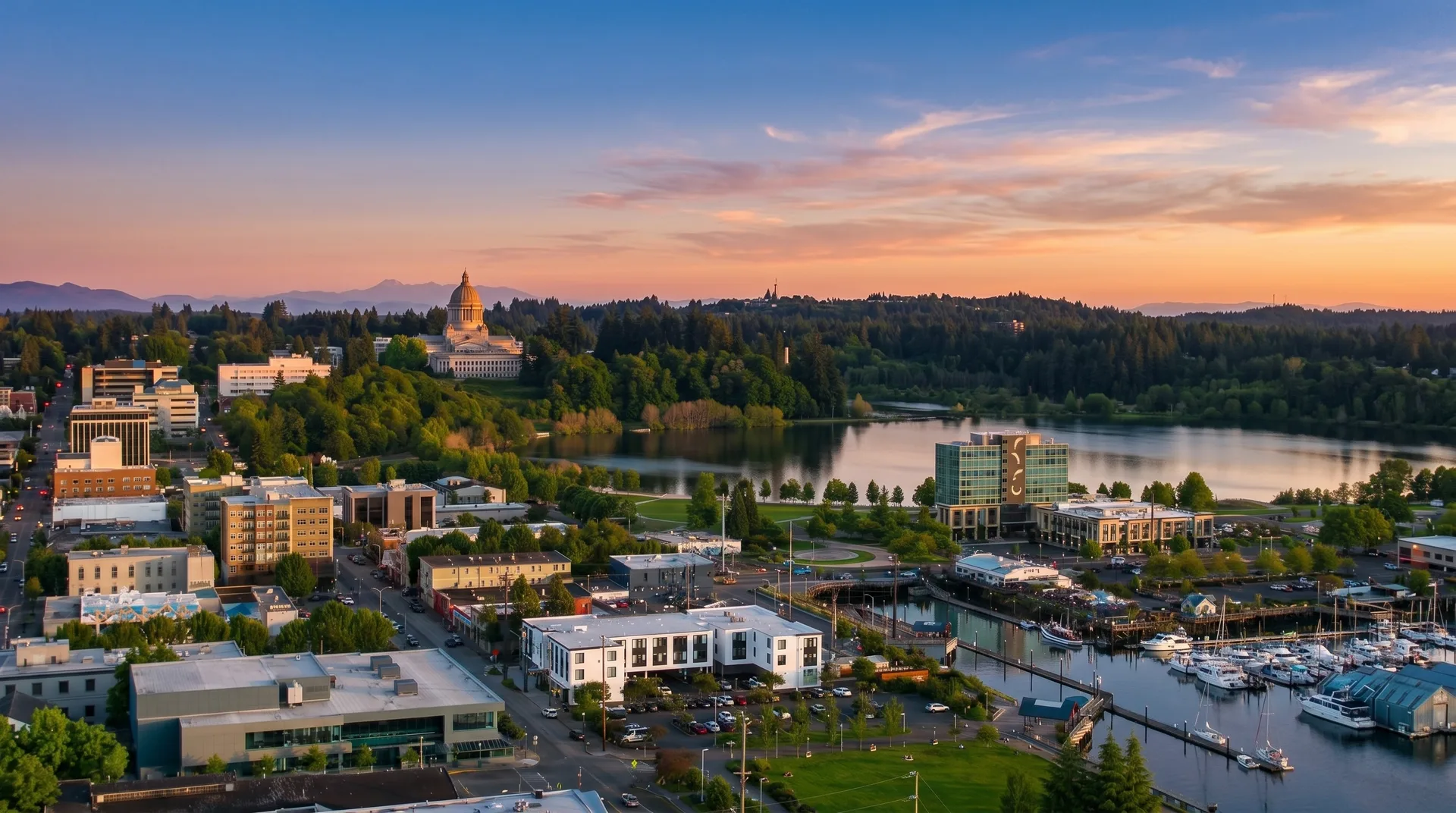 Destination
Olympia
Olympia, the capital of Washington State, occupies a strategic position at the southern end of Puget Sound, acting as a vital gateway to the Pacific and a nexus for West Coast logistics. Its location provides direct access to the major ports of Seattle and Tacoma—among the busiest in the U.S.—which handle extensive international container traffic. The city is seamlessly integrated into the national highway system via Interstate 5 (I-5), the primary north-south corridor on the West Coast, enabling efficient distribution to markets in Washington, Oregon, California, and Canada. Supporting infrastructure includes robust rail intermodal facilities and state highways that connect to agricultural heartlands and industrial zones, positioning Olympia as a critical consolidation and distribution point for cargo arriving from the south.










