Olympia to San José
San José → OlympiaFTL freight transportation service between Olympia and San José. Reliable logistics solutions for your business.
Route Description
Everything you need to know about the corridor Olympia - San José
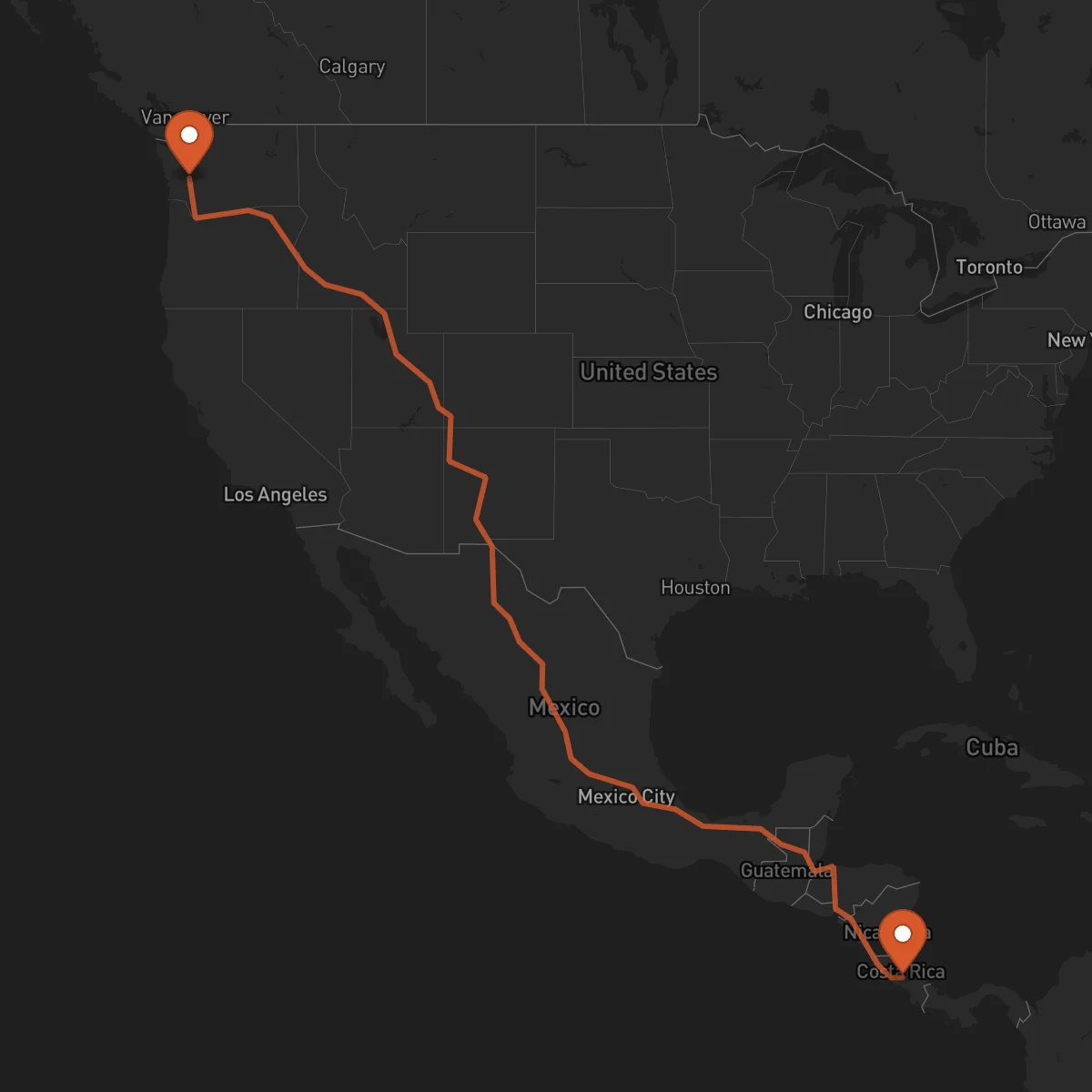
The Olympia, Washington to San José, Costa Rica corridor represents a critical North American logistics artery, bridging the Pacific Northwest with the heart of Central America. This extensive cross-border route, spanning approximately 5,506 km, is a vital conduit for trade moving between the United States and Costa Rica, facilitating the flow of goods across diverse economic landscapes. Its strategic importance lies in connecting major production and consumption centers, enabling supply chain integration for industries that rely on efficient, long-haul transportation. The corridor traverses through the United States, Mexico, and Central America, requiring seamless coordination across multiple jurisdictions and regulatory environments. Control Terrestre facilitates these complex operations through our robust alliance of certified transportation providers, ensuring a unified, managed solution for our clients' full truckload (FTL) requirements.
Economically, this corridor serves dynamic regions. The origin in Washington State is a hub for agriculture, aerospace, and technology, while the destination in Costa Rica supports a robust manufacturing sector, high-tech exports, and significant agricultural production. Key industries utilizing this route include agriculture (fresh produce, grains), manufactured goods, machinery, and technology components. The transportation infrastructure is anchored by major highways: in the U.S., Interstate 5 provides the primary north-south artery to the Mexican border. South of the border, the route continues via Mexico's federal highway network, such as routes 15 and 200, before entering Central America through Guatemala and traversing countries like Honduras, Nicaragua, and finally into Costa Rica via Route 1.
Critical border crossings, such as those at El Paso/Ciudad Juárez or Laredo/Colombia, are pivotal nodes where customs clearance and regulatory compliance are paramount. Considerations include adhering to U.S., Mexican, and Central American customs regulations, safety standards, and documentation for cross-border freight. Our providers' certifications—including C-TPAT, FAST, and BASC—are instrumental in expediting clearance at these busy ports of entry, reducing delays and enhancing security. Control Terrestre’s role is to orchestrate this entire journey. We leverage our provider network's expertise and certifications to manage the complexities of international documentation, customs brokerage coordination, and cross-border compliance, providing our clients with a single point of contact for their door-to-door FTL shipments along this demanding corridor.
Services for this Route
Available services for the corridor Olympia - San José
 Origin
Olympia
Olympia, Washington, serves as a strategic logistics origin point for the Pacific Northwest, offering excellent access to both domestic and international markets. Its location provides a direct gateway to the major port complexes of Seattle and Tacoma, facilitating seamless intermodal connections for global shipping. The region's economy is diverse and robust, driven by key sectors such as agriculture (dairy, berries, hops), aerospace manufacturing (notably Boeing), technology, and government services. This industrial diversity generates consistent demand for outbound freight transportation. The available transportation infrastructure is highly developed, featuring direct access to Interstate 5, the primary north-south highway corridor on the West Coast. This connectivity allows for efficient movement of full truckloads southward toward the Mexican border and beyond, making Olympia an optimal starting point for long-haul, cross-border logistics operations targeting Latin America.
 Destination
San José
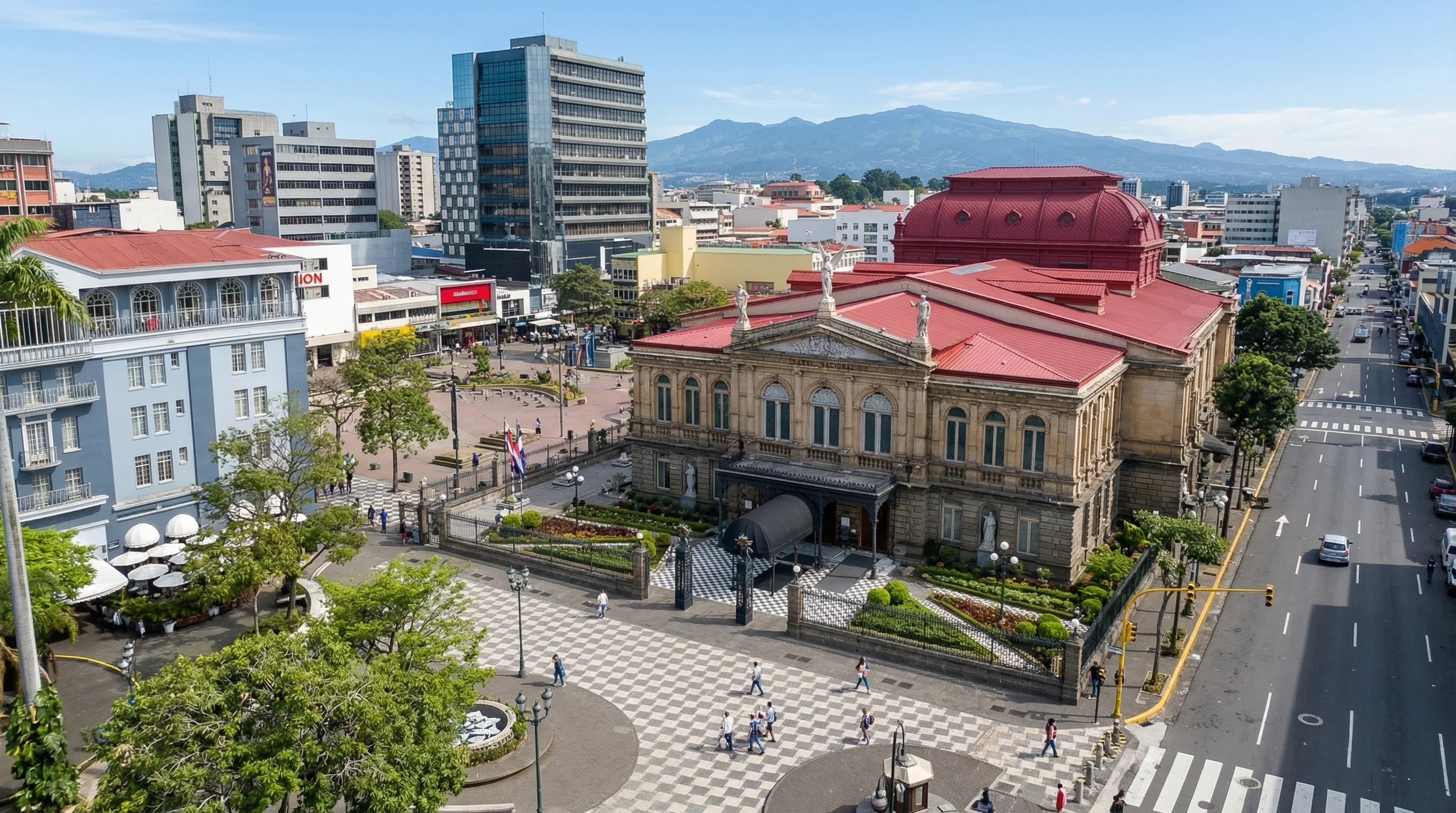
San José, the capital of Costa Rica, is a pivotal logistics and economic hub for Central America. Its strategic location in the country's Central Valley provides central access to major production zones, international airports (Juan Santamaría), and Pacific port facilities like Calderón and Moín. The city anchors a vibrant economy with dominant sectors including high-tech manufacturing (medical devices, electronics), agriculture (coffee, bananas, pineapples), tourism, and business services. This creates significant demand for inbound freight to supply factories and distribute goods nationally, as well as outbound flows for export. The transportation infrastructure is centered around Route 1 (the Pan-American Highway), which connects San José to the northern border with Nicaragua and integrates with the country's network of primary and secondary roads. This road-centric system is essential for domestic distribution and for handling the final leg of international cross-border shipments arriving from North America.










