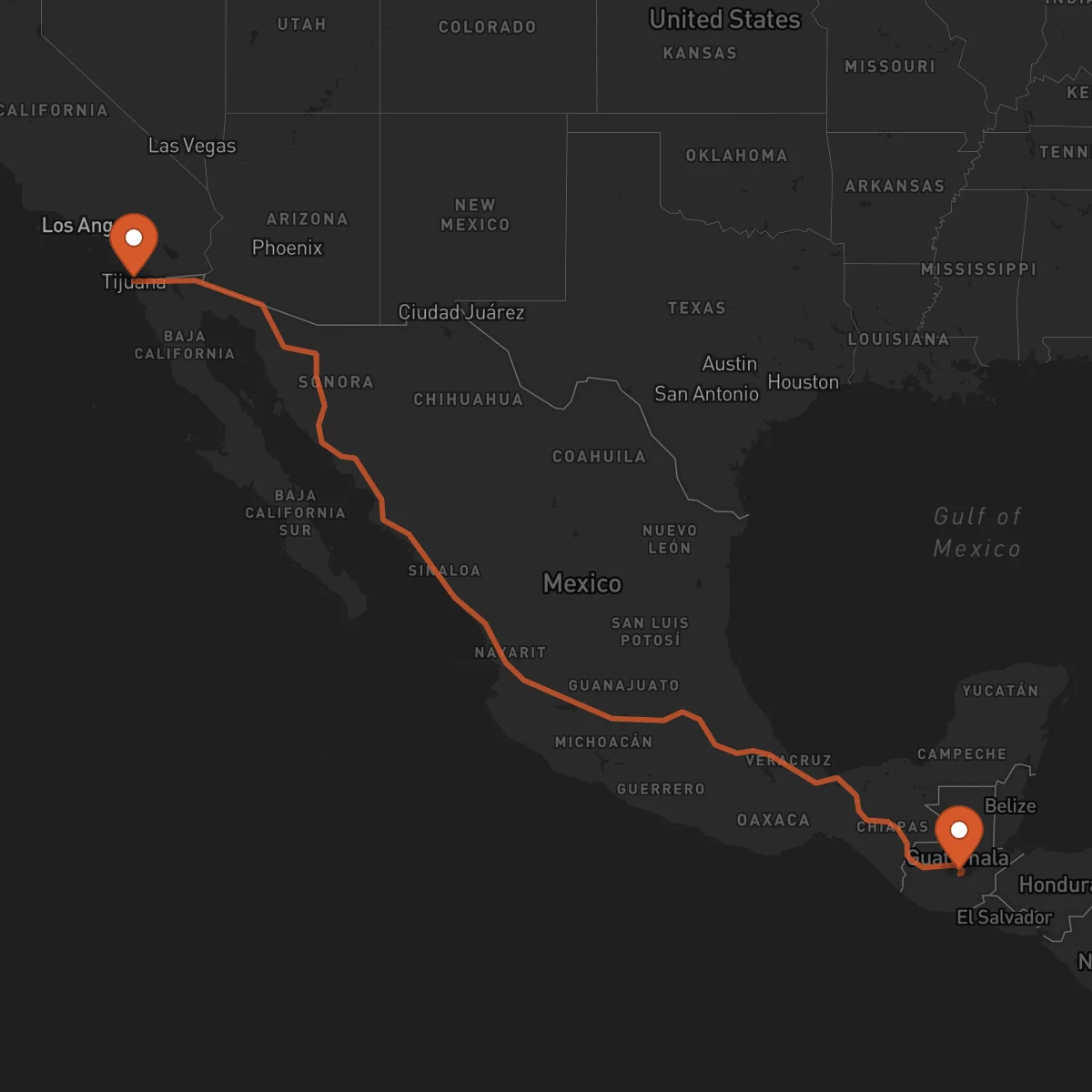
Salamá to Tijuana
Tijuana → SalamáFTL freight transportation service between Salamá and Tijuana. Reliable logistics solutions for your business.
Route Description
Everything you need to know about the corridor Salamá - Tijuana
The Salamá-Tijuana corridor represents a strategic cross-border connection between Guatemala and Mexico, spanning approximately 3,320 kilometers. This route links the industrial heart of central Guatemala with the dynamic manufacturing and export hub of northwestern Mexico. The corridor passes through key economic regions, connecting the agricultural and textile production centers of Guatemala with the maquiladora industry and automotive manufacturing in Baja California. Major highways include Guatemala's CA-1 and CA-9, continuing through Mexico's Federal Highway 101 and connecting to the Mexico-United States border infrastructure. The route crosses at key border points where C-TPAT-certified operators ensure efficient customs clearance and compliance. Control Terrestre facilitates seamless operations along this corridor through our network of experienced carriers, providing dedicated FTL services that maintain cargo integrity throughout the journey. Our cross-border expertise ensures proper documentation, temperature-controlled options when needed, and real-time tracking capabilities for shipments moving between these two important industrial regions.
Services for this Route
Available services for the corridor Salamá - Tijuana
 Origin
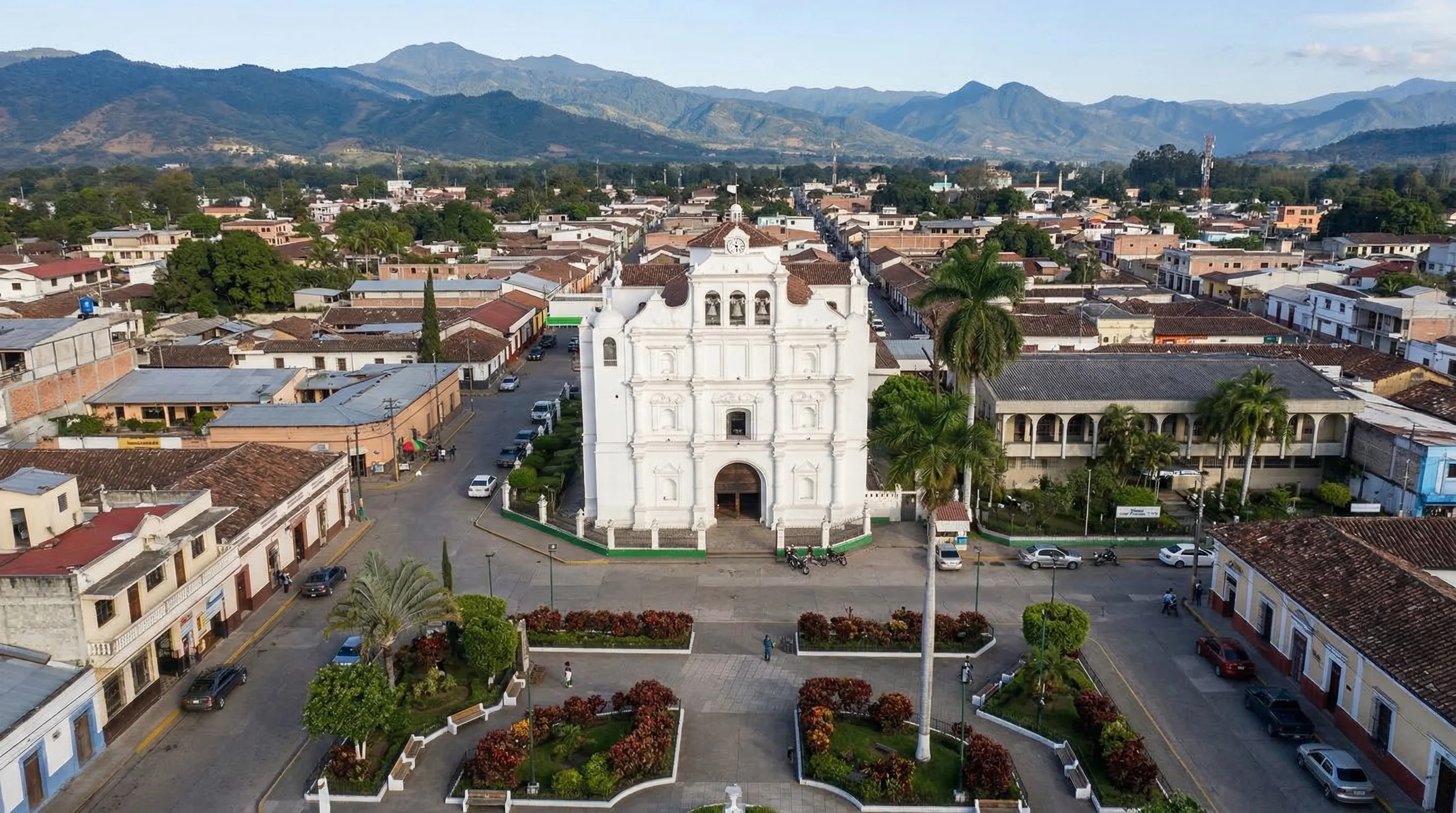
Salamá
Salamá, located in Baja Verapaz, Guatemala, serves as a strategic logistics hub in the country's central highlands. The city benefits from its position along Guatemala's main transportation arteries, including the CA-9 highway that connects to the Atlantic port of Puerto Barrios and the CA-1 that runs north-south through the country. Salamá's economy is driven by agricultural production, textile manufacturing, and food processing industries that require reliable transportation to both domestic and international markets. The region's industrial parks and manufacturing facilities generate consistent freight volumes, making it an important origin point for full truckload shipments. The city's infrastructure includes modern warehouses, industrial zones, and access to Guatemala's growing logistics network, positioning it as a key departure point for cross-border freight movements.
 Destination
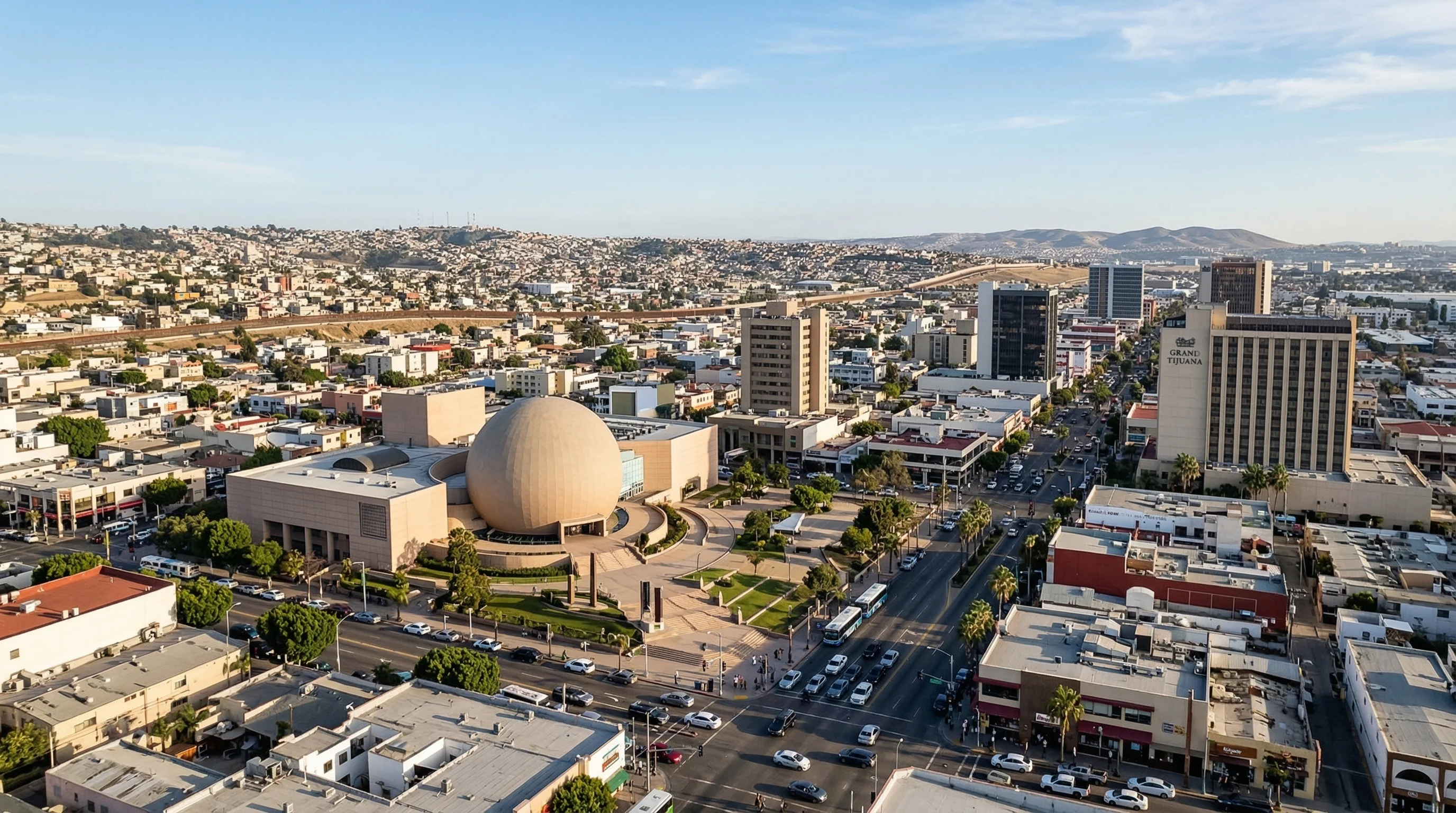
Tijuana
Tijuana, situated in Baja California, Mexico, stands as one of North America's most important border cities and manufacturing centers. Its strategic location along the U.S.-Mexico border provides direct access to California's massive consumer market and serves as a gateway for international trade. The city hosts a robust maquiladora industry, particularly in electronics, aerospace, and medical device manufacturing, alongside a growing automotive sector. Tijuana's transportation infrastructure includes the Tijuana International Airport, the Port of Ensenada for maritime cargo, and extensive highway connections including Mexico's Federal Highway 2 and Highway 1D. The city's industrial parks and free trade zones generate substantial freight volumes requiring efficient transportation solutions. As a border city, Tijuana offers multiple crossing options to the United States, making it a critical destination for cross-border logistics operations.










