
Salamá to Tallahassee
Tallahassee → SalamáFTL freight transportation service between Salamá and Tallahassee. Reliable logistics solutions for your business.
Route Description
Everything you need to know about the corridor Salamá - Tallahassee
The Salamá to Tallahassee corridor represents a vital logistics connection between Guatemala's central highlands and Florida's capital, spanning approximately 1813 kilometers across Mexico and the United States. This cross-border route serves as a strategic link for companies looking to establish efficient supply chains between Central America and the southeastern United States, facilitating the movement of goods through some of North America's most important industrial and commercial zones.
The corridor traverses diverse economic regions, connecting Guatemala's agricultural and manufacturing sectors with Florida's growing logistics and distribution hubs. Salamá, located in Baja Verapaz, Guatemala, serves as a key point for agricultural products and manufactured goods, while Tallahassee benefits from its proximity to major ports and its role as a distribution center for Florida's panhandle region. The route passes through Mexico's robust transportation network before entering the United States through established border crossings.
Major transportation infrastructure along this corridor includes Mexico's Federal Highway 190 and the U.S. Interstate system, particularly I-10, which provides direct access to Tallahassee and surrounding industrial areas. The route requires careful coordination of cross-border logistics, including compliance with customs regulations and documentation requirements for both Guatemala-Mexico and Mexico-United States crossings. Control Terrestre's expertise in managing these complex international shipments ensures seamless door-to-door service, with our certified carriers handling all aspects of the cross-border process from Salamá to final delivery in Tallahassee.
Services for this Route
Available services for the corridor Salamá - Tallahassee
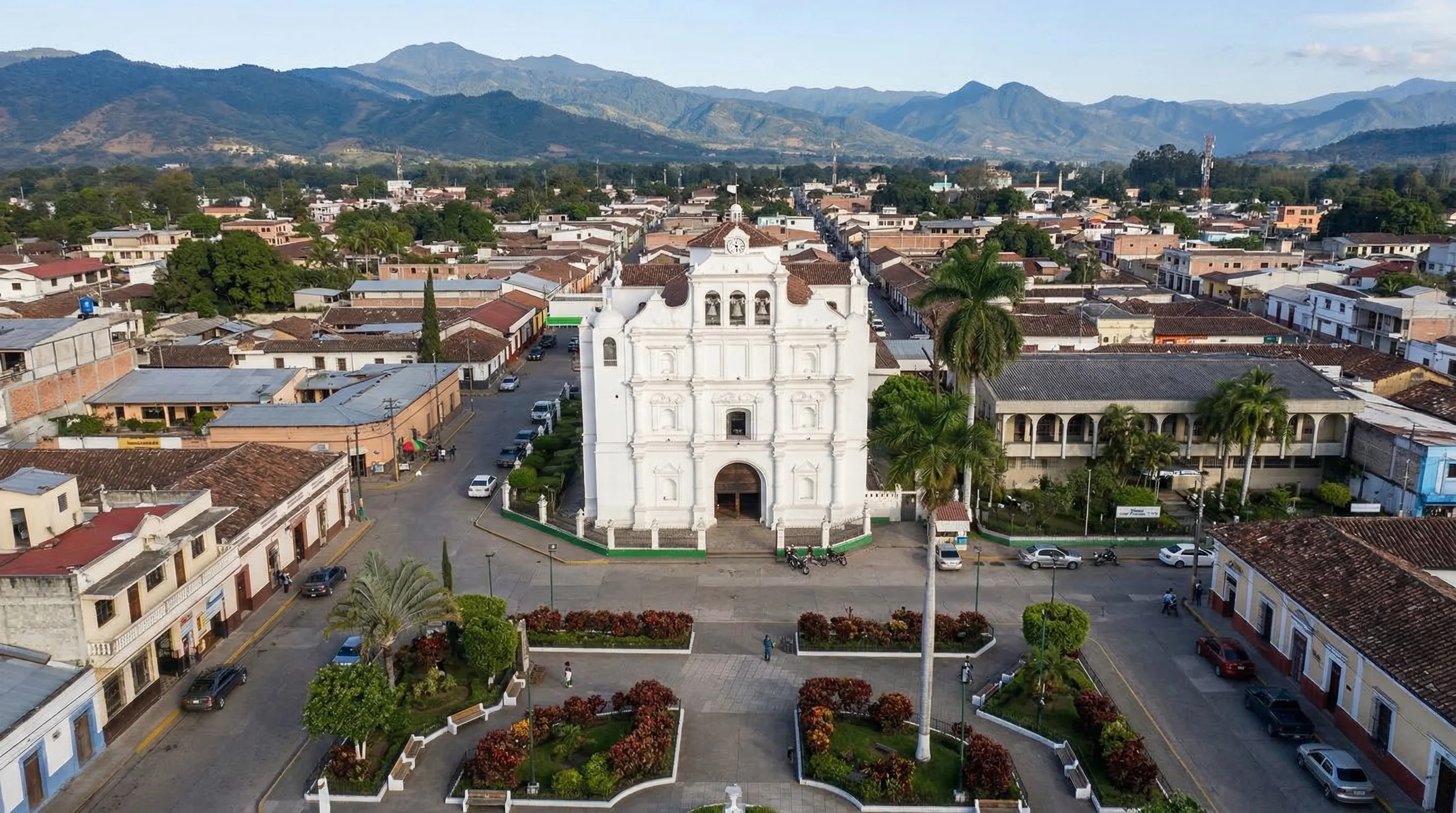 Origin
Salamá
Salamá, the capital of Baja Verapaz in Guatemala, occupies a strategic location in the country's central highlands with excellent connectivity to major industrial centers and ports. The city serves as an important commercial hub for the surrounding agricultural region, known for its production of vegetables, fruits, and ornamental plants. Salamá's proximity to Guatemala City and the Atlantic Highway provides efficient access to both domestic and international markets, making it an ideal origin point for freight shipments to the United States.
The region's economy is characterized by a mix of agricultural production, light manufacturing, and commercial activities. Local industries include food processing, textiles, and wood products, with many businesses requiring reliable transportation services for both raw materials and finished goods. The area benefits from well-maintained road infrastructure connecting to Guatemala's primary transportation corridors, including routes to Puerto Barrios on the Caribbean coast for maritime shipping options.
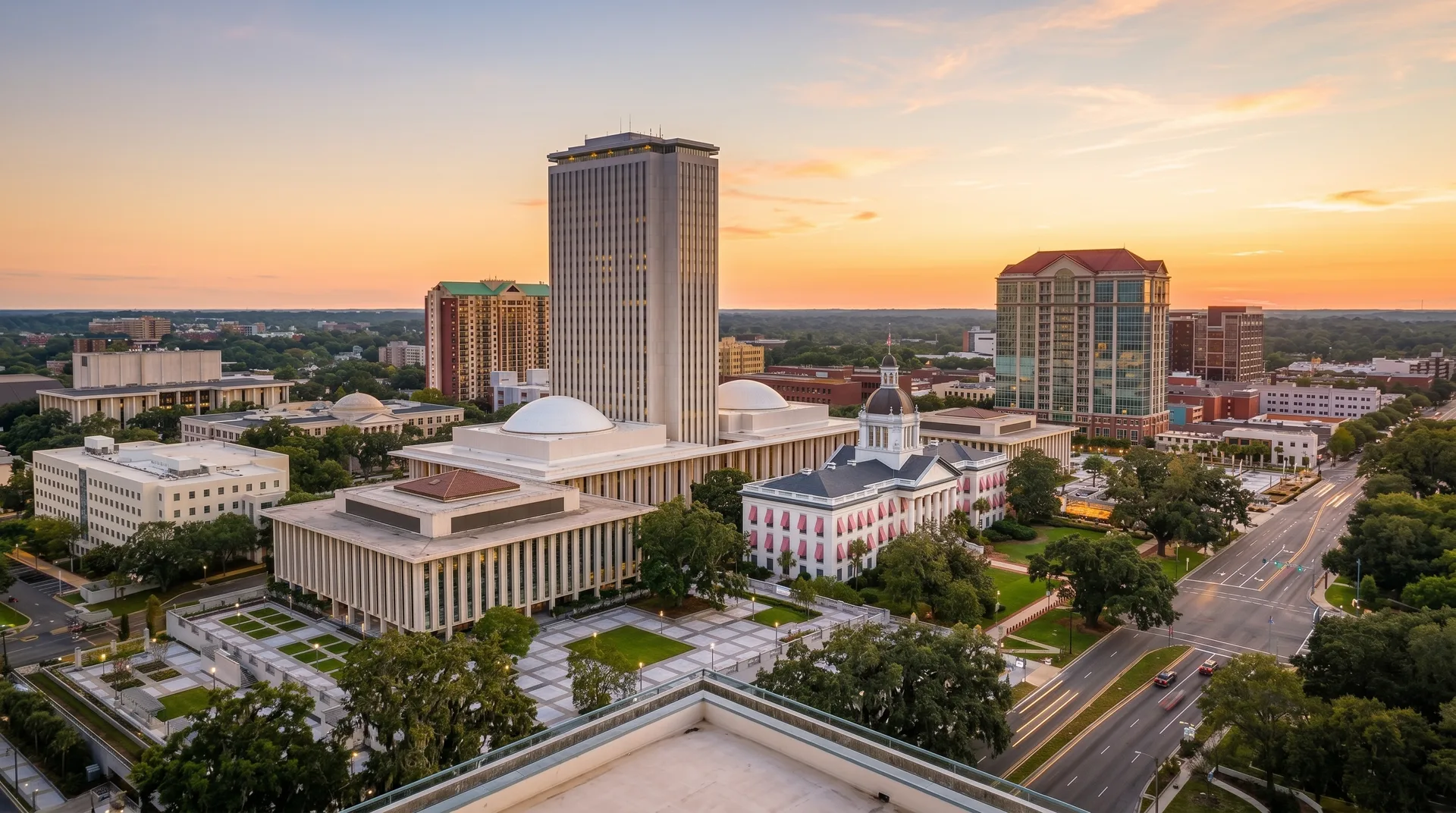 Destination
Tallahassee
Tallahassee, Florida's capital city, serves as a strategic logistics hub in the state's panhandle region, offering excellent connectivity to major markets throughout the southeastern United States. The city's location provides convenient access to both Gulf Coast ports and inland distribution networks, making it an ideal destination for freight arriving from Central America. Tallahassee's growing logistics infrastructure includes modern warehousing facilities and distribution centers that support the region's expanding commercial activities.
The local economy encompasses government services, education, healthcare, and a growing technology sector, creating diverse demand for freight transportation services. Tallahassee's proximity to major Florida markets like Jacksonville, Tampa, and Orlando, combined with its access to Interstate 10, makes it a strategic point for distribution throughout the region. The city's infrastructure includes well-developed road networks and proximity to rail services, facilitating efficient movement of goods to and from the area.










