
Salamá to Saint Paul
Saint Paul → SalamáFTL freight transportation service between Salamá and Saint Paul. Reliable logistics solutions for your business.
Route Description
Everything you need to know about the corridor Salamá - Saint Paul
The logistics corridor between Salamá, Guatemala and Saint Paul, Minnesota represents a vital connection between Central America and the United States Midwest. This 3,329 km route facilitates the movement of goods through key transportation hubs, linking Guatemala's industrial capabilities with Minnesota's manufacturing and distribution centers. The corridor traverses Mexico's extensive highway network before crossing into the United States through established border points, ultimately connecting to Saint Paul's strategic location in the heart of North America.
The economic significance of this corridor is substantial, supporting trade between Guatemala's growing manufacturing sector and Minnesota's diverse industrial base. Salamá serves as an important industrial center in Guatemala's interior, while Saint Paul functions as a major distribution hub for the Upper Midwest region. This connection enables efficient supply chain operations for industries including automotive parts, electronics, agricultural products, and consumer goods. The route benefits from Mexico's modern highway infrastructure, including major corridors like the Carretera Federal 190 and connections to the US Interstate system.
Control Terrestre specializes in managing cross-border operations along this corridor, providing comprehensive FTL (Full Truckload) services that ensure cargo moves efficiently from origin to destination. Our expertise in customs procedures, documentation requirements, and regulatory compliance helps clients navigate the complexities of international freight transportation. We coordinate every aspect of the journey, from pickup in Salamá to final delivery in Saint Paul, utilizing our network of certified carriers and maintaining strict quality control throughout the entire route.
Services for this Route
Available services for the corridor Salamá - Saint Paul
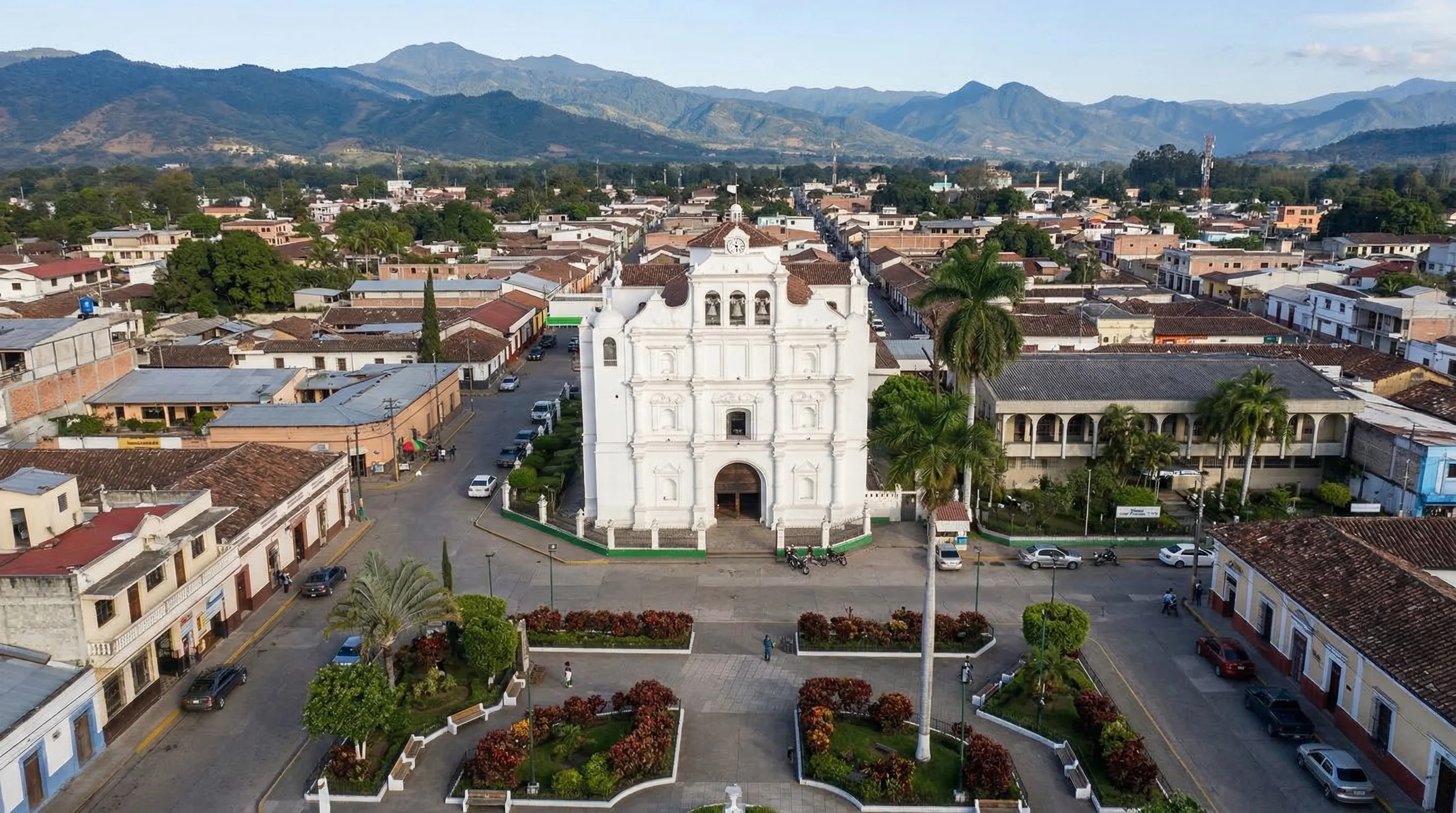 Origin
Salamá
Salamá, located in Baja Verapaz, Guatemala, serves as a strategic logistics hub in the country's central highlands. The city's position provides excellent connectivity to Guatemala's major industrial centers and Pacific ports, making it an ideal origin point for cross-border freight operations. Salamá benefits from its proximity to Guatemala City and the CA-9 highway, which connects to the Atlantic Highway and provides access to both coastal regions and international borders.
The region's economy is characterized by diverse industrial activities including food processing, textile manufacturing, and agricultural product packaging. Salamá's industrial parks house numerous companies engaged in export-oriented production, creating consistent demand for reliable freight transportation services. The city's infrastructure includes modern warehousing facilities and industrial zones equipped to handle various types of cargo, from temperature-sensitive goods to oversized equipment.
 Destination
Saint Paul
Saint Paul, Minnesota stands as a crucial logistics center in the Upper Midwest United States, offering exceptional connectivity to major markets across North America. The city's strategic location at the confluence of the Mississippi, Minnesota, and St. Croix rivers provides multimodal transportation options, while its extensive highway network ensures seamless connections to regional distribution centers and manufacturing facilities. Saint Paul's proximity to Minneapolis creates a powerful economic corridor that serves as a gateway to the broader Midwest market.
The Minneapolis-Saint Paul metropolitan area boasts a diverse industrial base, with particular strengths in medical technology, food processing, retail distribution, and advanced manufacturing. The region's logistics infrastructure includes major intermodal facilities, warehousing complexes, and distribution centers that handle high volumes of freight. Saint Paul's cold climate also makes it a natural hub for refrigerated and frozen goods distribution, supporting year-round operations for temperature-controlled cargo.










