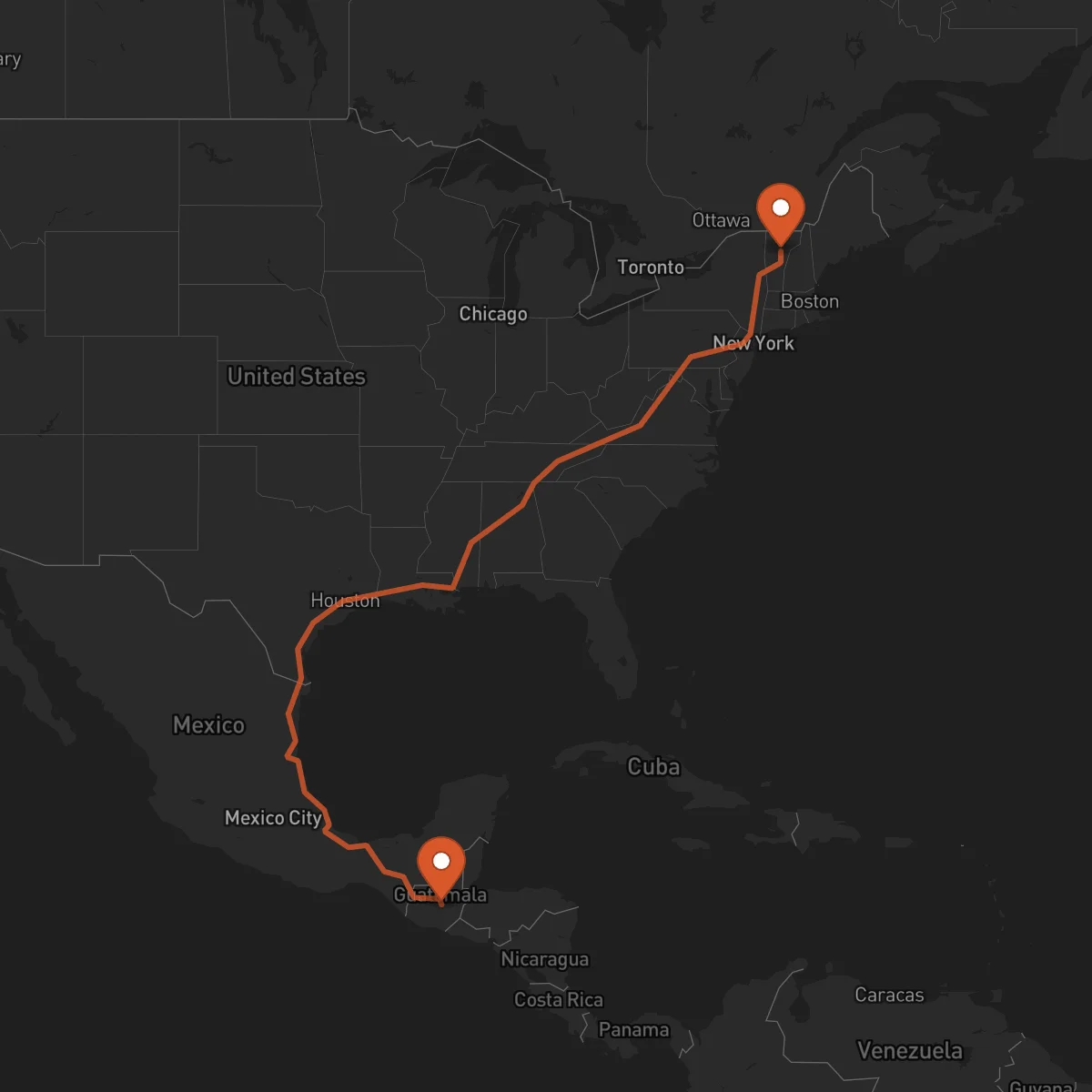
Salamá to Montpelier
Montpelier → SalamáFTL freight transportation service between Salamá and Montpelier. Reliable logistics solutions for your business.
Route Description
Everything you need to know about the corridor Salamá - Montpelier
The Salamá, Guatemala to Montpelier, Vermont corridor represents a critical north-south logistics artery, bridging Central America with the U.S. Northeast. This strategic route facilitates the essential flow of goods between vibrant manufacturing and agricultural hubs in Guatemala and the specialized consumer and industrial markets of Vermont. The corridor's importance is amplified by its role in supporting cross-border trade under key trade agreements, requiring meticulous coordination through multiple jurisdictions.
Economically, the corridor connects the productive highlands of Guatemala with the stable, high-value market of Vermont. Guatemalan exports often include agricultural products, textiles, and manufactured components, while Vermont imports a diverse range of goods to support its local industries, retail sector, and population. The route serves industries with rigorous requirements, including food and beverage (notably Vermont's iconic maple syrup and dairy), precision manufacturing, and retail distribution, all demanding reliable, full truckload (FTL) capacity.
The primary transportation infrastructure leverages a network of major highways. From Salamá, cargo typically moves via the CA-1 and other national routes to the Pacific border crossing at Tecún Umán/El Carmen. After Mexican clearance, the journey continues north through Mexico's federal highway system, crossing into the United States at a major Texas border point (such as Laredo or El Paso). The final leg utilizes the U.S. Interstate system, primarily I-35 and I-90, before connecting to I-89 for delivery into Vermont. Key border crossings demand expertise in customs procedures for Guatemala, Mexico, and the U.S.
Control Terrestre facilitates seamless operations on this complex corridor through our alliance of certified providers. Our partners hold essential credentials like C-TPAT, FAST, and BASC, streamlining customs processing and enhancing security. We coordinate dedicated and refrigerated FTL movements, managing the entire door-to-door process. Our expertise in cross-border documentation, combined with specialized equipment for dry, refrigerated, and oversized cargo, ensures our clients' shipments navigate this international route efficiently, from origin in Salamá to final destination in Montpelier.
Services for this Route
Available services for the corridor Salamá - Montpelier
 Origin
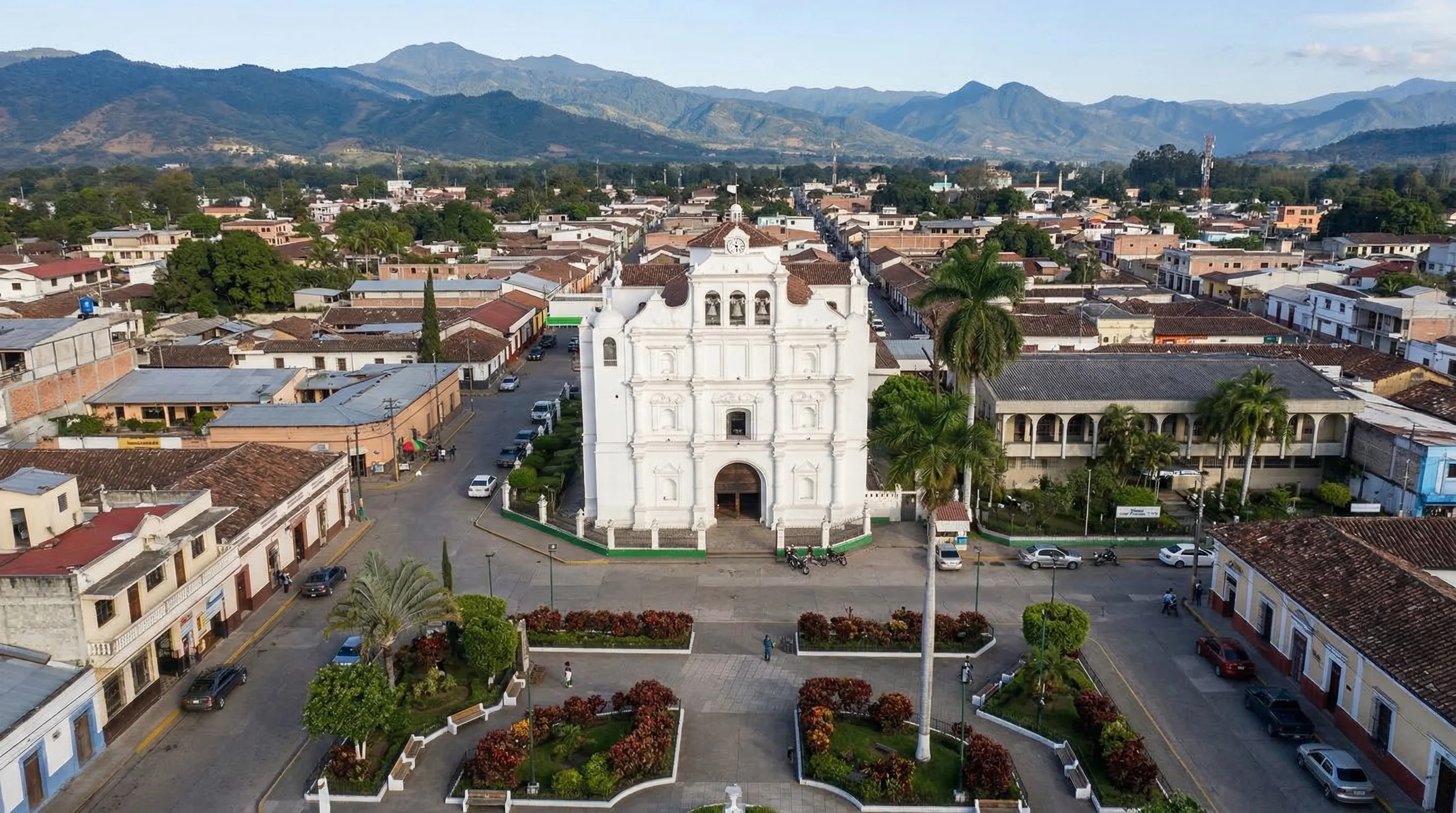
Salamá
Salamá, the capital of Baja Verapaz, is strategically positioned in Guatemala's central highlands, offering a pivotal logistics gateway from the country's interior to the Pacific coast and, ultimately, international markets. Its location provides efficient access to major production zones for coffee, cardamom, vegetables, and textile manufacturing, which are key economic sectors in the region. The city is well-connected by a network of paved national highways, most notably the CA-1 (Pacific Highway), which provides a direct route to the strategic border crossing at Tecún Umán on the Guatemalan-Mexican frontier. This infrastructure makes Salamá an optimal consolidation point for FTL freight destined for North America, allowing for the efficient gathering of goods from regional producers and manufacturers before embarking on the long-haul international journey.
 Destination
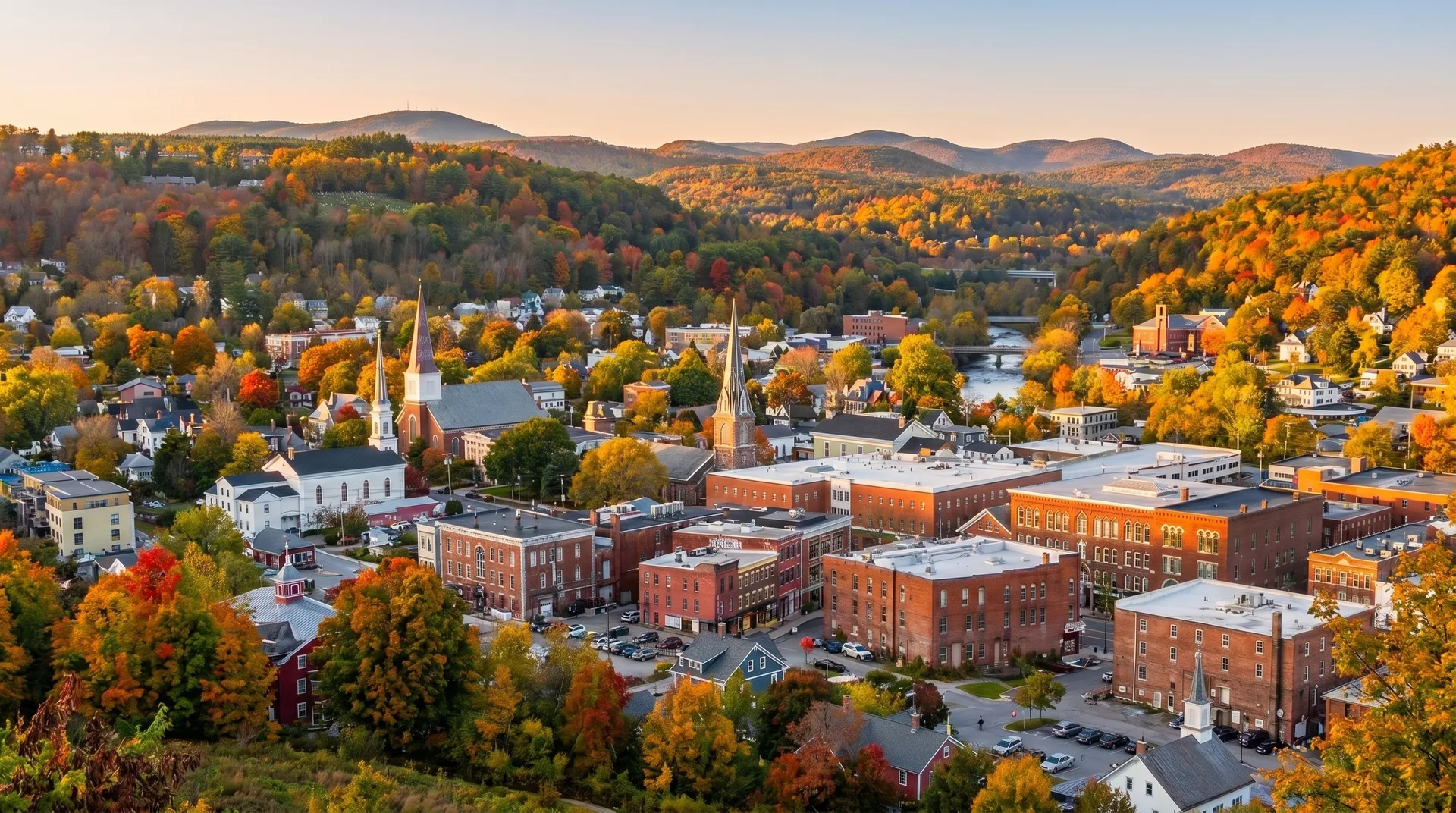
Montpelier
Montpelier, the capital city of Vermont, serves as a strategic logistics hub for the state's central and northern regions. Its economy is anchored by state government, higher education (including the Vermont State House and several colleges), and a robust ecosystem of local industries such as maple syrup production, specialty food and beverage, precision engineering, and retail. The city is directly served by Interstate 89, providing a high-speed corridor north to Canada and south to connect with the national Interstate network (I-91, I-93, and ultimately I-90). While a smaller metropolitan area, its distribution infrastructure is well-adapted for FTL deliveries, supporting the state's unique agricultural and artisanal supply chains with reliable, door-to-door freight services from international origins like Guatemala.










