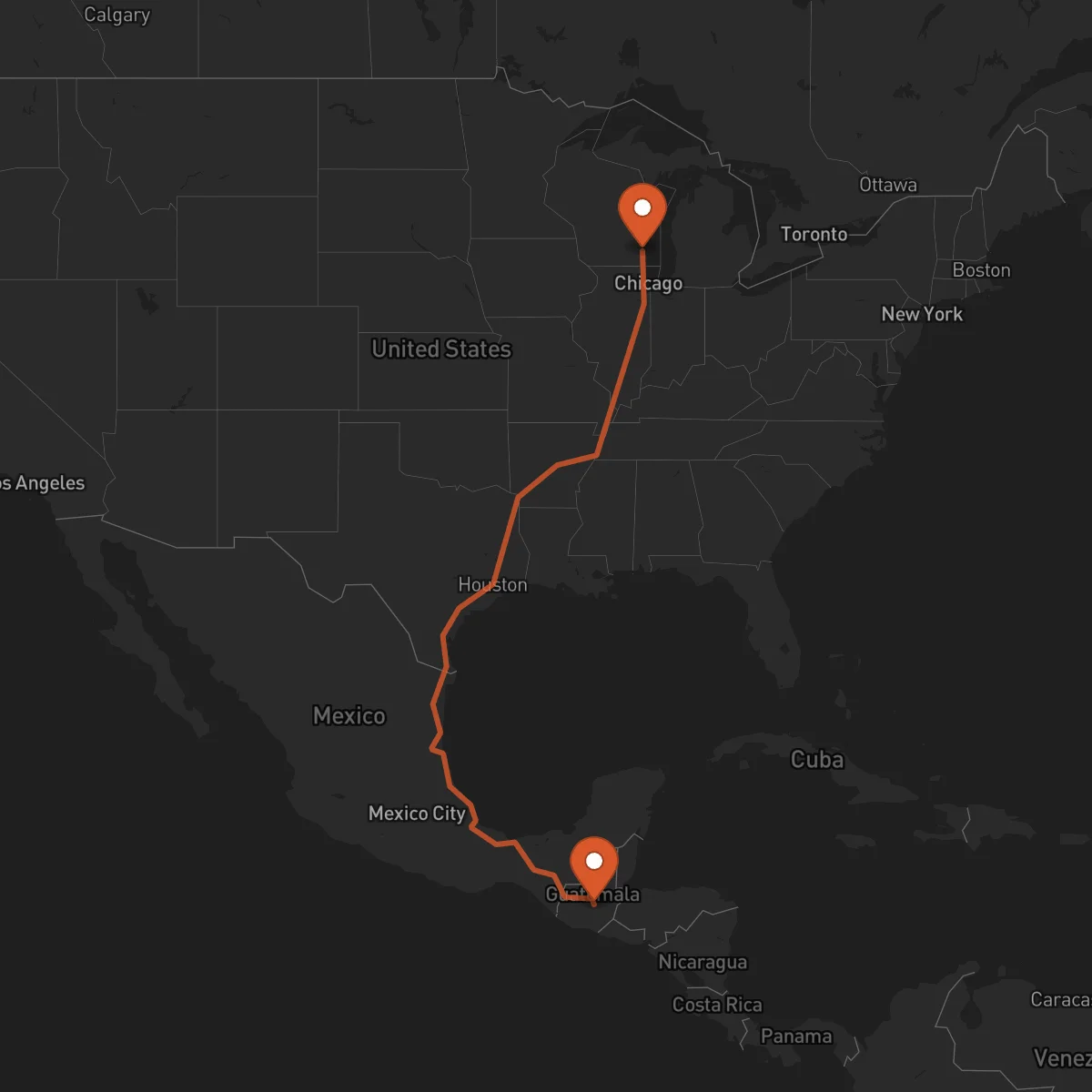
Salamá to Milwaukee
Milwaukee → SalamáFTL freight transportation service between Salamá and Milwaukee. Reliable logistics solutions for your business.
Route Description
Everything you need to know about the corridor Salamá - Milwaukee
The Salamá to Milwaukee corridor is a critical transcontinental link connecting Central America's agricultural heartland with the industrial Midwest of the United States. This strategic route facilitates the essential flow of goods across borders, supporting integrated supply chains that span from Guatemala to the Great Lakes region. The economic context is defined by the export of raw materials and agricultural products from Guatemala and the import of manufactured goods, machinery, and consumer products into Central America. Key industries leveraging this corridor include agriculture (coffee, bananas, sugar, and cardamom), textiles and apparel, food and beverage processing, and manufacturing. The primary transportation infrastructure relies on a network of major highways. In Guatemala, the route typically begins on the CA-1 highway, connecting through to the border crossing at Tecún Umán/El Carmen (San Marcos). After Mexican customs and transit, the corridor utilizes Mexico's extensive highway system, including routes converging toward the US border at Laredo/Columbia or other crossings depending on final routing. Upon entry into the United States, the main artery is Interstate 94 (I-94), which provides a direct and efficient path through Illinois and into Wisconsin, terminating in Milwaukee. Navigating this complex international corridor requires expertise in cross-border documentation, customs compliance, and regulatory standards. Control Terrestre facilitates seamless operations on this route through our robust alliance of certified providers. Our partners hold key certifications such as C-TPAT, FAST, and BASC, ensuring secure and compliant transit. We coordinate the entire door-to-door journey, managing the transfer of full truckloads at the border, leveraging our network for dedicated and expedited FTL services, and providing specialized support for cargo like refrigerated goods or oversized equipment. We handle the logistical complexity so your supply chain moves forward with a single, human point of contact.
Services for this Route
Available services for the corridor Salamá - Milwaukee
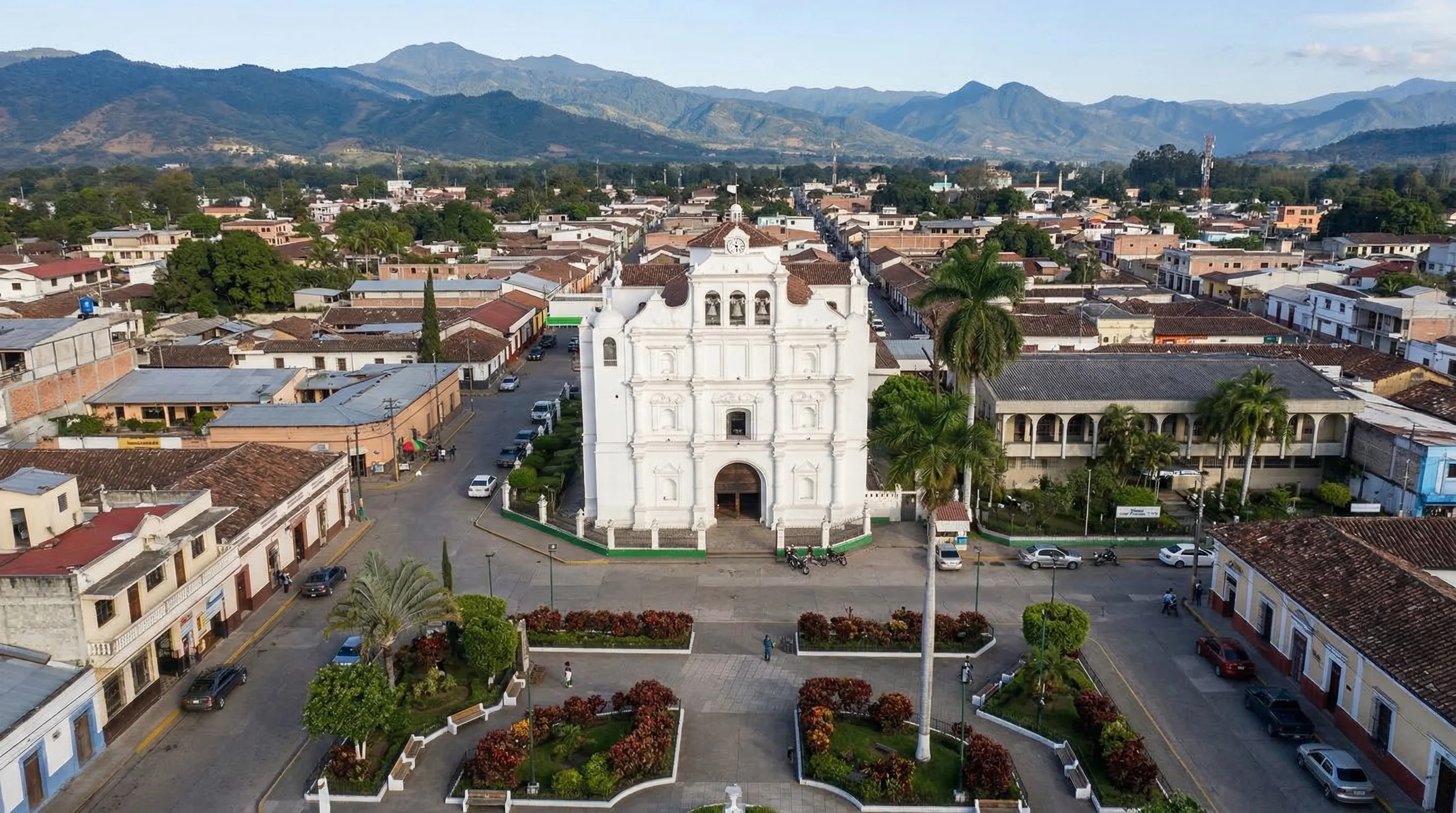 Origin
Salamá
Salamá, the capital of Baja Verapaz, serves as a pivotal logistics hub in Guatemala's central highlands. Its strategic location provides direct access to the country's most fertile agricultural valleys and major production zones for coffee, cardamom, sugar cane, and a variety of fruits and vegetables. The region is also a significant center for textile manufacturing. The primary transportation infrastructure is anchored by the CA-1 highway (Carretera al Atlántico), which connects Salamá directly to the Caribbean port of Puerto Barrios and, crucially, westward to the Mexican border. This highway link is essential for moving full truckloads from the production areas of central and northern Guatemala to the international border. While local road networks serve regional distribution, the CA-1 is the definitive corridor for long-haul, cross-border freight originating from this zone, making Salamá a natural consolidation point for FTL shipments destined for North America.
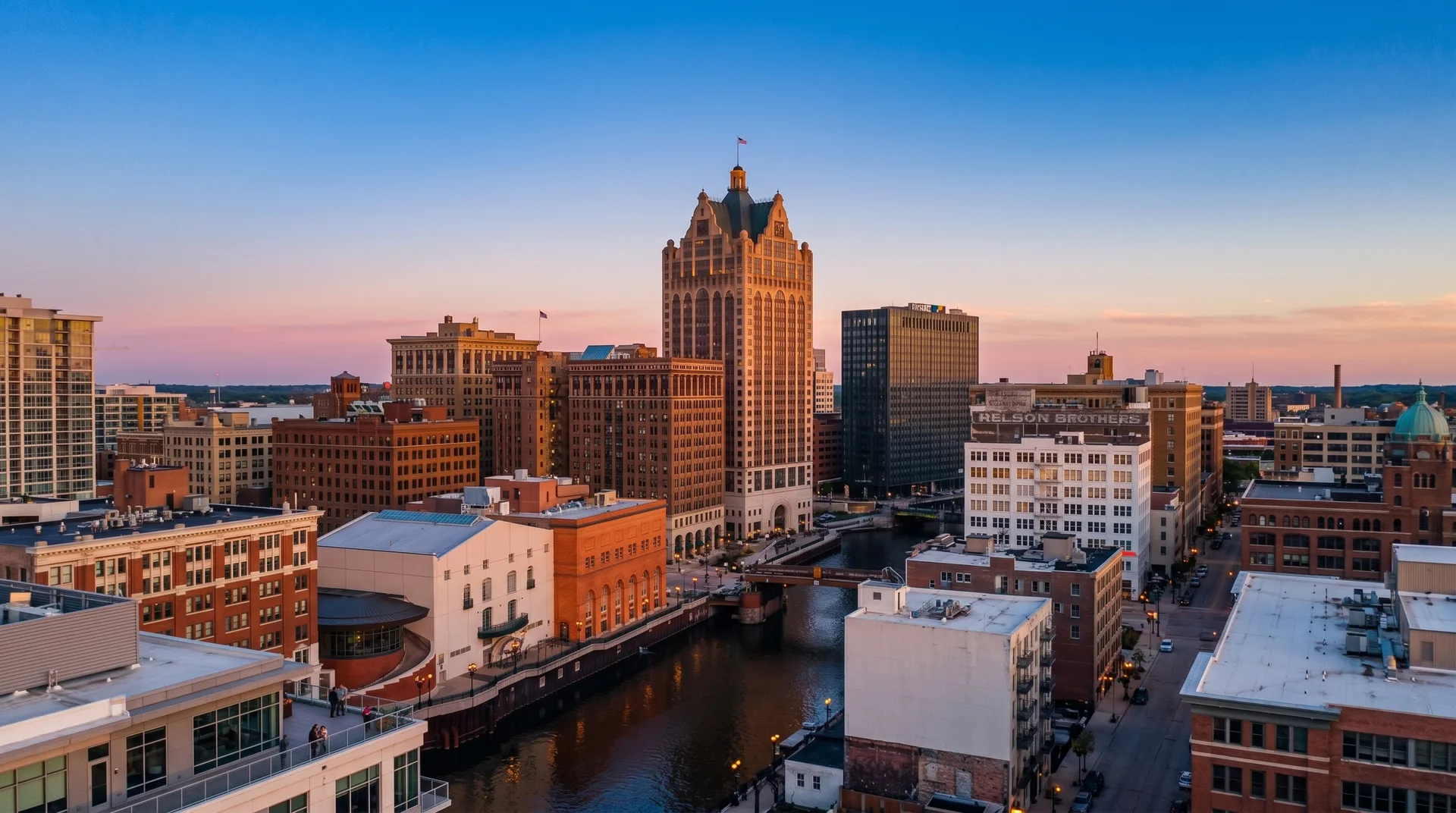 Destination
Milwaukee
Milwaukee, Wisconsin, is a major strategic logistics and industrial gateway on the western shore of Lake Michigan. Its location offers unparalleled intermodal connectivity, featuring one of the nation's largest ports on the Great Lakes, a major international airport (Milwaukee Mitchell International), and excellent highway access. The city is the core of a densely populated and highly industrialized region, known as a center for manufacturing (machinery, food processing, automotive), healthcare, and brewing. Key transportation infrastructure includes the convergence of Interstate 94 (I-94) and Interstate 41 (I-41), which provide direct, high-capacity routes from the southern and western United States into the city and its extensive network of industrial parks and distribution centers. This infrastructure supports robust domestic and cross-border freight movement, making Milwaukee a primary destination for full truckload shipments from Mexico and Central America, serving both the local market and acting as a transshipment point for the broader Upper Midwest.










