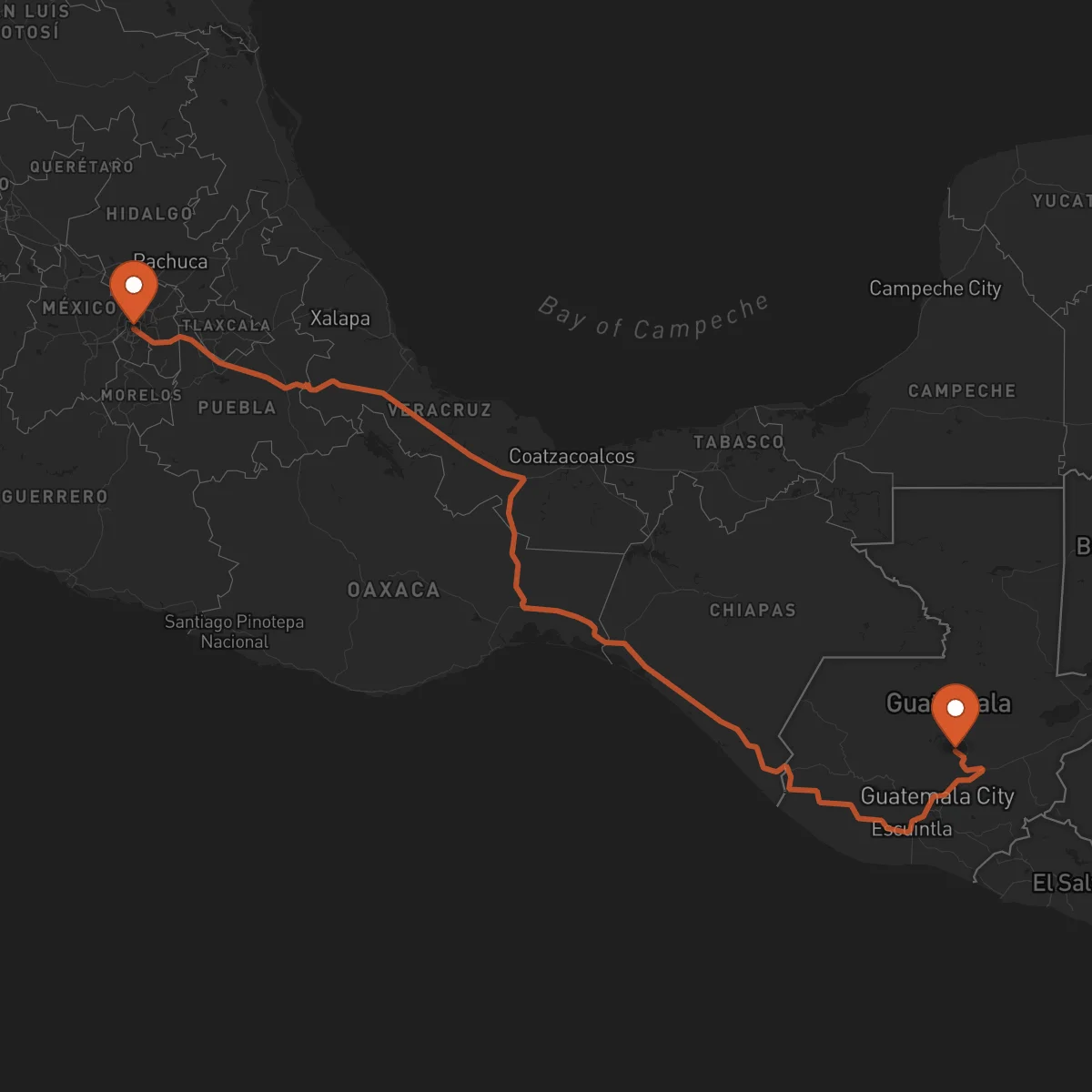
Salamá to Mexico City
Mexico City → SalamáFTL freight transportation service between Salamá and Mexico City. Reliable logistics solutions for your business.
Route Description
Everything you need to know about the corridor Salamá - Mexico City
The Salamá to Ciudad de México corridor is a critical North-South logistics artery connecting the Guatemalan highlands with the massive consumer and industrial market of Mexico's capital. This strategic route facilitates the vital flow of goods across Central and North America, underpinning regional trade and supply chain integration. Economically, the corridor serves a region rich in agricultural production and light manufacturing, moving products from Guatemala's fertile valleys to one of the world's largest urban centers. Key industries leveraging this lane include coffee and cardamom exporters, textile and apparel manufacturers, and producers of processed foods and construction materials. The primary terrestrial infrastructure relies on Guatemala's CA-1 highway, which transitions into Mexico's Federal Highway 190 and eventually the Mexico-Puebla highway (150D), providing a paved, all-weather route. The principal international border crossing is at Tecún Umán, Guatemala / Ciudad Hidalgo, Mexico. Navigating this crossing requires expertise in customs documentation and compliance with both nations' regulations. At Control Terrestre, we facilitate seamless operations on this corridor through our strategic alliance of certified carriers. Our providers hold essential credentials like C-TPAT, FAST, and BASC, ensuring secure and expedited border processing. We exclusively coordinate dedicated Full Truckload (FTL) solutions, matching your cargo—whether dry van, refrigerated, or specialized—with the optimal equipment and experienced driver for a direct, efficient transit from door to door.
Services for this Route
Available services for the corridor Salamá - Mexico City
 Origin
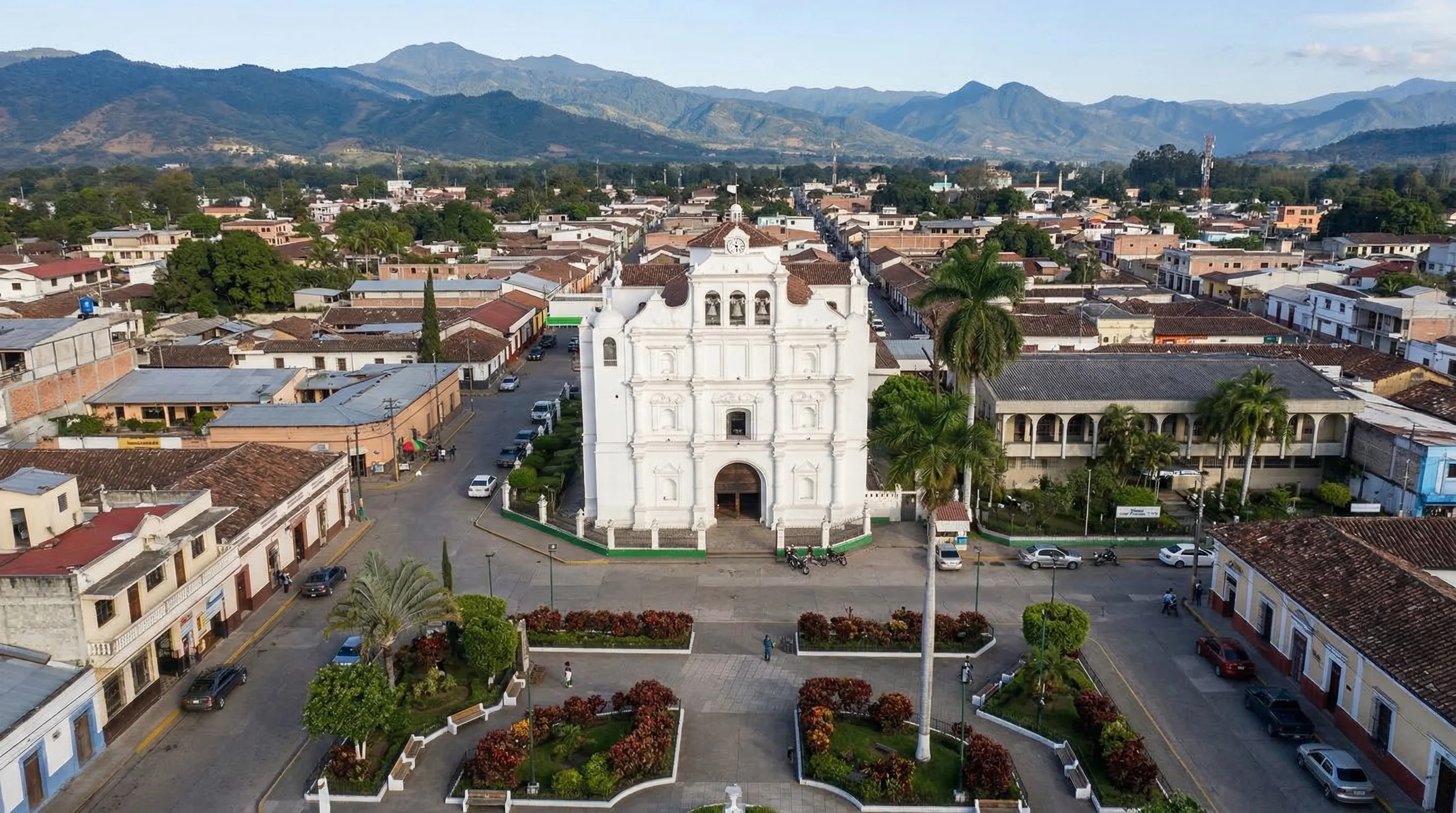
Salamá
Salamá, the capital of Baja Verapaz, Guatemala, is a strategic logistics hub in the country's central highlands. Its location provides direct access to the CA-1 highway, the main north-south route that connects to the Mexican border. This positioning makes it a key staging point for goods originating from Guatemala's agricultural heartland and industrial zones. The local and regional economy is driven by high-value agriculture, including coffee, cardamom, and sugarcane, alongside growing textile manufacturing and food processing sectors. The available transportation infrastructure is robust for FTL operations, with road connectivity supporting 48' and 53' dry vans, refrigerated units, and flatbeds for local collection before entering the international corridor.
 Destination
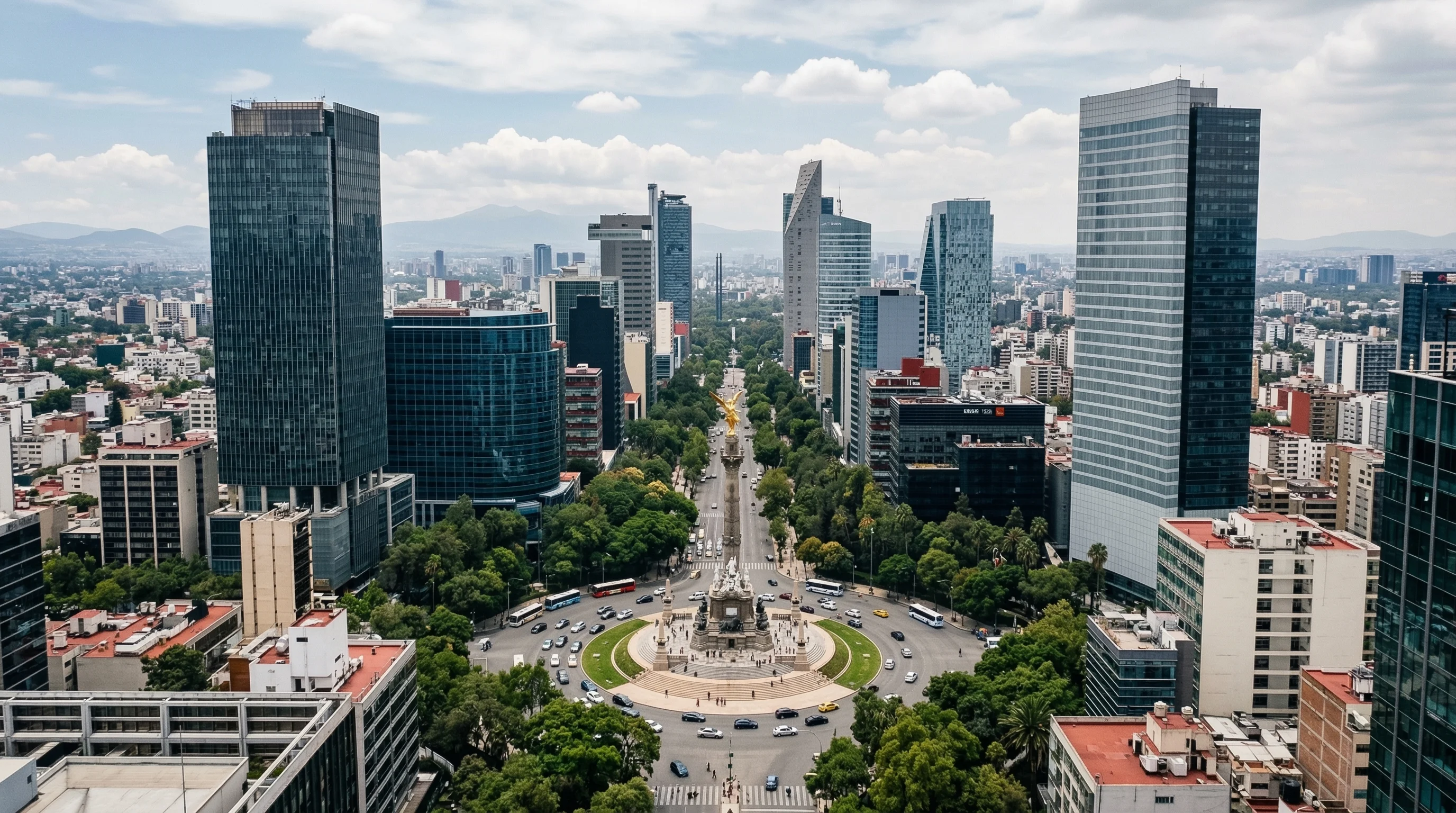
Mexico City
Ciudad de México is the ultimate economic and distribution destination, serving as Mexico's colossal capital and one of the largest metropolitan markets globally. Its strategic value lies in its unparalleled consumer base, dense industrial clusters, and role as a national logistics nexus. Key industries include automotive assembly, aerospace, pharmaceuticals, electronics, and a vast food & beverage sector serving millions. The city's infrastructure is a dense network of major federal highways (like the 150D and 57D) that converge from all directions, supported by extensive warehousing and distribution facilities. For inbound freight, it represents the final-mile challenge for any supply chain, requiring precise door-to-door coordination within a complex urban environment. Control Terrestre's FTL services are designed to navigate this complexity, delivering directly to manufacturing plants, distribution centers, or corporate facilities across the metropolitan area.










