
Salamá to Chihuahua
Chihuahua → SalamáFTL freight transportation service between Salamá and Chihuahua. Reliable logistics solutions for your business.
Route Description
Everything you need to know about the corridor Salamá - Chihuahua
The Salamá to Chihuahua corridor represents a critical north-south logistics artery connecting the highlands of Guatemala with the industrial heartland of Northern Mexico. This strategic cross-border route spans approximately 2,210 kilometers, serving as a vital conduit for trade between Central America and the United States via Mexico's key manufacturing and export hubs. The corridor's importance is amplified by its role in integrating supply chains for industries that rely on the efficient movement of full truckloads (FTL) across diverse terrains and regulatory environments. Economically, the route links the agricultural and emerging manufacturing sectors of Guatemala's Alta Verapaz region with the advanced industrial base of Chihuahua, a state synonymous with Mexico's maquiladora industry, automotive production, and mining. Major industries leveraging this corridor include agricultural processors, textile and apparel manufacturers, automotive parts suppliers, and companies involved in cross-border manufacturing (maquilas). The primary transportation infrastructure relies on a network of federal highways. In Guatemala, the route typically begins on the CA-1 highway, connecting through Guatemala City. In Mexico, the backbone is Federal Highway 45, a major north-south artery, often connecting to Federal Highway 85 near the border region for final approaches to Chihuahua city. The most significant border crossing for this corridor is at Tecún Umán, Guatemala / Ciudad Hidalgo, México. Navigating this crossing requires meticulous planning for customs clearance and compliance with both Guatemalan and Mexican regulations, including specific programs for expedited transit. At Control Terrestre, we facilitate seamless operations on this corridor through our strategic alliance with certified carriers. Our providers hold key credentials such as C-TPAT, FAST, and BASC, which streamline customs procedures and enhance security for your FTL shipments. We manage the entire cross-border process, from origin pickup in Salamá to final delivery in Chihuahua, offering dedicated, expedited, and specialized options for cargo like oversized or temperature-sensitive goods. Our 'we' approach means we coordinate every detail, providing you with a single point of contact for a complex, multinational journey.
Services for this Route
Available services for the corridor Salamá - Chihuahua
 Origin
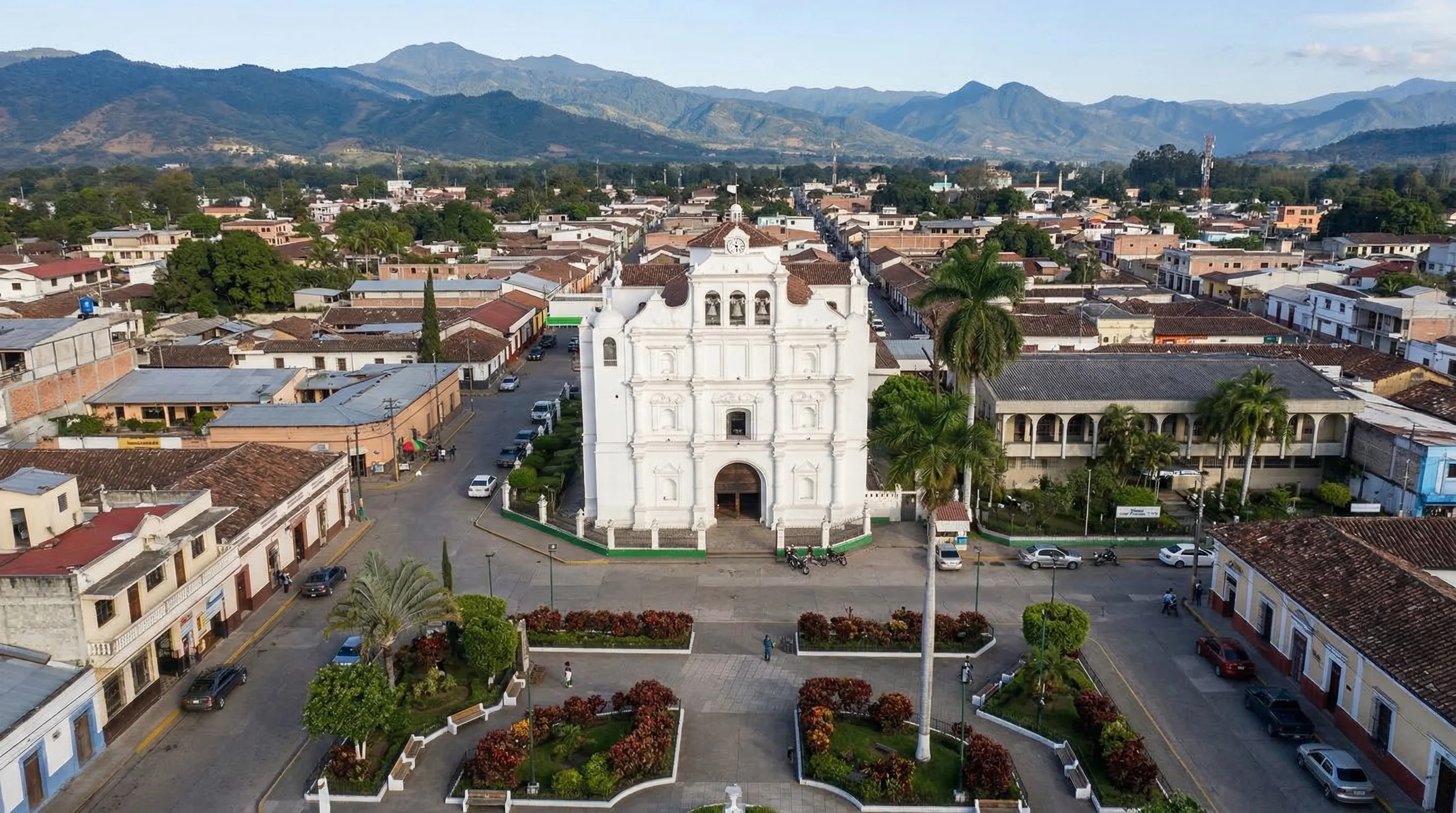
Salamá
Salamá, the capital of Baja Verapaz in Guatemala, is a strategically located logistics origin in the country's central highlands. Its position provides direct access to the fertile agricultural lands of the region and connects efficiently to Guatemala's primary north-south highway corridor, the CA-1, which leads to the capital and the main border crossing with Mexico. The local economy is deeply rooted in agriculture, with significant production of coffee, cardamom, sugar cane, and a variety of fruits and vegetables. Additionally, the region supports light manufacturing, including food processing and textile workshops, which generate consistent demand for outbound freight. The available transportation infrastructure is centered on the CA-1 highway, a paved federal road that, while subject to seasonal weather impacts in mountainous areas, remains the primary route for commercial trucks moving towards the Mexican border. Local road networks connect rural production zones to Salamá, making it an effective aggregation point for full truckloads destined for international markets. For exporters, Salamá offers a gateway to the Pacific via Puerto Quetzal or, more relevantly for this corridor, the land bridge to Mexico and ultimately the U.S. and Canada.
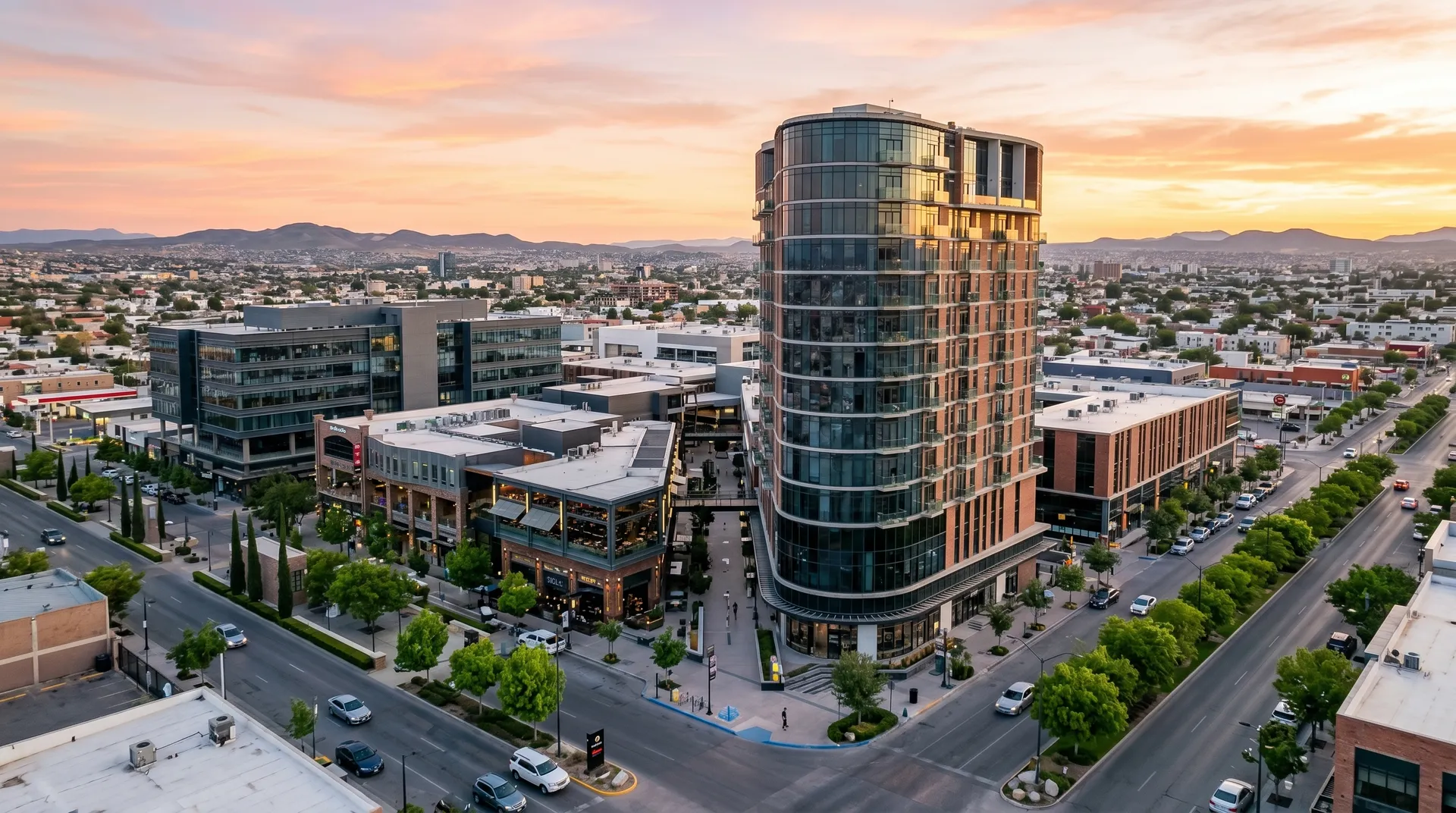 Destination
Chihuahua City, the capital of the state of Chihuahua, is a pivotal logistics and industrial destination in Northern Mexico. Its strategic location places it at the crossroads of major north-south and east-west federal highways, most notably Federal Highway 45, which runs directly to the U.S. border at El Paso, Texas, and Ciudad Juárez. This makes Chihuahua a primary hub for manufacturing and distribution serving the U.S. market. The state's economy is dominated by the maquiladora industry (assembly plants), automotive manufacturing (with plants from major OEMs), electronics, and mining. These sectors are heavy users of inbound raw materials and outbound finished goods, creating a constant, high-volume flow of FTL freight. The city boasts robust transportation infrastructure, including extensive warehousing and distribution centers, direct rail connections, and proximity to multiple international border crossings (Ojinaga/Presidio, El Paso, and Ciudad Juárez). For freight forwarders, Chihuahua represents a high-demand destination requiring reliable cross-border expertise, efficient customs clearance, and the capability to handle specialized cargo for its advanced industrial parks. Its infrastructure supports seamless onward connection to the U.S. interior via the interstate highway system.










