Reynosa to Vancouver
Vancouver → ReynosaFTL freight transportation service between Reynosa and Vancouver. Reliable logistics solutions for your business.
Route Description
Everything you need to know about the corridor Reynosa - Vancouver
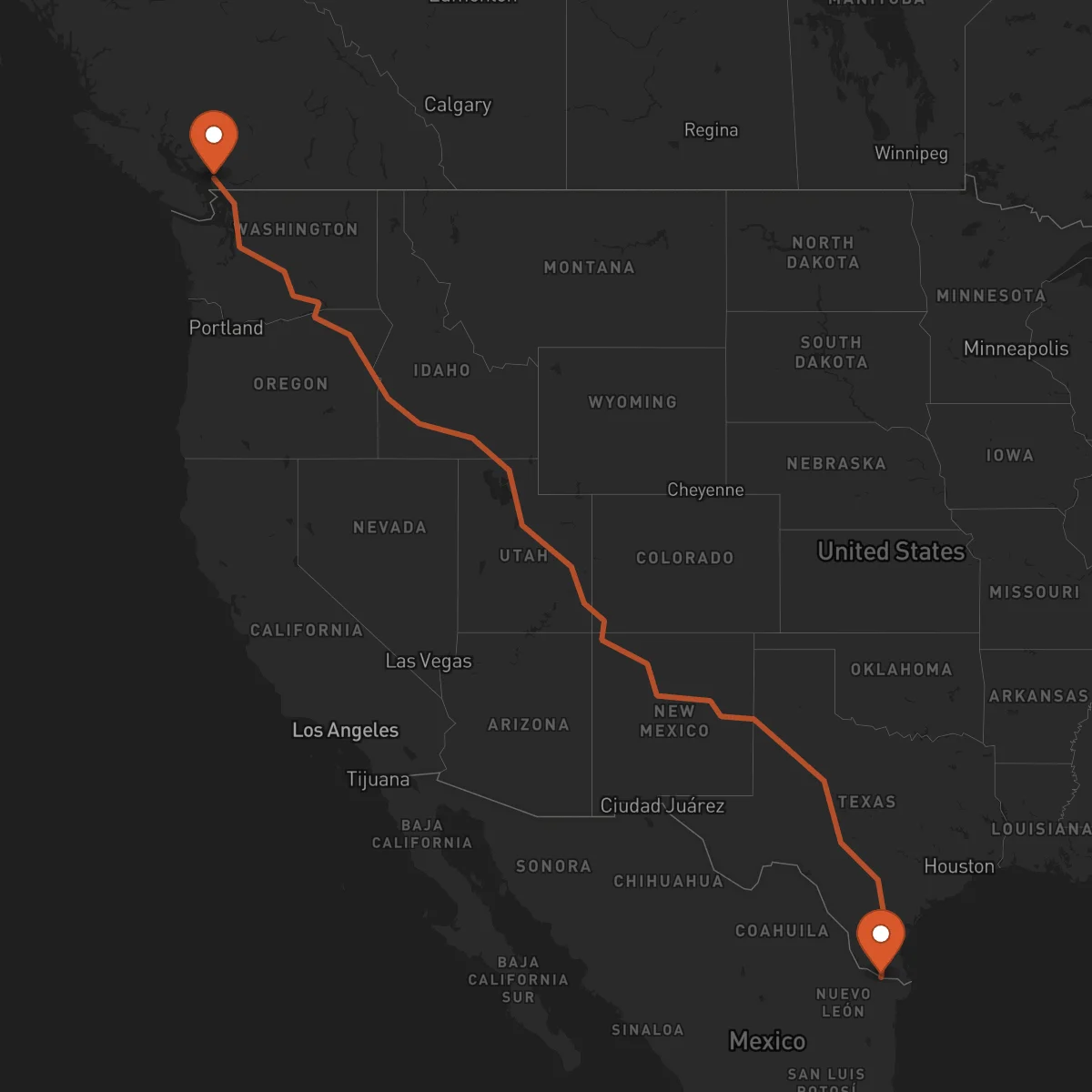
The logistics corridor between Reynosa, Tamaulipas and Vancouver, British Columbia represents a critical trade route connecting Mexico's industrial heartland with Canada's Pacific gateway. This 3,349 km cross-border corridor traverses three countries, facilitating the movement of manufactured goods, automotive components, and industrial materials between North America's most dynamic economic regions.
The corridor's strategic importance stems from Reynosa's position as a key manufacturing hub in Mexico's northeastern region, home to numerous maquiladoras and automotive assembly plants. Vancouver serves as Canada's largest port on the Pacific coast, handling significant volumes of containerized cargo and serving as a distribution center for western Canada and beyond. The route connects major industrial centers including Monterrey, San Antonio, Denver, Salt Lake City, and Seattle.
Primary transportation infrastructure includes Mexico's Federal Highway 85, which connects to US Interstate 35 running north through Texas, Oklahoma, and Kansas. The route continues via Interstate 70 through Denver, then connects to Interstate 15 through Salt Lake City before joining Interstate 90 to Seattle and finally connecting to British Columbia Highway 99 to Vancouver. Key border crossings include Laredo/Nuevo Laredo and potentially other strategic points depending on specific cargo requirements.
Control Terrestre facilitates seamless operations on this corridor through our extensive network of certified carriers, offering full truckload (FTL) services with expertise in cross-border documentation, customs clearance, and compliance with C-TPAT and FAST program requirements. Our specialized team ensures efficient transit across all three countries while maintaining the highest standards of safety and reliability.
Services for this Route
Available services for the corridor Reynosa - Vancouver
 Origin
Reynosa
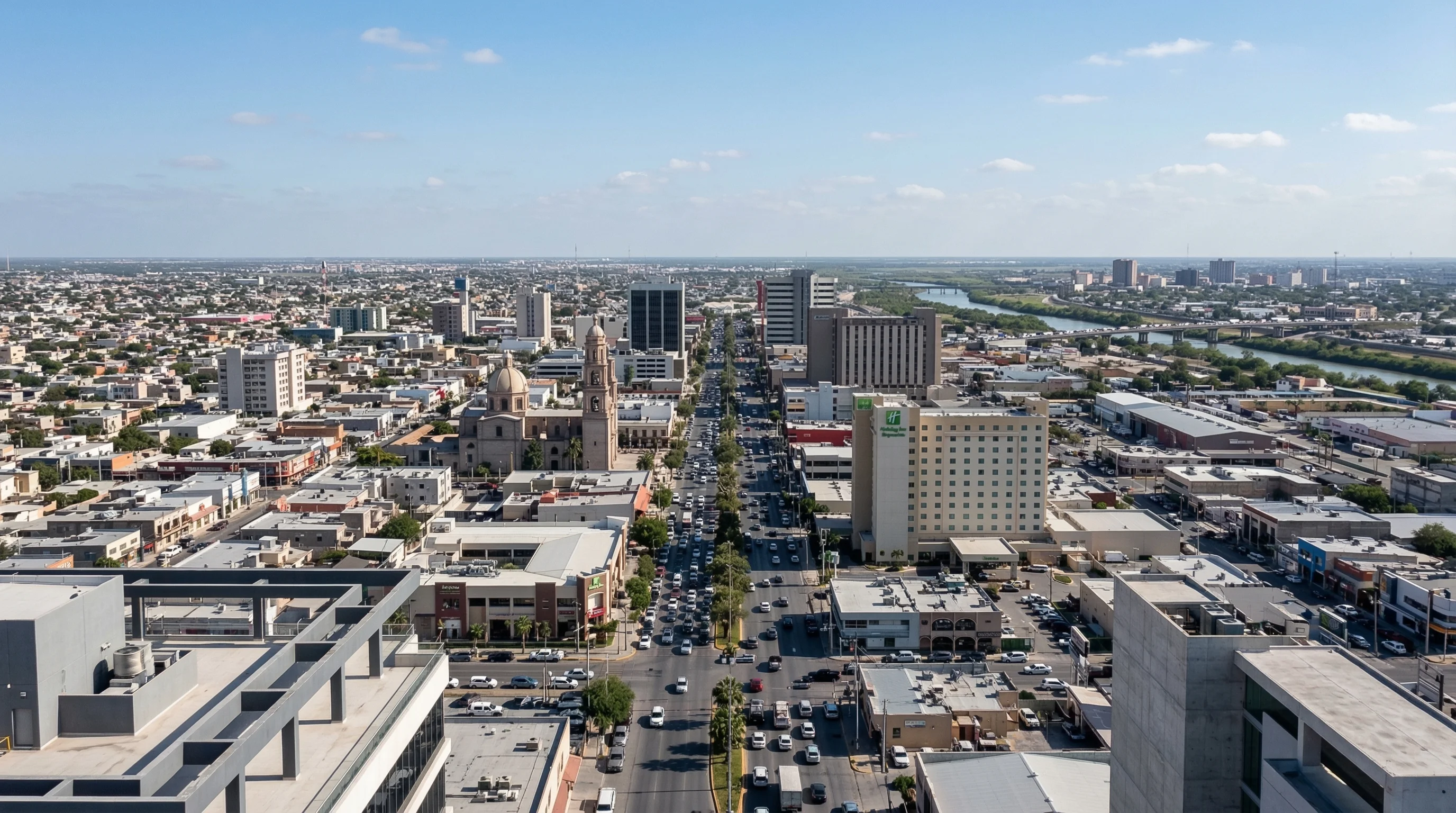
Reynosa, located in Tamaulipas on Mexico's northeastern border with the United States, serves as a strategic logistics hub for international trade. The city's proximity to McAllen, Texas provides immediate access to major US transportation networks and distribution centers. Reynosa's industrial base includes a strong presence of automotive manufacturing, electronics assembly, and aerospace industries, supported by numerous maquiladoras that serve both domestic and export markets.
The city boasts excellent transportation infrastructure, including direct access to Federal Highway 85 (the NAFTA corridor) and the Reynosa International Airport for air cargo needs. The area features modern industrial parks with rail connections to Mexico's national rail network, providing intermodal transportation options. Reynosa's Free Trade Zone status and proximity to major US markets make it an ideal origin point for cross-border freight movements throughout North America.
 Destination
Vancouver
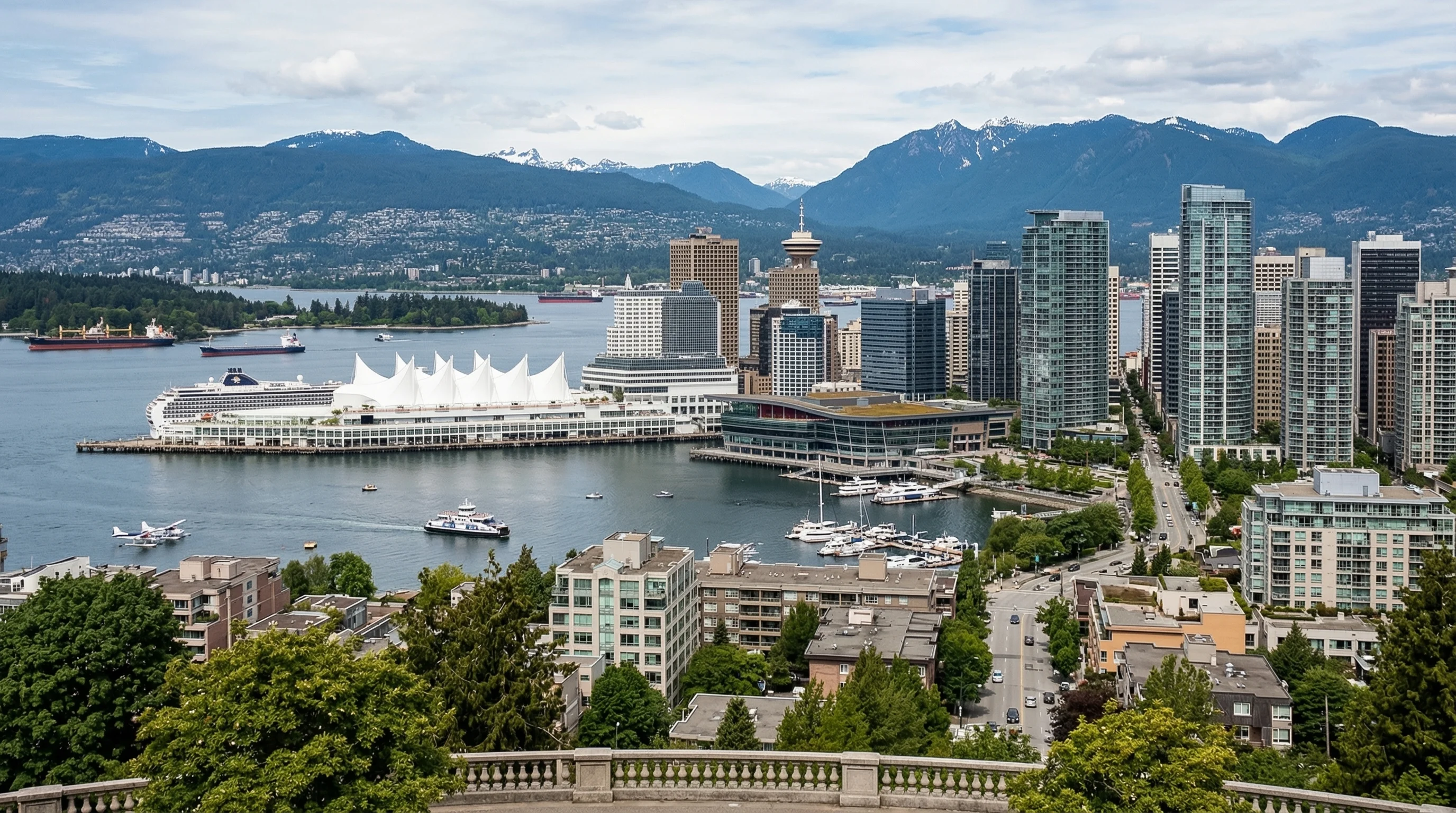
Vancouver, situated on Canada's Pacific coast, stands as a premier logistics gateway for trade with Asia and western North America. As Canada's largest port by tonnage, the Port of Vancouver handles millions of containers annually and serves as a critical node in global supply chains. The city's strategic location provides access to major rail networks including Canadian National and Canadian Pacific, connecting to the rest of Canada and the United States.
The Vancouver metropolitan area hosts diverse industries including technology, film production, natural resources, and advanced manufacturing. The region's transportation infrastructure includes the Vancouver International Airport, extensive port facilities, and a comprehensive road network with direct connections to the US border via Highway 99 and Interstate 5. Vancouver's position as a major distribution center for British Columbia and the Pacific Northwest, combined with its role in trans-Pacific trade, makes it an essential destination for cross-border freight movements.










