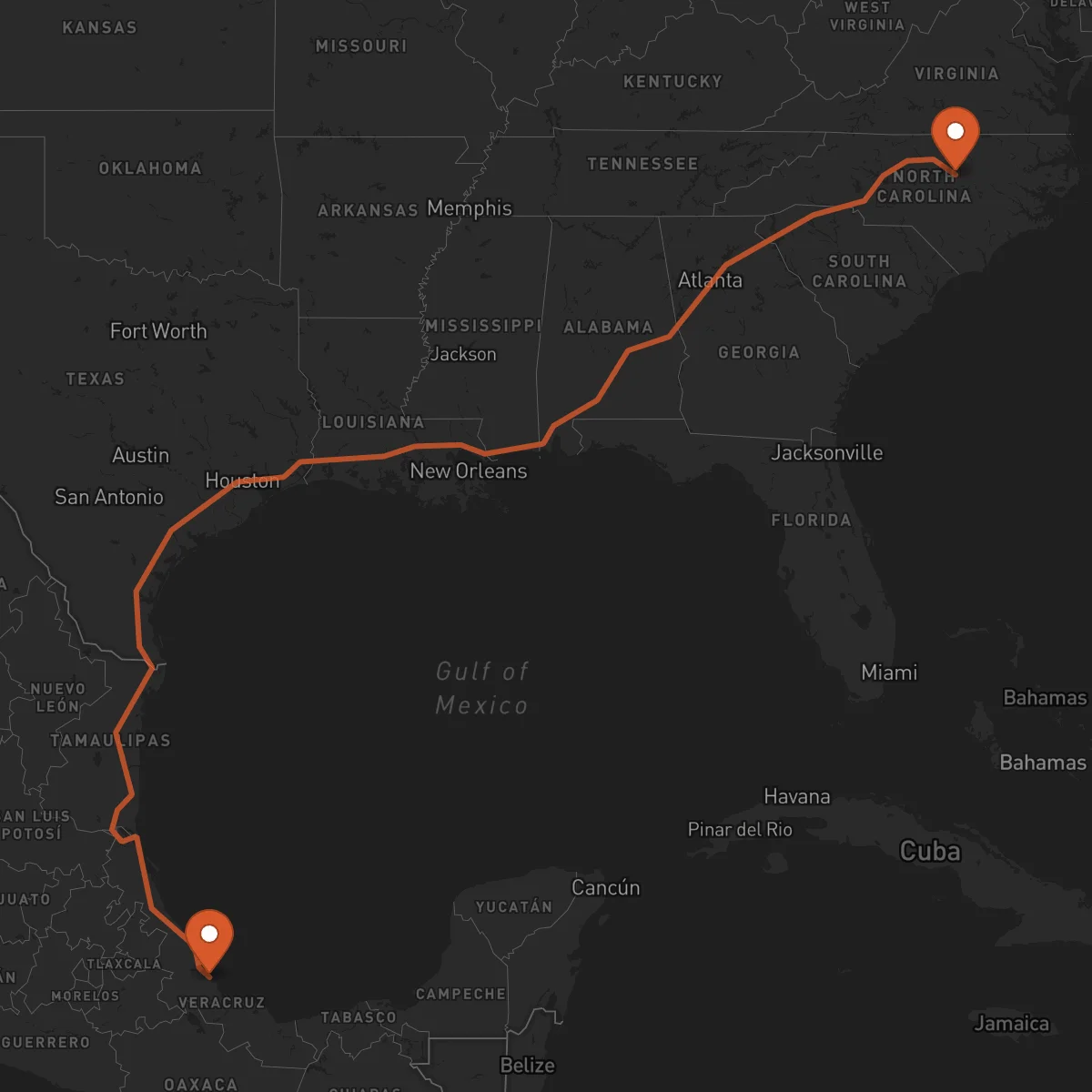
Raleigh to Veracruz
Veracruz → RaleighFTL freight transportation service between Raleigh and Veracruz. Reliable logistics solutions for your business.
Route Description
Everything you need to know about the corridor Raleigh - Veracruz
The Raleigh-Veracruz corridor represents a vital trade connection between the industrial heart of North Carolina and Mexico's Gulf Coast. This 2,519 km cross-border route links Raleigh's thriving manufacturing sector with Veracruz's strategic port facilities, creating an essential supply chain pathway for North American commerce. The corridor traverses diverse terrain, crossing multiple states and federal entities, ultimately connecting to Mexico's extensive highway network.
This transportation route serves as a critical artery for industries ranging from automotive and aerospace to electronics and agricultural products. The economic significance extends beyond simple freight movement, facilitating the seamless flow of goods between two major industrial regions. The route benefits from well-maintained interstate highways in the United States, transitioning to Mexico's federal highways that provide reliable access to Veracruz's port facilities and industrial zones.
Control Terrestre specializes in managing the complexities of this cross-border corridor, ensuring efficient transit through customs procedures and regulatory compliance. Our expertise in handling the specific requirements of US-Mexico freight transportation allows us to provide seamless door-to-door service, maintaining cargo integrity and optimizing delivery schedules for businesses operating between these two important economic centers.
Services for this Route
Available services for the corridor Raleigh - Veracruz
 Origin
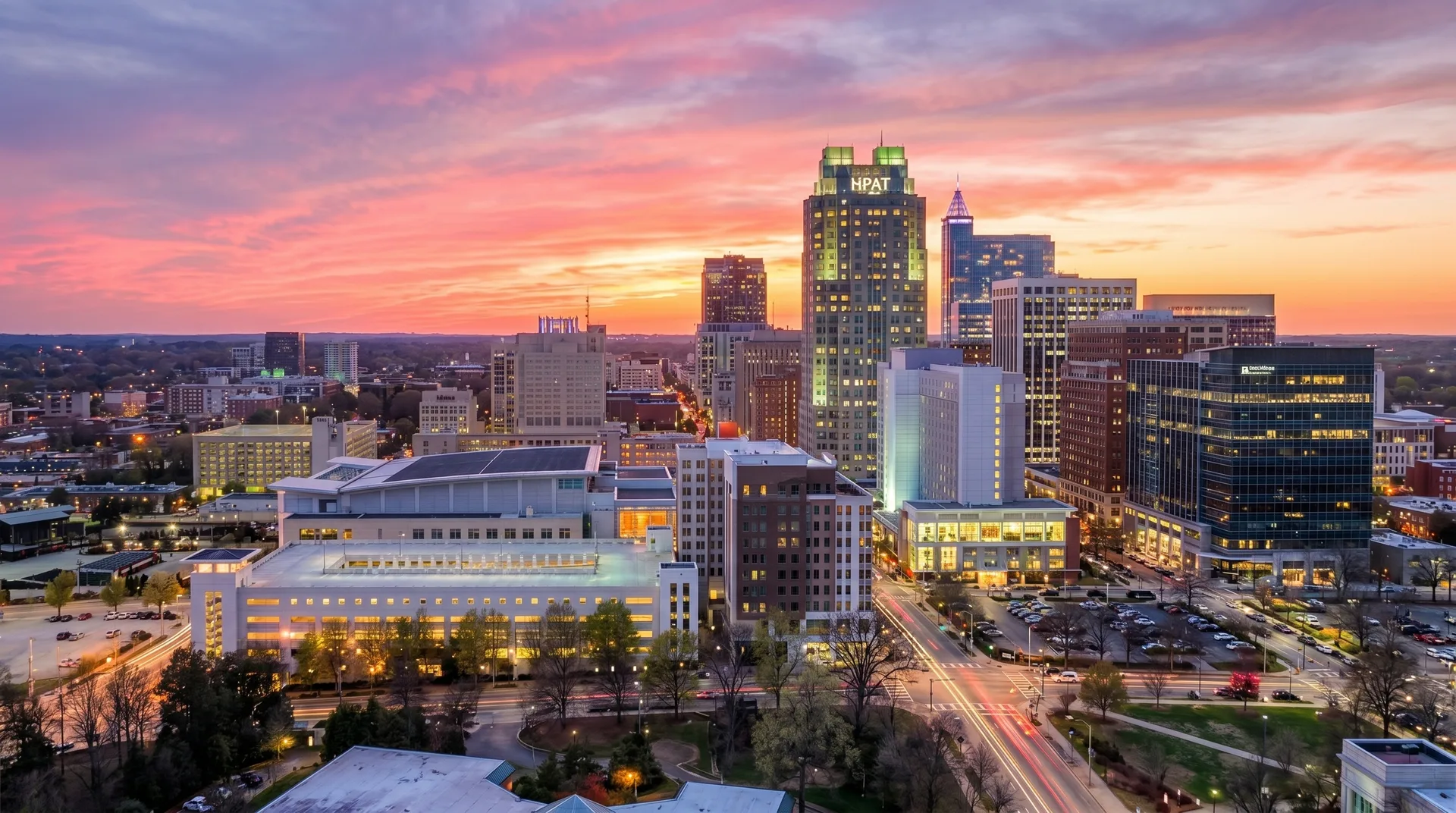
Raleigh
Raleigh, North Carolina serves as a strategic logistics hub in the southeastern United States, positioned advantageously for distribution throughout the East Coast and beyond. The city's location provides excellent access to major interstate highways, including I-40 and I-95, facilitating efficient connections to national freight networks. Raleigh's robust infrastructure includes Raleigh-Durham International Airport and proximity to major East Coast ports, making it an ideal origin point for freight shipments.
The region's economy thrives on diverse sectors including technology, research and development, pharmaceuticals, and advanced manufacturing. The Research Triangle area, encompassing Raleigh, Durham, and Chapel Hill, hosts numerous high-tech companies and research institutions that generate significant freight volumes. The city's industrial parks and distribution centers are equipped with modern facilities designed to handle various cargo types, from electronics to industrial equipment, supporting the region's role as a major logistics origin point.
 Destination
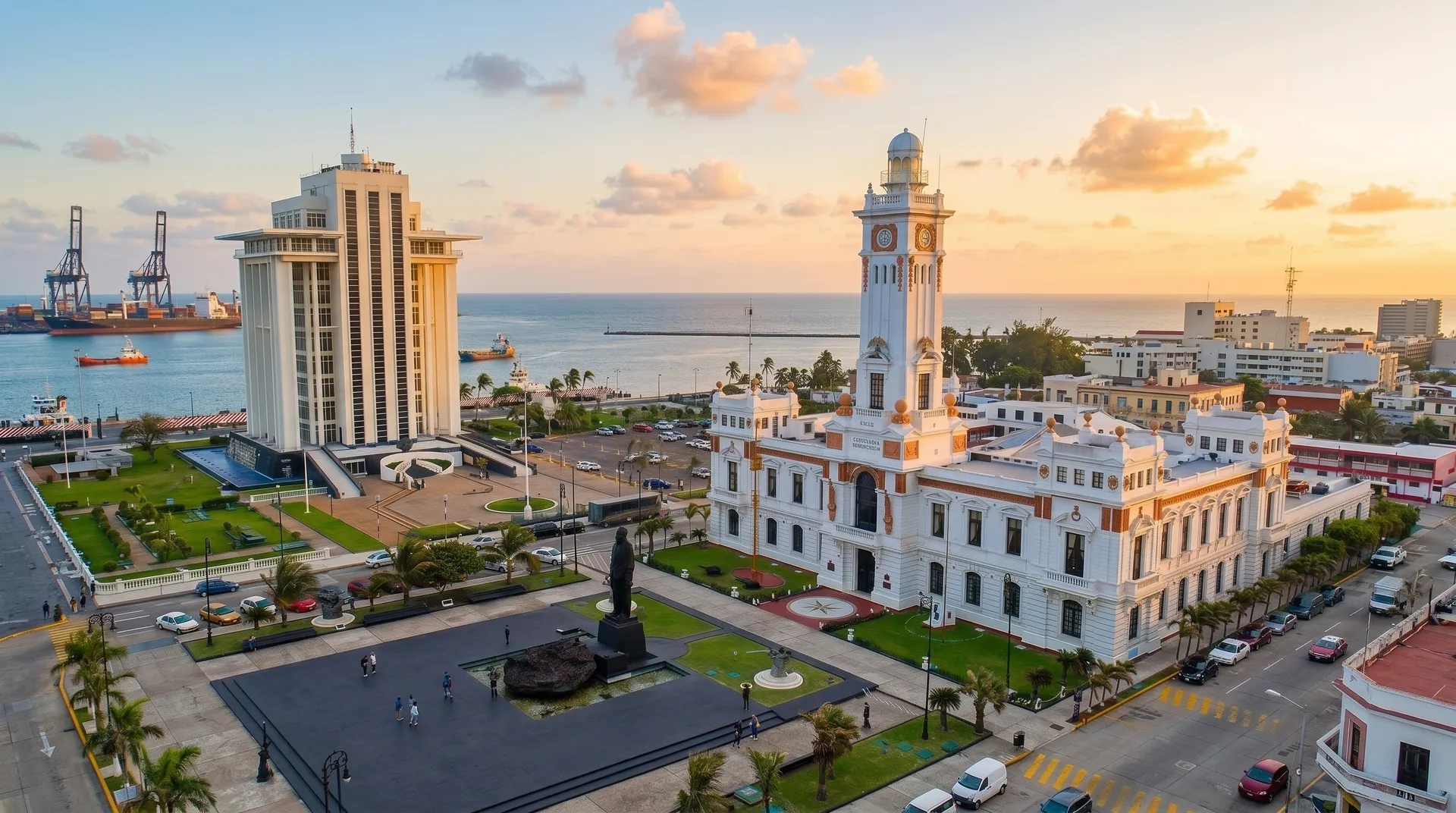
Veracruz stands as Mexico's principal Gulf Coast port city and a critical logistics hub for international trade. Its strategic location provides direct access to the Gulf of Mexico, connecting maritime shipping routes with Mexico's extensive land transportation network. The city's port facilities rank among the busiest in the country, handling a significant portion of Mexico's import-export cargo. Veracruz's transportation infrastructure includes major highways connecting to Mexico City and other industrial centers, facilitating efficient inland distribution.
The region's economy centers around petroleum refining, petrochemicals, and agricultural exports, with the port serving as a gateway for these industries. Veracruz's industrial zones host manufacturing facilities and processing plants that benefit from the city's logistical advantages. The area's infrastructure supports various cargo types, from bulk commodities to containerized freight, making it an ideal destination for cross-border shipments. The city's customs facilities and logistics services ensure smooth processing of international freight, supporting its role as a key distribution point for Mexican and international commerce.










