
Raleigh to Salamá
Salamá → RaleighFTL freight transportation service between Raleigh and Salamá. Reliable logistics solutions for your business.
Route Description
Everything you need to know about the corridor Raleigh - Salamá
The logistics corridor between Raleigh, North Carolina, and Salamá, Guatemala, represents a vital trade link connecting the southeastern United States with Central America. This cross-border route spans approximately 2,576 kilometers and serves as a critical artery for companies engaged in international trade between North and Central America. The corridor facilitates the movement of diverse cargo types, from industrial equipment to consumer goods, supporting the growing economic integration between the United States and Guatemala.
The route traverses multiple states and crosses international borders, requiring expertise in cross-border logistics and customs procedures. Key industries utilizing this corridor include manufacturing, agriculture, retail, and automotive sectors. Companies based in Raleigh's Research Triangle, known for its technology and research institutions, frequently ship specialized equipment and components to Guatemala's developing industrial sector. The return flow often includes agricultural products and textiles from Guatemala's robust manufacturing industry.
Transportation infrastructure along this corridor includes major interstate highways in the United States, such as I-85 and I-40, connecting to Mexico's comprehensive road network. The route typically crosses at Laredo or El Paso, utilizing Mexico's efficient transportation corridors before continuing south through Central America. Control Terrestre's expertise in managing cross-border documentation, customs clearance, and multi-jurisdictional regulations ensures seamless transit through each country along the route, minimizing delays and optimizing delivery times for full truckload shipments.
Services for this Route
Available services for the corridor Raleigh - Salamá
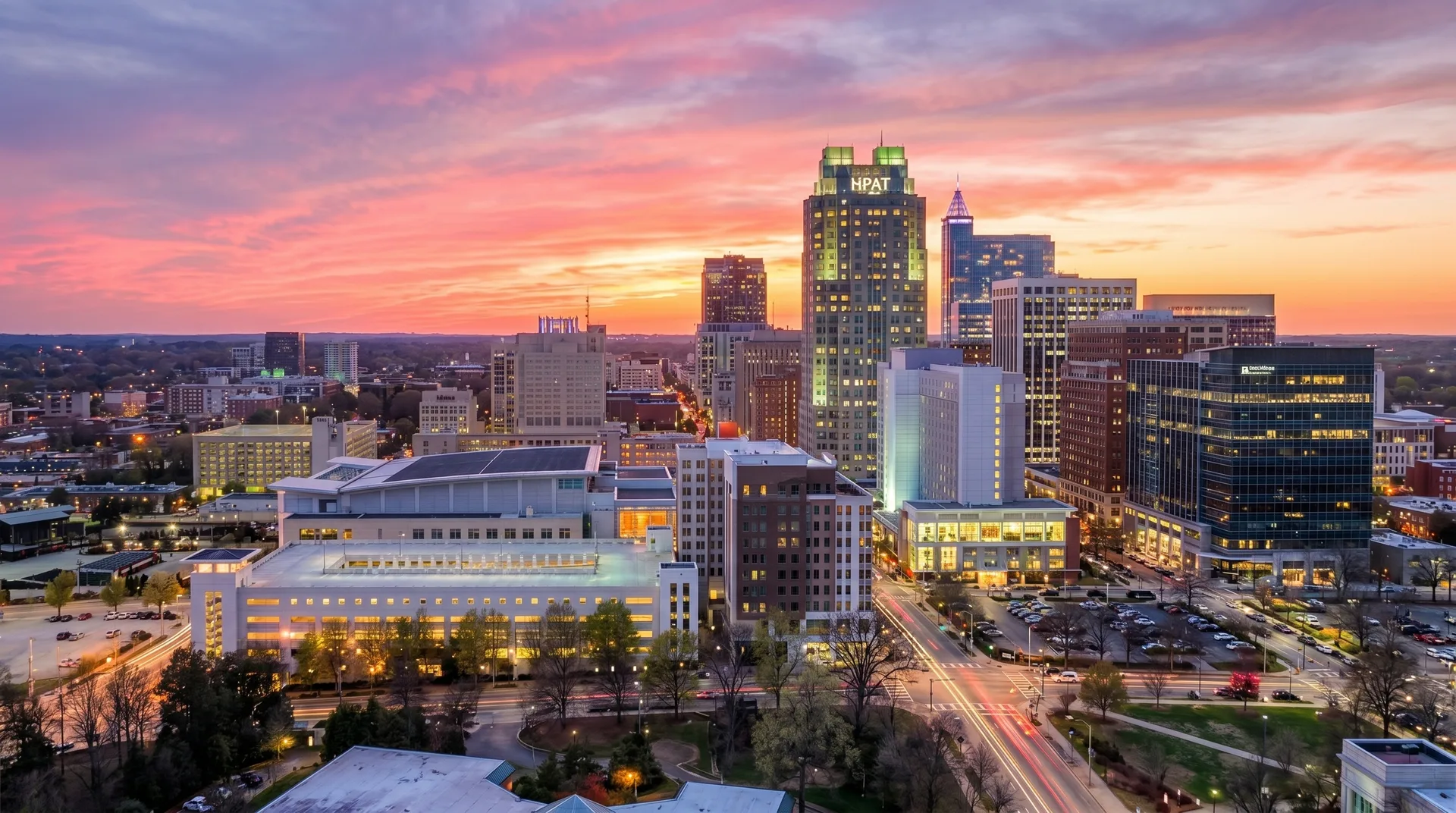 Origin
Raleigh
Raleigh, North Carolina, serves as a strategic logistics hub in the southeastern United States, offering excellent connectivity through its proximity to major transportation networks. The city is part of the Research Triangle, a region renowned for its concentration of technology companies, research institutions, and educational facilities. Raleigh's economic landscape includes strong representation from information technology, biotechnology, pharmaceuticals, and advanced manufacturing sectors. The city benefits from access to multiple interstate highways, including I-40 and I-85, providing direct connections to major ports and distribution centers. Raleigh's international airport and proximity to the Port of Wilmington further enhance its logistics capabilities, making it an ideal origin point for cross-border freight movements to Central America.
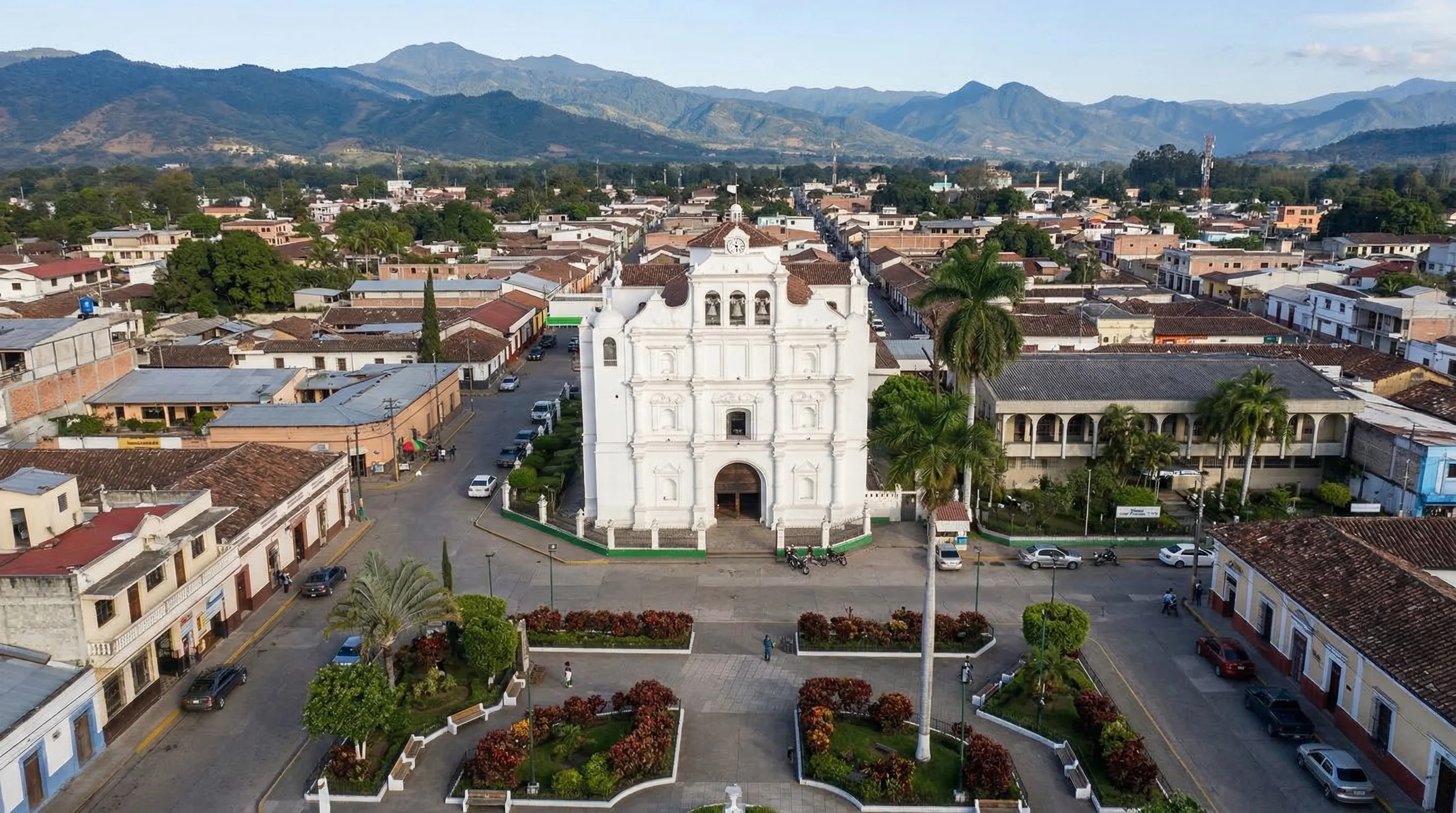 Destination
Salamá
Salamá, located in Baja Verapaz, Guatemala, occupies a strategic position in Guatemala's central highlands, offering access to both the capital region and the country's interior. The city serves as a gateway to Guatemala's industrial corridor, where manufacturing, textiles, and agricultural processing are prominent economic activities. Salamá's location provides relatively easy access to Guatemala City's major logistics hubs and distribution centers. The region benefits from Guatemala's developing transportation infrastructure, including the CA-9 highway that connects to the Mexican border and beyond. While Salamá itself is a smaller city, its position within Guatemala's transportation network makes it an important destination for cross-border freight, particularly for companies serving the central and western regions of the country.










