Raleigh to Burlington
Burlington → RaleighFTL freight transportation service between Raleigh and Burlington. Reliable logistics solutions for your business.
Route Description
Everything you need to know about the corridor Raleigh - Burlington
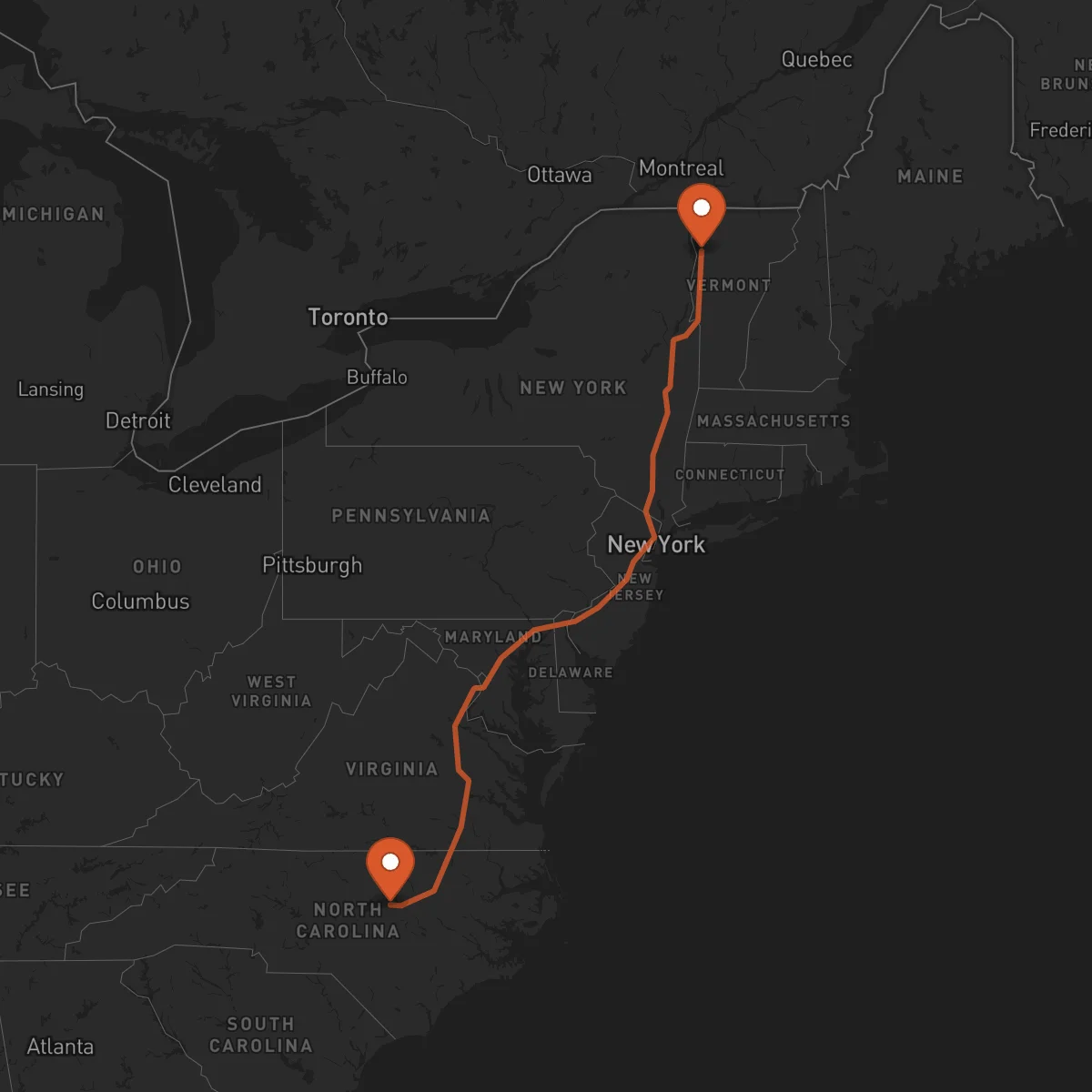
The Raleigh to Burlington corridor connects North Carolina's Research Triangle with Vermont's largest city, spanning approximately 1071 kilometers through the heart of the Eastern United States. This domestic route traverses diverse landscapes from the Piedmont region through the Appalachian Mountains into New England, serving as a critical link for businesses operating across these two dynamic regions.
The corridor facilitates the movement of goods between North Carolina's thriving technology, research, and manufacturing sectors and Vermont's agricultural, tourism, and specialty manufacturing industries. Companies leveraging this route benefit from the complementary economic strengths of both regions, with Raleigh's concentration of tech firms and research institutions pairing perfectly with Burlington's focus on sustainable products and artisanal manufacturing.
Key transportation infrastructure includes Interstate 40 West from Raleigh to Interstate 81 North in Tennessee, followed by I-81 through Virginia and Pennsylvania, connecting to I-88 East into New York, and finally I-787 North into Vermont. This well-established route provides reliable access through major logistics hubs including Greensboro, Roanoke, Harrisburg, and Albany.
Control Terrestre optimizes freight transportation along this corridor through our network of certified carriers and specialized equipment options. Our dedicated FTL services ensure your cargo moves efficiently from origin to destination, with real-time tracking and professional handling throughout the journey. Whether you're shipping high-tech equipment from Raleigh's research parks or agricultural products from Vermont's farms, we provide the expertise and reliability your supply chain demands.
Services for this Route
Available services for the corridor Raleigh - Burlington
 Origin
Raleigh
Raleigh, North Carolina serves as a strategic logistics hub in the Southeastern United States, anchored by the Research Triangle's concentration of technology, education, and healthcare institutions. The city's location provides excellent connectivity through major highways including I-40, I-440, and I-540, offering direct access to both coastal ports and inland distribution networks. Raleigh's proximity to Research Triangle Park, one of the largest research parks in the world, creates substantial demand for specialized freight services supporting the technology and pharmaceutical sectors.
The region's diverse economy encompasses advanced manufacturing, biotechnology, information technology, and research and development activities. Major employers in the area drive consistent freight volumes, particularly for high-value, time-sensitive shipments. Raleigh's infrastructure includes the Raleigh-Durham International Airport for air freight, multiple rail terminals, and extensive warehousing facilities that support both inbound raw materials and outbound finished products.
 Destination
Burlington
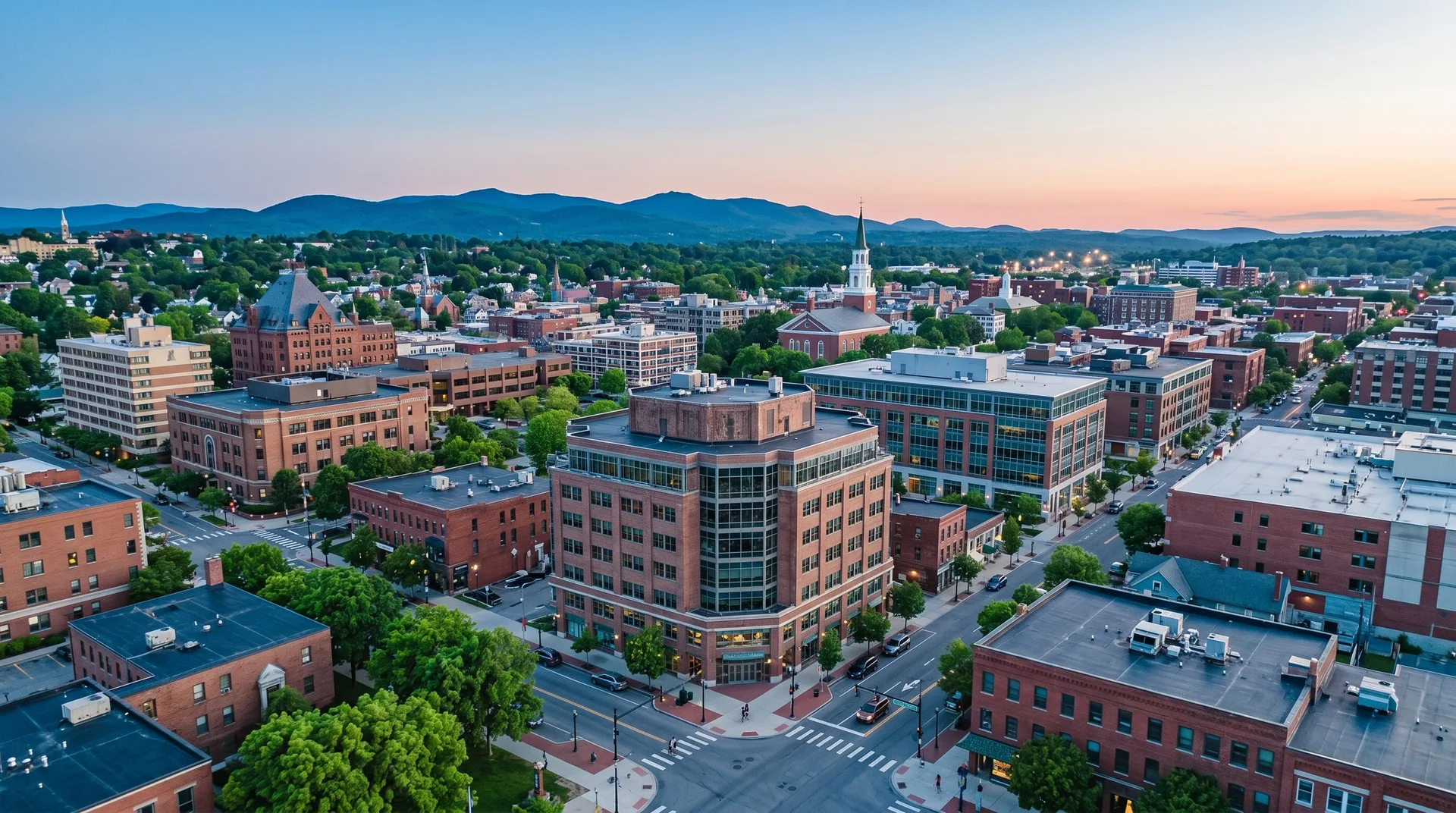
Burlington, Vermont represents a strategic logistics point in New England, serving as the largest city in the state and a gateway to both Canadian markets and the northeastern United States. Located on the eastern shore of Lake Champlain, Burlington benefits from multimodal transportation options including the Port of Burlington, rail connections through the Vermont Railway, and road access via I-89 and I-189. The city's location provides unique advantages for companies seeking to serve both U.S. and Canadian markets.
The local economy focuses on agriculture, specialty food production, craft beverages, tourism, and sustainable manufacturing. Vermont's reputation for high-quality dairy products, maple syrup, and artisanal goods creates consistent demand for temperature-controlled and specialized freight services. Burlington's commitment to sustainability aligns with modern logistics practices, making it an ideal destination for companies prioritizing environmental responsibility in their supply chain operations.










