
Portland to Managua
Managua → PortlandFTL freight transportation service between Portland and Managua. Reliable logistics solutions for your business.
Route Description
Everything you need to know about the corridor Portland - Managua
The Portland-Managua logistics corridor represents a vital trade link between the Pacific Northwest of the United States and Central America. This approximately 5,060 km route connects the industrial hub of Portland with Nicaragua's capital, facilitating the movement of goods across three countries. The corridor leverages major transportation infrastructure including Interstate 5, which extends from Portland to the Mexican border, and the Pan-American Highway, which continues south through Central America. Key border crossings include the San Ysidro/Tijuana crossing into Mexico and subsequent crossings through Guatemala and Honduras before reaching Nicaragua.
The economic significance of this corridor is substantial, supporting trade in automotive parts, electronics, agricultural machinery, and consumer goods. Portland's port facilities and rail connections provide efficient access to international shipping, while Managua serves as a gateway to the broader Nicaraguan market and surrounding Central American economies. The route accommodates both import and export activities, with growing demand for refrigerated transport of perishable goods and specialized handling of industrial equipment.
Control Terrestre facilitates seamless operations along this corridor through our network of certified carriers and strategic partnerships. Our expertise in cross-border documentation, customs compliance, and regulatory requirements ensures smooth transit across multiple jurisdictions. We provide dedicated FTL services with real-time tracking, specialized equipment options including refrigerated units for temperature-sensitive cargo, and experienced drivers familiar with the route's challenges and requirements.
Services for this Route
Available services for the corridor Portland - Managua
 Origin
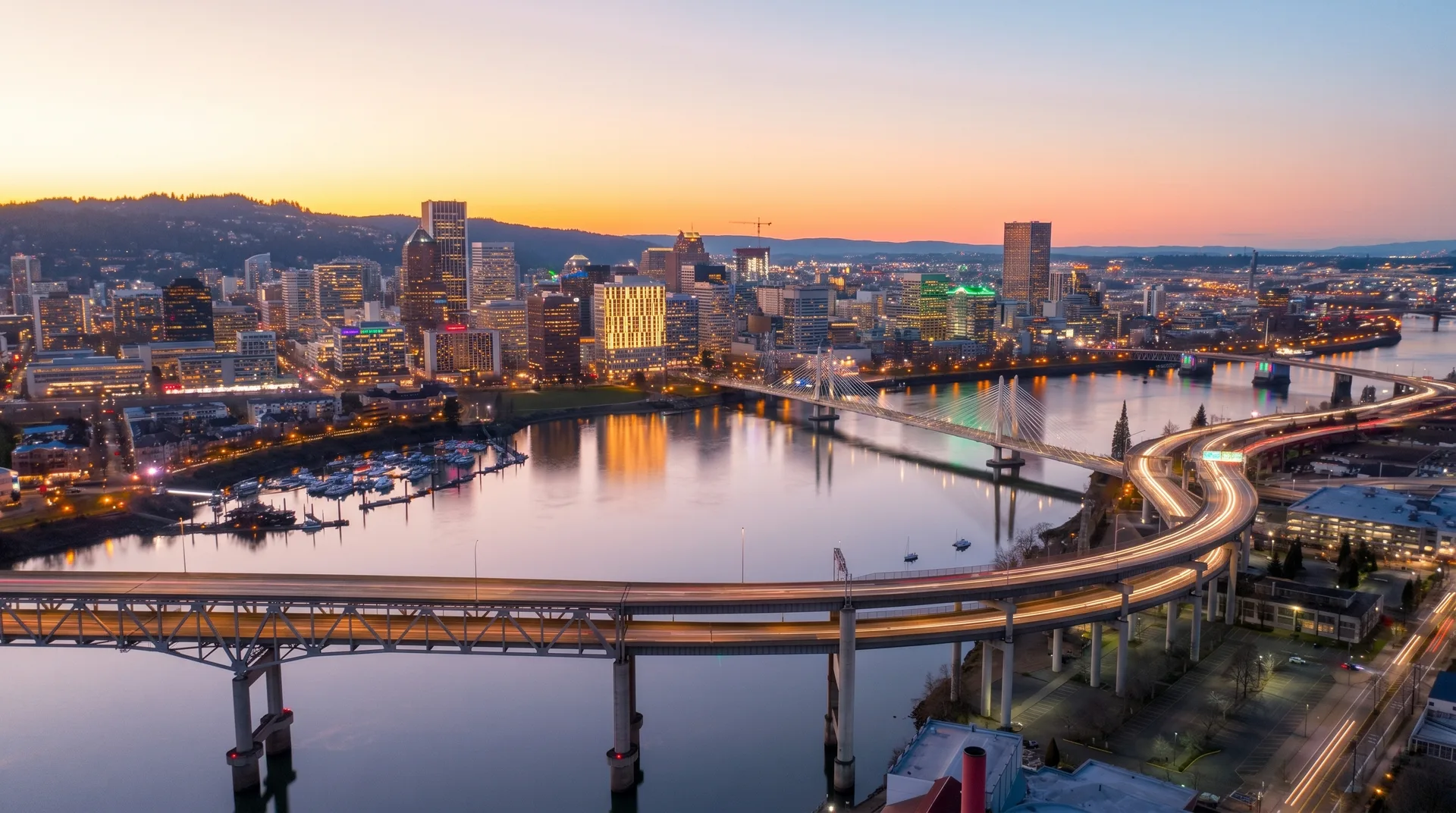
Portland
Portland, Oregon serves as a strategic logistics hub on the West Coast of the United States, offering exceptional connectivity for international freight. The city's location provides direct access to major transportation networks including Interstate 5, which runs north-south along the West Coast, and Interstate 84, connecting to the Midwest. Portland's Port facilities, including marine terminals on the Columbia River, handle significant cargo volumes and provide efficient links to global shipping routes. The city's robust infrastructure includes extensive warehousing and distribution centers, rail connections via Union Pacific and BNSF railroads, and proximity to Portland International Airport for air freight options.
The region's economy is diverse, with strong sectors in technology, manufacturing, agriculture, and renewable energy. Major industries include electronics, athletic and outdoor equipment, craft brewing, and sustainable products. Portland's strategic position near the Pacific Ocean and its well-developed transportation infrastructure make it an ideal origin point for cross-border freight movements to Central America and beyond.
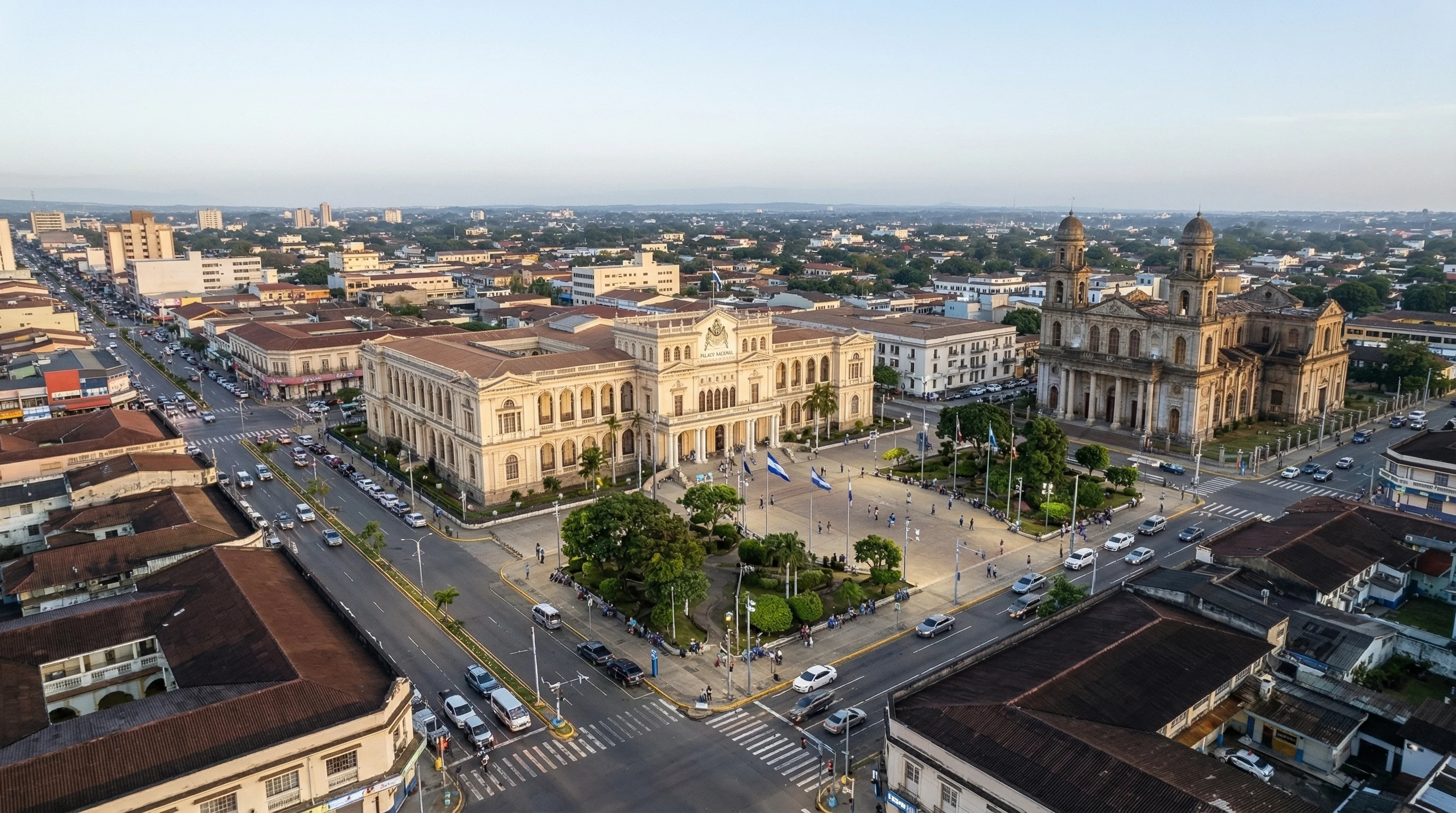 Destination
Managua, the capital and largest city of Nicaragua, serves as the primary economic and logistics center for the country. Located in the western part of Nicaragua, the city provides strategic access to both Pacific ports and the Central American highway system. The Pan-American Highway passes through Managua, connecting it to neighboring countries and facilitating regional trade. The city's transportation infrastructure includes the Augusto C. Sandino International Airport for air cargo, road connections to Pacific ports like Corinto, and a developing network of industrial parks and distribution centers.
The Nicaraguan economy relies heavily on agriculture, textiles, and light manufacturing, with growing sectors in tourism and renewable energy. Managua's central location within Nicaragua makes it an ideal distribution point for goods throughout the country and the broader Central American region. The city's industrial zones host numerous foreign companies and manufacturing operations, creating consistent demand for reliable freight transportation services from North American markets.










