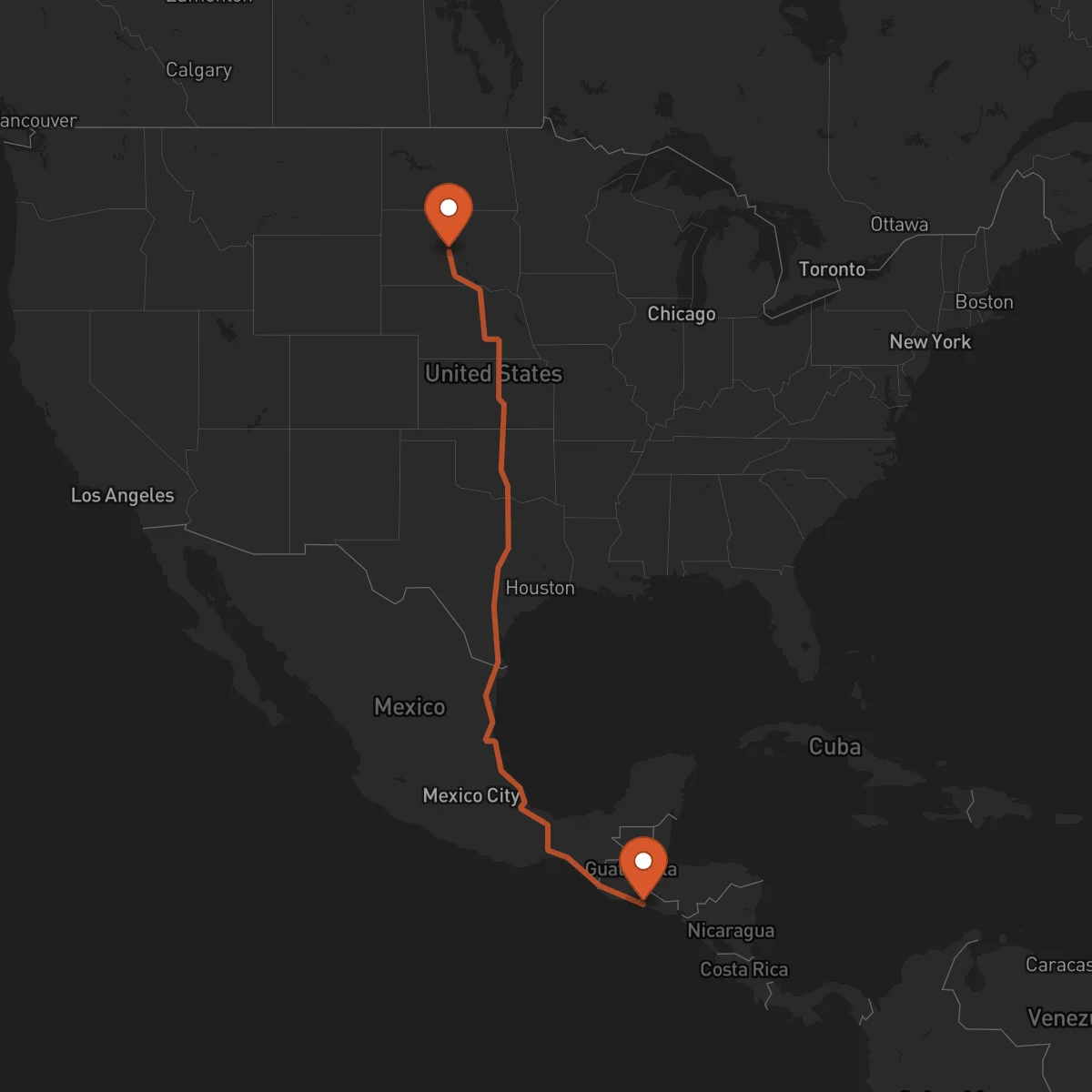
Pierre to Sonsonate
Sonsonate → PierreFTL freight transportation service between Pierre and Sonsonate. Reliable logistics solutions for your business.
Route Description
Everything you need to know about the corridor Pierre - Sonsonate
The logistics corridor between Pierre, South Dakota and Sonsonate, El Salvador represents a vital cross-border connection spanning approximately 3,554 kilometers. This route links the industrial heartland of the American Midwest with the growing economic hub of El Salvador's coastal region, facilitating the movement of diverse cargo types between North and Central America. The corridor traverses multiple international borders, requiring expertise in customs procedures and cross-border documentation to ensure seamless freight movement.
The economic significance of this corridor lies in its ability to connect manufacturing centers in South Dakota with export markets and import sources in Central America. Pierre serves as a strategic point for accessing the broader Midwest distribution network, while Sonsonate provides crucial access to El Salvador's Pacific ports and inland distribution channels. This route is particularly valuable for companies engaged in international trade, offering a reliable pathway for goods moving between the United States and Central American markets.
Key transportation infrastructure along this corridor includes major interstate highways in the United States connecting to international routes that continue through Mexico and into Central America. The route typically involves passage through established border crossings where C-TPAT certified carriers can expedite clearance procedures. Control Terrestre's expertise in managing cross-border operations ensures that freight moves efficiently through each jurisdiction, with our experienced team handling the complexities of international shipping requirements, documentation, and compliance standards that are essential for successful operations on this corridor.
Services for this Route
Available services for the corridor Pierre - Sonsonate
 Origin
Pierre
Pierre, South Dakota serves as a strategic logistics hub in the American Midwest, offering excellent connectivity to major transportation networks throughout the region. Located along the Missouri River, Pierre provides access to both rail and road freight infrastructure, making it an ideal origin point for cross-border shipments. The city's central location within South Dakota allows for efficient distribution to surrounding states and beyond, with proximity to Interstate highways that connect to national freight corridors.
The economic base of Pierre and surrounding areas includes government services, healthcare, and manufacturing sectors that generate consistent freight movement. The region's agricultural heritage also contributes to logistics activity, with products moving through the area for both domestic distribution and international export. Pierre's infrastructure includes modern warehousing facilities and transportation terminals that support various freight operations, from standard commercial goods to specialized cargo requiring specific handling requirements.
 Destination
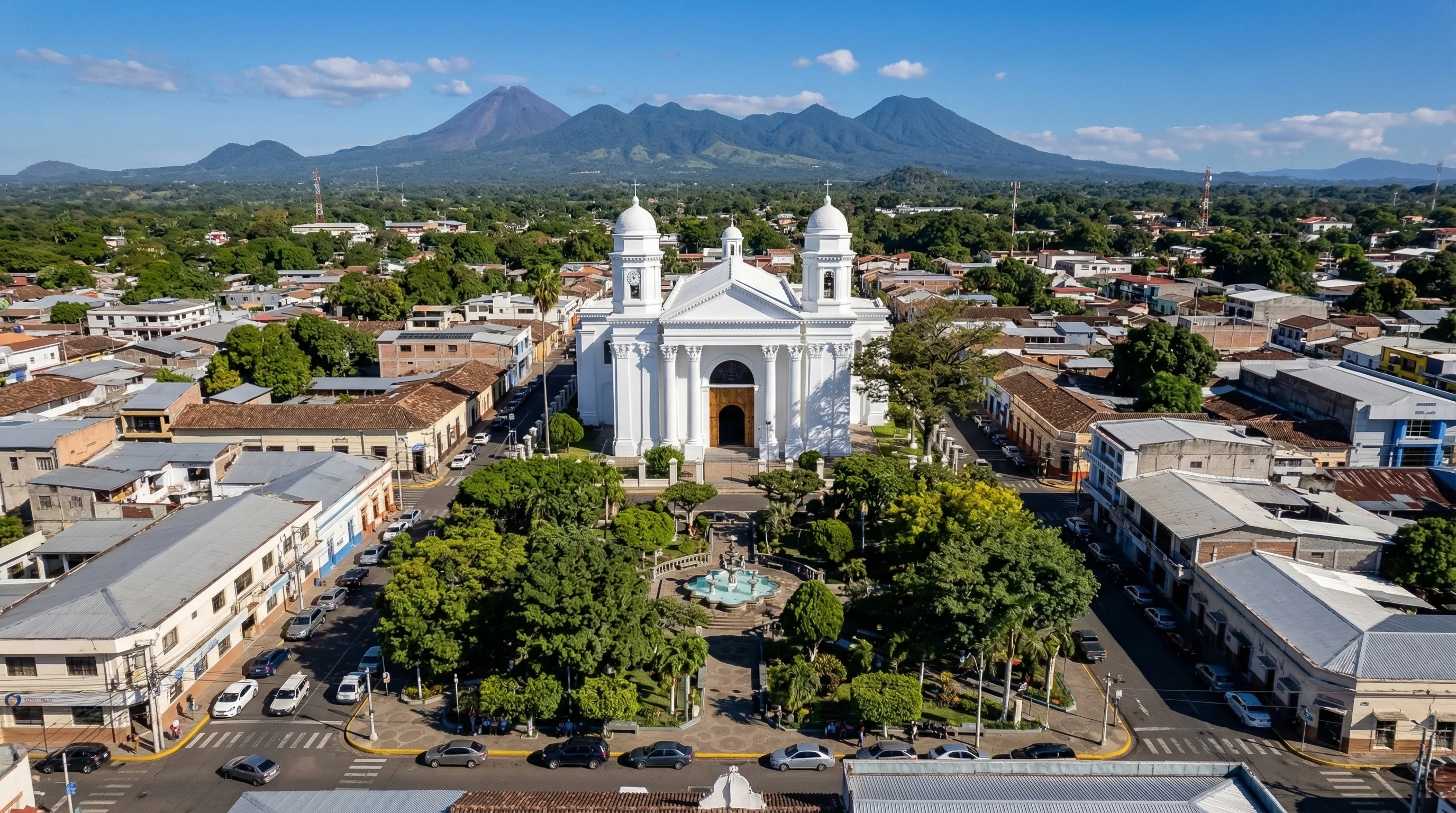
Sonsonate
Sonsonate, located in western El Salvador, represents a crucial logistics gateway to Central America's Pacific coast region. The city's strategic position provides access to El Salvador's growing industrial sector and serves as a vital link between the country's interior production centers and international trade routes. Sonsonate's proximity to the Pacific Ocean makes it an important point for goods moving between coastal and inland destinations throughout Central America.
The economic landscape of Sonsonate includes agricultural processing, manufacturing, and emerging industrial activities that drive freight demand in the region. The area benefits from improving transportation infrastructure, including highways that connect to major ports and border crossings. Sonsonate's role in El Salvador's logistics network is enhanced by its position relative to the Pan-American Highway system, which facilitates movement of goods throughout the region. The city's infrastructure continues to develop to support increased freight volumes, with facilities designed to handle various cargo types and specialized transportation requirements.










