
Pierre to Somoto
Somoto → PierreFTL freight transportation service between Pierre and Somoto. Reliable logistics solutions for your business.
Route Description
Everything you need to know about the corridor Pierre - Somoto
The logistics corridor connecting Pierre, South Dakota, with Somoto, Nicaragua, represents a vital cross-border transportation route spanning approximately 3,675 kilometers. This corridor serves as a strategic link between the northern United States and Central America, facilitating the movement of goods through a combination of interstate highways and international trade routes. The journey traverses diverse terrain and crosses multiple international borders, making it essential for companies engaged in North-South trade between the United States and Nicaragua.
The economic significance of this corridor is underscored by the complementary industrial activities in both regions. Pierre serves as a hub for agricultural products, manufacturing goods, and industrial equipment, while Somoto and the surrounding Madriz region are key markets for construction materials, consumer goods, and agricultural inputs. The corridor supports industries including agriculture, manufacturing, construction, and retail distribution, enabling businesses to optimize their supply chains across international boundaries.
Transportation infrastructure along this route relies primarily on major interstate highways in the United States, connecting to Mexico's comprehensive road network, and continuing through Central America's Pan-American Highway system. Key border crossings include those between the United States and Mexico, followed by strategic points through Guatemala, El Salvador, Honduras, and finally Nicaragua. Control Terrestre provides comprehensive logistics solutions for this corridor, managing the complexities of cross-border documentation, customs clearance, and the coordination required for seamless freight movement from origin to destination.
Services for this Route
Available services for the corridor Pierre - Somoto
 Origin
Pierre
Pierre, South Dakota, serves as a strategic logistics hub in the northern United States, benefiting from its central location within the state and proximity to major transportation networks. The city's economy is anchored in government services, healthcare, and retail, while the surrounding region is characterized by robust agricultural activities and manufacturing operations. Pierre's location along the Missouri River provides additional logistical advantages, and the city is well-connected to interstate highways that facilitate efficient freight movement to regional and national markets.
The transportation infrastructure in Pierre includes access to Interstate 90 and other major highways, along with rail connections that support multimodal freight operations. The city's central position in South Dakota makes it an ideal origin point for distributing goods throughout the Midwest and beyond. Local industries requiring reliable freight transportation include agricultural producers, food processors, manufacturing companies, and construction material suppliers, all of which benefit from efficient connections to international markets through cross-border logistics corridors.
 Destination
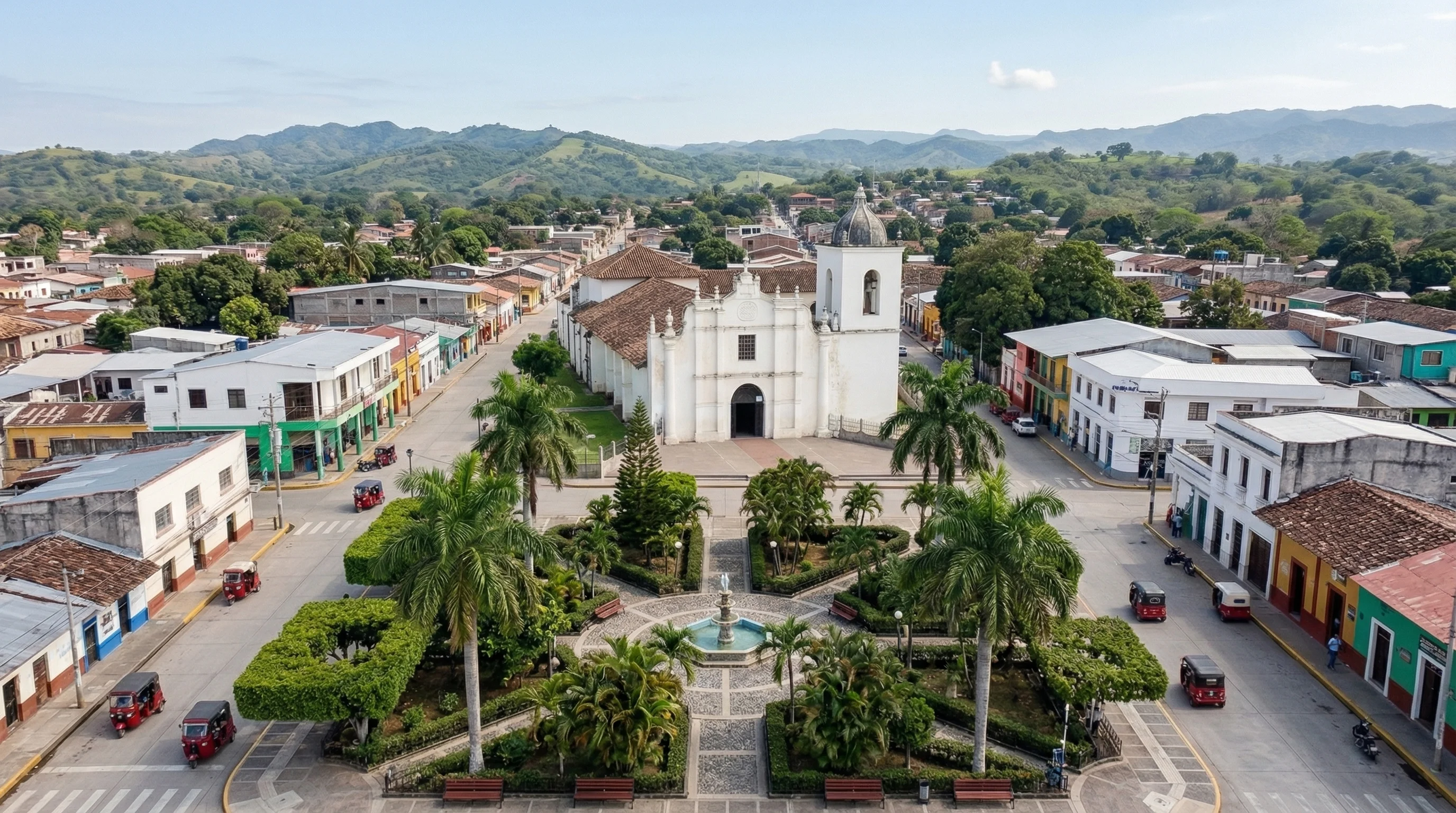
Somoto, located in the Madriz department of northern Nicaragua, occupies a strategic position near the Honduran border and serves as an important commercial center for the region. The city and surrounding area are characterized by agricultural production, particularly tobacco cultivation, as well as emerging manufacturing and retail sectors. Somoto's location along key transportation routes connecting northern Nicaragua with neighboring countries makes it a vital point for import and export activities, supporting both local industries and cross-border trade.
The transportation infrastructure in Somoto includes connections to Nicaragua's national highway system, with road access to major cities like Managua and border crossings with Honduras. While the region's infrastructure continues to develop, Somoto benefits from its position along the Pan-American Highway corridor, facilitating freight movement throughout Central America. Local industries requiring reliable transportation services include agricultural exporters, construction companies, manufacturing firms, and retail distributors, all of which depend on efficient logistics solutions to connect with suppliers and markets throughout North America.










