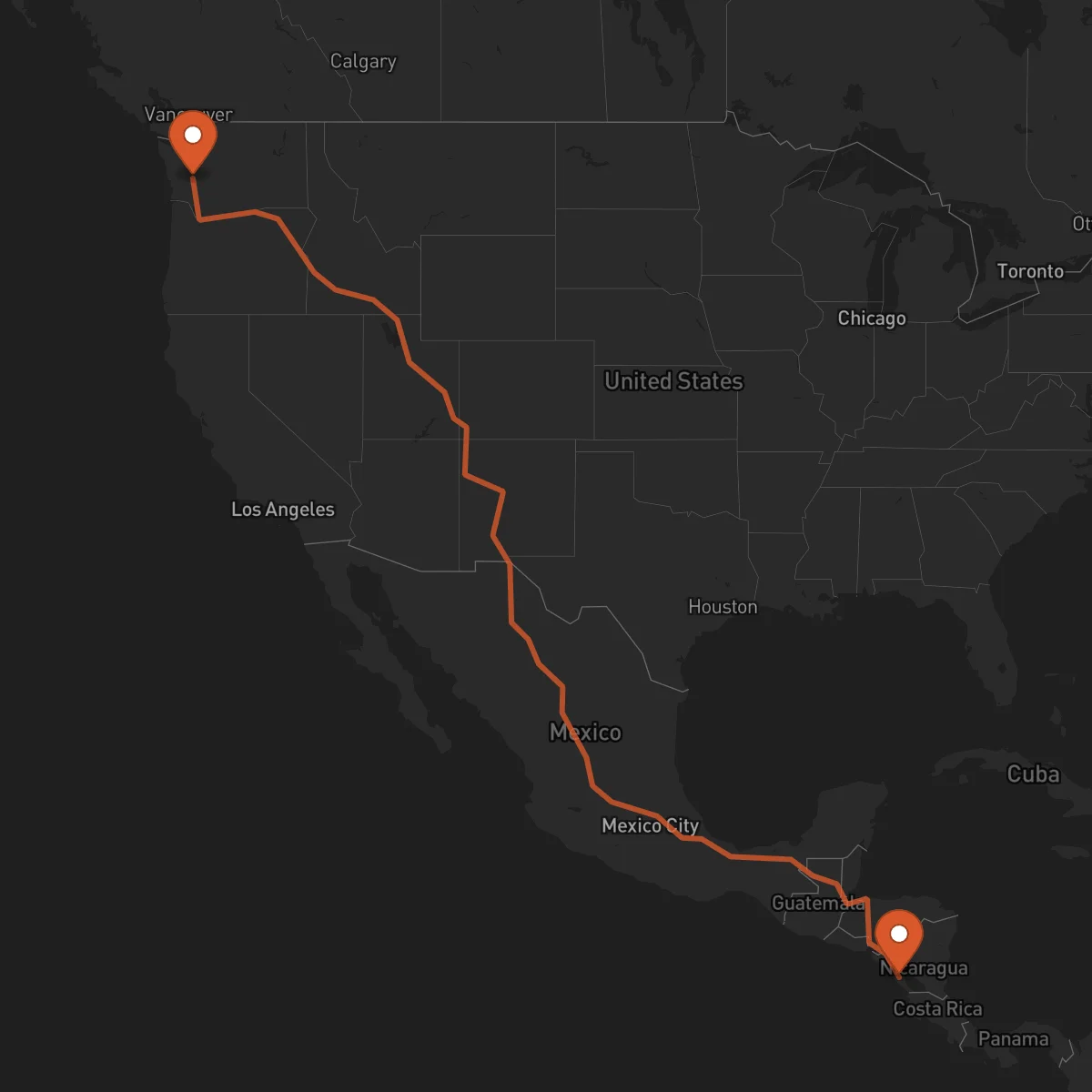
Olympia to Jinotepe
Jinotepe → OlympiaFTL freight transportation service between Olympia and Jinotepe. Reliable logistics solutions for your business.
Route Description
Everything you need to know about the corridor Olympia - Jinotepe
The Olympia, WA to Jinotepe, Nicaragua corridor is a critical North-South trade artery connecting the Pacific Northwest with Central America's growing markets. This cross-border route spans approximately 5,200 km and serves as a vital link for supply chains requiring reliable, full truckload (FTL) movement across international boundaries. Its strategic importance lies in bridging major U.S. export zones with Central American consumer and production hubs, facilitating the flow of goods that support regional economic integration.
Economically, the corridor links the industrial and agricultural heartland of Washington State with Nicaragua's dynamic Carazo department. Olympia's region is a powerhouse for aerospace, advanced manufacturing, and agricultural exports, while Jinotepe and its surrounding area are central to Nicaragua's textile/apparel industry, agriculture (coffee, sesame, tropical fruits), and light manufacturing. This creates a consistent demand for FTL services moving manufactured goods south and raw materials/components north.
Infrastructure on this route leverages a network of major U.S. Interstates (primarily I-5 south to California) before transitioning to Mexico's federal highways and the Pan-American Highway through Central America. Key border crossings, such as those between the U.S. and Mexico (e.g., El Paso, Laredo, or Nogales depending on the specific route optimization), and subsequently between Mexico and Guatemala (Ciudad Hidalgo/Tecún Umán), require meticulous customs coordination. Control Terrestre facilitates seamless operations on this complex corridor by leveraging our alliance of providers with certifications like C-TPAT, FAST, and BASC. Our expertise in cross-border documentation, customs brokerage coordination, and dedicated FTL equipment—including 53' dry vans, flatbeds for oversized cargo, and refrigerated units—ensures cargo moves efficiently from origin to destination without the delays typical of consolidated freight.
We manage the entire door-to-door journey, navigating the distinct regulatory environments of three countries. Our providers' compliance with programs like Clean Transportation and Responsible Care also supports our commitment to being a greener logistics partner. For shippers, this means a single, accountable point of contact for a complex, multinational FTL shipment, optimizing supply chain velocity from Olympia's ports and factories to Jinotepe's distribution centers and factories.
Services for this Route
Available services for the corridor Olympia - Jinotepe
 Origin
Olympia
Olympia, Washington, serves as a strategic logistics gateway in the Pacific Northwest, benefiting from its location at the southern end of Puget Sound. It is a key node for industries including aerospace (proximity to Boeing supply chains), advanced technology, and agriculture, with significant exports of hay, fruits, and dairy products. The city is directly connected to major transportation infrastructure: Interstate 5 (I-5) provides the primary north-south corridor to California and beyond, while the Port of Olympia offers marine shipping options for international cargo. This robust infrastructure, combined with its position between major metros like Seattle and Portland, makes Olympia an efficient origin point for FTL freight heading south, allowing seamless consolidation onto long-haul trucks for the cross-border journey.
 Destination
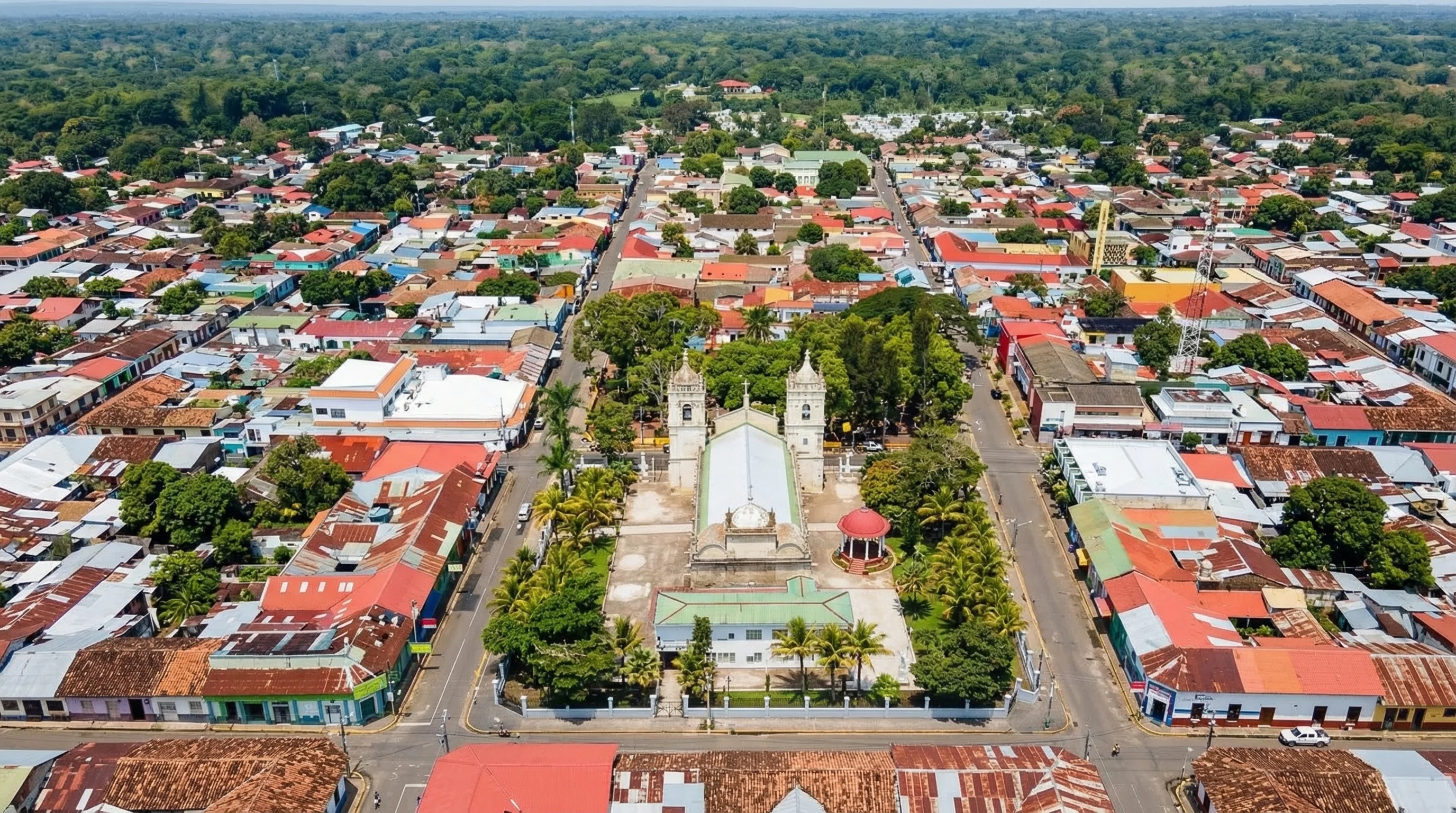
Jinotepe, Carazo, is a strategically important logistics hub in southern Nicaragua, located just 45 km southeast of Managua and near the Pacific coast. Its economy is driven by agriculture (coffee, sesame, tropical fruits), textile and apparel manufacturing, and light industry. The city's location provides direct access to the Pan-American Highway ( Nicaragua's Carretera a Masaya/Rivas), which is the essential artery for ground transportation throughout Central America. This connectivity allows for efficient distribution to both local Nicaraguan markets and onward transit to Costa Rica and Panama. For importers, Jinotepe's position facilitates the final-mile delivery of U.S. and Canadian goods, while for exporters, it offers a consolidated departure point for products heading north. The infrastructure supports diverse FTL equipment, from dry vans for manufactured goods to flatbeds for agricultural machinery.










