
Ocotepeque to Denver
Denver → OcotepequeFTL freight transportation service between Ocotepeque and Denver. Reliable logistics solutions for your business.
Route Description
Everything you need to know about the corridor Ocotepeque - Denver
The logistics corridor between Ocotepeque, Honduras and Denver, Colorado represents a vital trade connection between Central America and the United States. This 3,208 km cross-border route facilitates the movement of goods through a combination of road and intermodal transportation, connecting the agricultural and manufacturing sectors of Honduras with the industrial and distribution centers of Colorado. The corridor traverses diverse terrain and crosses multiple international borders, requiring expert logistics coordination and customs management.
The economic significance of this route extends beyond simple transportation, as it supports the exchange of agricultural products, manufactured goods, and industrial supplies between two distinct economic regions. Companies operating along this corridor benefit from Denver's strategic position as a major distribution hub in the western United States, while Honduran exporters gain access to North American markets through this established trade pathway.
Transportation infrastructure along this route includes major highways connecting Central American capitals with U.S. interstate systems, with key border crossings at Mexico's northern frontier. The journey requires careful planning for customs procedures, documentation requirements, and compliance with both Central American and U.S. trade regulations. Control Terrestre provides comprehensive logistics solutions for this corridor, offering full truckload (FTL) services that ensure dedicated capacity, real-time tracking, and expert handling of cross-border documentation and customs clearance procedures.
Services for this Route
Available services for the corridor Ocotepeque - Denver
 Origin
Ocotepeque
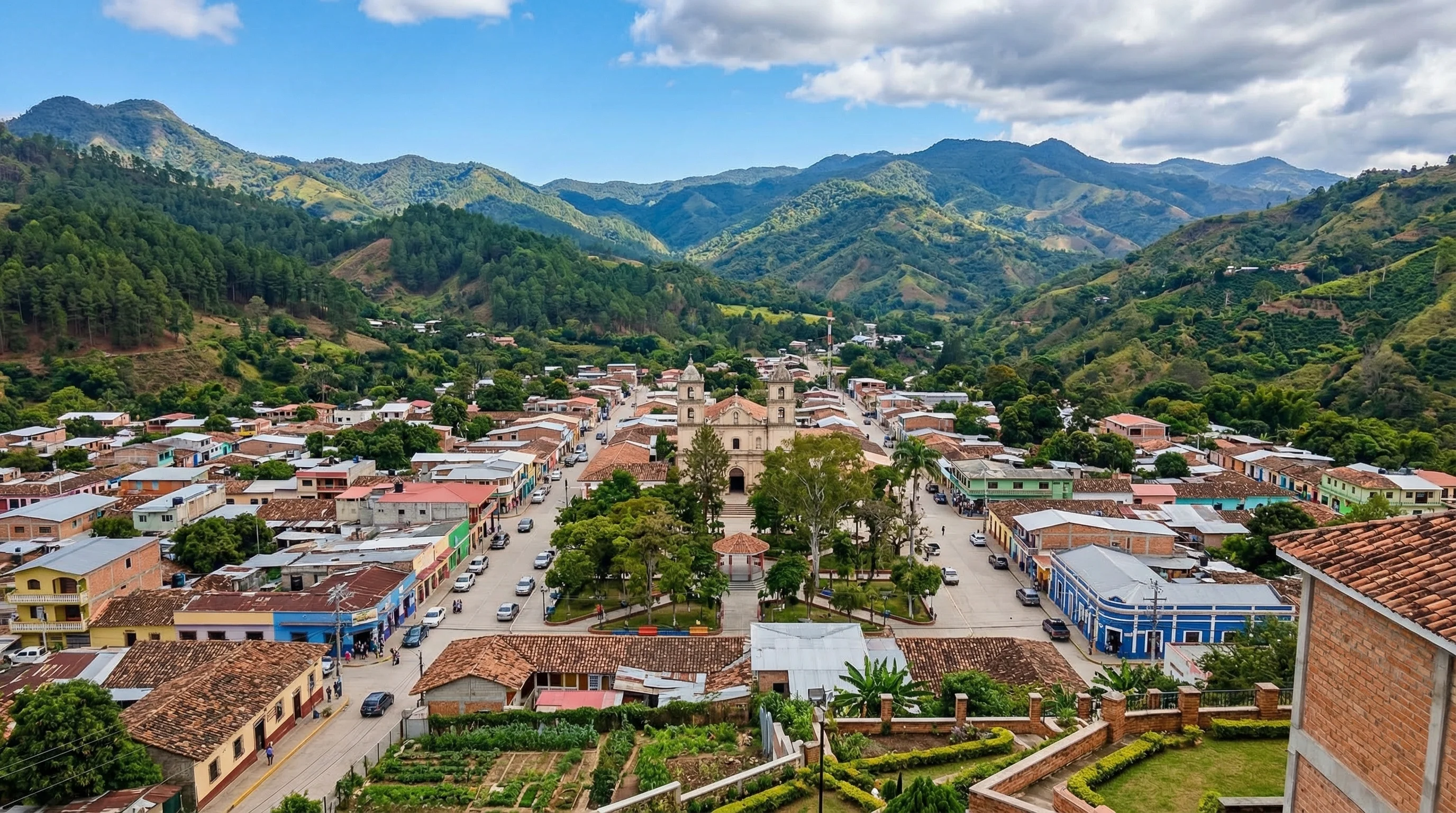
Ocotepeque, located in western Honduras near the borders with Guatemala and El Salvador, serves as a strategic logistics point for Central American trade. The city's position in the Trifinio region provides access to multiple transportation networks connecting Honduras with its neighboring countries. The area's economy is primarily based on agriculture, including coffee production, vegetable farming, and dairy operations, which generate significant freight volumes requiring reliable transportation to international markets.
The transportation infrastructure in Ocotepeque includes access to the CA-1 highway, which is part of the Pan-American Highway system, providing connections to major Honduran cities and international borders. The region also benefits from proximity to the El Poy border crossing with El Salvador and the Agua Caliente crossing with Guatemala, facilitating multi-directional trade flows. Local logistics providers offer consolidation services and last-mile delivery capabilities within Honduras, creating an integrated supply chain network that extends from Ocotepeque to global markets.
 Destination
Denver
Denver, Colorado stands as a major logistics and distribution hub in the western United States, offering strategic advantages for freight transportation and supply chain operations. Located at the intersection of major interstate highways including I-25, I-70, and I-76, Denver provides excellent connectivity to both coastal and inland markets across North America. The city's elevation and geographic position make it a natural gateway for freight moving between the Midwest, West Coast, and Mountain West regions.
The Denver metropolitan area hosts a diverse industrial base including aerospace, technology, healthcare, and manufacturing sectors, all of which require sophisticated logistics solutions. The region's infrastructure includes Denver International Airport, one of the largest cargo airports in the United States, extensive rail networks operated by major Class I railroads, and a comprehensive highway system. This multimodal transportation environment enables efficient distribution of goods throughout the Rocky Mountain region and beyond, making Denver an ideal destination for international freight arriving through the Central American corridor.










