New Orleans to Somoto
Somoto → New OrleansFTL freight transportation service between New Orleans and Somoto. Reliable logistics solutions for your business.
Route Description
Everything you need to know about the corridor New Orleans - Somoto
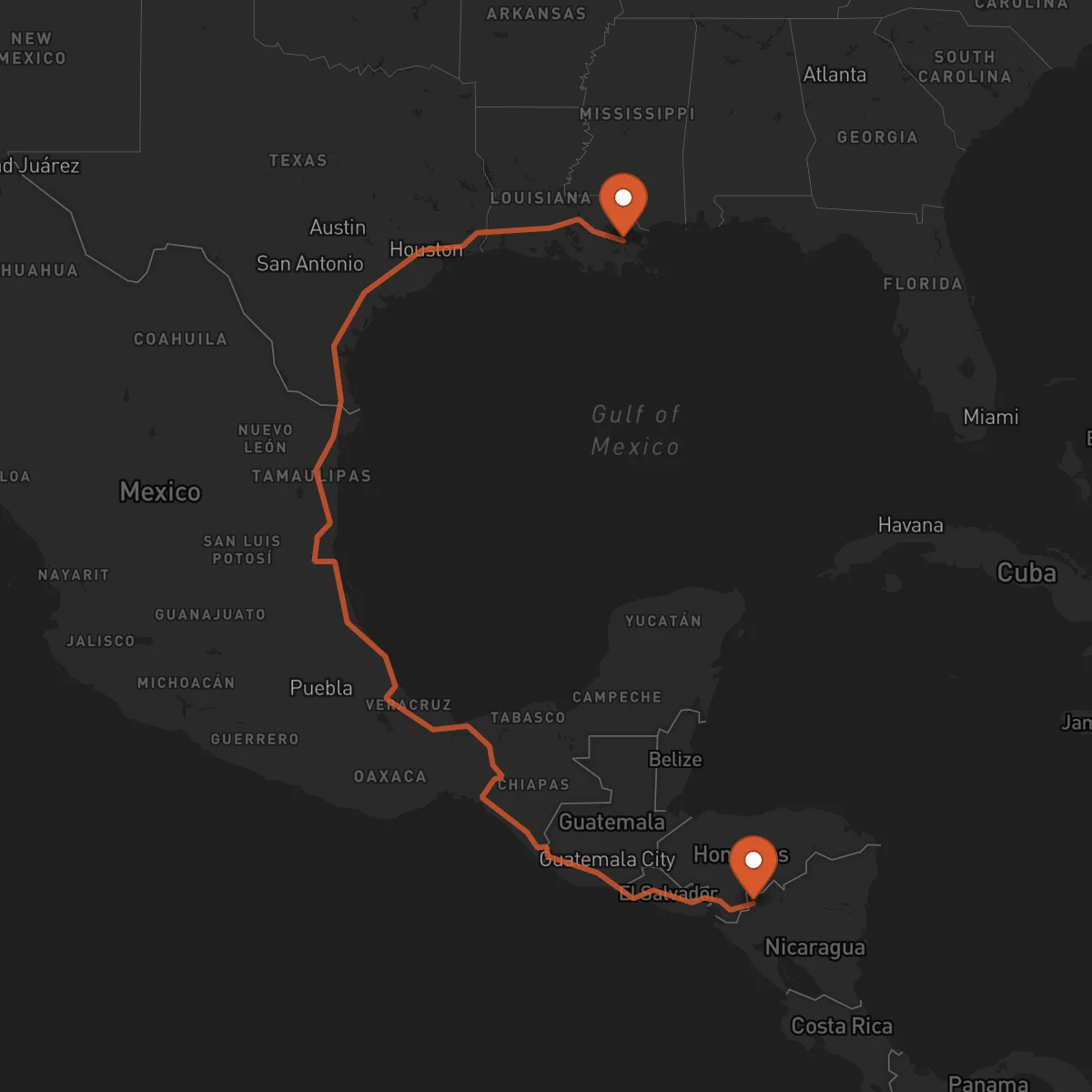
The New Orleans to Somoto corridor represents a vital cross-border logistics connection between the United States and Nicaragua, spanning approximately 1,866 kilometers through the heart of North America. This route connects the strategic port city of New Orleans with the agricultural region of Madriz in northern Nicaragua, facilitating the movement of goods between two distinct economic zones. The corridor traverses major transportation hubs including Houston, San Antonio, and Mexico City, before crossing into Central America through key border crossings. Control Terrestre's expertise in managing this complex international route ensures seamless freight movement across multiple jurisdictions and regulatory environments.
The economic significance of this corridor extends beyond simple transportation, serving as a lifeline for industries on both ends of the route. From New Orleans, the corridor supports the export of manufactured goods, agricultural products, and industrial equipment to Nicaragua, while facilitating the import of coffee, tobacco, and other agricultural products back to the United States. The route particularly benefits the agricultural and manufacturing sectors, with many companies relying on consistent, reliable freight services to maintain their supply chains. Control Terrestre's comprehensive understanding of the corridor's economic dynamics allows us to provide tailored solutions that meet the specific needs of our clients.
Transportation infrastructure along this corridor includes major interstate highways such as I-10, I-35, and Mexican Federal Highways 85 and 190, providing multiple routing options for optimal efficiency. The route requires careful coordination at border crossings, particularly at the Mexico-United States border and the Honduras-Nicaragua border. Control Terrestre's C-TPAT and FAST certifications ensure expedited processing at these critical points, while our experienced team handles all customs documentation and compliance requirements. Our dedicated carriers are well-versed in the specific requirements of cross-border operations, ensuring your freight moves smoothly through each country.
Control Terrestre facilitates operations on this corridor through our extensive network of certified carriers and our deep understanding of cross-border logistics. We provide full truckload (FTL) services that ensure your cargo receives dedicated transportation from origin to destination, eliminating the risks associated with consolidated freight. Our team manages every aspect of the journey, from initial pickup in New Orleans to final delivery in Somoto, including all necessary permits, documentation, and compliance with local regulations in each country. With our 24/7 tracking capabilities and dedicated customer service, you can trust that your freight is in expert hands throughout this international journey.
Services for this Route
Available services for the corridor New Orleans - Somoto
 Origin
New Orleans
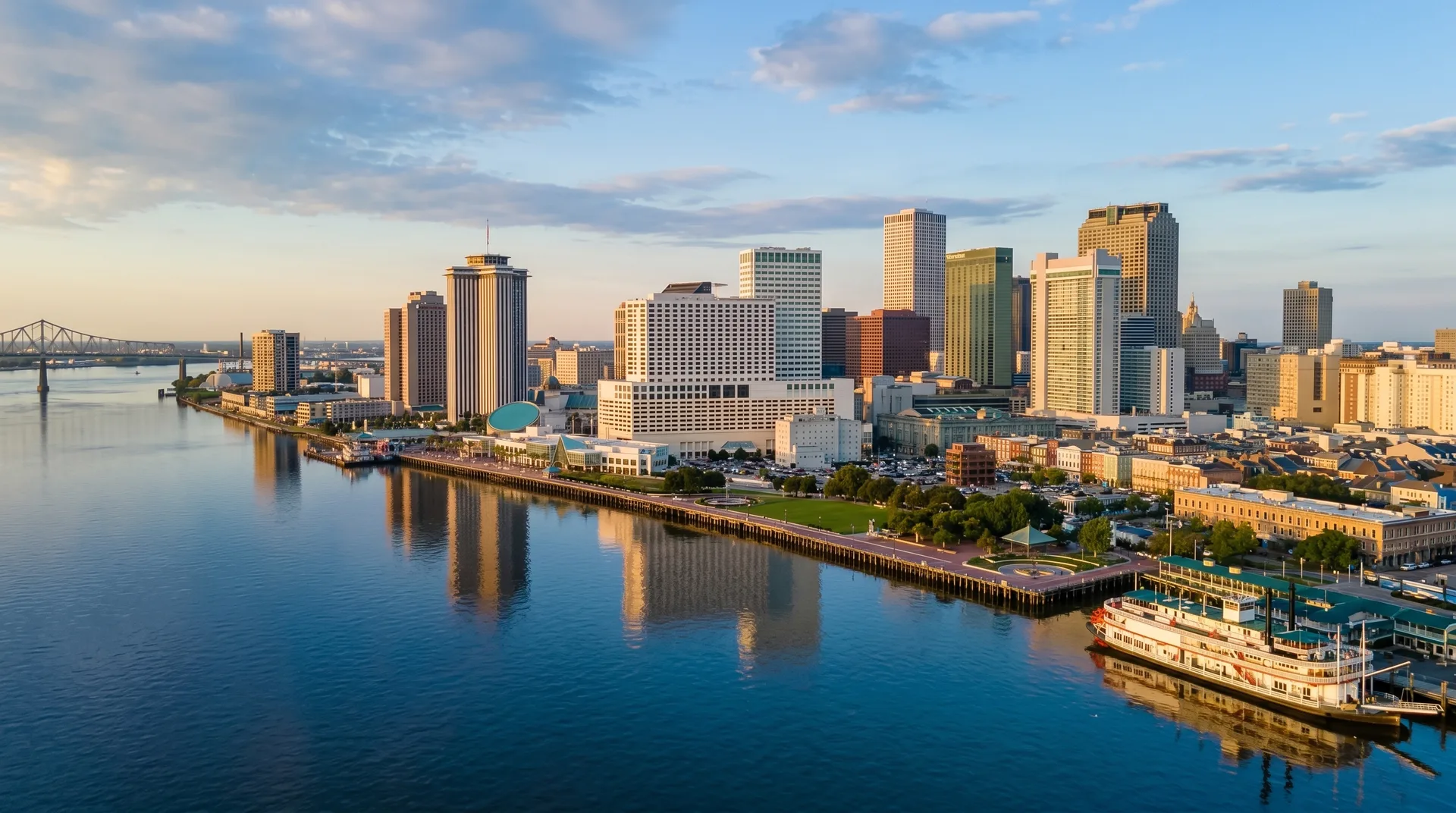
New Orleans, Louisiana serves as a strategic gateway for international trade, positioned at the mouth of the Mississippi River and connected to major global shipping routes. The city's port is one of the busiest in the United States, handling millions of tons of cargo annually and providing seamless connections between ocean, rail, and truck transportation. New Orleans' strategic location makes it an ideal origin point for freight destined for Central America and beyond, with extensive warehousing and distribution facilities supporting efficient cargo handling and consolidation.
 Destination
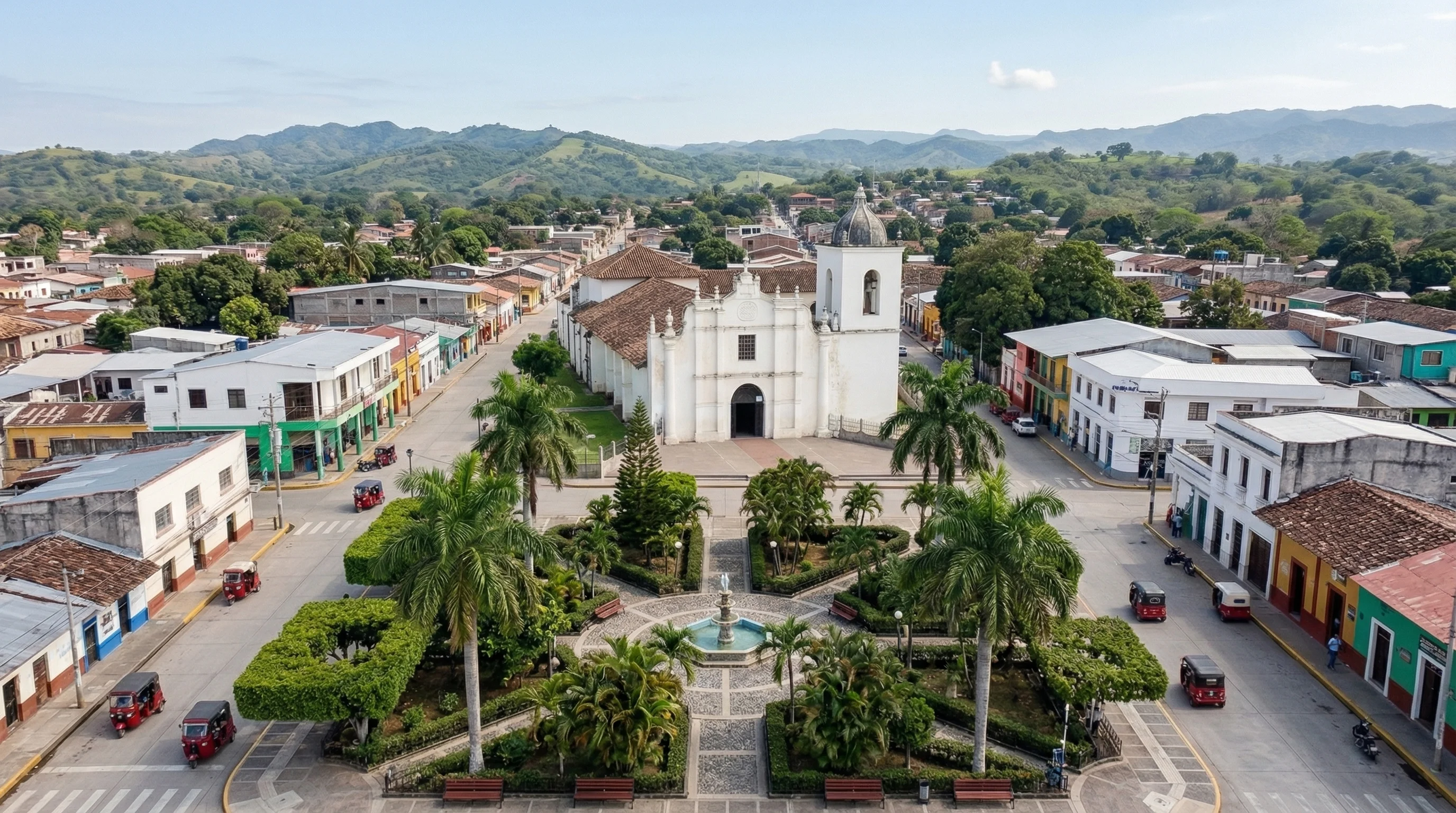
Somoto, located in the Madriz department of northern Nicaragua, serves as a key commercial center for the region's agricultural economy. The city's strategic position near the Honduran border makes it an important distribution point for goods moving throughout northern Nicaragua. Somoto benefits from its proximity to major agricultural production areas, facilitating the distribution of crops and agricultural products to both domestic and international markets. The region's developing transportation infrastructure continues to improve connectivity with the rest of Nicaragua and neighboring countries.










