
New Orleans to Colón
Colón → New OrleansFTL freight transportation service between New Orleans and Colón. Reliable logistics solutions for your business.
Route Description
Everything you need to know about the corridor New Orleans - Colón
The logistics corridor connecting New Orleans, Louisiana, to Colón, Panama, represents a vital trade route linking the United States Gulf Coast with Central America. This approximately 2,522-kilometer journey traverses multiple countries and serves as a critical artery for commerce between North and Central America. The corridor's strategic importance stems from its ability to facilitate the movement of goods from one of America's busiest ports through Mexico and Central America to Panama's Atlantic coast.
The economic significance of this route cannot be overstated. New Orleans serves as a major gateway for international trade, with its port handling millions of tons of cargo annually. As goods move southward, they pass through regions with diverse industrial bases, including manufacturing hubs in Mexico and agricultural centers in Central America. The corridor supports industries such as automotive, electronics, agriculture, and consumer goods, making it essential for companies engaged in cross-border trade.
Transportation infrastructure along this corridor includes major highways such as Mexico's Federal Highway 190 and the CA-1 in Central America. These roads provide the backbone for freight movement, though they present varying conditions and challenges. Key border crossings, particularly at Mexico's southern border, require careful navigation of customs procedures. Control Terrestre's expertise in managing these complexities ensures smooth transit through multiple jurisdictions, with our certified carriers handling all necessary documentation and compliance requirements for seamless cross-border operations.
Services for this Route
Available services for the corridor New Orleans - Colón
 Origin
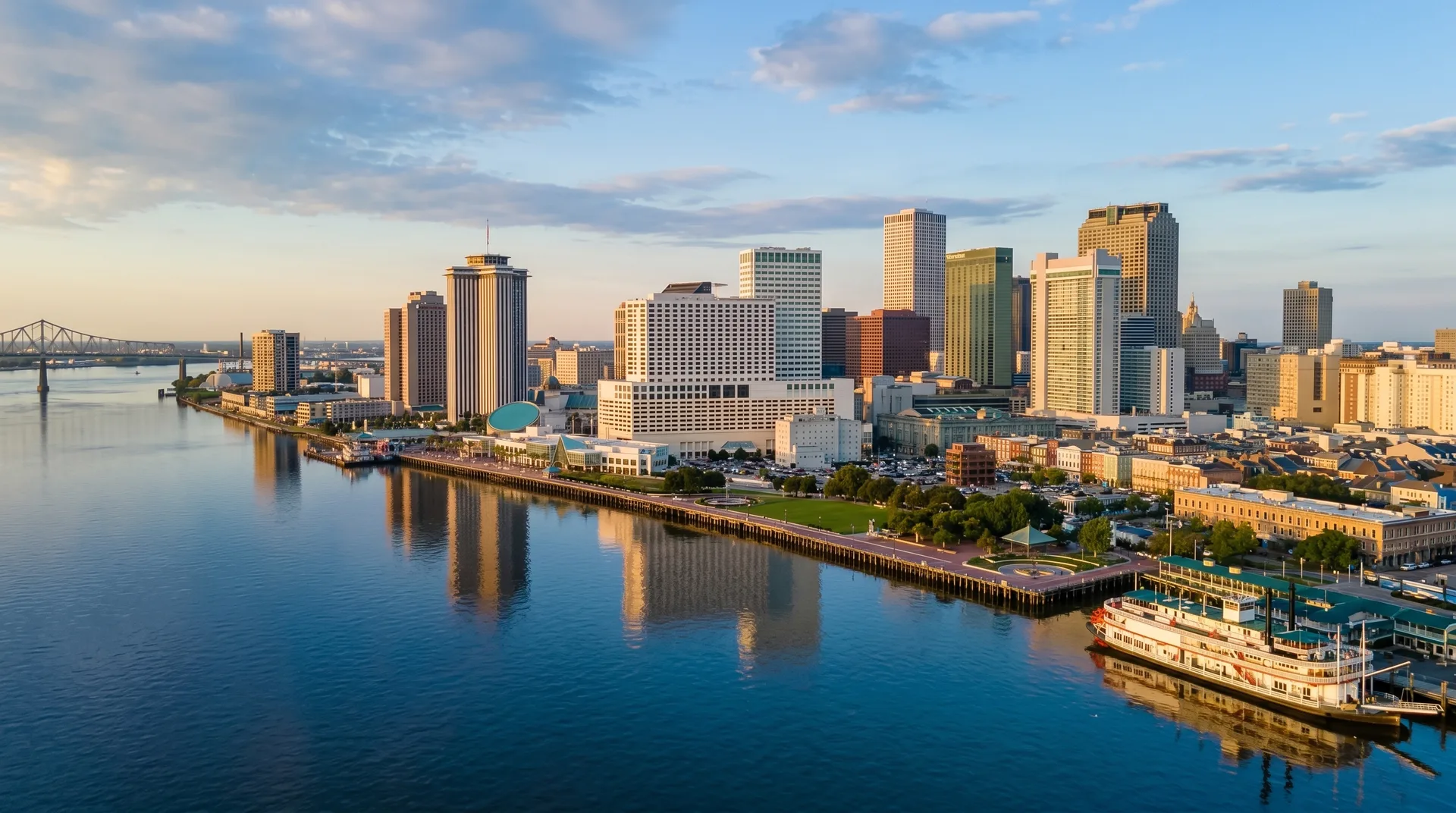
New Orleans
New Orleans, Louisiana, stands as a strategic logistics hub on the Gulf of Mexico, offering unparalleled access to international markets. The Port of New Orleans, one of the nation's busiest, provides deep-water facilities capable of handling diverse cargo types. The city's location at the mouth of the Mississippi River creates a natural convergence point for river, rail, and road transportation networks. Major industries in the region include oil and gas, petrochemicals, agriculture, and manufacturing, all of which rely on efficient freight movement. The city's extensive transportation infrastructure includes interstate highways, rail connections, and proximity to major airports, making it an ideal origin point for cross-border shipments to Central America.
 Destination
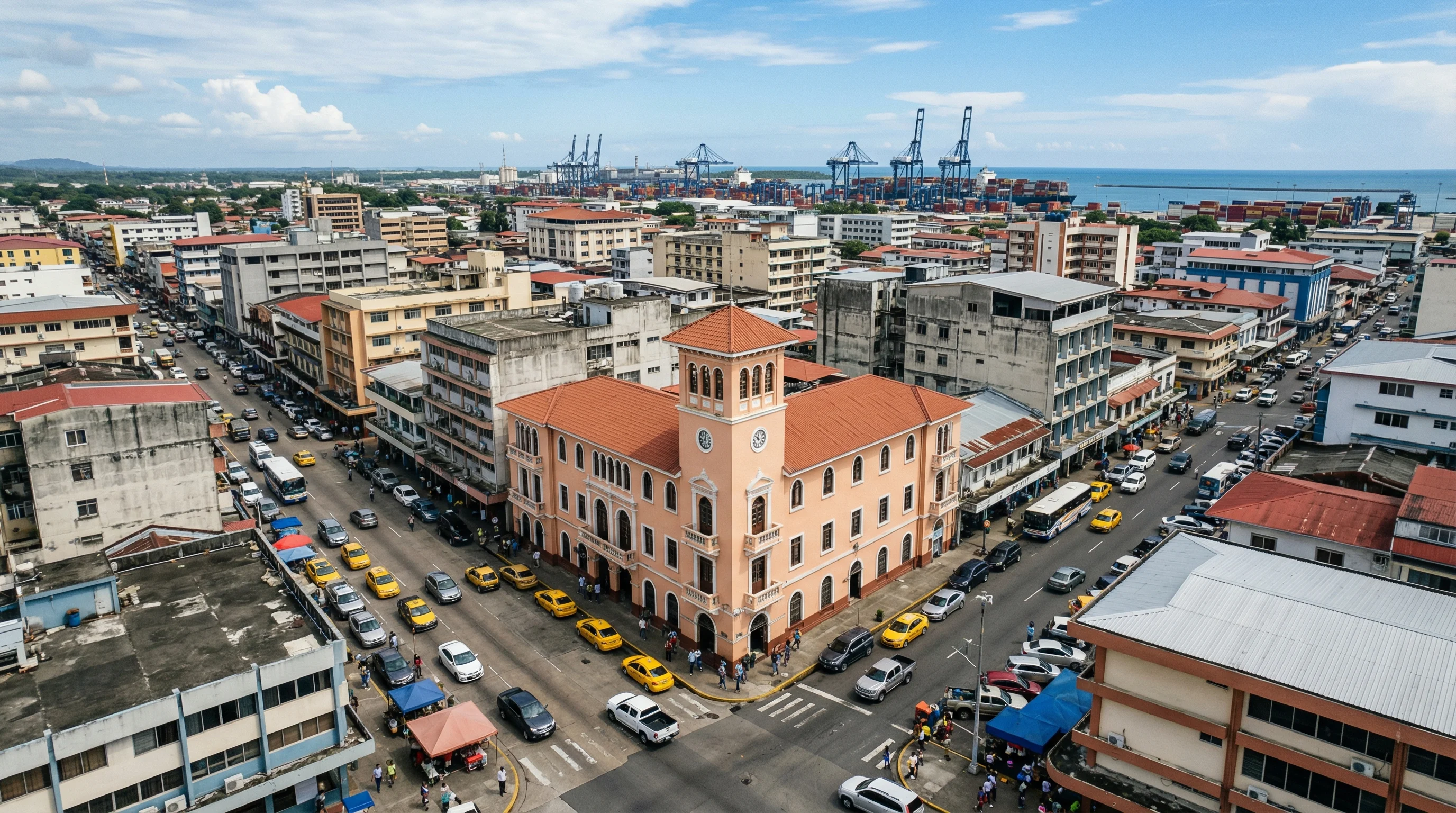
Colón, Panama, occupies a strategic position on the Caribbean coast, serving as the northern terminus of the Panama Canal. This location makes it a crucial logistics hub for both maritime and overland trade. The city's economy revolves around port activities, with the Colón Free Trade Zone being one of the largest in the Americas. Key industries include shipping, logistics, and manufacturing, with many companies using Colón as a distribution point for Central American markets. The region benefits from modern port facilities, including container terminals and specialized cargo handling equipment. Transportation infrastructure includes major highways connecting to Panama City and the rest of the country, as well as rail links to the Pacific coast, facilitating efficient distribution throughout the region.










