Montreal to Tijuana
Tijuana → MontrealFTL freight transportation service between Montreal and Tijuana. Reliable logistics solutions for your business.
Route Description
Everything you need to know about the corridor Montreal - Tijuana
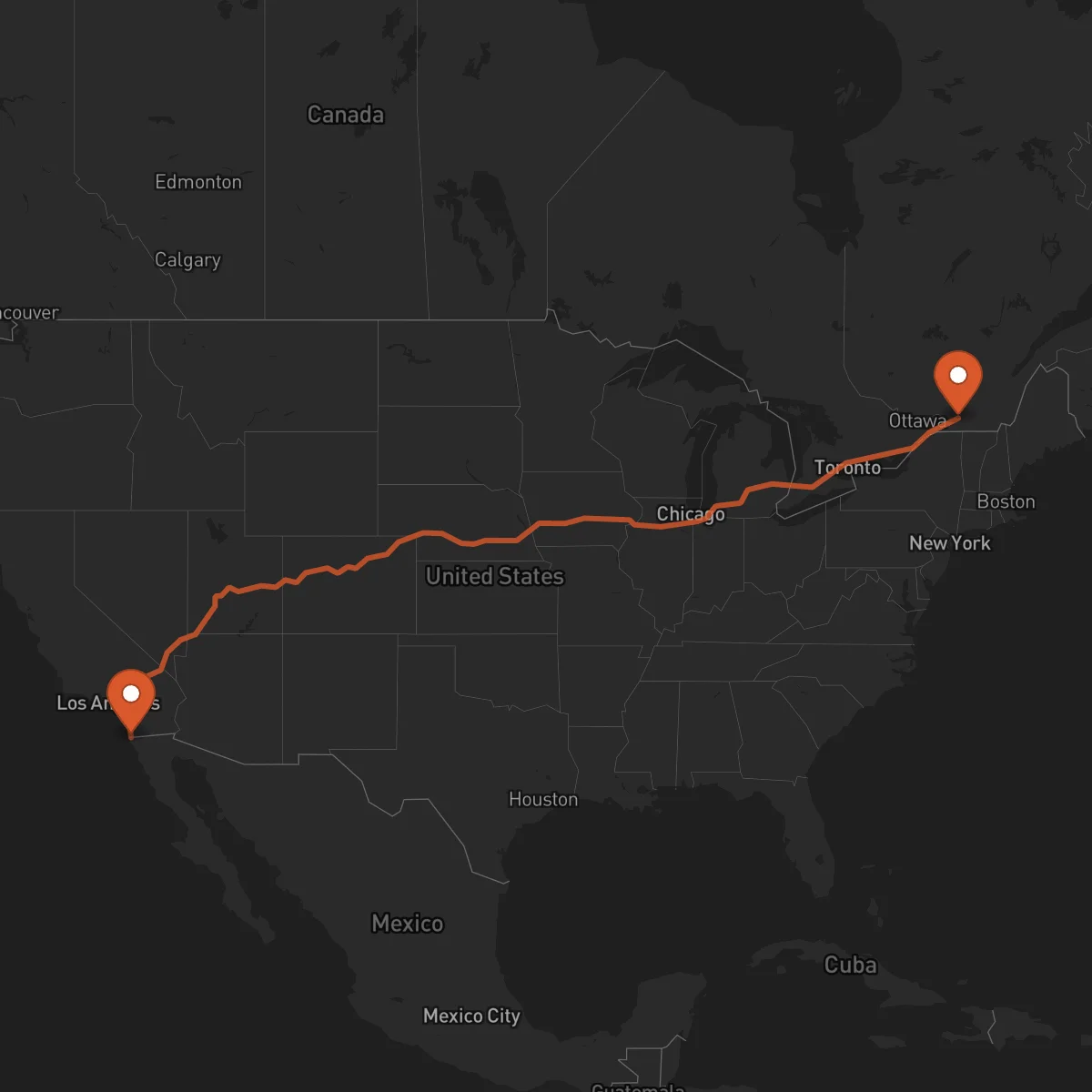
The Montreal-Tijuana corridor represents a vital North American logistics route connecting Canada's industrial heartland with Mexico's dynamic manufacturing hub. This 3,964 km cross-border corridor traverses three countries, linking the St. Lawrence River economic region with Baja California's thriving industrial sector. The route serves as a crucial artery for trade between the United States, Canada, and Mexico under the USMCA framework.
The corridor's economic significance stems from the complementary industrial strengths of both endpoints. Montreal serves as a major aerospace, pharmaceutical, and technology manufacturing center, while Tijuana has established itself as a leading destination for electronics, medical devices, and automotive components. This complementary relationship drives substantial freight movement along the route, particularly in full truckload (FTL) shipments.
Transportation infrastructure along this corridor includes major highways such as I-5, I-15, and I-29 in the United States, connecting to Canada's Highway 20 and Mexico's Federal Highway 2. Key border crossings include Detroit-Windsor, the busiest commercial crossing between the US and Canada, and San Ysidro-Tijuana, the world's busiest land border crossing. Control Terrestre facilitates seamless operations across this corridor through our network of C-TPAT-certified carriers and expertise in cross-border documentation, ensuring efficient customs clearance and timely delivery.
Services for this Route
Available services for the corridor Montreal - Tijuana
 Origin
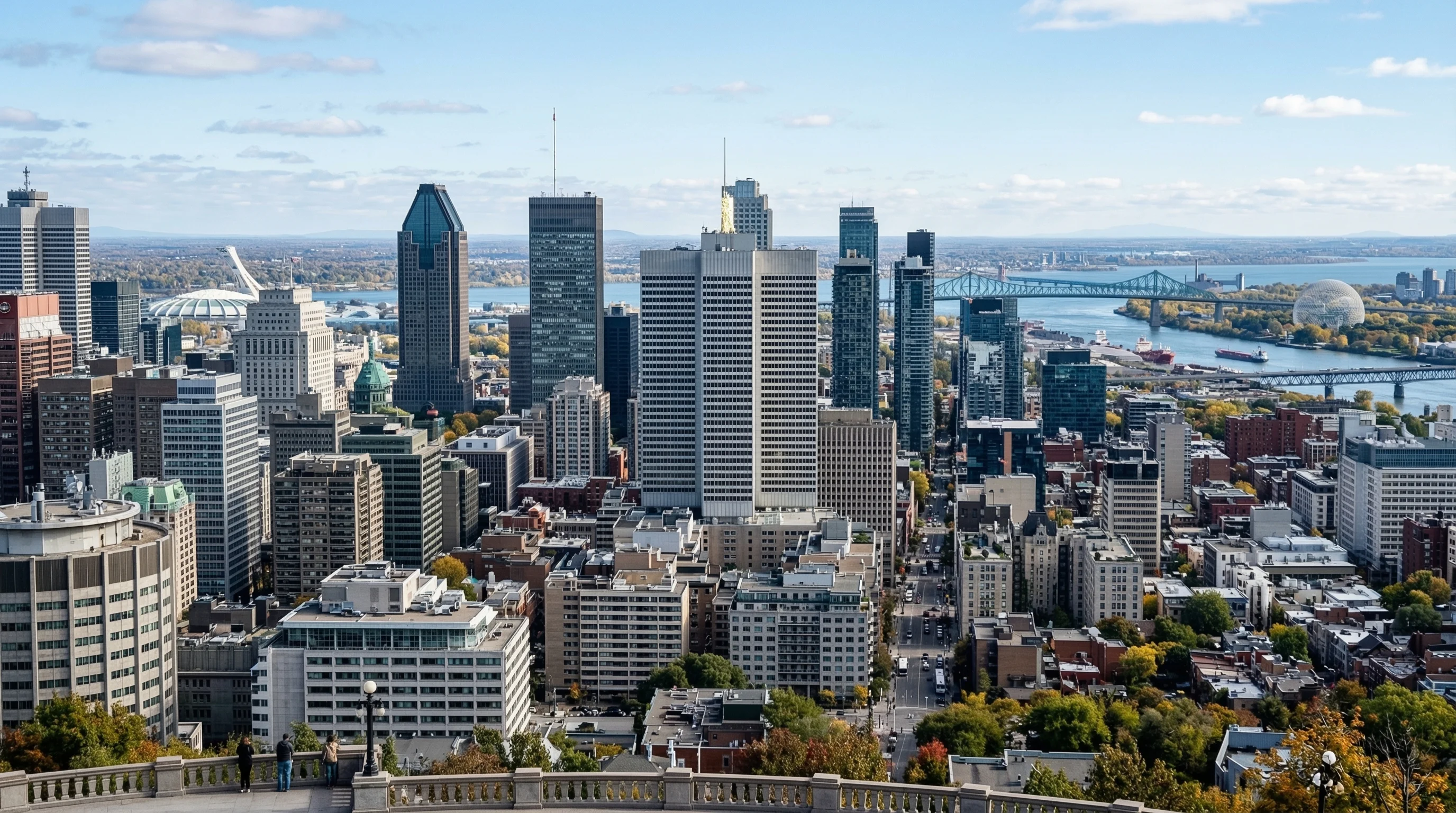
Montreal stands as a strategic logistics hub in eastern Canada, leveraging its location along the St. Lawrence River and proximity to major US markets. The city hosts a diverse industrial base including aerospace manufacturing (home to Bombardier and Bell Helicopter), pharmaceuticals, technology, and food processing. Montreal's Port of Montreal, one of Canada's largest inland ports, provides crucial intermodal connections, while Pierre Elliott Trudeau International Airport offers air cargo capabilities. The city's extensive highway network, including Autoroute 20 and Autoroute 40, connects seamlessly to the US Interstate system, making it an ideal origin point for cross-border freight operations.
 Destination
Tijuana
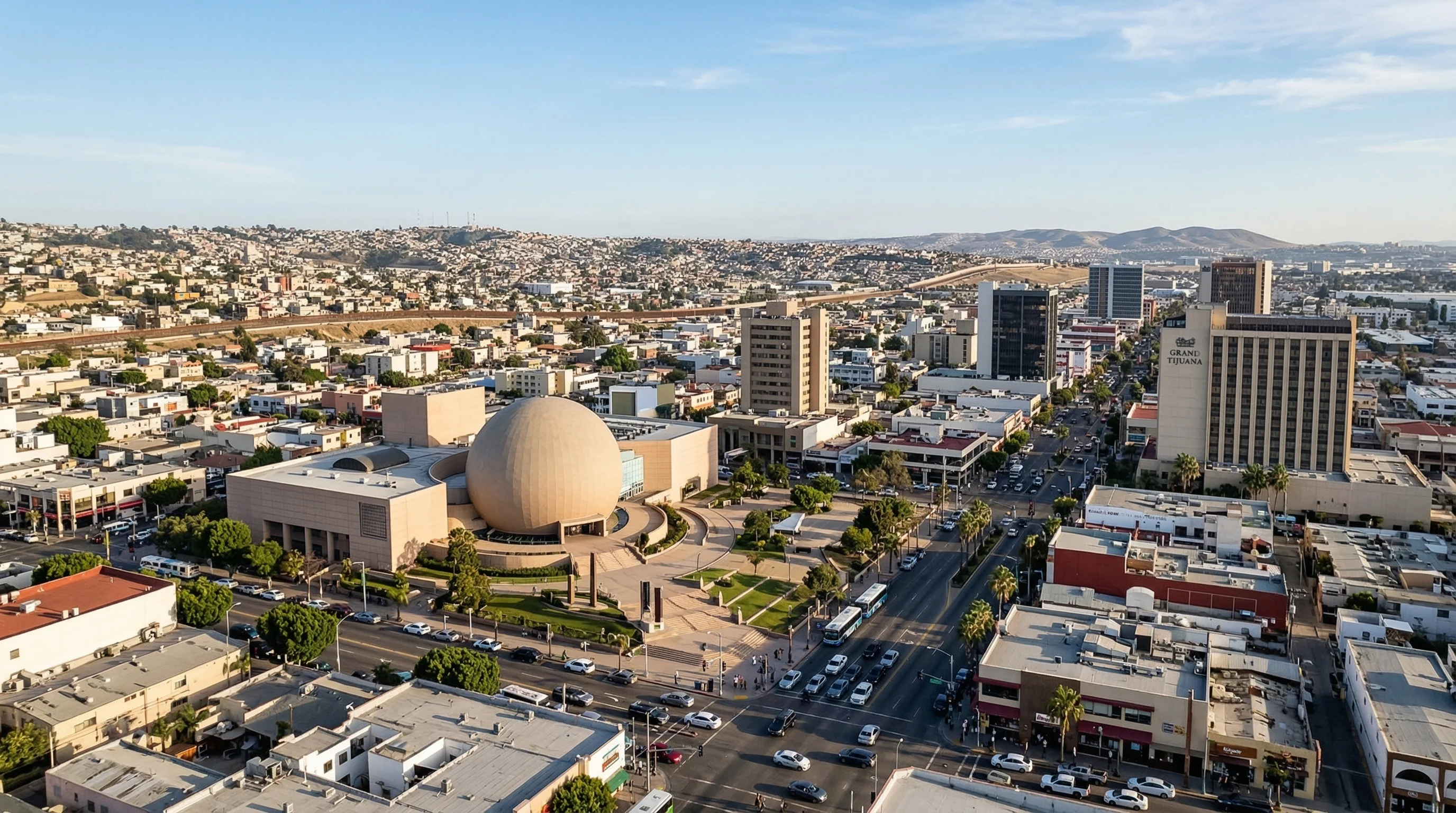
Tijuana represents a strategic logistics gateway on Mexico's Pacific coast, positioned just 30 kilometers from San Diego, California. The city has emerged as a manufacturing powerhouse, particularly in electronics, medical devices, aerospace, and automotive components. Tijuana's Maquiladora industry drives significant cross-border trade, with numerous foreign companies operating manufacturing facilities. The region benefits from proximity to major US distribution centers and access to the Port of Ensenada for maritime shipping. Tijuana's transportation infrastructure includes Federal Highway 2D, connecting to the US Interstate system, and General Abelardo L. Rodríguez International Airport for air cargo operations.










