Montreal to Miami
Miami → MontrealFTL freight transportation service between Montreal and Miami. Reliable logistics solutions for your business.
Route Description
Everything you need to know about the corridor Montreal - Miami
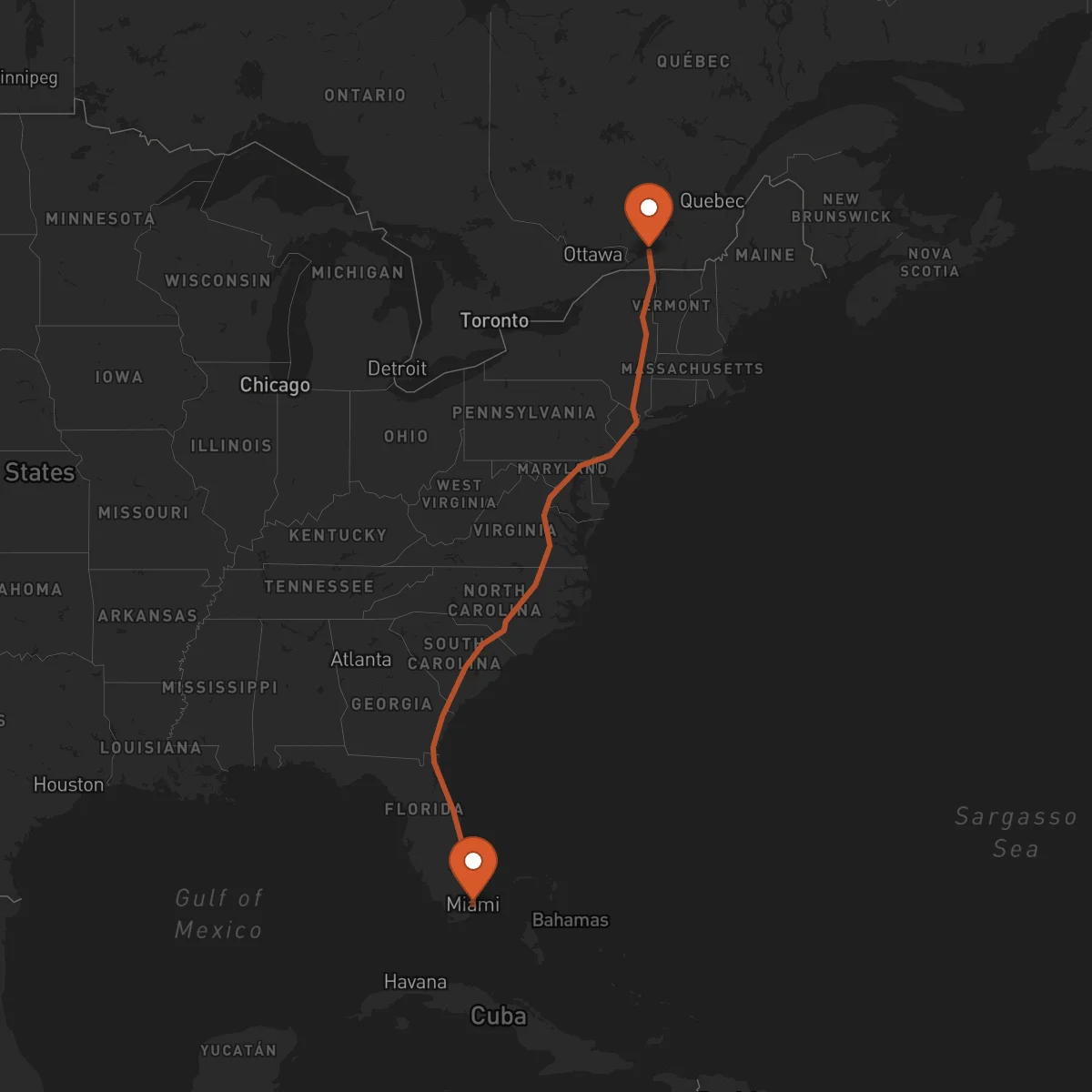
The Montreal-Miami corridor represents one of the most important commercial routes in North America, connecting Canada's economic capital with the strategic port of Miami. This route spans approximately 2,273 km along the eastern coast of the United States, crossing key industrial and commercial states. The corridor facilitates the flow of goods between the manufacturing powerhouse of Quebec and the dynamic markets of the southeastern United States, including Florida's tourism and agricultural sectors. The main highway infrastructure includes I-87, I-95, and I-495, providing efficient connectivity between major economic centers. Key border crossings include Champlain-St. Bernard de Lacolle, where Control Terrestre's C-TPAT certified partners ensure expedited customs processing. Our specialized team manages all documentation requirements for cross-border operations, including customs bonds and NAFTA/USMCA compliance. Control Terrestre offers dedicated FTL services along this corridor, providing temperature-controlled options for perishable goods and specialized handling for high-value cargo. Our strategic partnerships with local carriers ensure consistent capacity and competitive transit times for time-sensitive shipments.
Services for this Route
Available services for the corridor Montreal - Miami
 Origin
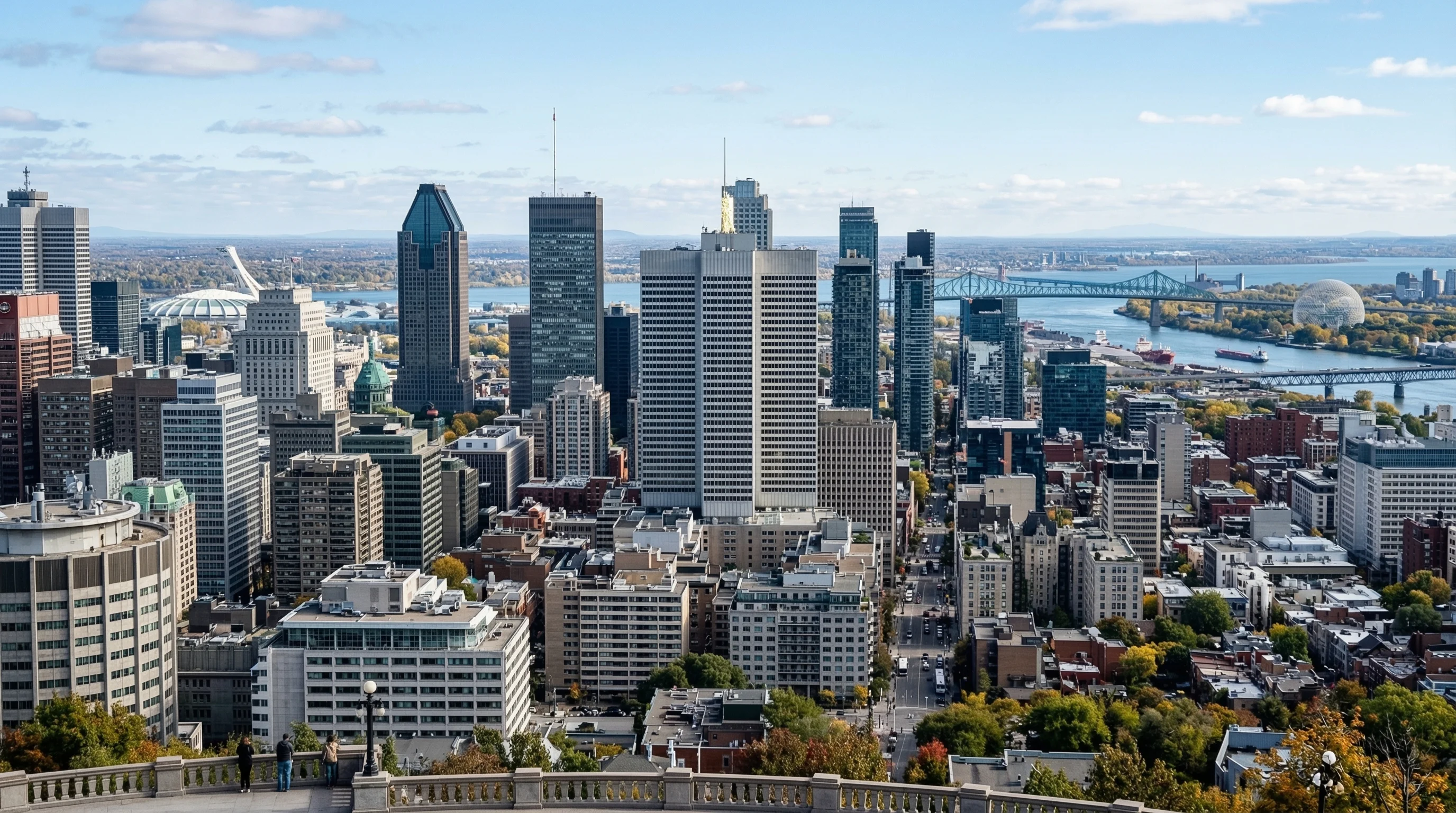
Montreal stands as Canada's leading logistics hub, strategically positioned in Quebec with access to major transportation networks. The city hosts over 140 million square feet of warehouse space and serves as a gateway for international trade through the Port of Montreal, which handles more than 35 million tons of cargo annually. Key industries include aerospace, pharmaceuticals, technology, and advanced manufacturing. Montreal's multimodal infrastructure includes Pierre Elliott Trudeau International Airport, extensive rail connections via CN and CP Rail, and a comprehensive highway network linking to US markets. The city's location provides Canadian businesses with efficient access to both domestic and international markets, making it a critical node in North American supply chains.
 Destination
Miami
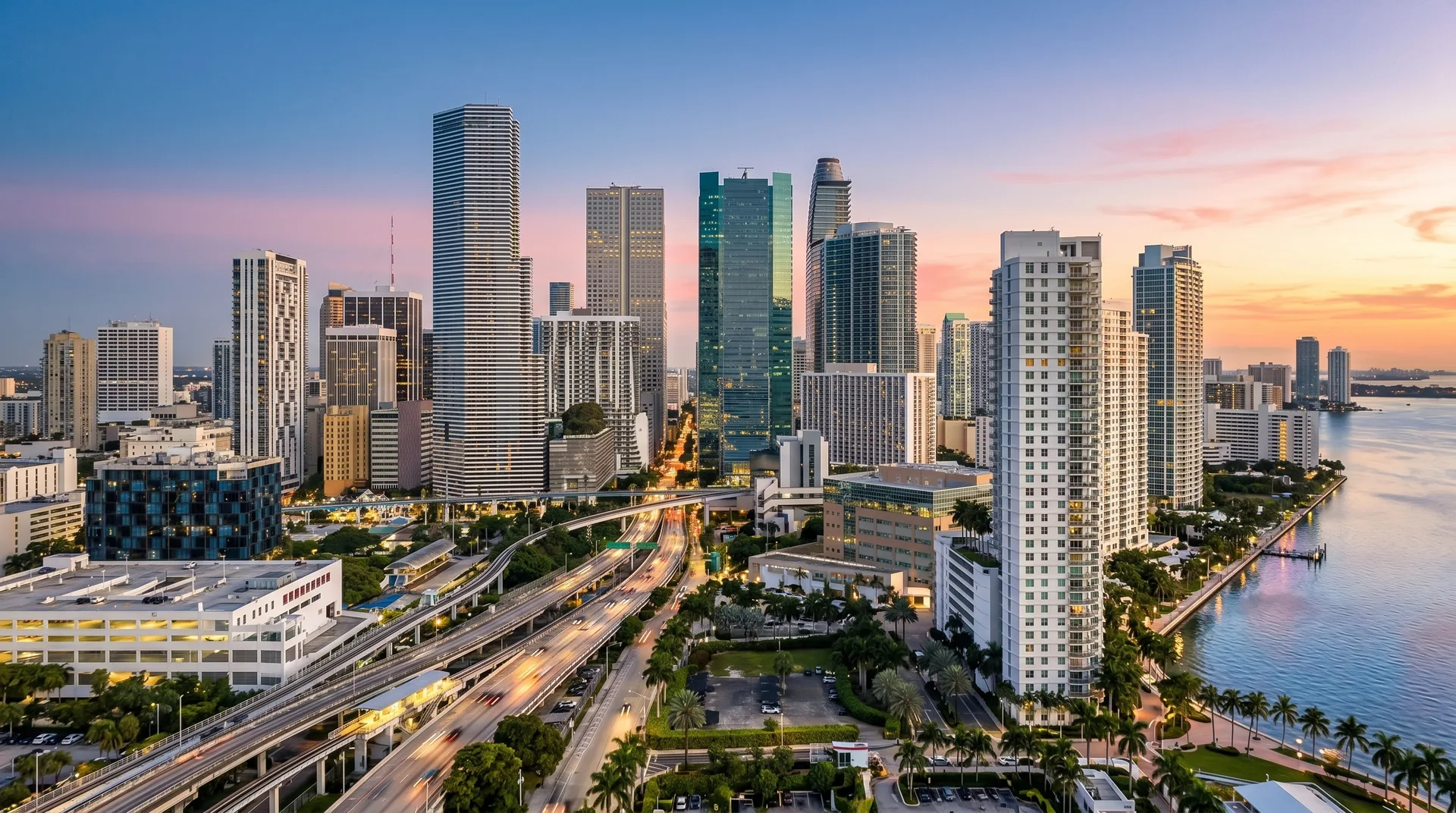
Miami serves as the primary gateway to Latin America and the Caribbean, offering unparalleled strategic advantages for international trade. The city's location provides immediate access to one of the world's busiest cruise ports and the largest containerized cargo port in Florida. Miami's logistics infrastructure includes Miami International Airport, which ranks first in the US for international freight, and extensive warehousing facilities in surrounding areas like Doral and Medley. The region's economy is driven by international trade, tourism, agriculture, and healthcare industries. Miami's Free Trade Zone and Foreign Trade Zone designations provide significant advantages for companies engaged in import/export activities, while its proximity to major Florida markets ensures efficient distribution throughout the southeastern United States.










