Montpelier to Managua
Managua → MontpelierFTL freight transportation service between Montpelier and Managua. Reliable logistics solutions for your business.
Route Description
Everything you need to know about the corridor Montpelier - Managua
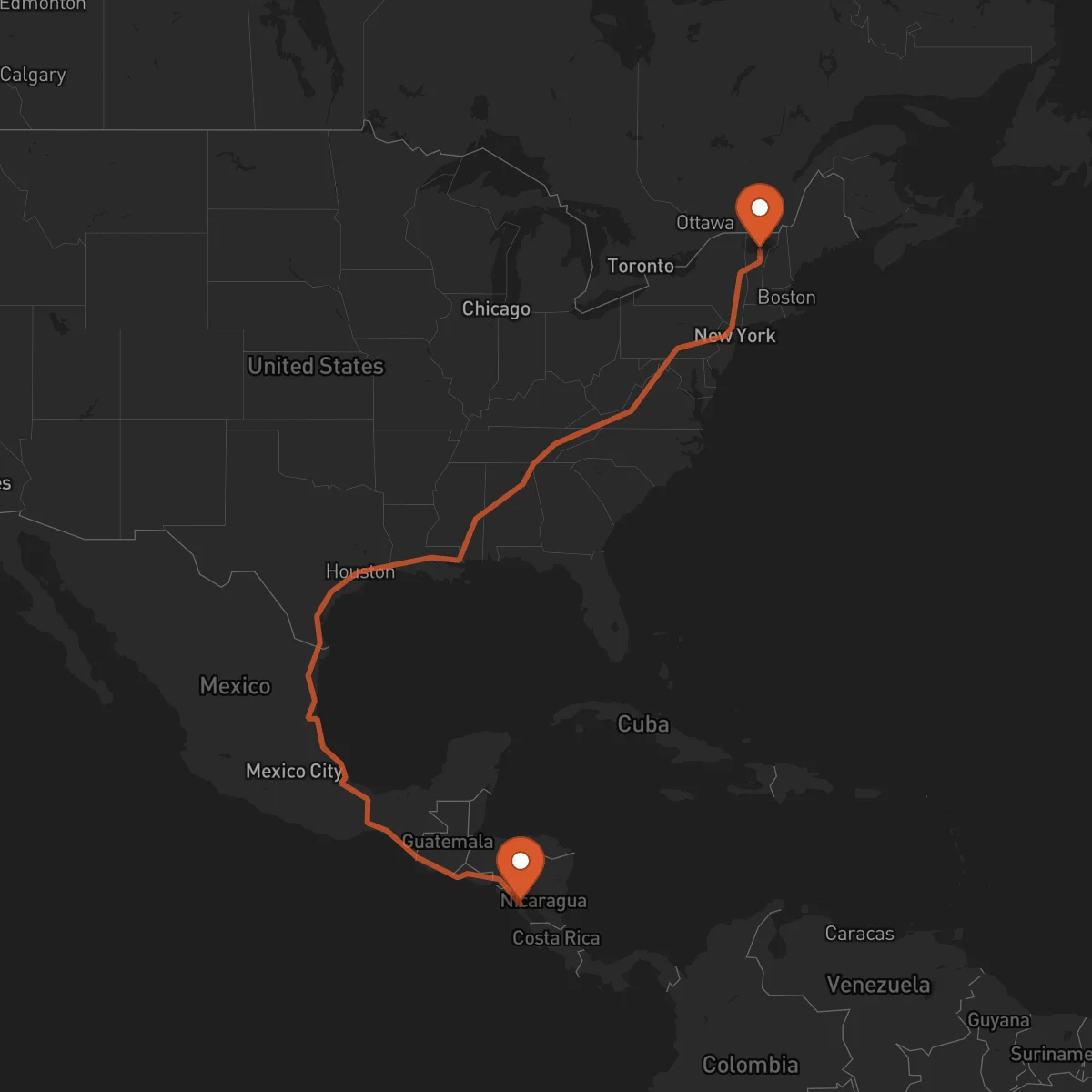
The Montpelier to Managua corridor represents a critical north-south logistics artery connecting the industrial Northeast United States with the growing markets of Central America. Spanning approximately 3,805 kilometers, this cross-border route is strategically vital for moving full truckload (FTL) freight efficiently across two continents. The corridor facilitates the flow of goods through a complex network of U.S. interstate highways and Central American road systems, requiring expert navigation of international customs and regulatory frameworks. For shippers, this route is essential for accessing Nicaraguan consumer goods markets and supporting regional supply chains.
Economically, the corridor links Vermont's specialized manufacturing and agricultural output with Nicaragua's dynamic import-dependent economy. Key industries leveraging this route include Vermont's food and beverage producers (dairy, maple syrup), machinery and equipment manufacturers, and North American companies sourcing textiles, agricultural products (coffee, beef, sesame), and manufactured goods from Central America. The consistent demand is driven by bilateral trade agreements and the need for reliable, dedicated freight capacity.
The primary transportation infrastructure relies on the U.S. Interstate system, notably I-89 south from Montpelier to connect with I-94 and I-90, funneling toward major southern border crossings like El Paso, Texas, or Laredo, Texas. After crossing into Mexico, the route traverses the Mexican interior via federal highways before entering Nicaragua, typically through the Honduras-Nicaragua border at El Guasaule, and concluding on Nicaragua's Pan-American Highway network to Managua. Critical border considerations include compliance with U.S. C-TPAT and FAST programs, Mexican customs procedures, and Nicaraguan import regulations. Control Terrestre facilitates seamless operations on this corridor through our strategic alliance of certified carriers. Our providers hold essential credentials including C-TPAT, FAST, and BASC, ensuring accelerated border processing. We manage all cross-border complexities—documentation, customs brokerage coordination, and carrier selection—for exclusively full truckload solutions, including dedicated, expedited, and specialized equipment like dry vans and flatbeds, providing a singular point of contact for your end-to-end freight needs.
Services for this Route
Available services for the corridor Montpelier - Managua
 Origin
Montpelier
Montpelier, Vermont's capital, serves as a strategic logistics origin point for the Northeastern U.S., offering direct access to major interstate corridors. Its central location within New England provides efficient connections to I-89, which runs directly south to New Hampshire, Massachusetts, and ultimately to the key southern border crossings. The city is supported by a robust regional transportation infrastructure, including rail intermodal facilities in nearby Burlington and White River Junction, and is within a day's drive of major ports like Boston and New York/New Jersey. The local and regional economy is anchored by specialty industries with significant freight needs: world-renowned food and beverage production (dairy, maple syrup, craft beverages), precision manufacturing, and forest products. These sectors require reliable, temperature-controlled, and dry van FTL services to distribute their high-value goods nationally and internationally, making Montpelier a consistent origin for cross-border shipments.
 Destination
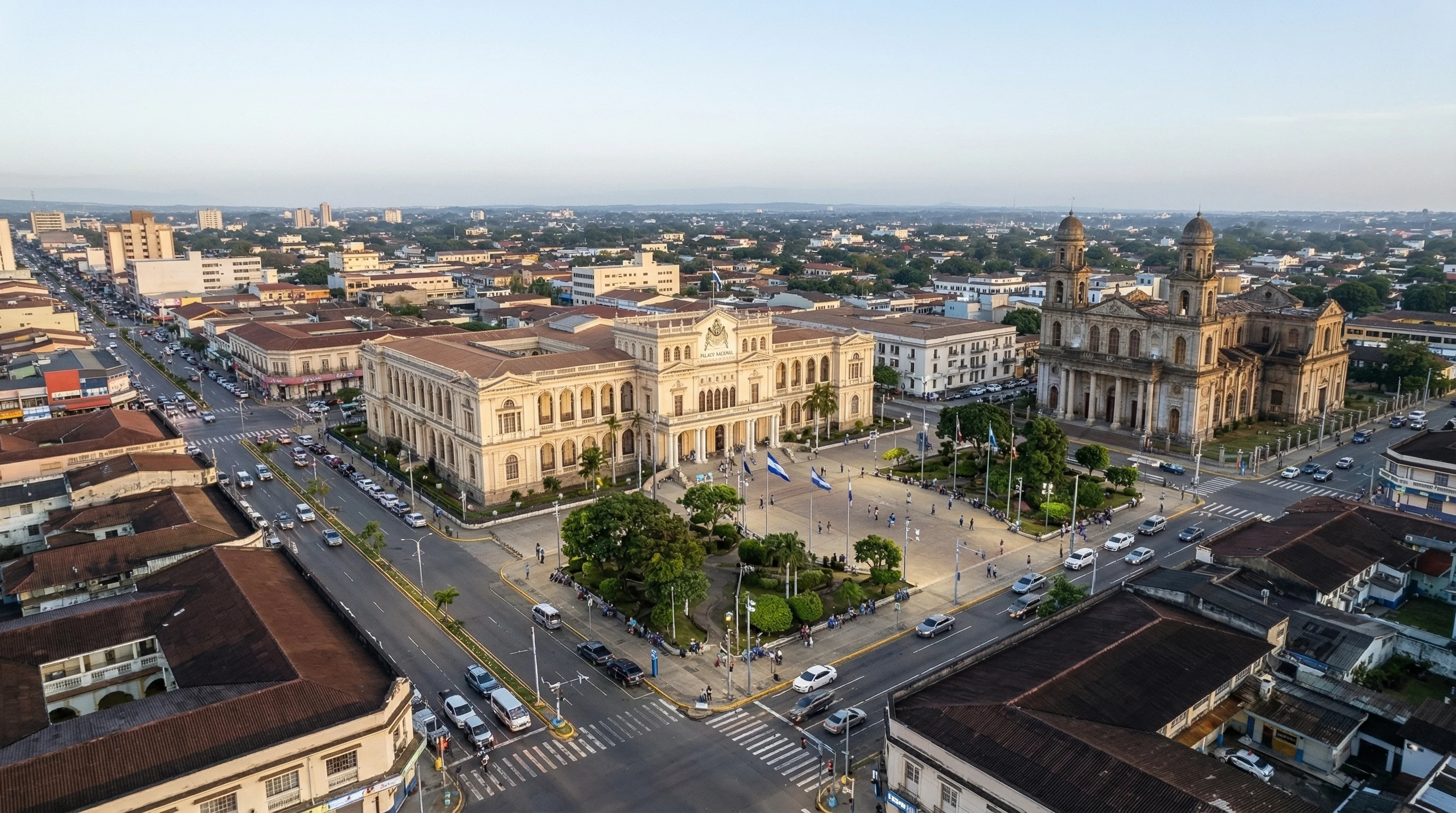
Managua, the capital of Nicaragua, is the nation's primary economic, industrial, and transportation hub, giving it immense strategic importance as a logistics destination. It functions as the central distribution node for the country, concentrating major manufacturing, commercial, and agricultural processing activities. Key industries driving inbound freight include consumer goods, construction materials, machinery, and food products to support its large urban population and national economy. The city is well-connected via the Pan-American Highway (Nicaragua's Highway 1), which provides the main arterial link to the southern border with Costa Rica and the northern border with Honduras at El Guasaule—the primary crossing for this corridor. While Nicaragua's road infrastructure presents variable conditions, the highway network to Managua is the most developed. The city's airport (Augusto C. Sandino International) also supports air freight, but the dominant mode for bulk goods from the U.S. is road transport. Managua's logistics ecosystem is built around its role as the final-mile distribution center for the entire country, requiring flexible and robust FTL capacity from international origins.










