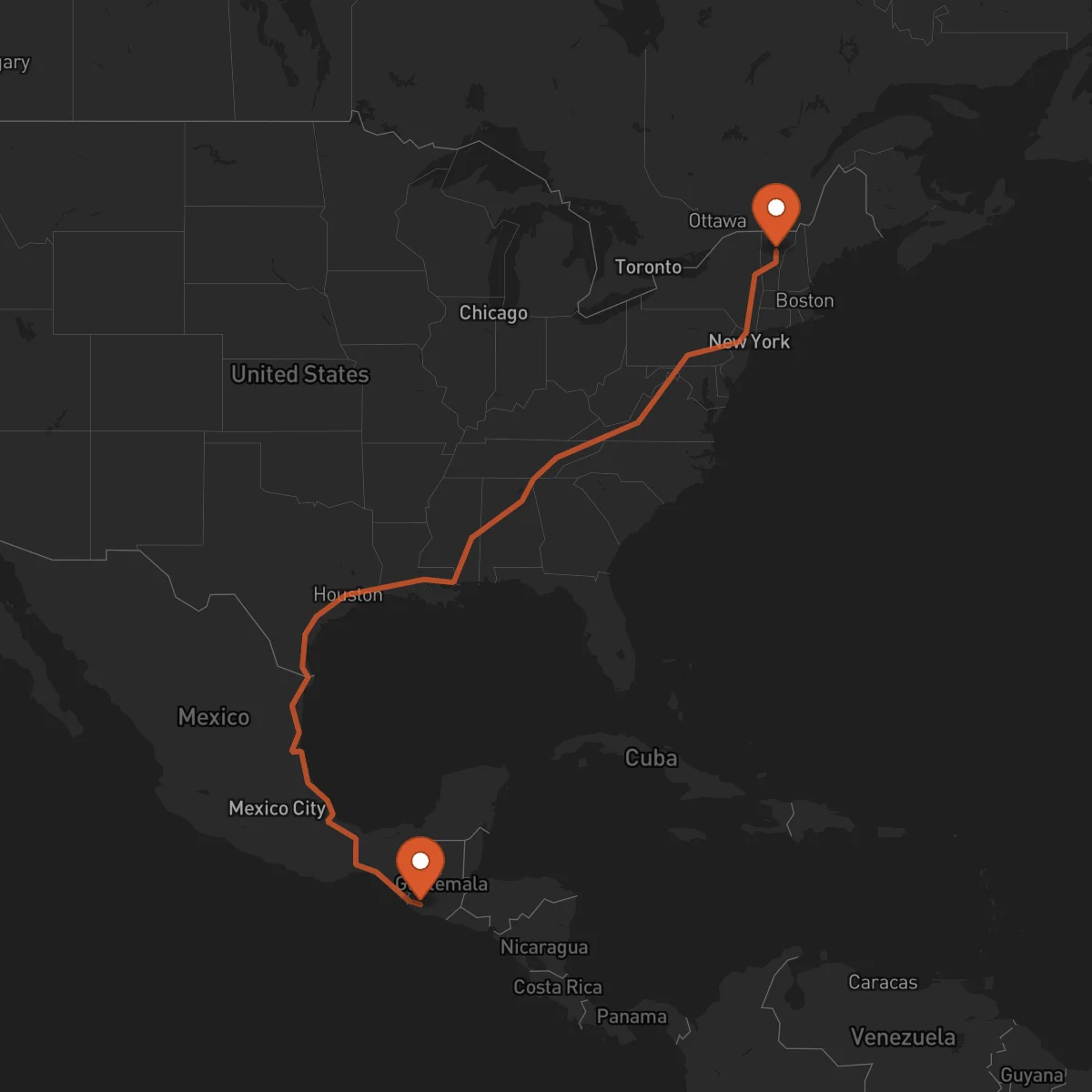
Montpelier to Mazatenango
Mazatenango → MontpelierFTL freight transportation service between Montpelier and Mazatenango. Reliable logistics solutions for your business.
Route Description
Everything you need to know about the corridor Montpelier - Mazatenango
The Montpelier, Vermont to Mazatenango, Guatemala corridor represents a critical North-South trade artery connecting the industrial Northeast United States with the agricultural heartland of Central America. This approximately 3,759-kilometer route is strategically vital for moving time-sensitive, high-value full truckload (FTL) freight across diverse regulatory and geographic landscapes. It facilitates the flow of goods between two economically complementary regions, supporting supply chains that require reliability and expert cross-border management. The corridor's importance is underscored by its role in linking U.S. manufacturing and dairy output with Guatemala's robust agricultural exports and growing industrial sector.
Economically, the corridor serves dynamic industrial clusters. Northern Vermont and the broader New England region are known for specialized manufacturing, food and beverage production (including dairy and maple syrup), and precision equipment. Conversely, the Suchitepéquez department, where Mazatenango is the capital, is a powerhouse of agriculture, producing coffee, bananas, sugarcane, and a variety of fruits and vegetables, alongside a significant textile and apparel manufacturing presence. Companies leveraging this corridor typically include food and beverage distributors, agricultural commodity shippers, textile and apparel manufacturers, and industrial suppliers moving raw materials and finished goods.
Infrastructure along the route is a multi-country network. The journey begins on U.S. interstates, primarily I-89 south through Vermont and New Hampshire, connecting to I-95 and I-91. The route then traverses Mexico via major federal highways (e.g., Mexico 150D, 190, 200) through central and southern Mexico to the Guatemala border. The primary formal border crossing is at Tecún Umán (Mexico) / Ciudad Hidalgo (Guatemala). Navigating this crossing requires meticulous attention to customs documentation, compliance with Mexican and Guatemalan import/export regulations, and adherence to security programs like C-TPAT and FAST, which our provider network holds. Control Terrestre facilitates seamless operations by managing all cross-border complexities through our alliance of certified carriers, ensuring compliant, efficient transit for dedicated FTL, refrigerated, and specialized cargo without consolidation.
We, at Control Terrestre, optimize this corridor by providing a single point of contact for the entire journey. Our strategic alliance of transportation providers offers consistent equipment availability—from dry vans and reefers to flatbeds—and possesses deep expertise in the specific customs procedures, toll systems, and safety protocols of each country. We coordinate door-to-door FTL solutions, handle export and import freight documentation, and leverage our providers' certifications (including BASC and Responsible Care for specialized cargo) to mitigate risk. This ensures our clients' shipments move as one unified, secure flow from a Vermont origin to a Guatemalan destination, tailored to the unique demands of their supply chain.
Services for this Route
Available services for the corridor Montpelier - Mazatenango
 Origin
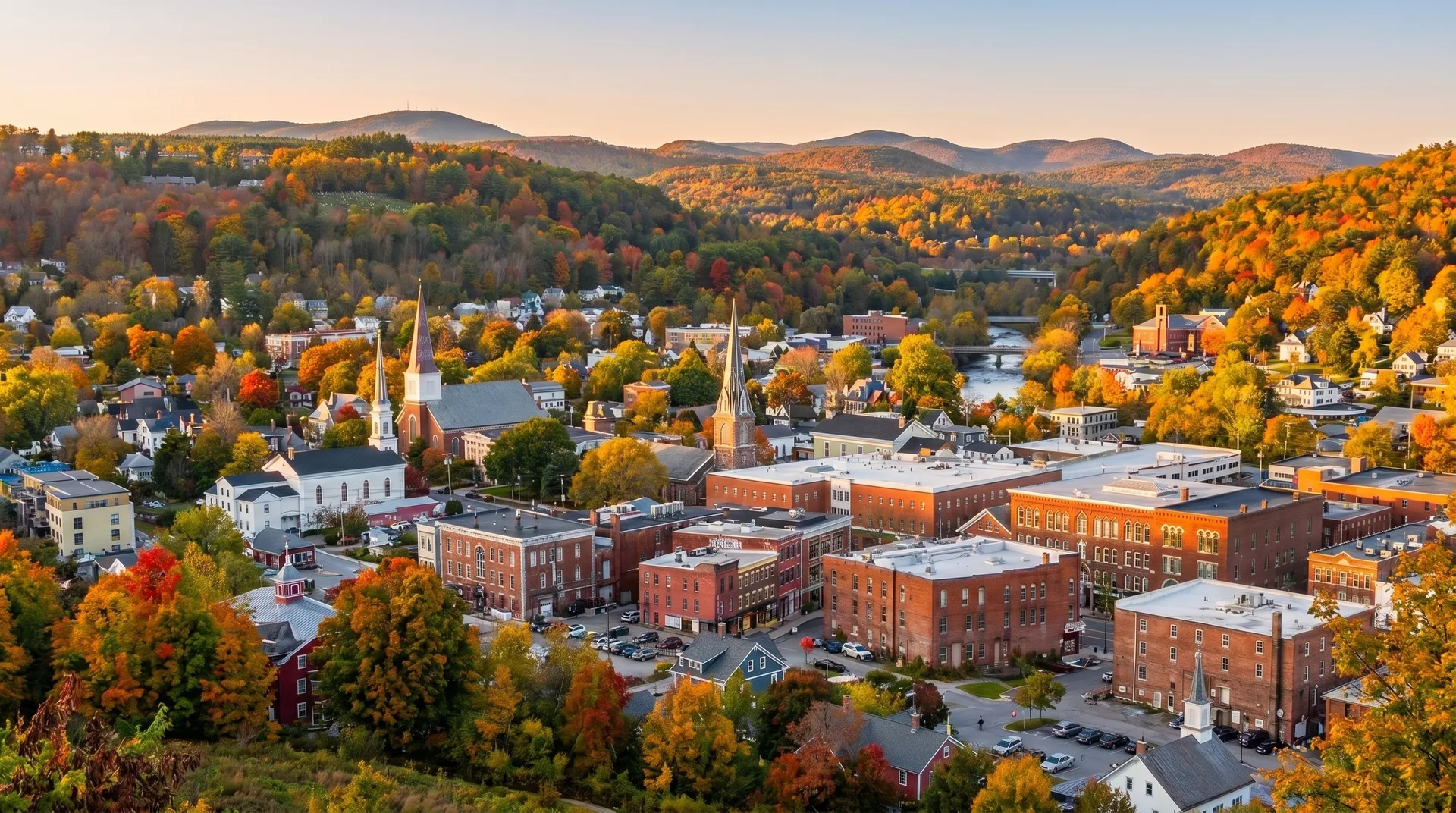
Montpelier
Montpelier, the capital of Vermont, offers a strategic logistics origin point in the heart of New England. Its central location within the state provides efficient access to major north-south and east-west corridors, most notably Interstate 89, which directly connects the city to the Canadian border in the north and to key New Hampshire and Massachusetts interstates (I-93, I-91) in the south. This positions it as an ideal hub for distributing goods throughout the Northeastern U.S. and for initiating cross-border journeys. The city and surrounding region are supported by a network of state routes and are within a reasonable drive to major intermodal facilities, rail terminals, and ports in Boston, Portland, and Montreal, offering multimodal flexibility for different supply chain needs.
The economic engine of the Montpelier region is diverse but leans heavily on niche manufacturing, food production, and services. Key industries include specialty food and beverage manufacturing (notably dairy, maple syrup, and craft brewing), precision machining and metal fabrication, and printing and publishing. The presence of state government also creates consistent demand for certain goods and services. For logistics, this means a steady flow of outbound FTL freight consisting of processed foods, manufactured components, and bulk raw materials. The infrastructure is tailored to support these sectors, with industrial parks and warehouses located near the I-89 corridor, facilitating quick truck loading and efficient highway access for long-haul transportation.
 Destination
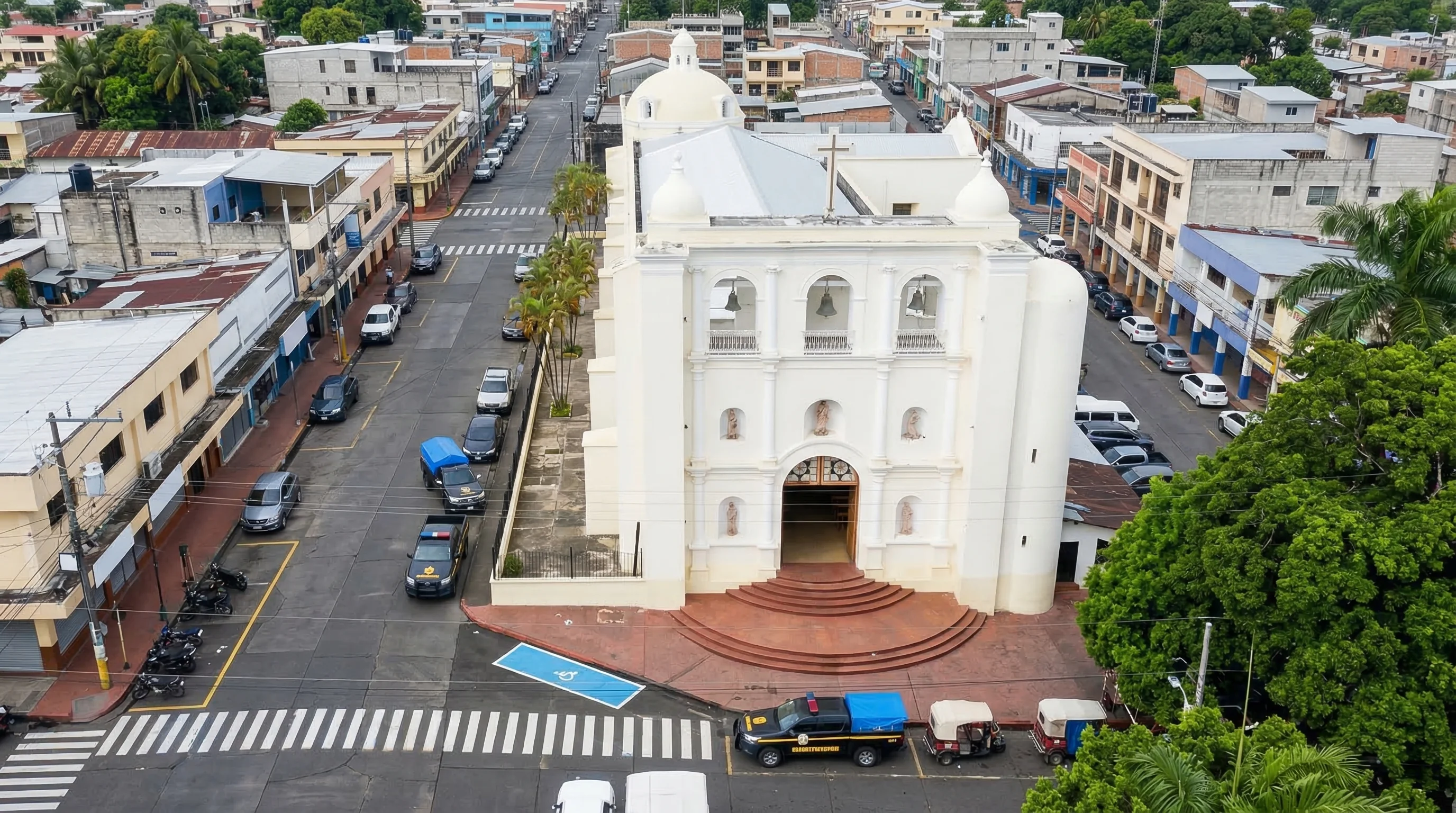
Mazatenango
Mazatenango, the capital of the Suchitepéquez department, is a pivotal logistics destination on Guatemala's southern coast, strategically positioned near the Pacific coast and the country's primary agricultural zone. Its location provides direct access to key national highways, most notably CA-2 (the Pacific Coast Highway), which connects it westward to the major port of Puerto Quetzal and eastward to Guatemala City and the borders with El Salvador and Honduras. This makes it a crucial inland hub for distributing goods throughout southern Guatemala and for consolidating exports destined for international markets via the Pacific. The city's infrastructure includes well-established warehousing and distribution centers catering to both local industry and regional trade.
Economically, Mazatenango and the Suchitepéquez region are dominated by agriculture and agro-industry, forming the backbone of its freight demand. It is one of Guatemala's leading producers of coffee, bananas, sugarcane, and a wide array of tropical fruits and vegetables. Additionally, the area hosts significant textile and apparel manufacturing (maquila) operations. Consequently, the primary inbound freight consists of raw materials for processing (like fertilizers, packaging, and machinery) and consumer goods, while outbound freight is heavily weighted toward agricultural bulk commodities and finished textile products. This flow demands reliable refrigerated transportation for perishables and standard dry van capacity for manufactured goods, all requiring efficient connection to the port of Puerto Quetzal for export.


Ready to ship your cargo?
Get a personalized quote for your freight.
Quote Now Montpelier - Mazatenango








